Cameras That Look Like Smoke Detectors
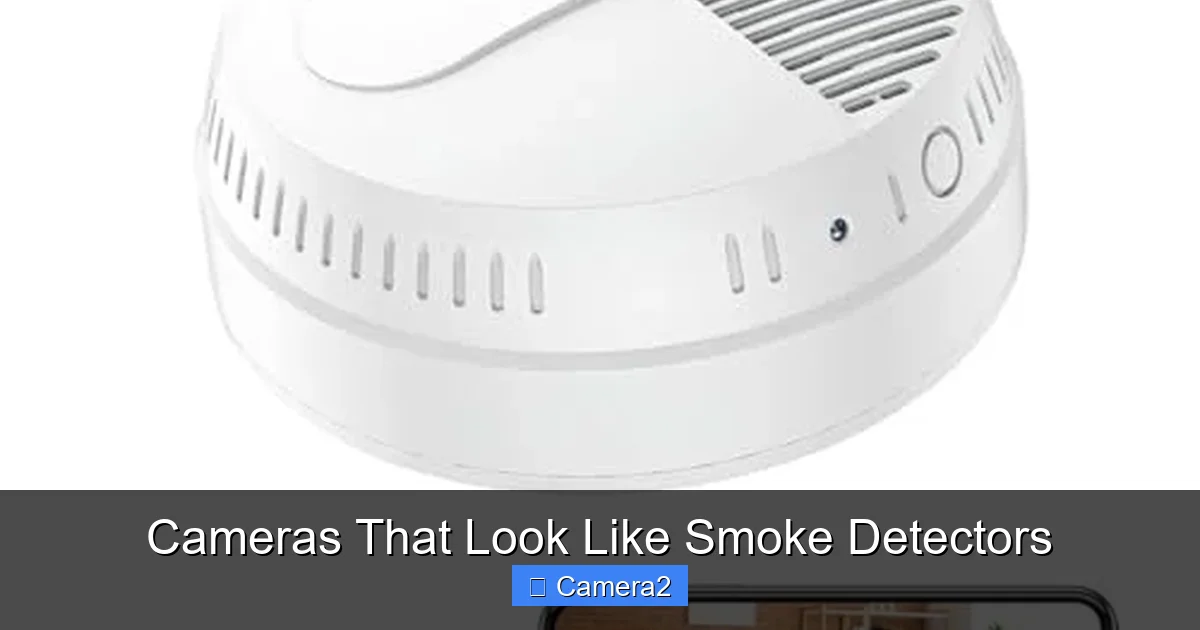
Looking for a hidden security solution? Cameras that look like smoke detectors blend into any ceiling, giving you silent surveillance without raising eyebrows. We break down how they work, where to install them, legal basics, and the best models on the market—all in a conversational style that feels like chatting with a tech‑savvy friend.
Key Takeaways
- Stealth design: These cameras mimic real smoke detectors, making them virtually invisible to visitors.
- Easy installation: Most units mount like a standard detector and connect to Wi‑Fi or Ethernet.
- Legal awareness: Laws vary by state; always check local privacy rules before installing.
- Feature variety: Options include motion detection, night vision, two‑way audio, and cloud storage.
- Power options: Choose between hard‑wired (AC) or battery‑powered models for flexible placement.
- Price range: Budget models start under $50, while premium units with audio can exceed $200.
- Maintenance tips: Regular firmware updates and cleaning the lens keep video clear.
📑 Table of Contents
Introduction: Why a Smoke‑Detector Lookalike?
Imagine walking into a room and feeling completely safe, not because you see a camera, but because you don’t see one at all. That’s the magic of cameras that look like smoke detectors. They sit on the ceiling, blend with existing safety equipment, and give you a 360‑degree view without anyone suspecting they’re being watched.
People choose these gadgets for many reasons: protecting a home office, monitoring a vacation rental, keeping an eye on a nursery, or even adding an extra layer of security to a small business. The key advantage is discretion—no obvious “eye in the sky” that might make guests uncomfortable.
How Do These Cameras Work?
Basic Technology
At their core, they are tiny digital cameras with a wide‑angle lens, a CMOS sensor, and a built‑in processor. The outer shell is molded to look exactly like a UL‑listed smoke detector, complete with the same vent pattern and mounting bracket.
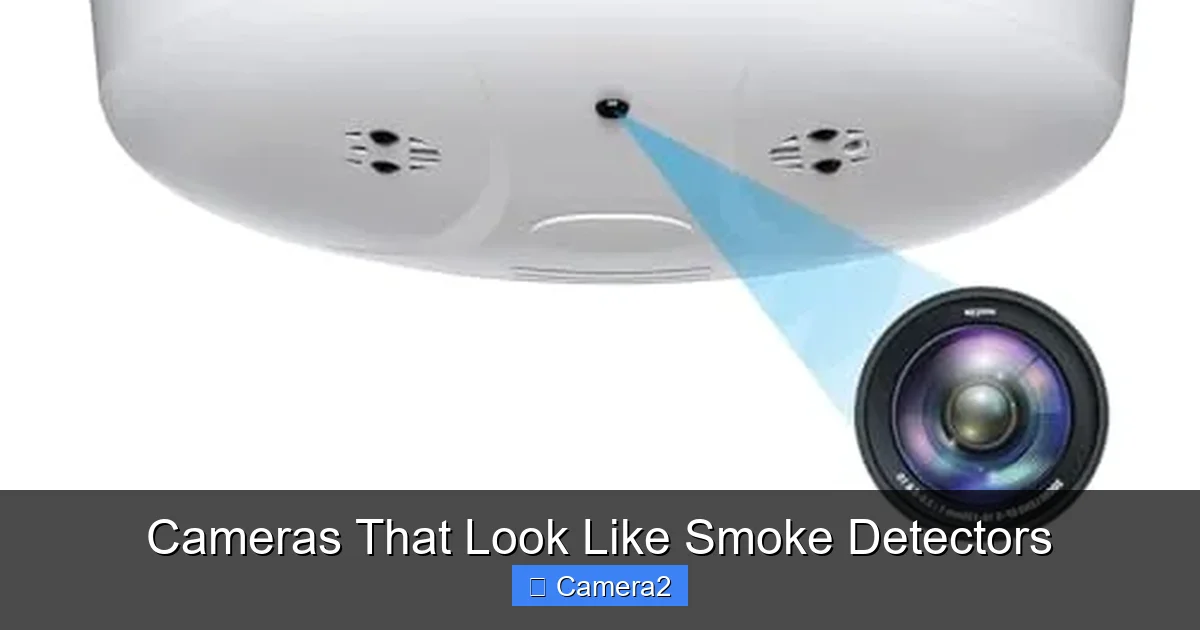
Visual guide about Cameras That Look Like Smoke Detectors
Image source: m.media-amazon.com
Connectivity
Most models connect to your home Wi‑Fi network, sending live video to a cloud service or a local app on your phone. Some premium versions also offer Ethernet ports for a more stable connection, especially in areas with weak Wi‑Fi signals.
Power Sources
- Hard‑wired (AC): Connects directly to your building’s electrical system, just like a real detector. This provides continuous power and often includes a battery backup for power outages.
- Battery‑powered: Uses a rechargeable lithium‑ion pack. Ideal for renters or places where running new wiring is impractical.
Key Features to Look For
Resolution & Night Vision
Resolution ranges from 720p (good for basic monitoring) to 1080p or even 4K on high‑end units. Night vision is typically infrared (IR) and can illuminate a room up to 30 feet in complete darkness.
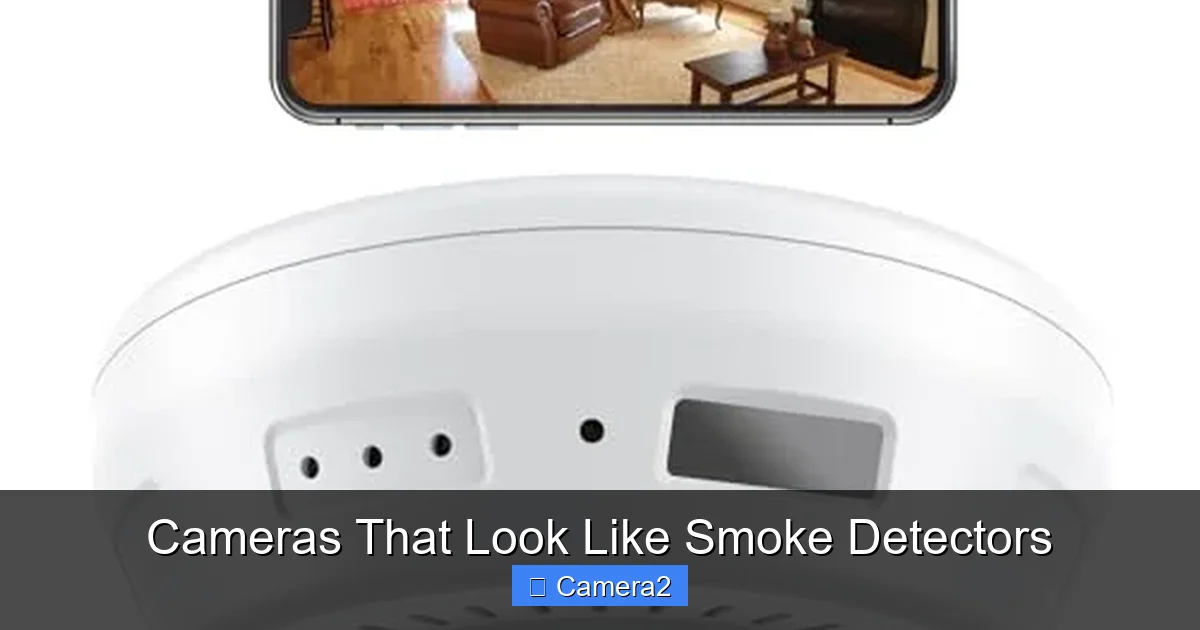
Visual guide about Cameras That Look Like Smoke Detectors
Image source: m.media-amazon.com
Two‑Way Audio
If you need to speak to someone in the room, look for models with built‑in microphones and speakers. Our smoke detector cameras with audio guide explains why audio adds a huge safety boost.
Motion & Sound Detection
Advanced units send alerts when they detect movement or sudden noises. Some also let you set zones so you only get alerts for specific areas of the room.
Cloud vs. Local Storage
Cloud storage is convenient but often requires a subscription. Local microSD cards (up to 128 GB) give you on‑site backup without recurring fees.
Where to Install Them
Home Use
Place a camera in the living room, hallway, or even a bedroom where a smoke detector already exists. Because the device looks identical to a safety detector, it won’t raise concerns from visitors.
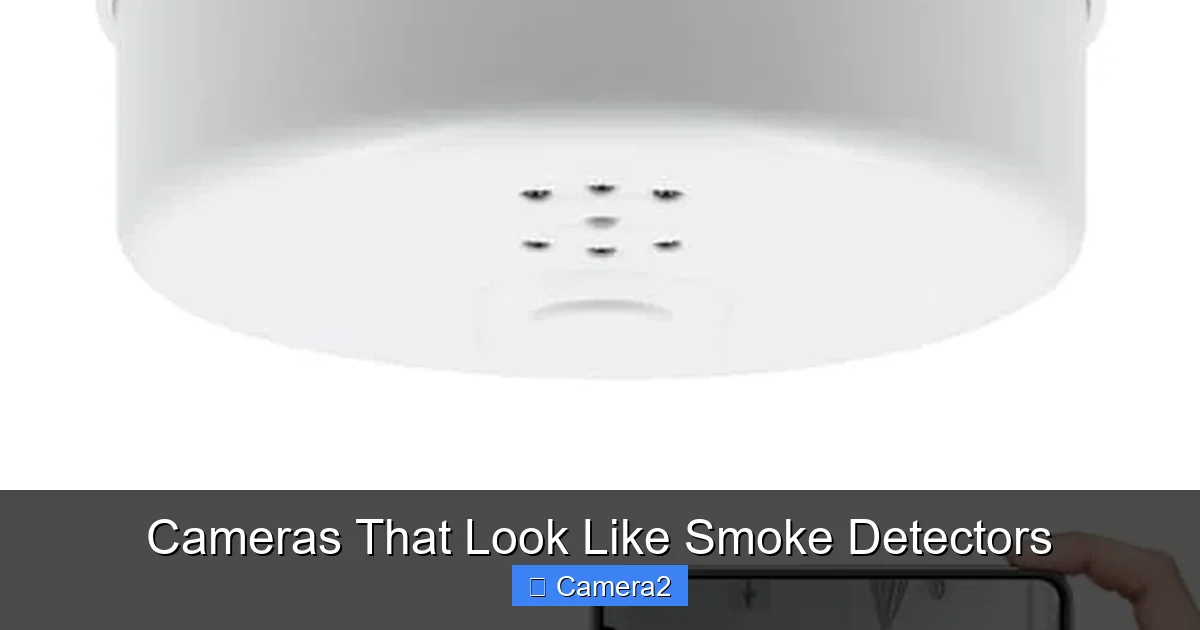
Visual guide about Cameras That Look Like Smoke Detectors
Image source: m.media-amazon.com
Rental Properties
Landlords love the hidden nature for remote monitoring of vacant units. Just be sure to disclose surveillance to tenants where local law requires it.
Small Businesses
Retail stores, coffee shops, and offices can hide cameras near the ceiling to cover cash registers or entryways without creating a “big brother” vibe.
Special Situations
In schools, the question of privacy is sensitive. For a balanced approach, read our article on can you have cameras in classrooms to understand the rules and best practices.
Legal and Privacy Considerations
Understanding Local Laws
Privacy regulations differ by state and country. In many U.S. states, it’s legal to record video in public areas of your property, but audio recording often requires consent.
Consent and Notification
If you’re installing a camera in a shared space, posting a simple notice (“This area is under video surveillance”) can keep you on the right side of the law.
Special Environments
Hospitals, schools, and bathrooms have stricter rules. For example, is it legal to have cameras in patient rooms explores the fine line between safety and privacy.
Top Models Reviewed
1. SpyCam SC‑100
• 1080p resolution, 120° field of view
• Two‑way audio, IR night vision up to 30 ft
• Hard‑wired power with battery backup
• Cloud storage (30‑day free trial) and microSD slot
2. GuardEye Mini‑Detect
• 720p resolution, 90° lens
• Motion alerts only (no audio)
• Battery‑powered (up to 6 months)
• Local storage only (64 GB max)
3. SecureHome Pro‑Cam
• 4K UHD, 150° ultra‑wide lens
• Two‑way audio, AI person detection
• Ethernet + PoE support
• Premium cloud plan with encrypted backup
Choosing the Right One
Match the camera to your needs. If you need crystal‑clear video for a storefront, go 4K with Ethernet. For a bedroom or rental, a battery‑powered 720p model may be enough.
Installation Guide: Step‑by‑Step
Tools You’ll Need
- Phillips screwdriver
- Drill (if adding a new mounting point)
- Wire nuts and voltage tester (for hard‑wired models)
- Smartphone with the manufacturer’s app installed
Step 1 – Turn Off Power
Always switch off the circuit at the breaker before handling any wiring. Use a voltage tester to confirm the wires are dead.
Step 2 – Remove Existing Detector
Unscrew the existing smoke detector, disconnect the wires, and set the detector aside. Keep the mounting bracket—it will be reused.
Step 3 – Connect the Camera
Match the color‑coded wires (black to black, white to white, green to ground). Secure with wire nuts and push the connection into the bracket.
Step 4 – Mount the Camera
Snap the camera’s housing onto the bracket, tighten the screws, and restore power at the breaker.
Step 5 – Configure the App
Open the app, follow the “Add Device” wizard, and connect the camera to your Wi‑Fi. Test live video and adjust motion zones as needed.
Maintenance Tips
- Clean the lens monthly with a soft, dry cloth.
- Check firmware updates every 2‑3 months.
- Replace batteries (if applicable) before they drop below 20 %.
Cost vs. Benefit: Is It Worth It?
Budget‑friendly models start around $49, offering basic video and motion alerts. Premium units with AI detection and two‑way audio can cost $199‑$299. Consider the value of:
- Reduced theft or vandalism
- Peace of mind when you’re away
- Potential insurance discounts for documented security
When you add the convenience of remote monitoring, the investment often pays for itself within a year.
Conclusion: Discreet Security Made Simple
Cameras that look like smoke detectors give you the best of both worlds: powerful surveillance that doesn’t scream “camera.” By choosing the right model, installing it correctly, and staying aware of legal limits, you can protect your space without compromising aesthetics or privacy. Whether you’re a homeowner, landlord, or small‑business owner, these stealthy devices are a smart addition to any security toolkit.
Frequently Asked Questions
Do smoke detector cameras record audio?
Only models with built‑in microphones capture sound. Check the specifications and local laws—many regions require consent for audio recording.
Can I use a battery‑powered smoke detector camera in a rented apartment?
Yes, battery‑powered units are ideal for rentals because they need no wiring and can be removed without leaving marks.
Will the camera interfere with a real smoke detector?
No. The camera is designed to coexist with a functional detector, and most units have separate power sources or can be wired alongside the detector without affecting its operation.
How far can the night‑vision feature see?
Standard IR LEDs cover 20‑30 feet. Higher‑end models may reach up to 50 feet, but performance drops in larger rooms with obstacles.
Is cloud storage mandatory?
Not at all. Many cameras offer a microSD slot for local storage, which eliminates subscription fees but lacks the remote backup safety net.
Can I view the video feed on multiple devices?
Yes. Most apps allow simultaneous streaming on phones, tablets, and computers, letting family members or employees monitor the area in real time.