Does Ps5 Need Hdmi 2 1 for 4k
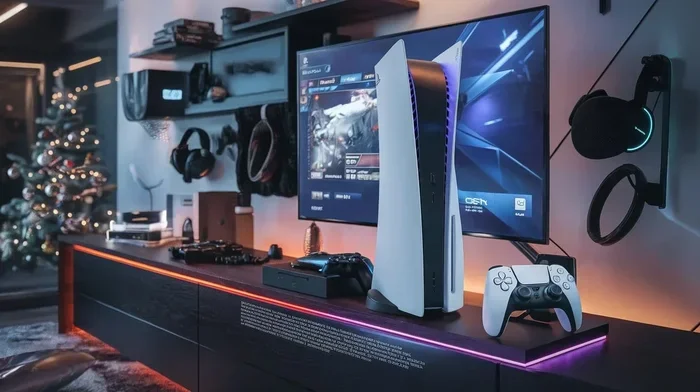
Yes, the PS5 needs HDMI 2.1 to unlock true 4K gaming at 120Hz. While the console can output 4K over HDMI 2.0, you miss out on high refresh rates, VRR, and ALLM features. HDMI 2.1 delivers the bandwidth your PS5 demands for the best 4K gaming experience.
This is a comprehensive guide about Does Ps5 Need Hdmi 2 1 For 4k.
Key Takeaways
- HDMI 2.1 is essential for 4K at 120Hz: Older HDMI versions cap you at 60Hz in 4K.
- Bandwidth matters a lot: HDMI 2.1 offers 48 Gbps compared to HDMI 2.0’s 18 Gbps.
- VRR and ALLM require HDMI 2.1: These features reduce screen tearing and input lag.
- Most new TVs already have HDMI 2.1: Check your TV specs before buying a new cable.
- You do not need HDMI 2.1 for basic 4K at 60Hz: HDMI 2.0 handles that just fine.
- PS5 storage upgrades complement HDMI upgrades: Consider an NVMe M.2 SSD for PS5 to expand your game library alongside your display setup.
[FEATURED_IMAGE_PLACEHOLDER]
Does Ps5 Need Hdmi 2 1 For 4k
If you own a PlayStation 5 and want the best picture quality, you have probably asked yourself this question. The short answer is yes, HDMI 2.1 is important for 4K gaming on the PS5. But the full story is a bit more nuanced. Let us walk through everything you need to know.
The PS5 is a powerful console. It supports 4K resolution at up to 120 frames per second. To get the most out of that capability, you need the right connection. HDMI 2.1 is the cable standard that makes this possible. Without it, you are leaving performance and visual quality on the table.
In this article, we will explain exactly what HDMI 2.1 does, why it matters for 4K gaming, and whether you actually need to upgrade. We will also cover common mistakes people make when setting up their PS5 display. By the end, you will know exactly what your setup needs.
What Is HDMI 2.1 and Why Does It Matter for 4K Gaming
HDMI 2.1 is the latest version of the HDMI standard. It was released in 2017 and brought big improvements over HDMI 2.0. The most important change is bandwidth. HDMI 2.1 supports up to 48 gigabits per second. That is more than double what HDMI 2.0 offers at 18 Gbps.
This extra bandwidth is what allows the PS5 to output 4K at 120Hz. It also enables features like Variable Refresh Rate, or VRR, and Auto Low Latency Mode, known as ALLM. These are not just marketing terms. They directly impact how your games look and feel.
HDMI 2.0 vs HDMI 2.1: What Is the Real Difference
Here is a simple comparison of the two standards:
- HDMI 2.0: Supports 4K at 60Hz. Bandwidth of 18 Gbps. No VRR or ALLM support.
- HDMI 2.1: Supports 4K at 120Hz and even 8K at 60Hz. Bandwidth of 48 Gbps. Full VRR and ALLM support.
For casual gaming at 4K and 60Hz, HDMI 2.0 works fine. But if you want smooth 4K gaming at 120 frames per second, HDMI 2.1 is a must. The difference is huge, especially in fast-paced games like shooters and racing titles.
Why the PS5 Was Built for HDMI 2.1
Sony designed the PS5 with HDMI 2.1 output as a core feature. The console’s custom SSD and graphics chip can render games at stunning resolutions and frame rates. But none of that matters if your connection cannot keep up.
Think of it this way. The PS5 is like a high-performance engine. HDMI 2.1 is the fuel line that delivers power to the wheels. A narrow fuel line, like HDMI 2.0, limits how much power actually reaches the ground. HDMI 2.1 removes that bottleneck.
The PS5 also supports 10-bit color depth and Dolby Vision over HDMI 2.1. These features bring richer colors and better contrast to your games. You get a more immersive visual experience that simply is not possible with older HDMI versions.
Do You Actually Need HDMI 2.1 for 4K on PS5
This is where things get interesting. The answer depends on what kind of gaming experience you want. Let us break it down into two scenarios.
Scenario 1: You Are Fine With 4K at 60Hz
If you do not mind playing games at 4K resolution but locked to 60 frames per second, HDMI 2.0 is enough. Most TVs on the market today support HDMI 2.0. You can plug in your PS5 and enjoy beautiful ultra HD visuals without any extra cost.
Many single-player story-driven games target 4K at 60Hz. Games like God of War Ragnarok and The Last of Us Part II look incredible at this setting. For these experiences, HDMI 2.0 delivers excellent results.
Scenario 2: You Want 4K at 120Hz and VRR
If you are a competitive gamer or simply want the smoothest possible experience, HDMI 2.1 is non-negotiable. 4K at 120Hz requires the higher bandwidth that only HDMI 2.1 provides. VRR prevents screen tearing when the frame rate dips. ALLM reduces input lag for a more responsive feel.
Games like Returnal and Demon’s Souls take full advantage of 120Hz on the PS5. The difference between 60Hz and 120Hz is very noticeable. Movements look smoother, animations are more fluid, and the overall feel is much more responsive.
Common Mistakes People Make With PS5 HDMI Setup
Many PS5 owners make simple mistakes that hurt their gaming experience. Here are the most common ones to avoid.
Using an Old HDMI Cable
Not all HDMI cables are created equal. A standard HDMI cable that came with older devices may not support HDMI 2.1 bandwidth. If your cable is not rated for 48 Gbps, it will not deliver 4K at 120Hz even if your TV and console both support it.
Look for cables labeled “Ultra High Speed HDMI” or “HDMI 2.1 certified.” These cables are designed to handle the full bandwidth. A cheap, uncertified cable can cause flickering or signal loss.
Plugging Into the Wrong TV Port
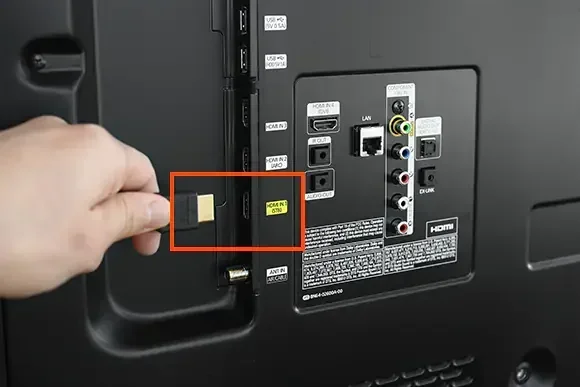
Many modern TVs have multiple HDMI ports, but not all of them support HDMI 2.1. Check your TV manual or settings to find which ports are HDMI 2.1 compatible. Often, the ports labeled HDMI 2 or HDMI 3 are the ones that support the new standard.
If you plug your PS5 into an HDMI 2.0 port, you will be limited to 4K at 60Hz. This is an easy mistake to make, especially on TVs with four or more ports.
Ignoring TV Settings
Even with HDMI 2.1 connected, your TV settings matter. Make sure VRR is turned on in both your PS5 settings and your TV settings. Check that your TV is set to the correct input mode. Some TVs have a “Game Mode” that optimizes the display for low latency gaming.
How to Get the Most Out of Your PS5 4K Setup
Getting the best 4K experience on your PS5 involves more than just the right cable. Here are some tips to maximize your setup.
Choose the Right TV
Your TV is just as important as your HDMI cable. Look for a TV that supports 4K at 120Hz, has HDMI 2.1 ports, and offers VRR support. Brands like Samsung, LG, and Sony all make excellent gaming TVs in various price ranges.
OLED TVs offer the best picture quality with deep blacks and vibrant colors. LED TVs are more affordable and still deliver great performance. Either option works well for PS5 gaming as long as it meets the HDMI 2.1 requirements.
Expand Your PS5 Storage
While you are upgrading your connection, consider your storage situation too. Modern games are huge, and the PS5’s built-in storage fills up fast. Adding an NVMe SSD gives you plenty of room for your game library. This way, you can keep your favorite 4K games installed without constantly deleting and reinstalling.
Storage upgrades are one of the best ways to improve your overall PS5 experience. Combined with a proper HDMI 2.1 setup, you get the full package of speed and visual quality.
Optimize Your Room and Seating
Do not overlook your viewing environment. Sit at the right distance from your TV for 4K gaming. A good rule of thumb is to sit about 1.5 to 2.5 times the diagonal screen size away. This distance lets you see all the detail in ultra HD resolution without straining your eyes.
Also, reduce ambient light in your room. Dimming the lights can make your games look more vibrant and reduce glare on your screen. Small changes like these make a big difference in your overall gaming experience.
Expert Insights on HDMI 2.1 and PS5 Gaming
Many tech experts agree that HDMI 2.1 is the future of console gaming. As more games push for higher frame rates and resolutions, the need for greater bandwidth only grows. Sony has positioned the PS5 as a next-generation console, and HDMI 2.1 is a key part of that vision.
Looking ahead, game developers are creating titles that fully utilize 120Hz refresh rates at 4K. Some are even experimenting with 8K output, though that is still years away from being mainstream. Having HDMI 2.1 ensures your setup is ready for whatever comes next.
If you are building or upgrading your PS5 setup, investing in HDMI 2.1 equipment now saves you from needing another upgrade soon. It is a future-proof choice that pays off in both performance and visual quality.
Conclusion
So, does the PS5 need HDMI 2.1 for 4K? The answer depends on your goals. For basic 4K at 60Hz, HDMI 2.0 works. But for the full 4K gaming experience at 120Hz with VRR and ALLM, HDMI 2.1 is essential.
The PS5 is built to take advantage of HDMI 2.1. Not using it means you are not getting the most from your console. With the right cable, a compatible TV, and proper settings, you unlock a level of performance that makes your games look and feel incredible.
Take the time to check your current setup. If you are still using HDMI 2.0, consider upgrading. Your eyes and your gameplay will thank you. And while you are at it, do not forget to optimize your storage with an NVMe M.2 SSD so you have room for all those beautiful 4K games you are about to play.
Frequently Asked Questions
Can I Use HDMI 2.0 for 4K Gaming on PS5?
Yes, you can use HDMI 2.0 for 4K gaming on PS5. However, you will be limited to 60Hz at 4K resolution. You will also miss out on VRR and ALLM features. For casual gaming, this is perfectly fine. But for competitive or high-frame-rate gaming, HDMI 2.1 is strongly recommended.
What Happens if I Use a Non-HDMI 2.1 Cable with PS5?
If you use a standard HDMI cable that does not support HDMI 2.1, your PS5 may not output 4K at 120Hz. You could experience reduced resolution, lower frame rates, or even signal issues. Always use an Ultra High Speed HDMI cable certified for HDMI 2.1 to get the best results.
Do All 4K TVs Have HDMI 2.1 Ports?
No, not all 4K TVs have HDMI 2.1 ports. Many older 4K TVs only support HDMI 2.0. Even some newer budget 4K TVs may lack full HDMI 2.1 support. Always check the TV specifications before purchasing. Look for specific mentions of HDMI 2.1, 4K at 120Hz, and VRR support.
Is HDMI 2.1 Worth It for Casual Gamers?
For casual gamers who play at 4K and 60Hz, HDMI 2.1 may not be worth the extra cost. HDMI 2.0 handles that workload perfectly well. However, if you enjoy fast-paced games or want the smoothest possible experience, HDMI 2.1 provides noticeable benefits in frame rate stability and input responsiveness.
Can I Use an HDMI 2.1 Cable with Older Devices?
Yes, HDMI 2.1 cables are backward compatible with older devices. You can plug an HDMI 2.1 cable into an HDMI 2.0 port and it will work fine. The connection will simply operate at the older standard’s capabilities. The cable will not damage your devices, and you can upgrade your source device later to take full advantage of HDMI 2.1.
Does the PS5 Slim Support HDMI 2.1?
Yes, the PS5 Slim fully supports HDMI 2.1. It maintains the same 4K at 120Hz output capability as the original PS5. The Slim version is more compact and energy efficient, but it does not sacrifice any of the display output features. You still need a compatible TV and HDMI 2.1 cable to access the full benefits.
Frequently Asked Questions
What is Does Ps5 Need Hdmi 2 1 For 4k?
Does Ps5 Need Hdmi 2 1 For 4k is an important topic with many practical applications.