Easy Guide Msi 5070 Ti Argb on Gigabyte X870e

This easy guide walks you through installing the MSI 5070 Ti ARGB graphics card on a Gigabyte X870E motherboard. You will learn about compatibility checks, BIOS setup, driver installation, and RGB lighting sync in simple steps. Whether you are a beginner or a seasoned builder, this guide makes the process clear and stress-free.
Building or upgrading a PC can feel overwhelming. There are so many parts, cables, and settings to juggle. But it does not have to be that way. This easy guide MSI 5070 Ti ARGB on Gigabyte X870E breaks everything down into simple, bite-sized steps. You will walk away knowing exactly how to install, configure, and optimize this powerful GPU setup.
The MSI 5070 Ti ARGB is a stunning graphics card. It delivers top-tier gaming performance and looks incredible with its customizable RGB lighting. Paired with the Gigabyte X870E motherboard, you get a solid foundation for a high-performance build. This guide covers everything from compatibility checks to final benchmarking. Let us get started.
Key Takeaways
- Compatibility First: Always verify that your Gigabyte X870E motherboard supports the MSI 5070 Ti ARGB before purchasing.
- BIOS Setup Matters: Updating your BIOS and enabling the PCIe slot ensures smooth GPU recognition.
- RGB Sync Is Easy: Use MSI Center or Gigabyte Control Center to synchronize ARGB lighting across components.
- Driver Installation Is Key: Installing the latest GPU drivers guarantees peak performance and stability.
- Cooling and Power Count: Proper power supply wattage and case airflow keep your system running cool under load.
📑 Table of Contents
- Why Choose the MSI 5070 Ti ARGB with Gigabyte X870E?
- Before You Start: Compatibility and Preparation
- Step-by-Step Installation Guide
- BIOS Setup and Initial Configuration
- Installing Drivers and Software
- Performance Optimization and Benchmarking
- Common Issues and Troubleshooting
- Final Thoughts and Next Steps
Why Choose the MSI 5070 Ti ARGB with Gigabyte X870E?
The combination of the MSI 5070 Ti ARGB and the Gigabyte X870E is a winning pairing. The X870E chipset supports the latest AMD processors and offers PCIe 5.0 connectivity. This means your graphics card gets the fastest data transfer speeds available. The result is smoother gameplay and faster rendering times.
The ARGB lighting on the MSI 5070 Ti adds a visual flair that many builders love. You can customize the colors and effects to match your setup. The Gigabyte X870E also features ARGB headers that let you sync lighting across all your components. Together, these parts create a powerful and visually striking system.
Key Features of the MSI 5070 Ti ARGB
- GPU Architecture: Built on NVIDIA’s latest architecture for top-tier performance.
- VRAM: Comes with ample video memory for 4K gaming and content creation.
- ARGB Lighting: Customizable RGB LEDs with multiple lighting zones.
- Cooling System: Advanced thermal design keeps temperatures in check.
- Power Efficiency: Designed to deliver high performance without excessive power draw.
What Makes the Gigabyte X870E Special?
- PCIe 5.0 Support: Offers the newest standard for graphics card connections.
- ARGB Headers: Built-in headers for syncing RGB and ARGB devices.
- Robust VRM Design: Stable power delivery for demanding GPUs.
- Multiple M.2 Slots: Fast storage options for your games and files.
- USB-C Connectivity: Modern ports for peripherals and accessories.
Before You Start: Compatibility and Preparation
Before you open your PC case, you need to do a few checks. Compatibility is the most important step in any build. Skipping this can lead to frustration and wasted time. Make sure your Gigabyte X870E motherboard is compatible with the MSI 5070 Ti ARGB. Check the PCIe slot type on your board. The X870E uses PCIe 5.0 x16 slots, which fully support this graphics card.
Next, consider your power supply unit, or PSU. The MSI 5070 Ti requires a reliable power source. Look for a PSU with at least 700 watts of power. Make sure it has the necessary PCIe power connectors. Most modern cards need an 8-pin or 12-pin connector. Having the right PSU prevents system instability and crashes.
You will also want enough system RAM to keep everything running smoothly. If you are unsure about your current setup, you might want to check how much RAM you need on a laptop as a general reference for memory requirements. Having sufficient RAM helps your GPU perform at its best, especially during heavy multitasking.
Step-by-Step Installation Guide
Now comes the fun part. Installing the MSI 5070 Ti ARGB on your Gigabyte X870E board is straightforward. Follow these steps carefully and you will be up and running in no time.
Step 1: Prepare Your Workspace
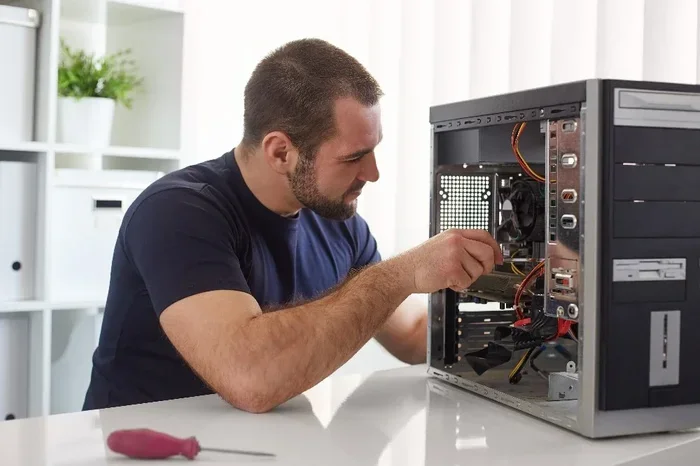
Find a clean, well-lit area to work. Gather your tools. You will need a Phillips-head screwdriver and an anti-static wrist strap. Static electricity can damage sensitive components. Ground yourself before touching any parts. Lay out your motherboard box or use an anti-static mat.
Step 2: Install the Graphics Card
Open your PC case and locate the PCIe x16 slot on your Gigabyte X870E motherboard. Remove the corresponding expansion slot covers from the back of the case. Carefully insert the MSI 5070 Ti ARGB into the slot. Press down firmly and evenly until the card clicks into place. Secure it with a screw at the rear bracket.
Step 3: Connect Power Cables
Plug the PCIe power cables from your PSU into the graphics card. Make sure they click in securely. Do not force any connector. If your PSU has a 12-pin connector, use the included adapter. Double-check all connections before moving on.
Step 4: Connect ARGB Headers
The Gigabyte X870E has ARGB headers on the board. Locate them and connect the MSI 5070 Ti ARGB lighting cable. Pay attention to the arrow on the connector. It indicates the correct orientation. Plug it in gently and make sure it is secure.
BIOS Setup and Initial Configuration
Once the hardware is installed, you need to configure your BIOS. The BIOS is the software that runs when you first turn on your computer. It controls how your components communicate. Proper BIOS settings ensure your Gigabyte X870E recognizes the MSI 5070 Ti ARGB correctly.
Boot your PC and press the DEL or F2 key to enter the BIOS menu. Navigate to the advanced settings section. Look for the PCIe slot configuration and make sure it is set to the latest version. This enables the full speed potential of the graphics card. Save your changes and exit the BIOS.
Your system should now POST (Power-On Self-Test) successfully. If you see the MSI logo on your screen, the GPU is detected. If not, double-check your power connections and reseat the card. Sometimes a simple reseat solves the problem.
Updating Your BIOS
It is a good idea to update your Gigabyte X870E BIOS before installing the GPU. Updated BIOS versions often fix compatibility issues and improve system stability. Visit the Gigabyte website, find your motherboard model, and download the latest BIOS file. Follow their instructions to flash the update safely.
Installing Drivers and Software
With the hardware installed and BIOS configured, it is time to install drivers. Drivers are the software that tells your operating system how to communicate with your GPU. Without the right drivers, your MSI 5070 Ti ARGB will not perform at its best.
Visit the NVIDIA website and download the latest Game Ready driver for the 5070 Ti. Run the installer and follow the on-screen prompts. Choose the custom installation option and check the box for a clean install. This removes any old driver files that could cause conflicts.
After the driver installation, download MSI Center. This software lets you control the ARGB lighting on your MSI 5070 Ti. You can choose from preset lighting effects or create your own custom patterns. The software also provides system monitoring tools to track temperatures and performance.
If you want to sync the ARGB lighting with other components, check the Gigabyte Control Center. This software works with the ARGB headers on your X870E motherboard. It allows you to create a unified lighting theme across your entire system. The result is a visually cohesive build that looks amazing.
Performance Optimization and Benchmarking
Now that everything is installed, it is time to test your system. Benchmarking helps you understand how well your MSI 5070 Ti ARGB performs on the Gigabyte X870E platform. Use tools like 3DMark or Unigine Heaven to run stress tests. These tests push your GPU to its limits and reveal its capabilities.
Monitor your temperatures during these tests. The MSI 5070 Ti ARGB has a robust cooling system, but good case airflow helps. Make sure your fans are configured properly in your BIOS or through your case manufacturer software. Target temperatures below 80 degrees Celsius during heavy gaming sessions.
Use MSI Afterburner to fine-tune your GPU settings. This tool lets you adjust clock speeds, fan curves, and power limits. Start with the default settings and make small adjustments. Monitor stability after each change. If you experience crashes or artifacts, revert to the previous settings.
Remember that every system is different. Your results may vary based on your processor, RAM, and cooling setup. If you are looking to upgrade other parts of your system, consider exploring options like checking laptops on sale with 8GB RAM for budget-friendly alternatives or building around desktop components for maximum performance.
Common Issues and Troubleshooting
Even with careful installation, you might run into issues. Here are some common problems and their solutions.
GPU Not Detected: Reseat the graphics card and check power connections. Make sure the PCIe slot is enabled in BIOS.
No ARGB Lighting: Verify the ARGB header connection. Check the arrow orientation and make sure the software is running.
Driver Conflicts: Perform a clean driver install using DDU (Display Driver Uninstaller) before installing fresh drivers.
System Crashes Under Load: Check your PSU wattage and power connections. Update your GPU drivers and BIOS.
High Temperatures: Improve case airflow, clean dust from fans, and reapply thermal paste if needed.
Final Thoughts and Next Steps
Setting up the MSI 5070 Ti ARGB on a Gigabyte X870E motherboard is a rewarding experience. You get a powerful, beautiful system that handles modern games and creative workloads with ease. Follow this guide step by step, and you will have a fully functional, visually stunning build.
Take your time during installation. Rushing through steps can lead to mistakes. If something does not work, do not panic. Go back through the steps and check each connection. The PC building community is also a great resource. Forums and videos can help you troubleshoot specific issues.
Once your system is up and running, enjoy the experience. Play your favorite games, create content, or simply admire your RGB-lit build. The MSI 5070 Ti ARGB and Gigabyte X870E combination delivers both performance and style. You made a great choice, and now you know exactly how to get the most out of it.
Frequently Asked Questions
Do I need a specific power supply for the MSI 5070 Ti ARGB?
NVIDIA recommends a PSU of at least 700 watts for the 5070 Ti. Make sure your power supply has the correct PCIe power connectors, typically an 8-pin or 12-pin cable. Using a quality, certified PSU ensures stable power delivery and protects your components.
Can I use the Gigabyte X870E with an Intel processor?
No, the Gigabyte X870E is designed for AMD AM5 processors. It supports Ryzen 7000 and 9000 series CPUs. Make sure your processor is compatible before building your system. Check the motherboard QVL list for supported CPU models.
How do I sync the ARGB lighting with other components?
Use MSI Center for the MSI 5070 Ti ARGB lighting control. For other ARGB devices connected to your Gigabyte X870E, use the Gigabyte Control Center. Both tools allow you to create synchronized lighting effects across your entire build.
What BIOS version do I need for the Gigabyte X870E?
Always use the latest BIOS version available from the Gigabyte website. Updated BIOS versions improve compatibility with newer GPUs and processors. Flash your BIOS before installing the MSI 5070 Ti for the best results.
Is the MSI 5070 Ti ARGB compatible with PCIe 4.0 slots?
Yes, the MSI 5070 Ti ARGB is backward compatible with PCIe 4.0 slots. However, using it in a PCIe 5.0 slot on the Gigabyte X870E gives you the best performance. The performance difference is minimal for most users, but you get the full benefit of the newer standard.
How do I uninstall GPU drivers safely?
Use DDU (Display Driver Uninstaller) in Safe Mode to completely remove old GPU drivers. This prevents conflicts when installing new drivers. After running DDU, restart your PC and install the fresh NVIDIA drivers from the official website.