Home Security Camera Laws in Texas
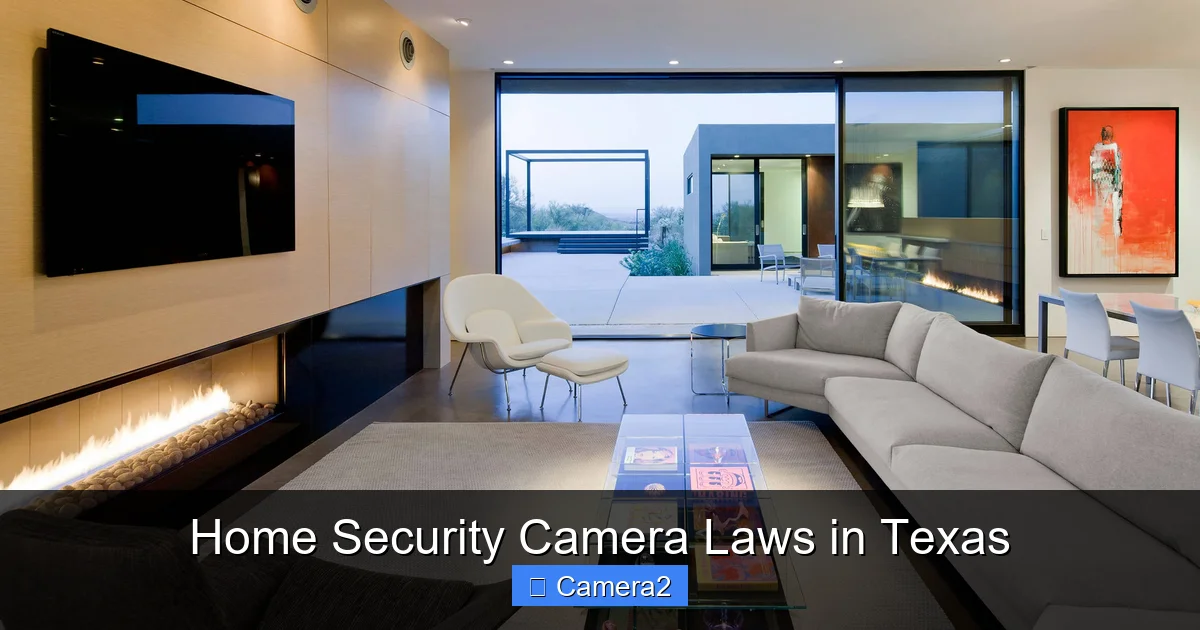
Texas lets you secure your home with cameras, but there are clear rules about where you can point them and what you can record. Understanding these home security camera laws in Texas helps you avoid privacy violations and stay on the right side of the law. Follow our guide to set up your system safely and legally.
Key Takeaways
- Public vs. private spaces: You may record your own property, but pointing cameras into neighbors’ yards or public sidewalks is prohibited.
- No audio without consent: Texas is a “one‑party consent” state, so you can record audio if at least one person (you) consents.
- Signage is optional but helpful: Posting signs can deter disputes and demonstrate good faith.
- Data storage matters: Securely store footage and delete it when it’s no longer needed to avoid liability.
- HOA rules still apply: Homeowners’ associations may have their own restrictions that override state guidelines.
- Legal use of footage: You can use video for personal security, but sharing it publicly may require additional permissions.
- Professional installations: Hiring experts, like those who handle commercial security camera installation Latexo, ensures compliance with wiring and placement standards.
📑 Table of Contents
- Introduction: Why Knowing the Law Matters
- 1. What Texas Law Says About Recording on Your Own Property
- 2. Where You Can and Cannot Point Your Cameras
- 3. Signage, Notice, and Good Faith Practices
- 4. Storing, Accessing, and Deleting Footage
- 5. Common Pitfalls and How to Avoid Them
- 6. Real‑World Examples and Tips for a Legal Setup
- Conclusion: Secure Your Home, Respect the Law
Introduction: Why Knowing the Law Matters
Imagine you’ve just installed a sleek 16 channel security camera system to keep an eye on your front porch, driveway, and backyard. The peace of mind is instant—until a neighbor knocks on your door complaining that your camera is looking into their garden. Suddenly, your home‑security upgrade feels risky.
That’s why it’s essential to understand the home security camera laws in Texas before you click “record.” Texas law balances a homeowner’s right to protect property with everyone’s right to privacy. This guide walks you through the rules, offers practical tips, and shows you how to stay safe, legal, and respectful.
1. What Texas Law Says About Recording on Your Own Property
1.1. You Own the Right to Monitor Your Space
Texas recognizes that property owners can install cameras on their land. The law does not forbid you from filming the interior of your home, your yard, or any area you control. This means you can watch for package theft, intruders, or even keep an eye on kids playing outside.
Visual guide about Home Security Camera Laws in Texas
Image source: glenviewdoors.com
1.2. The “No Reasonable Expectation of Privacy” Rule
While you can film your own property, you cannot capture areas where people have a reasonable expectation of privacy. This includes:
- Bathrooms and changing rooms.
- Inside neighboring homes or backyards that are fenced and shielded from view.
- Public sidewalks, streets, or parks that run alongside your house.
If a camera’s line of sight extends into any of these zones, you could be violating Texas privacy statutes and could face civil lawsuits.
1.3. One‑Party Consent for Audio Recording
Texas is a “one‑party consent” state under the Texas Penal Code § 16.02. This means you can legally record audio if at least one participant—usually yourself—consents. If your camera captures sound, you’re covered as long as you’re the one doing the recording. However, if you record a conversation between two other people without any of them being you, that could be illegal.
2. Where You Can and Cannot Point Your Cameras
2.1. Inside Your Home
Inside your house, you’re free to place cameras in any room—kitchen, living room, garage, or even a home office. The only exception is a bathroom or any area where a person might be undressed. Even then, many homeowners avoid cameras there to respect guests’ comfort.
Visual guide about Home Security Camera Laws in Texas
Image source: cloudfrontgharpediabucket.gharpedia.com
2.2. Exterior Views: Front Yard vs. Backyard
Front‑yard cameras are typically safe because they face the street, a public area. Backyard cameras are okay as long as they stay within the boundaries of your property and do not peer over fences into a neighbor’s yard. A good rule of thumb: imagine a line drawn from the camera lens—if it crosses into another property, reposition it.
2.3. Shared Spaces and HOA Rules
If you live in a community with a homeowners’ association (HOA), the HOA may have its own rules about camera placement. Some HOAs require approval before installing any exterior device. Always check your HOA’s covenant, conditions, and restrictions (CC&Rs) before mounting a camera on a shared wall or gate.
3. Signage, Notice, and Good Faith Practices
3.1. Do You Need a Sign?
Texas law does not require you to post a sign indicating that you’re recording. However, many experts recommend it. A simple “Security Cameras in Use” sign can:
Visual guide about Home Security Camera Laws in Texas
Image source: i.pinimg.com
- Reduce the chance of neighbor disputes.
- Show that you’re acting transparently.
- Provide a legal defense if someone claims they were unaware of being recorded.
3.2. How to Write an Effective Sign
Keep it short and clear. Example: “This property is under video surveillance for security purposes. Audio may be recorded.” Place the sign where it’s visible from the street or the main entry point.
3.3. Practical Tip: Combine Signage with Lighting
Install motion‑activated lights near the camera. The light alerts both you and any passerby that a camera is active, further reinforcing the “notice” aspect.
4. Storing, Accessing, and Deleting Footage
4.1. Choose Secure Storage Options
Most modern systems store video on cloud servers or local Network Video Recorders (NVRs). Whichever you pick, make sure the storage is encrypted and password‑protected. Weak passwords can lead to hacking, which opens a new legal can of worms.
4.2. Retention Policies
Texas does not set a specific retention period for private home footage, but common practice is to keep video for 30‑90 days. Delete older files to free up space and reduce the risk of accidental disclosure.
4.3. Sharing Footage Legally
You can share video with law enforcement if it helps an investigation. Sharing publicly—on social media or a neighborhood forum—should be done cautiously. Blur faces or license plates if you’re not sure the subjects consented to public exposure.
5. Common Pitfalls and How to Avoid Them
5.1. Accidentally Recording Audio in Public Areas
If a camera with a microphone points toward a public street, you might capture conversations of strangers. To avoid violating the one‑party consent rule, either turn off audio recording for outdoor cameras or position the mic away from the street.
5.2. Over‑looking HOA Restrictions
Skipping HOA approval can lead to fines or even forced removal of the camera. Always submit a brief plan showing camera locations, specifications, and a statement that the system complies with Texas privacy law.
5.3. Ignoring Neighbor Concerns
When a neighbor raises a concern, listen first. Often a simple adjustment—tilting the lens a few degrees—solves the issue without compromising security. Open communication builds goodwill and reduces the chance of a lawsuit.
5.4. Not Using Professional Installers
Improper wiring can cause fire hazards and may void insurance coverage. Hiring professionals, especially those experienced with commercial security camera installation Latexo, ensures the system meets electrical codes and works reliably.
6. Real‑World Examples and Tips for a Legal Setup
6.1. Example: Protecting a Front Door Without Invading Privacy
John installed a doorbell camera that faces his porch and the sidewalk. He set the camera angle so it stops at the property line, and he disabled audio recording during daytime hours. He also placed a small sign next to the doorbell: “Video surveillance in use.” This setup complies with Texas law and satisfies his neighbors.
6.2. Example: Monitoring a Parking Lot at Home
Sarah has a driveway that doubles as a small parking area for visitors. She uses a separate camera that records only the driveway and the portion of the street directly in front of her house. Because the view includes a public road, she turned off the built‑in microphone. She stores the footage on a secure cloud service and reviews it only when needed.
For more ideas on handling video from shared spaces, see our guide on parking lot security camera footage.
6.3. Tip: Use a Multi‑Channel System for Flexibility
A 16 channel security camera system lets you expand coverage as your needs grow, without buying new hardware each time. You can assign certain channels to indoor cameras (with audio) and others to outdoor cameras (audio off). This separation makes it easier to stay within the one‑party consent rule.
Learn more about choosing the right system in our article on 16 channel security camera system.
6.4. Tip: Regularly Review Camera Angles
Seasonal changes—like a new fence or a growing tree—can shift a camera’s line of sight. Conduct a quick walk‑around every spring and fall to verify that no lenses now point into a neighbor’s yard or a public area.
Conclusion: Secure Your Home, Respect the Law
Home security cameras are a powerful tool for protecting your property, loved ones, and peace of mind. By following the home security camera laws in Texas—respecting privacy boundaries, handling audio correctly, using signage, storing footage securely, and staying aware of HOA rules—you can enjoy the benefits without legal headaches.
Remember, the best security system is one that works for you *and* your community. Keep the lines of communication open, adjust your cameras when needed, and consider professional installation to guarantee compliance. With the right approach, your home will stay safe, and you’ll stay on the right side of the law.
Frequently Asked Questions
Can I record audio with my outdoor security camera in Texas?
Yes, Texas is a one‑party consent state, so you can record audio if you are the one doing the recording. However, avoid capturing conversations of strangers in public areas to stay clear of privacy issues.
Do I need to tell my neighbors that I have security cameras?
You are not legally required to notify neighbors, but posting a visible sign is a good practice. It reduces misunderstandings and shows you’re acting in good faith.
What should I do if a neighbor complains about my camera’s view?
Listen to their concern, then adjust the camera angle or add a physical barrier to keep the lens from pointing into their property. Simple tweaks often resolve the issue.
Can an HOA forbid me from installing a security camera?
Yes, HOAs can set additional restrictions. Review your HOA’s CC&Rs and obtain any required approvals before mounting cameras on shared structures.
How long can I keep video footage from my home cameras?
Texas law does not set a specific limit, but most experts recommend keeping footage for 30‑90 days and then deleting it unless it is needed for an ongoing investigation.
Is it illegal to post my home’s security footage online?
Posting footage publicly can violate privacy rights, especially if faces or license plates are visible. Blur identifying details or obtain consent before sharing.