How to Add Ram Memory to Laptop
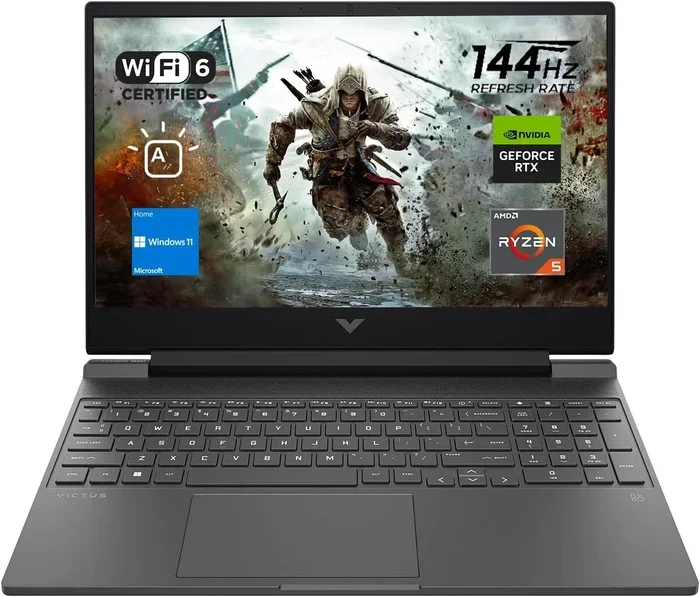
Adding RAM memory to your laptop is one of the easiest and most affordable ways to speed up your computer. This guide walks you through everything from checking your current memory to installing new modules. You will learn how to choose the right RAM, follow the upgrade process safely, and avoid mistakes that could damage your device.
Your laptop feels slow. Apps take forever to open. Your browser crashes with too many tabs. If this sounds familiar, the answer might be simpler than you think. Learning how to add ram memory to laptop can transform your daily computing experience in just minutes.
Random Access Memory, or RAM, is the short-term memory your laptop uses to handle tasks. When you run out of it, everything slows down. Adding more RAM is one of the most effective hardware upgrades you can perform. It costs less than a new laptop and delivers noticeable results right away.
Whether you are a student juggling multiple apps, a remote worker running video calls, or a casual user who wants a faster machine, this guide covers everything you need. We will walk you through checking your current memory, choosing the right module, and completing the laptop memory upgrade step by step. No tech degree required.
Key Takeaways
- Check your current RAM first: Knowing what you have helps you choose the right upgrade.
- Match the RAM type to your laptop: DDR4 and DDR3 are not interchangeable, and SO-DIMM modules are required for most laptops.
- Follow each installation step carefully: Proper handling and seating of the module prevents damage.
- Avoid common mistakes: Overbuying, ignoring compatibility, and skipping static precautions are the top errors users make.
- Seek help when unsure: If you feel uncomfortable, a professional can handle the upgrade safely.
- Upgrading improves multitasking and speed: More memory means smoother performance for work, gaming, and browsing.
📑 Table of Contents
- Why Adding RAM to Your Laptop Makes a Difference
- How to Check Your Current RAM
- What Type of RAM Does Your Laptop Need
- Step-by-Step Guide to Adding RAM
- Common Mistakes to Avoid When Adding RAM
- When to Seek Professional Help
- How Much RAM Do You Really Need
- Benefits of Upgrading Your Laptop RAM
- Final Thoughts
Why Adding RAM to Your Laptop Makes a Difference
Think of RAM as your laptop’s short-term workspace. The more workspace you have, the more tasks your computer can handle at once. When your RAM fills up, your laptop starts using your hard drive as temporary storage, which is much slower.
How RAM Affects Everyday Performance
Every time you open a browser, launch a game, or switch between apps, your laptop uses RAM. If you have limited memory, your system struggles to keep everything running smoothly. Here is what more RAM gives you:
- Faster multitasking: Run several apps without lag or freezing.
- Smoother browsing: Keep more browser tabs open without crashes.
- Better gaming: Many games require a minimum amount of memory to run properly.
- Quicker file handling: Large documents and spreadsheets load and respond faster.
- Improved video calls: Video conferencing uses memory, and extra RAM keeps calls stable.
Before you start, it helps to understand what you are working with. Use our guide on how to check RAM memory in laptop to see your current setup. This tells you how much memory you have and whether your laptop supports adding more.
How to Check Your Current RAM
Knowing your current memory status is the first step before any upgrade. You need to know how much RAM you have, what type it is, and whether free slots are available. This information prevents you from buying the wrong module.
Checking RAM on Windows
On a Windows laptop, the process is straightforward. Open the Task Manager by pressing Ctrl + Shift + Esc. Click on the Performance tab and select Memory. You will see your total RAM, the type (such as DDR4), and how many slots are in use.
Another quick method is to search for “About” in the Start menu. Select About This PC to see your installed memory at a glance. For a more detailed view, use a free tool like CPU-Z, which shows every detail about your current modules.
Checking RAM on macOS
Mac users can click the Apple menu and select About This Mac. The memory section shows your total RAM and the type. Unfortunately, most Mac laptops have soldered memory, meaning you cannot upgrade them. However, Intel-based MacBooks from earlier years often allow memory upgrades.
What Type of RAM Does Your Laptop Need
Not all RAM is the same. Choosing the right type is critical for a successful upgrade. The wrong module simply will not work, even if it physically fits. Let us break down what you need to know.
Understanding DDR Generations
RAM comes in different generations, and each generation has a different connector shape and speed. The most common types you will encounter are:
- DDR3: An older standard still found in many laptops. It runs at lower speeds but is still useful for basic tasks.
- DDR4: The current mainstream standard. It offers better speed and efficiency than DDR3.
- DDR5: The newest generation, found in high-end and newer laptops. It provides the fastest performance available today.
Mixing DDR generations is not possible. Your laptop motherboard only supports one type. Always confirm your laptop model’s RAM specifications before purchasing.
SO-DIMM vs. Desktop RAM
Laptops use smaller memory modules called SO-DIMM (Small Outline Dual In-Line Memory Module). They are roughly half the size of desktop RAM sticks. Never buy desktop RAM for a laptop. The physical difference means desktop modules will not fit into laptop slots.
Speed and Frequency
RAM speed is measured in megahertz (MHz). Higher numbers mean faster data transfer. However, your laptop’s processor and motherboard set a limit on the maximum speed it can support. Buying RAM that exceeds this limit will still work, but it will run at the maximum supported speed. Look for modules between 2400 MHz and 3200 MHz for the best balance of performance and value.
Step-by-Step Guide to Adding RAM
Now that you have the right module, it is time to install it. The process is simpler than most people expect. You do not need expensive tools or advanced technical skills. Just follow these steps carefully.
Step 1: Gather Your Tools
You need very little to complete this upgrade:
- A new SO-DIMM RAM module compatible with your laptop.
- A small Phillips-head screwdriver.
- A soft, clean workspace.
- An anti-static wrist strap (optional but recommended).
Having everything ready before you start keeps the process smooth and stress-free.
Step 2: Power Down and Prepare
Turn off your laptop completely. Unplug the power adapter and remove any connected peripherals. If your laptop has a removable battery, take it out. This prevents electrical damage during the installation process.
Press and hold the power button for about 15 seconds. This drains any remaining electricity from the motherboard and reduces the risk of static discharge.
Step 3: Open the Laptop Back Panel
Flip your laptop over and locate the screws holding the back panel. Use your screwdriver to remove them carefully. Keep the screws in a small bowl or magnetic mat so you do not lose them. Gently pry the panel off using a plastic spudger or your fingernail.
Some laptops have a dedicated RAM access panel on the bottom. Others require removing the entire back cover. Check your laptop model’s manual or a quick online search to find the correct access point.
Step 4: Locate the RAM Slots
Once the panel is off, you will see your existing RAM modules. They are long, thin sticks held in place by small clips on each end. If one slot is already occupied, you will see a free slot next to it. If both slots are full, you will need to replace one or both modules with higher-capacity ones.
For more detailed instructions on this process, you can refer to our guide on how to install RAM in laptop for visual and step-by-step support.
Step 5: Install the New RAM Module
Handle the new module by the edges. Avoid touching the gold connectors on the bottom. Align the notch on the module with the ridge inside the slot. At a 30 to 45 degree angle, gently push the module into the slot.
Press down firmly until the clips on both ends click into place. The module should be fully seated and horizontal. If it feels loose or the clips do not lock, remove it and try again.
Step 6: Close Up and Test
Replace the back panel and screw it back in securely. Reconnect the battery if you removed it. Plug in the power adapter and turn on your laptop.
Once your laptop boots, check the memory again using the Task Manager or System Information. You should see the new total capacity reflected. If the system does not recognize the new module, try reseating it or testing it in the other slot.
Common Mistakes to Avoid When Adding RAM
Even with the best intentions, mistakes happen during RAM upgrades. Knowing what to avoid saves you time, money, and frustration.
Buying Incompatible RAM
The most common error is purchasing RAM that does not match your laptop’s specifications. Always double-check the type (DDR3, DDR4, DDR5), the form factor (SO-DIMM), and the maximum capacity your laptop supports. Buying the wrong module means returning it and waiting for a replacement.
Ignoring Maximum Capacity Limits
Every laptop has a maximum memory limit. This is set by the processor and motherboard. If your laptop supports 16 GB maximum, installing 32 GB will not work. Check your laptop manufacturer’s website or user manual for the supported capacity before you buy.
Skipping Anti-Static Precautions
Static electricity can damage sensitive electronic components. Always touch a grounded metal surface before handling RAM modules. Working on a hard floor rather than a carpeted area also reduces static buildup. An anti-static wrist strap is a small investment that protects your hardware.
Forcing the Module Into Place
RAM modules should slide in with firm but gentle pressure. If you feel resistance, stop and check the alignment. Forcing a module can bend the pins and ruin both the module and the slot. Patience is your best friend during installation.
When to Seek Professional Help
Most laptop RAM upgrades are simple and safe. However, some situations call for professional assistance. If your laptop is still under warranty, opening it yourself may void the coverage. Contact the manufacturer or an authorized service center instead.
Some ultrabooks and thin laptops have sealed or soldered memory that cannot be upgraded. In these cases, external storage or optimizing your current memory usage is the best path forward. If you feel uncertain at any point during the process, a local computer repair shop can handle the upgrade for a small fee.
For users who want to explore broader upgrade options, learning how to upgrade RAM on a laptop gives you a solid foundation for future projects.
How Much RAM Do You Really Need
The right amount of RAM depends on how you use your laptop. Here is a quick breakdown of recommended memory for different use cases:
- 4 GB: Basic web browsing and document editing only. This is the minimum for Windows 10 or 11 but feels limiting.
- 8 GB: The sweet spot for everyday users. Handles browsing, office work, and light multitasking with ease.
- 16 GB: Ideal for content creators, gamers, and professionals running demanding software.
- 32 GB or more: Best for video editing, 3D rendering, software development, and heavy multitasking.
Most modern laptops come with 8 GB of memory. Adding another 8 GB stick to reach 16 GB is the most popular upgrade path. It delivers a significant performance boost without breaking the bank.
Benefits of Upgrading Your Laptop RAM
Once you complete the upgrade, you will notice immediate improvements. Here are the key benefits of adding memory to your laptop:
- Faster boot times: Your laptop starts up more quickly with additional memory available.
- Smoother multitasking: Switch between apps without waiting or experiencing slowdowns.
- Extended laptop lifespan: A memory upgrade can make an older laptop feel new again.
- Cost savings: RAM is affordable compared to buying a new computer.
- Better gaming performance: Many games benefit from extra memory, reducing stuttering and load times.
The entire process, from purchasing the right module to completing the installation, typically takes less than 30 minutes. It is one of the highest-impact upgrades you can perform on any laptop.
Final Thoughts
Learning how to add ram memory to laptop is a skill that pays dividends every single day. You save money, extend the life of your device, and enjoy a noticeably faster computing experience. The process is straightforward, requires minimal tools, and does not demand technical expertise.
Start by checking your current memory, choose a compatible module, and follow the installation steps carefully. Avoid the common mistakes outlined in this guide, and you will have a successfully upgraded laptop in no time. Whether you are a beginner or a seasoned user, this is one of the best upgrades you can do for your machine.
Take action today. Your laptop is waiting for that extra boost. Open up the back panel, seat that new module, and feel the difference immediately.
Frequently Asked Questions
Can I add RAM to any laptop?
Not all laptops allow RAM upgrades. Many modern ultrabooks and thin devices have soldered memory that cannot be replaced or expanded. Check your laptop model’s specifications to confirm whether it has removable RAM slots before purchasing a new module.
How much does it cost to add RAM to a laptop?
The cost varies depending on the type and capacity of the module. An 8 GB DDR4 SO-DIMM typically ranges from $20 to $50. Prices have dropped significantly in recent years, making RAM upgrades one of the most affordable hardware improvements you can make.
Can I mix different brands of RAM?
Yes, you can mix RAM brands as long as the type, speed, and form factor match. However, for the best stability and performance, using matching pairs from the same manufacturer is recommended. Mismatched modules may still work but could cause minor compatibility issues.
Will adding RAM improve my laptop’s battery life?
Adding RAM does not directly improve battery life. However, it can reduce the strain on your processor and storage drive, which may lead to slightly better efficiency. The primary benefit of extra RAM is improved performance and multitasking capability.
How do I know if my laptop has a free RAM slot?
Use the Task Manager on Windows or System Information on macOS to check your current memory configuration. If you see fewer modules installed than the total number of slots, you have a free slot available for a new module.
Is it safe to upgrade laptop RAM myself?
Yes, upgrading laptop RAM is generally safe and straightforward. Just make sure to power off your laptop, disconnect all peripherals, and handle the modules carefully by the edges. If you follow the steps in this guide, you should have no issues completing the upgrade successfully.