Is 8 Gb Ram Good for Laptop
Yes, 8 GB RAM is good for a laptop and handles everyday tasks like browsing, streaming, and office work with ease. However, heavy users, gamers, and professionals may need more memory for smooth performance. This guide breaks down exactly who benefits from 8 GB and when an upgrade makes sense.
Is 8 GB RAM good for laptop use? This is one of the most common questions people ask when buying or upgrading a computer. The short answer is yes — for most users, 8 GB of memory provides a smooth and responsive experience. But the full answer depends on what you do with your laptop every day.
Random Access Memory, or RAM, is the short-term memory your laptop uses to handle active tasks. Think of it as your computer’s workspace. The more space you have, the more things you can open at once without slowdowns. 8 GB has been the standard for budget and mid-range laptops for several years now, and it still holds up well for everyday needs.
In this article, we will cover exactly what 8 GB RAM can handle, who benefits from it, and when you should consider adding more memory. Whether you are a student, a remote worker, or a casual gamer, you will find clear answers here.
Key Takeaways
- 8 GB RAM is sufficient for most casual and everyday laptop users.
- Multitasking and light gaming work well with 8 GB of memory.
- Content creators and professionals may need 16 GB or more.
- Upgrading RAM is one of the easiest and most affordable ways to boost laptop speed.
- DDR4 and DDR5 RAM are the two main types you will find in modern laptops.
- Check your usage habits before deciding if 8 GB is enough for you.
📑 Table of Contents
What Does 8 GB RAM Mean for Your Laptop?
RAM is temporary storage that your laptop uses while it is running. When you open a browser, a game, or a video editor, that program loads into RAM. The more RAM you have, the more programs you can run at the same time without lag.
With 8 GB of RAM, your laptop can comfortably handle:
- Web browsing with multiple tabs open
- Streaming videos on Netflix, YouTube, or Spotify
- Microsoft Office tasks like Word, Excel, and PowerPoint
- Email and video calls on Zoom or Teams
- Light photo editing
- Casual and mid-level gaming
Most laptop users fall into this everyday category. If your daily routine looks like this, 8 GB is a solid choice. It keeps things fast without wasting money on memory you do not need.
That said, RAM is not the only factor in laptop speed. Your processor, storage type (SSD vs HDD), and RAM speed also play big roles. A laptop with 8 GB RAM and a fast SSD will feel much quicker than one with 16 GB RAM and an old hard drive.
How RAM Affects Everyday Performance
When you open an app, it loads from your storage drive into RAM. The processor then pulls data from RAM to run the app. If you run out of RAM space, your laptop starts using your storage drive as temporary memory. This is called swapping, and it slows everything down significantly.
With 8 GB, most users will not hit this limit during normal use. But if you open 30 browser tabs, run a heavy program, and stream a video all at once, you might notice some slowdown. This is where knowing your habits matters.
Who Benefits Most from 8 GB RAM?
Not everyone needs the same amount of memory. Let us look at the groups of people who get the most value out of 8 GB RAM in a laptop.
Students and Learners
Students who use laptops for research, writing papers, and watching lectures will find 8 GB more than enough. You can have a browser with research tabs open, a word processor running, and a video playing in the background without any issues.
For students on a budget, a laptop with 8 GB RAM offers the best balance of price and performance. You save money on memory and can spend it on a better processor or a higher-quality screen.
Remote Workers and Professionals
If your job involves email, video conferencing, document editing, and light spreadsheet work, 8 GB RAM handles all of that easily. Many business professionals have used 8 GB laptops for years without any problems.
However, if your work involves heavy data analysis, running virtual machines, or using resource-intensive software like AutoCAD, you will want to look at 16 GB RAM or more for a smoother experience.
Casual Gamers
Many popular games run well on 8 GB RAM. Titles like Minecraft, indie games, older AAA games, and esports games like Fortnite or League of Legends perform nicely with 8 GB of memory.
But if you want to play the latest triple-A games on high settings, you will likely need more RAM. 16 GB is becoming the new standard for gaming laptops, and it is worth considering if gaming is a priority for you.
When Is 8 GB RAM Not Enough?
There are clear situations where 8 GB falls short. Knowing these helps you avoid frustration and choose the right laptop from the start.
Content Creation and Video Editing
Video editing, graphic design, and music production demand a lot of memory. Programs like Adobe Premiere Pro, After Effects, and Blender use significant RAM to render and preview projects.
With only 8 GB, you may experience:
- Slow rendering times
- Crashes during heavy editing
- Difficulty previewing high-resolution footage
- Lag when running multiple creative apps
For these tasks, 16 GB or 32 GB RAM is strongly recommended. If you are serious about content creation, investing in more memory upfront saves you from constant slowdowns.
Heavy Multitasking
Do you regularly have 20 or more browser tabs open while running several applications? If so, 8 GB might feel tight. Heavy multitaskers benefit greatly from 16 GB or more because it gives the laptop room to juggle many active programs at once.
Programming and Development
Software developers often run multiple tools at once — code editors, browsers with documentation, local servers, and testing environments. While some developers work fine on 8 GB, others find that 16 GB makes a noticeable difference in workflow speed and comfort.
Future-Proofing Your Laptop
Software keeps getting heavier over time. The apps you use today may demand more RAM in a year or two. Choosing 16 GB now can help your laptop stay relevant longer. If you plan to keep your laptop for five years or more, extra memory is a smart investment.
8 GB vs Other RAM Sizes: A Comparison
Understanding how 8 GB stacks up against other options helps you make a confident decision. Here is a simple comparison of common RAM sizes for laptops.
| RAM Size | Best For | Price Range | Performance Level |
|---|---|---|---|
| 4 GB | Basic browsing, very light tasks | Lowest | Basic |
| 8 GB | Everyday use, students, casual gaming | Budget-friendly | Good |
| 16 GB | Heavy multitasking, gaming, content creation | Mid-range | Very Good |
| 32 GB | Professional workstations, heavy editing | Higher | Excellent |
| 64 GB | Enterprise use, 3D rendering, data science | Highest | Top Tier |
As you can see, 8 GB RAM hits a sweet spot between cost and capability. It is the most popular option in budget-friendly and mainstream laptops for good reason.
If you are comparing options, keep in mind that is 8GB RAM enough for laptop depends entirely on your use case. A student will have a very different answer than a video editor.
Can You Upgrade Laptop RAM Later?
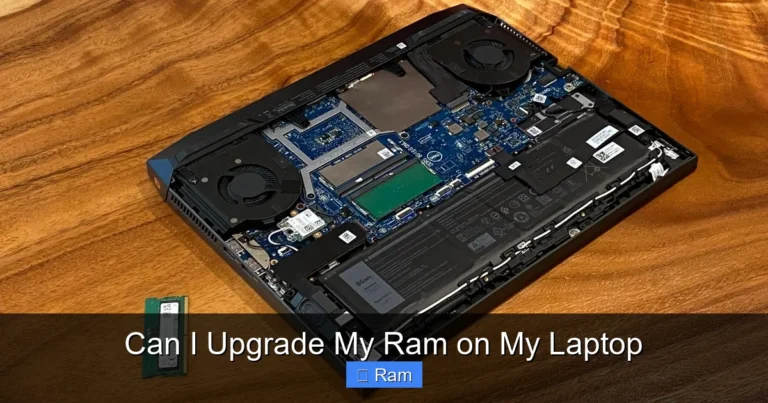
Some laptops allow you to add more RAM after purchase, while others have memory soldered to the motherboard. Before buying, check whether your laptop model supports RAM upgrades. If it does, starting with 8 GB and adding more later is a smart and cost-effective strategy.
How to Get the Most Out of 8 GB RAM
If you already have a laptop with 8 GB RAM or are planning to buy one, there are several ways to maximize its performance.
Close Unused Programs and Tabs
Every open program uses RAM, even when minimized. Get into the habit of closing apps and browser tabs you are not actively using. This frees up memory for the tasks that matter most.
Disable Startup Programs
Many laptops load unnecessary programs when you turn them on. Go to your task manager and disable startup apps you do not need right away. This gives your RAM more breathing room from the moment you start working.
Use a Lightweight Browser
Some web browsers use less RAM than others. If you have 8 GB and notice slowdowns with many tabs, try switching to a lighter browser or using tab management extensions to reduce memory use.
Keep Your System Updated
Operating system updates often include performance improvements and memory management fixes. Keeping your laptop updated ensures you are getting the best efficiency from your 8 GB of RAM.
Consider an SSD Upgrade
If your laptop still uses a hard drive (HDD), upgrading to a solid-state drive (SSD) will dramatically improve speed. An SSD works hand-in-hand with your RAM to keep everything running smoothly.
Should You Upgrade from 8 GB RAM?
This depends on your current experience and what you plan to do with your laptop. If 8 GB feels fast and responsive for your daily tasks, there is no urgent need to upgrade.
But if you find yourself constantly waiting for apps to load, experiencing browser crashes, or struggling through simple tasks, your laptop might be crying out for more memory. In these cases, upgrading to 16 GB RAM can feel like getting a new laptop without the full price tag.
When is 8GB RAM enough for laptop use? For most people doing everyday tasks, the answer is yes. But power users and professionals should strongly consider 16 GB or more.
If you are on the fence, ask yourself these questions:
- Do I regularly use more than 5-6 browser tabs?
- Do I run heavy software like video editors or design tools?
- Do I play modern games at high settings?
- Do I notice slowdowns during my daily work?
- Do I plan to keep this laptop for more than 3 years?
If you answered yes to three or more of these, it is time to look at laptops with more RAM. Otherwise, 8 GB RAM is a reliable and practical choice that will serve you well.
The Bottom Line on 8 GB RAM for Laptops
So, is 8 GB RAM good for laptop use? Absolutely. For the majority of users, 8 GB provides a fast, smooth, and enjoyable computing experience. It handles everyday tasks, light gaming, and productivity work without breaking a sweat.
The key is understanding your own needs. If you are a casual user or a student, 8 GB is a great fit. If you are a power user or a creative professional, you may want to step up to 16 GB or more.
RAM is one of the easiest and most affordable upgrades you can make. Whether you are buying a new laptop or upgrading an existing one, knowing how much memory you need puts you ahead of most buyers. Choose based on your workflow, plan for the future, and you will get the most value from your investment.
For more details on how much RAM is good for a laptop, check out our guide on how much RAM is good for a laptop to explore all the options available to you.
Frequently Asked Questions
Is 8 GB RAM enough for a laptop in 2024?
Yes, 8 GB RAM is still enough for most laptop users in 2024. It handles everyday tasks like browsing, streaming, office work, and casual gaming without any issues. However, if you do heavy video editing, programming, or play the latest games, you may want 16 GB or more.
Can I upgrade my laptop from 8 GB to 16 GB RAM?
Many laptops allow RAM upgrades, but not all of them. Check your laptop model to see if it has a removable RAM slot. If it does, upgrading from 8 GB to 16 GB is usually simple and affordable. Some thin laptops have soldered RAM, which means you cannot upgrade after purchase.
What is the difference between 8 GB and 16 GB RAM?
The main difference is how much multitasking you can handle smoothly. With 8 GB, you can do everyday tasks comfortably. With 16 GB, you can run heavier programs, more browser tabs, and demanding software without slowdowns. Think of 16 GB as future-proofing your laptop.
Does RAM speed matter as much as RAM size?
RAM size matters more for most users. Having 8 GB of fast RAM is better than having 16 GB of slow RAM for everyday tasks. However, if you are doing heavy workloads like video editing or data processing, both size and speed become important factors in performance.
Is 8 GB RAM good for gaming on a laptop?
8 GB RAM is good for casual and mid-level gaming. Many popular games run well with 8 GB of memory. But if you want to play the newest AAA games on high settings or stream while gaming, 16 GB RAM will give you a much better experience.
How do I check how much RAM my laptop has?
On Windows, right-click your taskbar and open Task Manager. Go to the Performance tab and click on Memory. It will show you how much RAM you have and how much you are currently using. On a Mac, click the Apple menu, choose About This Mac, and look for the Memory section.