Ideal Height for Surround Sound Speakers
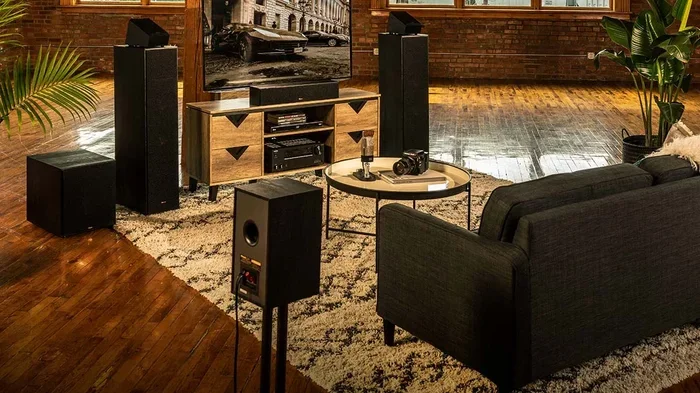
Getting the ideal height for surround sound speakers transforms your movie nights. Proper placement ensures sound comes from all around you, not just the front. This guide reveals exact measurements and simple tricks. You will learn how to position speakers for the best immersive audio. Read on to upgrade your home theater setup today.
Setting up a home theater is exciting. You want every explosion and whisper to feel real. The secret often lies in speaker placement. Many people focus on the front speakers but forget the surrounds. That is a big mistake. The ideal height for surround sound speakers makes a huge difference in how you hear movies and music.
Imagine sitting in your favorite chair. You hear a helicopter flying overhead. Or a car passing behind you. This magic happens when speakers are in the right spot. If they are too low, the sound feels muddy. If they are too high, you lose the connection. Finding the sweet spot takes a little know-how. But it is worth the effort.
This guide will walk you through everything you need to know. We will cover standard placements, Dolby Atmos setups, and common mistakes. You do not need to be an audio engineer. Just follow these simple steps. Your ears will thank you. Let us dive into the world of perfect audio placement.
Key Takeaways
- Ear Level is Key: Position surround speakers at or slightly above ear level for the best sound.
- Room Size Matters: Larger rooms may need higher placement to spread sound evenly.
- Dolby Atmos Adds Height: Consider height speakers for a true three-dimensional audio experience.
- Avoid Wall Reflections: Keep speakers away from corners to reduce bass boom and distortion.
- Test and Adjust: Always listen and tweak positions until the soundstage feels natural.
- Use Proper Mounts: Wall mounts or stands help achieve precise height and stability.
- Check Speaker Specs: Different speaker types may have unique placement recommendations.
📑 Table of Contents
Why Height Matters for Your Surround Sound
Sound behaves like light in many ways. It travels in waves and bounces off surfaces. When you place a speaker, you control where those waves go. The height of your surround speakers changes how sound reaches your ears. Proper height creates a wide soundstage. This makes the audio feel like it is coming from all around you.
Think about how you hear things in real life. If someone talks to you from below, it sounds different than from eye level. Your brain expects sound to come from certain directions. Home theater systems try to trick your brain. They create a fake environment where sound moves naturally. If the speakers are at the wrong height, the trick fails. The immersion breaks.
Getting the height right also helps with clarity. Low placement can cause too much bass buildup. High placement might make dialogue hard to hear. You want a balanced sound. This balance lets you hear subtle details. You might notice background noises you missed before. The ideal height for surround sound speakers ensures you get the full effect of the mix.
The Science of Sound Propagation
Sound waves spread out from the speaker cone. They travel directly to your ears. They also bounce off floors and ceilings. When a speaker is too low, the floor reflection interferes with the direct sound. This can make speech sound muddy. When a speaker is too high, ceiling reflections may cause echoes.
Most home theater experts agree on a general rule. You want the tweeter, which handles high frequencies, near your ear level. This is when you are sitting down. High frequencies are directional. They need a clear path to your ears. Mid and bass frequencies spread more evenly. But the tweeter position is key for detail.
Room acoustics play a role too. Hard floors reflect sound differently than carpets. High ceilings change how sound moves. You might need to adjust based on your specific room. But starting with the standard height gives you a solid base. You can then tweak from there.
Finding the Ideal Height for Surround Sound Speakers
So, what is the magic number? For most setups, the ideal height for surround sound speakers is at or slightly above ear level. When you sit in your main listening spot, measure from the floor to your ears. That is your target zone. Usually, this is around 3 to 4 feet off the ground. But it depends on your furniture.
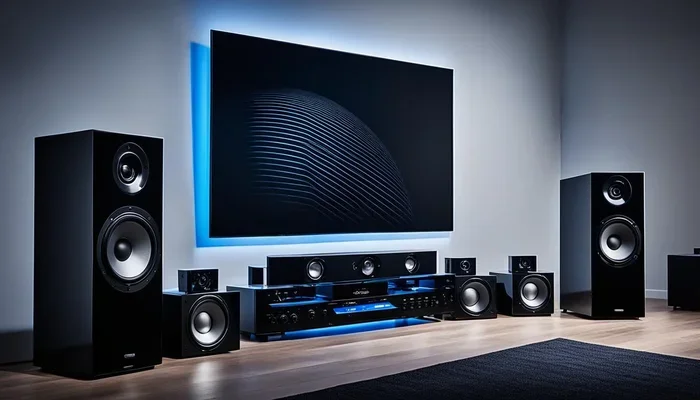
Visual guide about surround sound speaker setup
Image source: hometheaterreviewpro.com
If you use a sofa, measure from the seat cushion. If you use a recliner, measure while reclined. The goal is to match the speaker height to your head height. This creates the most natural listening angle. You do not want to look up or down to hear the surround effects. The sound should feel like it is happening around you, not above or below you.
Some systems suggest placing surrounds slightly higher. This can help spread sound across multiple listeners. If you have a wide couch, higher placement might help everyone hear well. But do not go too high. A good rule is no more than 1 to 2 feet above ear level. This keeps the sound connected to the action on screen.
Measuring Your Listening Position
Grab a tape measure. Sit in your favorite spot. Have a friend measure from the floor to your ears. Write down that number. This is your baseline. Now check where your current speakers sit. Are they lower? Higher? This tells you what needs to change.
Remember to account for speaker size. Some speakers sit on stands. Others mount on walls. The measurement should include the speaker itself. You want the tweeter at ear level. If the speaker box is tall, the bottom of the box might be lower. Focus on the driver that produces the most detail.
Here is a simple checklist for measuring:
- Sit normally: Sit how you watch movies. Do not slouch or sit up straighter than usual.
- Use a friend: It is hard to measure yourself. Get help for accuracy.
- Check multiple spots: If you have more than one seat, measure each one.
- Note furniture height: Sofas and chairs add height. Include them in your measurement.
Adjusting for Different Room Sizes
Room size changes things. A small bedroom needs different placement than a large living room. In a small room, speakers close to you need to be precise. The sound field is tighter. In a large room, sound has more space to travel. You might raise the speakers a bit to cover more area.
For large open spaces, consider the distance from the listening spot. If the surrounds are far away, height helps project the sound. But keep the angle reasonable. You still want to feel connected to the screen. The ideal height for surround sound speakers adapts to your space. There is no one-size-fits-all rule. Test and listen.
Dolby Atmos and Height Speakers
Technology moves fast. Dolby Atmos adds a new dimension to sound. It creates overhead effects. This means you need speakers that fire sound upwards or from the ceiling. This is different from standard surround speakers. But it still relates to height placement.
If you have Atmos, you might add height speakers for Dolby Atmos. These can be upward-firing modules. They sit on top of your front or surround speakers. They bounce sound off the ceiling to your ears. Or you can install speakers in the ceiling. Both methods aim to create a vertical sound field.
For upward-firing speakers, placement is still key. They need a clear path to the ceiling. Do not block them with furniture. The ceiling should be flat and reflective. A high ceiling might weaken the effect. A low ceiling works better for bouncing sound. Check your system manual for specific height recommendations.
Integrating Atmos with Traditional Surrounds
Many people start with a 5.1 system. Then they add Atmos later. This creates a 5.1.2 or 7.1.4 system. You keep your standard surrounds. You add height elements. The goal is to blend them smoothly. The standard surrounds handle side and back effects. The height speakers handle overhead effects.
When mixing these, keep your standard surrounds at the ideal height for surround sound speakers. Do not move them just because you added Atmos. Let each set of speakers do its job. This layered approach gives you the most immersive experience. You get sound all around and above you.
Here is a quick comparison of speaker types and their typical height needs:
| Speaker Type | Typical Height Placement | Best For |
|---|---|---|
| Standard Surround | Ear level or slightly above | General home theater, 5.1 or 7.1 systems |
| Height Speakers (Atmos) | Ceiling or upward-firing on top of speakers | Overhead effects, immersive audio |
| Wall-Mounted Surrounds | Ear level when seated | Saving floor space, clean look |
| Speaker Stands | Adjustable to ear level | Flexibility, precise positioning |
Mounting Options for Optimal Height
Getting the right height often requires the right gear. You might need mounts or stands. Floor stands are simple. They let you adjust height easily. Just move the stand up or down. This is great for testing different positions. But they take up floor space.
Wall mounts are popular for a clean look. They hide wires and save space. A wall mount for surround speakers lets you place speakers exactly where you want. You can mount them at ear level on the side walls. This works well in living rooms where floor space is tight.
If you mount on walls, check the wall type. Drywall needs strong anchors. Brick or concrete needs special drills. Make sure the mount holds the speaker weight. Safety first. You do not want a speaker falling on your head. Also, think about wire management. Hide cables behind the wall if possible. This keeps the look tidy.
Using Speaker Stands
Stands offer great flexibility. You can move them as you test. Speaker stands for surround speakers come in many heights. Some are tall, some are short. Choose one that reaches your ear level. Make sure the stand is stable. A wobbly stand is dangerous and annoying.
When using stands, consider the footprint. They need space on the floor. In a small room, this might be an issue. But in a dedicated theater room, stands work well. You can also add isolation pads. These reduce vibration. Vibration can muddy the sound. Isolation helps keep the audio clean.
Wall Mounting Tips
Wall mounting looks professional. It also keeps speakers at a fixed height. Once you find the ideal height for surround sound speakers, you can lock them in. Use a level to make sure they are straight. Angled speakers can change the sound direction. Keep them parallel to the floor unless your manual says otherwise.
Some people worry about drilling holes. But the result is worth it. You can paint the mounts to match the wall. This makes them blend in. You can also use low-profile mounts. They stick out less from the wall. This reduces the chance of bumping into them.
Common Mistakes to Avoid
Even with good info, mistakes happen. Avoiding these pitfalls saves you time and frustration. Here are some common errors people make with speaker height.
Placing Speakers Too Low
This is the most common mistake. People put speakers on low shelves or the floor. This blocks the high frequencies. The sound becomes boomy and unclear. Dialogue gets hard to understand. Always aim for ear level. If you must go lower, angle the speakers up. But height is better.
Ignoring the Listening Position
Some people measure from standing height. But you watch movies sitting down. Standing height is too high. Your ears are higher when you stand. Always measure while seated. This ensures the sound matches your actual experience.
Forgetting About Reflections
Walls and floors bounce sound. If a speaker is too close to a wall, the reflection interferes. This can cause harshness or boominess. Keep surrounds a fair distance from walls. The ideal height for surround sound speakers also considers distance. Balance height and position for the best result.
Not Testing Different Heights
You might think you know the right height. But your ears are the best tool. Try moving speakers up or down a few inches. Listen to the difference. Small changes can make a big impact. Do not settle for the first spot. Test until it sounds right to you.
Expert Tips for Perfect Placement
Want to take your setup to the next level? Here are some pro tips. These come from experienced audio enthusiasts and installers. They help you get the most from your system.
Use the 30-Degree Rule
A common guideline is the 30-degree rule. This suggests placing surround speakers at a 30-degree angle behind the listening position. This works with the height placement. The angle and height together create a natural sound field. You hear effects from the side and back smoothly.
Consider Your Seating Arrangement
If you have multiple seats, think about everyone. The primary seat gets the best placement. Secondary seats might have a slightly different angle. Try to find a height that works for most people. Slight compromises are okay. The goal is good sound for the group.
Check Speaker Specs
Manufacturers often give placement advice. Read the manual. Some speakers are designed for wall mounting. Others work best on stands. Some have specific height recommendations. Following the maker’s advice ensures you get the intended performance.
Hide Wires for a Clean Look
Visible wires ruin the aesthetic. Plan your wiring before you mount speakers. Use in-wall rated cables if you drill through walls. Or use raceways to hide wires along the surface. A clean setup makes the experience more enjoyable. You focus on the movie, not the clutter.
Test with Real Content
Test tones are useful. But real movies and music are better. Play content you know well. Listen for dialogue clarity. Check how sound effects move around you. Does the helicopter sound like it is above you? Does the car pass smoothly behind? Adjust until the experience feels real.
Quick Tips for Setup Success
Here are some fast tips to keep in mind during your setup:
- Start with ear level: Use this as your baseline before adjusting.
- Use a laser level: It helps mark wall mount positions accurately.
- Label your wires: This makes troubleshooting easier later.
- Check balance: Ensure left and right surrounds are at the same height.
- Listen in different modes: Test stereo, surround, and Atmos modes if available.
Conclusion
Setting up your home theater is a rewarding project. The ideal height for surround sound speakers is a crucial piece of the puzzle. When you get it right, the audio comes alive. Movies feel more real. Music sounds richer. Games become more immersive. You do not need expensive gear to start. Just pay attention to placement.
Remember the basics. Aim for ear level when seated. Adjust for your room size and seating. Consider adding height speakers for Dolby Atmos if you want that extra dimension. Use stands or wall mounts to achieve the right position. Avoid common mistakes like placing speakers too low. Test and tweak until it sounds perfect to your ears.
Your home theater should be a place of escape. Great sound makes that escape believable. Take the time to set up your surrounds correctly. You will enjoy every movie night more. Share this guide with friends who love audio. Help them create their own immersive spaces. Happy listening!
Frequently Asked Questions
What is the ideal height for surround sound speakers?
The ideal height for surround sound speakers is at or slightly above ear level when seated. This usually means placing the tweeter around 3 to 4 feet off the floor. Adjust based on your furniture and room layout for the best results.
Should surround speakers be above or below ear level?
Surround speakers work best at or slightly above ear level. Placing them too low can cause muddy sound due to floor reflections. Slightly higher placement can help spread sound across wider seating areas, but avoid going too high.
How high should Dolby Atmos height speakers be?
Dolby Atmos height speakers can be ceiling-mounted or upward-firing modules placed on top of existing speakers. Upward-firing speakers need a clear path to a flat ceiling. Ceiling speakers should be directly above or slightly in front of the listening position for optimal overhead effects.
Can I mount surround speakers on the wall?
Yes, wall mounting is a great option for surround speakers. It saves floor space and lets you place speakers at precise ear level. Use a sturdy wall mount for surround speakers and ensure proper anchoring for safety and stability.
Do speaker stands help with ideal height placement?
Speaker stands offer excellent flexibility for achieving the ideal height. They allow you to adjust the speaker position easily during setup. Choose stable stands that reach your ear level and consider adding isolation pads to reduce vibration.
How do room size and acoustics affect speaker height?
Room size influences how sound spreads. Larger rooms may benefit from slightly higher speaker placement to cover more area. Room acoustics, such as hard floors or high ceilings, can affect reflections. Test different heights and listen to find the best balance for your specific space.