Is Ceiling Speakers Worth It

Is ceiling speakers worth it depends on your room layout, budget, and audio goals. They offer a clean, minimalist look and great sound dispersion, but installation can be tricky. If you value aesthetics and immersive sound, they are a fantastic choice. However, renters or DIY beginners might prefer bookshelf alternatives.
Upgrading your home audio system is exciting. You want great sound without ruining your interior design. This is where many people ask the big question: is ceiling speakers worth it? These hidden gems can transform a room. They blend into the ceiling and vanish from sight. But they also come with challenges. You need to think about wiring, placement, and cost. In this guide, we will break everything down for you. We will look at the benefits, the drawbacks, and the costs. By the end, you will know if this is the right move for your home.
Audio technology has changed a lot over the years. People no longer want bulky boxes sitting on stands. They want sound that feels natural and immersive. In-ceiling speakers offer a unique solution. They fire sound downward, creating a wide dispersion pattern. This can make music feel like it is coming from everywhere. It is perfect for movies too. Imagine hearing rain or footsteps all around you. That is the magic of a good surround sound setup. But is it the right choice for you? Let us dive deeper into the details.
Key Takeaways
- Aesthetic Appeal: Ceiling speakers disappear into the room, keeping your decor clean and uncluttered.
- Sound Quality: They provide excellent surround sound for home theaters and even stereo music coverage.
- Installation Complexity: Requires cutting into drywall and running wires, which may need a professional.
- Cost Factor: You save on visible equipment but spend more on wiring and installation labor.
- Flexibility: Fixed installation means you cannot move them, unlike portable bookshelf speakers.
- Smart Home Ready: Many modern in-ceiling speakers work well with voice assistants and multi-room systems.
- Best Use Case: Ideal for dedicated media rooms, living rooms, or whole-house audio systems.
📑 Table of Contents
- Understanding In-Ceiling Audio Technology
- The Aesthetic Advantage of Hidden Speakers
- Sound Quality and Immersion Benefits
- Installation Challenges and Considerations
- Cost Analysis: Budget vs. Premium Options
- Who Should Choose Ceiling Speakers?
- Maintenance and Longevity
- Final Verdict: Is It the Right Choice?
Understanding In-Ceiling Audio Technology
Before you buy anything, you need to understand what you are getting. In-ceiling speakers are not just regular speakers placed on the roof. They are built specifically for this purpose. The drivers are designed to fire at a specific angle. This ensures the sound reaches your ears properly. You also need to think about frequency response. This determines how rich and full the audio sounds. For more technical details on sound quality, you can read about what is good frequency response for speakers.
How They Differ From Bookshelf Speakers
Bookshelf speakers sit on a surface. They project sound outward. Ceiling speakers project sound downward. This changes how the sound waves interact with the room. Ceiling speakers often create a wider soundstage. This means the audio fills the room more evenly. Bookshelf speakers might have a stronger base. You can move them around to tweak the sound. Ceiling speakers are permanent. Once installed, they stay there. This is a major factor when deciding is ceiling speakers worth it for your specific situation.
Passive vs. Active Speakers
You will also find two main types of in-ceiling speakers. Passive speakers need an external amplifier. This gives you more control over the sound. You can choose high-quality amps to drive them. Active speakers have built-in amplification. They are easier to set up. You just plug them into power. However, they might be harder to hide the power cords. Both options have their place. Passive systems are common in whole-house audio. Active systems are great for simple retrofits.
The Aesthetic Advantage of Hidden Speakers
One of the biggest reasons people choose ceiling speakers is looks. Modern homes focus on minimalism. Visible wires and large boxes can ruin the vibe. In-ceiling speakers solve this problem completely. When they are not playing music, they are just dots in the ceiling. You can paint them to match the ceiling color. This makes them almost invisible. If you care about interior design, this is a huge plus. It allows you to enjoy high-fidelity sound without clutter.
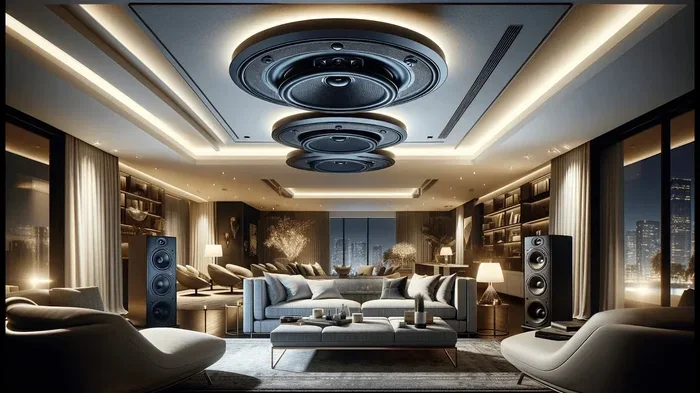
Visual guide about modern ceiling speakers installed
Image source: i.ytimg.com
Keeping Your Living Space Clean
Imagine a living room with a big TV and a sofa. Now imagine big speaker towers on the floor. It can feel crowded. Ceiling speakers free up that floor space. You can arrange your furniture however you like. There are no wires tripping people up. This is especially important for homes with kids or pets. Safety and cleanliness matter. A clean room feels more relaxing. When you ask is ceiling speakers worth it, think about how much you value a tidy home.
Sound Quality and Immersion Benefits
Good sound is about more than just volume. It is about clarity and placement. In-ceiling speakers excel at surround sound. For a home theater, you need speakers behind and above you. Ceiling speakers can serve as height channels. This creates a 3D audio effect. Movies feel more real when sound comes from above. It mimics how we hear sounds in real life. Birds chirp above us. Rain falls from above. This technology brings that realism into your living room.
Stereo Music Performance
You might wonder if they work for music. The answer is yes. Many people use them for stereo listening. You can install a pair of speakers for left and right channels. They provide a wide sweet spot. Everyone in the room can hear the music well. The sound is less directional than bookshelf speakers. This means you do not need to sit in one exact spot. It is great for parties or family gatherings. The music fills the space without being overwhelming.
Understanding Speaker Impedance and Power
To get the best sound, you need to match the speakers to your amp. This involves understanding impedance. This is measured in ohms. If you get this wrong, you might damage your equipment. It is a technical topic, but it is important. You can learn more about what is ohm in speakers to understand this better. Higher ohms are generally safer for most receivers. Lower ohms draw more power. Knowing this helps you choose the right gear. It ensures your system lasts a long time.
Installation Challenges and Considerations
Now we come to the hard part. Installation is not always easy. You need to cut holes in your ceiling. You need to run wires through the walls or attic. If you live in an apartment, this might not be allowed. If you own a house, you need to check the structure. Are there beams in the way? Is there insulation? These factors affect the sound and the install. This is a key part of answering is ceiling speakers worth it. If you cannot install them properly, they are not worth it at all.
Wiring and Connectivity
Running wires is the most labor-intensive part. You need low-voltage wire for the speakers. You also need power for the amplifier. Sometimes you can hide wires in the walls. This looks the cleanest. But it requires fishing wires through tight spaces. If you are not handy, hire a pro. There are also wireless options now. Some systems use Wi-Fi or Bluetooth. But wired connections are usually more reliable. For more on wireless audio, check out bluetooth ceiling speakers with amplifier. This can simplify the process significantly.
Structural Issues to Watch For
You must avoid cutting into support beams. You also want to avoid HVAC ducts. Cutting into a duct is a big problem. It can cause leaks or noise issues. You should use a stud finder before cutting. Mark your locations carefully. Measure twice and cut once. This old advice saves a lot of trouble. If you mess up, you have to patch the drywall. That costs time and money. It might be cheaper to hire a professional installer from the start.
Cost Analysis: Budget vs. Premium Options
Money is always a factor. In-ceiling speakers range from cheap to very expensive. The speakers themselves might be affordable. But the installation adds up. You might need an amplifier too. You might need a receiver. You might need cables and connectors. All these costs add up quickly. You need to set a budget before you start. Ask yourself if the benefit matches the cost. For some, the clean look is worth every penny. For others, bookshelf speakers are more cost-effective.
Hidden Costs to Expect
Do not just look at the speaker price. Think about the tools you need. You might need a drywall saw. You might need wire strippers. You might need paint to touch up the ceiling. If you hire someone, labor costs vary by region. Some installers charge by the speaker. Others charge by the hour. Get quotes beforehand. Also, think about future repairs. If a speaker breaks, can you access it? You might need to cut the ceiling open again. This is why quality matters. Buying durable speakers saves money later.
Comparing Value to Bookshelf Speakers
Bookshelf speakers are often cheaper to buy. They are also easier to set up. You just plug them in. But they take up space. They might need stands. Stands cost money too. When you compare the total cost, ceiling speakers might be similar. It depends on your situation. If you already have an amp, ceiling speakers are just an add-on. If you need a new amp, the cost goes up. You can read about do i need an amplifier for my car speakers to understand amp requirements, though the principle is similar for home audio.
Who Should Choose Ceiling Speakers?
This technology is not for everyone. It is best for certain types of people. Homeowners who plan to stay long-term are ideal candidates. They can invest in the installation. Renters should probably avoid it. It is hard to remove speakers without damage. People who love home theaters will love this. It creates the best immersion. People who value design will also appreciate it. If you hate seeing wires, this is your solution. But if you move often, stick to portable options.
Ideal Rooms for In-Ceiling Audio
Some rooms work better than others. Living rooms are great for stereo music. Bedrooms are good for relaxing sounds. Home theaters are the best use case. You can place speakers all around the room. Kitchens can benefit too. You can listen to music while cooking. But make sure the speakers are away from heat and moisture. Bathrooms need special waterproof speakers. Not all ceiling speakers are safe for wet areas. Check the rating before installing in a bathroom.
When to Avoid This Setup
There are times when you should say no. If your ceiling is very high, sound might get lost. You need the speakers close to ear level. If your ceiling is vaulted, it might be hard to wire. If you have a concrete ceiling, you cannot cut it. You would need surface-mounted speakers instead. Also, if you are on a tight budget, wait. Do not cut corners on installation. Bad wiring leads to bad sound. It is better to wait until you have the funds.
Maintenance and Longevity
Once installed, these speakers are low maintenance. You do not need to dust them much. The grilles cover the drivers. You can vacuum the grilles gently. If they get dirty, you can wash them. Just make sure the power is off. The electronics are hidden away. They are protected from spills and pets. This makes them very durable. They can last for many years. Technology changes, but good speakers remain useful. You might upgrade the amp later, but keep the speakers.
Upgrading Your System Later
One benefit of this system is modularity. You can start with a few speakers. Add more later if you want. You can expand to other rooms. This is great for whole-house audio. You can add speakers in the patio or garage. Just make sure your amplifier has enough channels. You might need a multi-zone receiver. Planning for expansion saves money later. You do not need to replace the whole system. You just add to it. This makes the initial investment more valuable over time.
Final Verdict: Is It the Right Choice?
So, we come back to the main question. Is ceiling speakers worth it? For many homeowners, the answer is yes. The blend of style and sound is hard to beat. You get a premium feel without the clutter. The audio experience is immersive and wide. But you must be ready for the work. Installation is the biggest hurdle. If you can handle it or hire help, go for it. If you rent or move often, think twice. Consider your long-term plans before cutting holes in your ceiling.
Think about how you use your space. Do you watch movies often? Do you host parties? If yes, the sound benefits are huge. If you just listen to the radio occasionally, maybe not. Weigh the pros and cons carefully. Talk to friends who have them. Look at examples online. Visualize the finished look. If it excites you, it is probably worth it. Audio should bring joy to your home. Choose the option that makes you happiest. Your home is your sanctuary. Make sure the sound matches the vibe.
Frequently Asked Questions
Do ceiling speakers require an amplifier?
Most ceiling speakers are passive and need an external amplifier or receiver to work. However, some active models have built-in amps and only need a power outlet. You should check the specifications before buying to ensure compatibility.
Can I install ceiling speakers myself?
Yes, you can install them yourself if you are comfortable cutting drywall and running wires. However, it requires basic tools and knowledge of electrical safety. If you are unsure, hiring a professional installer is recommended to avoid damage.
Are in-ceiling speakers good for music?
Yes, in-ceiling speakers can produce excellent sound for music. They offer wide sound dispersion, making them great for filling a room with stereo audio. They may lack the bass impact of floor-standing speakers unless paired with a subwoofer.
How long do ceiling speakers last?
Quality ceiling speakers can last for many years, often decades, with proper care. The drivers are protected inside the ceiling, reducing wear and tear. The main component that might need upgrading is the amplifier or receiver over time.
Can I paint ceiling speaker grilles?
Yes, most speaker grilles are made of paintable material like cloth or foam. You should use a light coat of paint to avoid blocking the sound. It is best to test a small area first to ensure the material does not degrade.
Do ceiling speakers work with smart home systems?
Many modern ceiling speakers are compatible with smart home systems like Sonos or multi-room audio setups. Some integrate directly with voice assistants for easy control. You need to check the specific model for smart connectivity features.