What Is Ohm in Speakers
Ohm in speakers refers to the impedance that controls how much electrical resistance a speaker offers to an amplifier. Understanding this value helps you match speakers to amps, avoid damage, and get the best sound quality. Read on for simple explanations, real‑world examples, and practical pairing tips.
Key Takeaways
- Impedance definition: Measured in ohms, it’s the speaker’s resistance to electrical current.
- Matching matters: Pairing the right ohm rating with your amp ensures clean power delivery.
- Series vs. parallel: Wiring speakers together changes the total impedance.
- Power handling: Lower‑ohm speakers draw more power; higher‑ohm speakers are easier on the amp.
- Safety tip: Never exceed the amp’s minimum recommended impedance.
- Real‑world example: A 4 Ω bookshelf paired with a 50 W amp vs. an 8 Ω floorstander with the same amp.
- Upgrade advice: When adding speakers, recalculate total impedance to stay within safe limits.
📑 Table of Contents
- Introduction: Why Ohm Matters in Your Audio Setup
- What Is Ohm in Speakers? The Simple Definition
- How Impedance Affects Power and Sound
- Wiring Speakers: Series, Parallel, and the Resulting Ohm Load
- Choosing the Right Amplifier for Your Speakers
- Practical Tips for Matching Speakers and Amplifiers
- Common Misconceptions About Ohm in Speakers
- Conclusion: Mastering Ohm for Better Audio
Introduction: Why Ohm Matters in Your Audio Setup
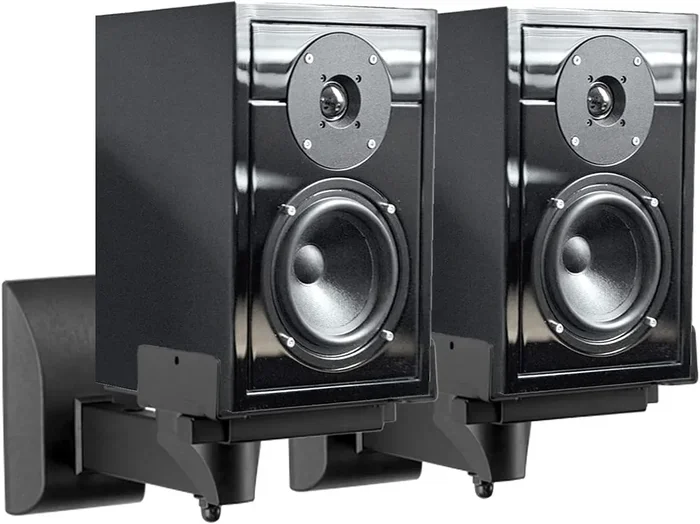
Imagine you’re buying a new set of bookshelf speakers. The spec sheet lists “4 Ω” next to the word “impedance.” If you’ve never heard the term “ohm” before, that tiny number can feel like a mystery. In reality, the ohm rating is the key that tells your amplifier how much current it needs to push to make the speaker move.
Getting the ohm rating right isn’t just a nerdy detail—it directly impacts volume, clarity, and the longevity of both your speakers and amp. In this guide we’ll break down what ohm means in speakers, how it interacts with amplifiers, and what you can do to get the best sound without blowing anything up.
What Is Ohm in Speakers? The Simple Definition
Impedance Explained
In electrical terms, impedance is the opposition a device offers to alternating current (AC). For speakers, this opposition is measured in ohms (Ω). Unlike a simple resistance that stays constant, speaker impedance changes with frequency, but the rated ohm value (usually 4 Ω, 8 Ω, or 16 Ω) is an average that manufacturers use for compatibility.
Visual guide about What Is Ohm in Speakers
Image source: sinastorage.com
Why the Letter “Ω”?
The Greek letter Ω is the symbol for ohms, named after Georg Ohm, the 19th‑century physicist who discovered the relationship between voltage, current, and resistance. When you see “8 Ω” on a speaker’s label, it’s a shortcut for “this speaker’s average impedance is eight ohms.”
How Impedance Affects Power and Sound
Power Delivery Basics
Amplifiers are rated by the amount of power they can deliver into a specific load. A typical home amp might be rated at 100 W into an 8 Ω load. If you connect a 4 Ω speaker, the amp will try to push more current to maintain the same voltage, which can cause it to overheat or shut down.
Volume and Sensitivity
Lower‑ohm speakers (4 Ω) usually sound louder at the same power level because they draw more current. However, they also demand a more robust amp. Higher‑ohm speakers (8 Ω or 16 Ω) are more forgiving, but you might need to turn the volume up a bit to reach the same loudness.
Real‑World Example
Take two identical bookshelf speakers, one rated at 4 Ω and the other at 8 Ω. Hook both to a 50 W amp. At 50 W, the 4 Ω speaker will receive roughly 70 W of electrical power (because P = V² / R), while the 8 Ω speaker will actually get close to the rated 50 W. The 4 Ω unit may sound louder, but the amp works harder.
Wiring Speakers: Series, Parallel, and the Resulting Ohm Load
Series Wiring
When you connect speakers in series, their impedances add together. Two 8 Ω speakers in series become a 16 Ω load. This higher total impedance is easier on the amp but reduces overall volume because less current flows.
Parallel Wiring
In parallel, the total impedance drops. Two 8 Ω speakers in parallel become a 4 Ω load (1 / (1/8 + 1/8) = 4). This can give you more volume but may push the amp beyond its safe limit.
Mixed Configurations
Many home‑theater setups use a mix of series and parallel to hit a target impedance (often 8 Ω). Knowing how to calculate the total load helps you avoid a mismatch.
For a deeper dive on series wiring, see our article on 2 8 Ohm Speakers In Series.
Choosing the Right Amplifier for Your Speakers
Check the Amp’s Minimum Impedance Rating
Every amp lists a minimum impedance it can safely drive—commonly 4 Ω for consumer models and 2 Ω for professional gear. Always match or exceed this rating.
Power Headroom
Give yourself at least 20 % headroom. If your speakers are 8 Ω and you want 100 W, look for an amp that can deliver 120 W into 8 Ω. This prevents clipping and distortion at high volumes.
Bridgeable Amplifiers
Some amps can be “bridged” to double the voltage, effectively halving the impedance they can handle. This is useful if you want to run 4 Ω speakers from an amp rated for 8 Ω, but only if the amp’s manual explicitly allows bridging.
Practical Tips for Matching Speakers and Amplifiers
Start With the Manufacturer’s Recommendation
Most speaker makers state the ideal impedance range. Follow that guidance first.
Measure Real‑World Impedance
If you have a multimeter, you can measure DC resistance (which will be lower than AC impedance). This gives a quick sanity check.
Use an Impedance Matching Transformer
For niche setups, a transformer can step the impedance up or down, letting you pair a 4 Ω speaker with an 8 Ω‑only amp safely.
Mind the Cables
Long, thin speaker cables add resistance, effectively raising the total impedance. Keep cables short and use adequately thick gauge wire.
Common Misconceptions About Ohm in Speakers
“Higher Ohm Means Better Sound”
No. Higher impedance simply means the speaker draws less current. Sound quality depends on driver design, enclosure, and power, not just ohms.
“All Amplifiers Can Drive Any Speaker”
Wrong. Even a powerful amp can be damaged by a too‑low impedance load. Always respect the minimum impedance rating.
“Impedance Is Fixed”
Speaker impedance varies with frequency. The rated ohm value is an average, not a constant.
Conclusion: Mastering Ohm for Better Audio
Understanding what ohm means in speakers empowers you to pair equipment wisely, avoid costly mistakes, and enjoy cleaner, louder sound. Remember: check the speaker’s rated impedance, match it to your amp’s minimum rating, and calculate total load when wiring multiple speakers. With these basics, you’ll be able to tweak your system like a pro and get the most out of every watt.
Frequently Asked Questions
What does the ohm rating tell me about a speaker?
The ohm rating indicates the speaker’s average impedance, or how much electrical resistance it offers to the amplifier’s signal.
Can I connect a 4 Ω speaker to an 8 Ω‑only amp?
Only if the amp’s specifications state it can safely handle a 4 Ω load; otherwise you risk overheating or distortion.
How do I calculate total impedance for speakers in series?
Simply add the individual impedances: two 8 Ω speakers in series equal 16 Ω total.
What happens if I use speakers with a higher ohm rating than my amp supports?
The amp will deliver less current, resulting in lower volume; however, it won’t be harmed.
Is it better to use an 8 Ω or 4 Ω speaker for home theater?
Both can work; 8 Ω speakers are easier on most consumer amps, while 4 Ω speakers can provide louder output if the amp can handle the lower impedance.
Do speaker cables affect the overall impedance?
Yes, long or thin cables add resistance, slightly raising the total impedance seen by the amp.