Is Hdmi 2 0 High Speed
Yes, HDMI 2.0 is considered High Speed HDMI and supports 4K resolution at 60Hz with up to 18 Gbps bandwidth. It brought major upgrades over HDMI 1.4, including HDR support and expanded audio channels. If you own a 4K TV or gaming console, understanding HDMI 2.0 is essential for getting the best picture and sound quality.
Is HDMI 2.0 High Speed? If you have ever stood in front of a shelf of cables and felt confused, you are not alone. The world of HDMI versions and cable labels can feel overwhelming. But here is the good news. HDMI 2.0 is indeed a High Speed standard, and it changed the way we connect devices at home.
When HDMI 2.0 came out in 2013, it was a big deal. It doubled the bandwidth of the previous version. It opened the door to true 4K video. It brought HDR into living rooms around the world. Even today, HDMI 2.0 remains widely used in TVs, monitors, Blu-ray players, and game consoles. Understanding what it offers helps you make smarter buying decisions.
In this guide, we will break down everything you need to know. We will cover bandwidth numbers, resolution support, cable types, and how HDMI 2.0 compares to newer versions. By the end, you will know exactly whether HDMI 2.0 is the right choice for your setup.
Key Takeaways
- HDMI 2.0 is High Speed: It offers 18 Gbps bandwidth, which is double the speed of HDMI 1.4.
- 4K at 60Hz is possible: HDMI 2.0 delivers smooth 4K video at 60 frames per second.
- HDR support matters: HDMI 2.0 introduced HDR10 and expanded color depth for richer visuals.
- Not the newest version: HDMI 2.1 now offers 48 Gbps and supports 8K and 4K at 120Hz.
- Cable matters: A certified High Speed HDMI cable is required to get the full benefits of HDMI 2.0.
- Backward compatible: HDMI 2.0 works with older devices, though you get limited features on older gear.
- Gaming benefits: HDMI 2.0 provides enough bandwidth for most current-gen gaming at 4K resolution.
📑 Table of Contents
What Does HDMI 2.0 High Speed Mean?
The label “High Speed” on an HDMI cable tells you what the cable can handle. HDMI 2.0 cables are certified as High Speed HDMI cables. This means they can carry signals up to 18 gigabits per second, or 18 Gbps for short. That is a lot of data moving through a single cable every second.
To put this in perspective, HDMI 1.4 could manage about 10.2 Gbps. HDMI 2.0 pushed that number to 18 Gbps. This extra bandwidth is what makes 4K video at 60Hz possible. Without it, you would be stuck at 4K and 30Hz, which can feel a bit choppy during fast scenes.
Why Bandwidth Matters
Bandwidth is like a highway for your video and audio data. A wider highway means more cars can travel at once. In HDMI terms, more bandwidth means higher resolution, smoother frame rates, and richer color. HDMI 2.0 gave us a much wider highway compared to earlier versions.
Here is a simple breakdown of what HDMI 2.0 can deliver:
- 4K resolution at 60Hz for smooth, fluid video.
- 10-bit and 12-bit color depth for smoother gradients.
- HDR10 support for brighter highlights and deeper blacks.
- Up to 32 audio channels for immersive surround sound.
- Dual audio streams, so two people can listen to different audio from the same source.
All of these features made HDMI 2.0 a major step forward. It became the standard for most 4K TVs and monitors throughout the late 2010s.
HDMI 2.0 vs HDMI 1.4: What Changed?
Before HDMI 2.0, HDMI 1.4 was the go-to standard. It served us well for many years. But when HDMI 2.0 arrived, it brought some important upgrades that made a real difference in everyday viewing.
Resolution and Frame Rate
HDMI 1.4 could handle 4K, but only at 30Hz. That is fine for movies, where the content is mostly still images or slow motion. But for gaming or sports, 30Hz feels laggy and unnatural. HDMI 2.0 changed this by supporting 4K at 60Hz. The picture stays smooth even during fast action.
Color and HDR
HDMI 1.4 had basic HDR support, but it was limited. HDMI 2.0 introduced full HDR10 support. This means wider color gamuts, brighter highlights, and deeper contrast ratios. The result is a picture that looks more lifelike and vivid on compatible screens.
Audio Improvements
HDMI 2.0 also upgraded audio capabilities. It supports up to 32 audio channels, compared to HDMI 1.4’s limit of 8 channels. It also added support for higher audio sample rates. For home theater fans, this means better sound quality without needing extra audio cables.
Quick Comparison Table
| Feature | HDMI 1.4 | HDMI 2.0 |
|---|---|---|
| Bandwidth | 10.2 Gbps | 18 Gbps |
| Max Resolution | 4K at 30Hz | 4K at 60Hz |
| HDR Support | Basic | HDR10, 2160p60 |
| Audio Channels | Up to 8 | Up to 32 |
| Color Depth | 8-bit | 10-bit and 12-bit |
| Dual Audio Streams | No | Yes |
| ARC Support | Yes | Yes (Enhanced ARC) |
As you can see, HDMI 2.0 made significant gains over HDMI 1.4 in nearly every area. It became the sweet spot for quality and compatibility for several years.
Does HDMI 2.0 Support 4K?
This is one of the most common questions people ask. The answer is yes. HDMI 2.0 fully supports 4K resolution, also known as 2160p. But the key detail is the frame rate. HDMI 2.0 supports 4K at 60Hz, which gives you a smooth and responsive picture.
If you have a 4K TV and you want to watch streaming content, play games, or view photos, HDMI 2.0 handles all of this beautifully. Most 4K content on Netflix, YouTube, and Blu-ray runs at 4K and 60Hz. HDMI 2.0 can keep up without any problems.
However, there is a catch. You need the right cable. A standard HDMI cable may not carry the full 18 Gbps signal. You need a certified High Speed HDMI cable or an Ultra High Speed cable to get the full benefit. Using the wrong cable can result in signal drops, reduced resolution, or no picture at all.
What About 4K at 120Hz?
HDMI 2.0 cannot handle 4K at 120Hz. It maxes out at 4K and 60Hz. If you want 4K at 120Hz, you need HDMI 2.1. This is important for serious gamers who play on PS5 or Xbox Series X, since these consoles support 120Hz in some games. For most casual viewing and standard gaming, though, HDMI 2.0 at 4K and 60Hz is more than enough.
Is HDMI 2.0 Good Enough for Gaming?
HDMI 2.0 is a solid choice for gaming. It supports 4K resolution at 60Hz, which covers the majority of modern games. Most titles on PS4 Pro, Xbox One X, and even PS5 and Xbox Series X can run at 4K and 60Hz using HDMI 2.0.
For competitive gamers who prioritize frame rate over resolution, HDMI 2.0 can deliver 1080p or 1440p at high refresh rates. Some monitors even push 1440p to 144Hz over HDMI 2.0, which is great for fast-paced shooters and racing games.
When HDMI 2.0 Falls Short
There are situations where HDMI 2.0 is not enough. If you want to use Variable Refresh Rate, or VRR, on a PS5, HDMI 2.0 has limited support. HDMI 2.1 offers better VRR and Auto Low Latency Mode, or ALLM, which reduces input lag. For the absolute best gaming experience on a 4K 120Hz display, HDMI 2.1 is the way to go.
But here is the honest truth. Most gamers will not notice a huge difference between HDMI 2.0 and HDMI 2.1 for everyday play. HDMI 2.0 still provides excellent image quality and reliable performance. It is a trustworthy standard that has served millions of gamers well.
HDMI 2.0 Cable Types and Certifications
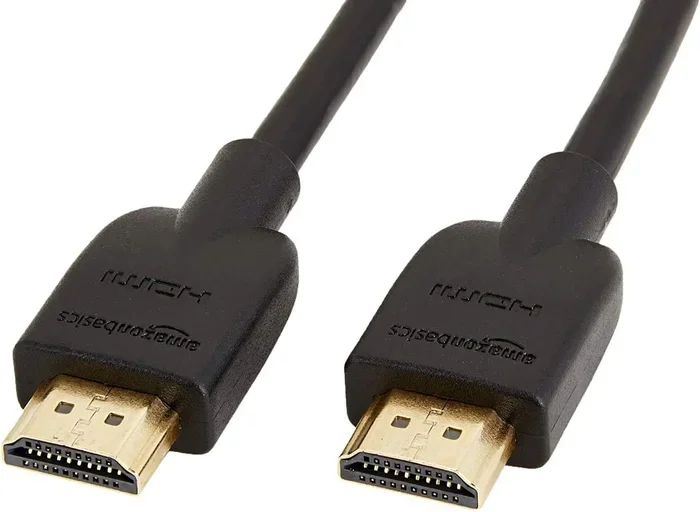
Not all HDMI cables are the same. The HDMI Forum introduced certification standards to help consumers choose the right cable. When shopping for an HDMI 2.0 cable, look for the “High Speed HDMI” label. This certification guarantees the cable can handle 18 Gbps bandwidth.
Standard vs High Speed vs Ultra High Speed
The HDMI cable categories can be confusing. Here is a simple way to think about it:
- Standard HDMI Cable: Supports up to 10.2 Gbps. Good for 1080p and basic setups.
- High Speed HDMI Cable: Supports up to 18 Gbps. This is the right choice for HDMI 2.0 and 4K at 60Hz.
- Ultra High Speed HDMI Cable: Supports up to 48 Gbps. Designed for HDMI 2.1 and 8K content.
If your devices support HDMI 2.0, a High Speed HDMI cable is all you need. Spending extra on an Ultra High Speed cable will not give you any benefit unless you upgrade to HDMI 2.1 devices later.
Do You Need an Expensive Cable?
Here is a tip that saves you money. A certified High Speed HDMI cable from a reputable brand works just as well as an expensive one. The digital signal either arrives or it does not. There is no “better quality” signal with a pricier cable. Focus on certification and build quality instead of brand name or price tag.
HDMI 2.0 vs HDMI 2.1: Which Should You Choose?
HDMI 2.1 is the latest major version of the HDMI standard. It offers 48 Gbps of bandwidth. It supports 8K at 60Hz and 4K at 120Hz. It includes features like VRR, ALLM, and Dynamic HDR. For enthusiasts and hardcore gamers, HDMI 2.1 is the future.
But HDMI 2.0 is still relevant. Most 4K TVs on the market today are HDMI 2.0 compatible. Many streaming devices and Blu-ray players still use HDMI 2.0. If your current setup works well, there is no urgent need to upgrade everything to HDMI 2.1.
Think of it this way. HDMI 2.0 is like a reliable sedan. It gets you where you need to go, comfortably and efficiently. HDMI 2.1 is like a sports car. It is faster and packed with features. But if the sedan meets your needs, it is a perfectly fine choice.
Common HDMI 2.0 Mistakes to Avoid
Even though HDMI 2.0 is straightforward, people make mistakes that cause frustration. Here are a few to watch out for.
Using the Wrong Cable
Not all cables labeled “HDMI” are High Speed. Some cheap cables only support 10.2 Gbps. They may work for 1080p but fail at 4K. Always check for the High Speed certification before buying.
Assuming All Ports Are HDMI 2.0
Your TV might have multiple HDMI ports, but not all of them may support HDMI 2.0. Check your TV manual or look for labels on the ports. Some older TVs only have HDMI 1.4 ports, which limits you to 4K at 30Hz.
Ignoring HDCP 2.2
HDCP 2.2 is a copy protection standard required for 4K HDR content. HDMI 2.0 supports HDCP 2.2, but you need both the source device and the display to support it. If either device lacks HDCP 2.2, you may see a blank screen or degraded quality when playing protected content.
Overlooking Cable Length
Longer HDMI cables can lose signal strength. For runs over 15 feet, consider an active HDMI cable or a signal booster. This ensures the full 18 Gbps signal reaches your display without degradation.
The Bottom Line on HDMI 2.0
So, is HDMI 2.0 High Speed? The answer is a clear yes. HDMI 2.0 is a High Speed standard that delivers 18 Gbps of bandwidth, 4K resolution at 60Hz, HDR support, and rich audio. It remains one of the most widely used HDMI standards in the world today.
For most home entertainment setups, HDMI 2.0 is more than sufficient. It handles 4K streaming, gaming, and Blu-ray playback with ease. It is backward compatible with older devices, so you do not need to replace everything at once.
If you are building a new setup or upgrading your current one, HDMI 2.0 is a safe and reliable choice. Just make sure you use a certified High Speed HDMI cable, and you will enjoy excellent picture and sound quality for years to come.
The technology landscape keeps evolving, and HDMI 2.1 is gaining ground. But HDMI 2.0 is not going away anytime soon. It is a proven standard that continues to power millions of devices around the globe. Understanding what it offers puts you ahead of the curve and helps you get the most out of your home entertainment system.
Whether you are a casual viewer, a movie lover, or a dedicated gamer, HDMI 2.0 has something to offer. It is fast, it is versatile, and it is ready for the demands of modern content. Next time you shop for cables or devices, you will know exactly what to look for.
Frequently Asked Questions
Is HDMI 2.0 considered High Speed HDMI?
Yes, HDMI 2.0 is classified as High Speed HDMI. It supports bandwidth up to 18 Gbps, which is double the speed of HDMI 1.4. This makes it capable of delivering 4K video at 60Hz and HDR content.
Can HDMI 2.0 do 4K at 60Hz?
Absolutely. HDMI 2.0 was designed to support 4K resolution at 60 frames per second. This is one of its biggest upgrades over HDMI 1.4, which was limited to 4K at 30Hz.
What cable do I need for HDMI 2.0?
You need a certified High Speed HDMI cable. Look for cables labeled “High Speed HDMI” or “Premium High Speed HDMI.” These cables are rated for 18 Gbps bandwidth and will fully support HDMI 2.0 features.
Is HDMI 2.0 good for gaming?
Yes, HDMI 2.0 is great for gaming. It supports 4K at 60Hz and works well with most current-gen consoles and PCs. For competitive gaming at higher refresh rates, 1080p or 1440p over HDMI 2.0 works smoothly.
How does HDMI 2.0 compare to HDMI 2.1?
HDMI 2.1 offers 48 Gbps bandwidth, 8K support, 4K at 120Hz, and advanced features like VRR and ALLM. HDMI 2.0 is still solid for 4K at 60Hz and covers most everyday use cases just fine.
Do all HDMI 2.0 cables support HDR?
Most certified High Speed HDMI 2.0 cables support HDR10. However, both the source device and the display must also support HDR for it to work. Check your devices for HDR compatibility to get the full benefit.