Is Usb Type a or C Faster

Is USB Type A or C Faster? USB Type C is significantly faster and more versatile. While USB Type A maxes out at 10 Gbps, USB Type C supports up to 40 Gbps with USB4. The modern port also delivers up to 100W of power and works with the fastest external SSDs.
If you have ever plugged in a flash drive and waited forever for a file to copy, you know how frustrating slow speeds can be. The type of USB port you use plays a huge role in that waiting time. Many older devices still rely on the classic USB Type A connector, while newer laptops, phones, and drives use the slim, reversible USB Type C shape. Understanding the difference helps you get the most from your gear.
This article explains the speed gap between the two shapes. We will look at the technology behind each port, compare real-world performance, and help you choose the right cable for your needs. Whether you are copying photos, charging a laptop, or connecting an external drive, the port matters.
So, Is USB Type A or C Faster? The short answer is that USB Type C is significantly faster in most modern implementations. While USB Type A has served us well for years, the newer Type C connector unlocks higher speeds, more power, and versatile functionality. In this guide, we break down the real-world differences, transfer rates, and which port you should actually use. You will learn about bandwidth limits, device compatibility, and why the shift to Type C matters for your daily tech.
Key Takeaways
- USB Type C is the clear winner in speed: It supports the latest USB standards and can reach 40 Gbps with USB4, while USB Type A tops out at 10 Gbps.
- Type C is reversible and compact: The small oval shape plugs in either way, making it more convenient than the rectangular Type A port.
- Power delivery is much higher with Type C: USB Power Delivery can send up to 100 watts, enough to charge laptops quickly, whereas Type A is limited to a few watts.
- Not all USB C cables are equal: A cheap or old cable can bottleneck your speeds. Always check for USB 3.2 or USB4 ratings.
- External drives shine with Type C: Pairing a USB C NVMe SSD with a Type C port unlocks speeds over 1,000 MB/s, far beyond what a Type A connection can handle.
- Legacy devices still use Type A: Printers, older hard drives, and many peripherals rely on Type A, so adapters remain useful.
- The future is Type C: Modern laptops, phones, and tablets are moving exclusively to USB Type C for data, video, and power.
📑 Table of Contents
- Is USB Type A or C Faster? Understanding the Basics
- Speed Comparison: USB Type A vs Type C
- Which Devices Use Which Port?
- The Role of USB Standards (USB 3.0, 3.1, 3.2, USB4)
- External Storage and Speed: When It Matters
- Power Delivery and Charging Speed
- Common Mistakes When Choosing USB Cables
- Quick Tips for Choosing the Right Cable and Port
- Conclusion
Is USB Type A or C Faster? Understanding the Basics
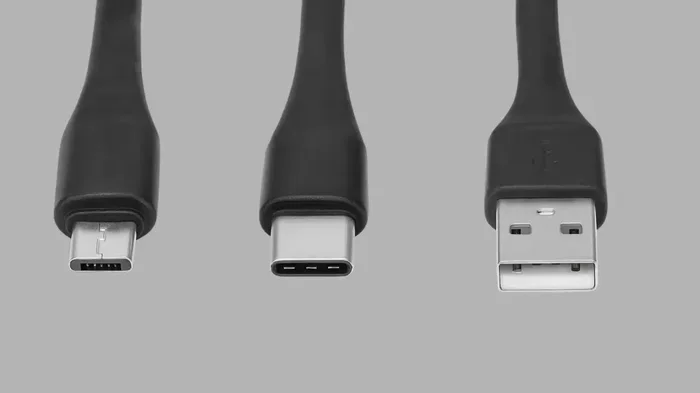
The two connectors look different and serve different generations of technology. USB Type A is the flat, rectangular port you have seen on computers, TVs, and game consoles for decades. It is not reversible, so you must align the plug correctly. USB Type C is a small, oval-shaped connector that can be plugged in either way. It supports the latest USB standards and can carry data, video, and power through a single cable.
The Classic USB Type A Connector
USB Type A first appeared in the late 1990s. It became the standard port for connecting peripherals. The original USB 1.1 offered just 12 Mbps. USB 2.0 raised that to 480 Mbps. Later, USB 3.0 (also called SuperSpeed USB) brought 5 Gbps. Even with USB 3.1 Gen 2, Type A maxes out at 10 Gbps. However, the physical connector limits some features. Type A cannot support USB4 or the full 20 Gbps speeds of USB 3.2 Gen 2×2. It also lacks native power delivery beyond basic charging. The legacy port is still everywhere, but it cannot keep up with modern demands.
The Modern USB Type C Connector
USB Type C is a connector shape, not a standard. It can support USB 3.0, 3.1, 3.2, and USB4. The reversible design is a big convenience. You can plug it in upside down. Type C supports alternate modes, which let you send video signals (like DisplayPort or HDMI) over the same cable. It also supports USB Power Delivery, which can charge devices up to 100 watts. This makes it ideal for laptops, tablets, and phones. The data transfer rate can reach 40 Gbps with USB4. The bandwidth is much higher than Type A can handle. The compact size also allows thinner device designs.
Speed Comparison: USB Type A vs Type C
Speed depends on the USB standard used, not just the connector shape. However, Type C is the only shape that supports the newest, fastest standards. Here is a quick comparison.
| Feature | USB Type A | USB Type C |
|---|---|---|
| Shape | Rectangular, not reversible | Small, oval, reversible |
| Max Speed (USB 3.0/3.1 Gen 1) | 5 Gbps | 5 Gbps |
| Max Speed (USB 3.1 Gen 2) | 10 Gbps | 10 Gbps |
| Max Speed (USB 3.2 Gen 2×2) | Not supported on Type A | 20 Gbps |
| USB4 Support | Not supported | Up to 40 Gbps |
| Power Delivery | Up to 4.5W (BC 1.2) | Up to 100W with USB PD |
| Common Devices | Older PCs, printers, flash drives | Modern laptops, phones, tablets, external drives |
As you can see, USB Type A is limited to 10 Gbps at best. USB Type C can go much higher. The data transfer rate is not just about numbers. Real-world speeds depend on the cable quality, the device’s controller, and the storage inside the drive. A good USB C cable with a fast external SSD will outperform a USB A connection every time.
Theoretical Maximum Speeds
USB 2.0 Type A maxes out at 480 Mbps. That is about 60 megabytes per second. USB 3.0 Type A reaches 5 Gbps, or roughly 625 MB/s. USB 3.1 Gen 2 Type A hits 10 Gbps, around 1,250 MB/s. USB Type C with USB 3.1 Gen 2 also reaches 10 Gbps. But Type C with USB 3.2 Gen 2×2 doubles that to 20 Gbps, or 2,500 MB/s. And USB4 over Type C pushes the bandwidth to 40 Gbps, which is 5,000 MB/s. These are the theoretical peaks. In practice, you will see slightly lower numbers due to overhead and cable quality.
Real-World Transfer Rates
In real use, a USB Type A flash drive might copy a 1 GB folder in about 10 seconds at best. A USB Type C external SSD can do the same job in under 2 seconds. The difference is huge. When you are moving large video files or backing up a entire hard drive, the faster port saves minutes or even hours. If you use a SanDisk Extreme Portable 2TB external USB C NVMe SSD, you will see speeds close to the 1,000 MB/s mark. That is because the NVMe drive inside uses the PCIe bus, which is much faster than the NAND flash in a typical USB A stick.
For creative professionals, the gap matters even more. Transferring a 50 GB 4K video project over a Type A connection can take several minutes. The same transfer over a USB C NVMe drive takes seconds. This speed boost keeps your workflow smooth and reduces downtime. The bandwidth of Type C also makes it perfect for connecting high-resolution displays and fast storage hubs.
Which Devices Use Which Port?
The port you see on your device depends on its age and purpose. Older machines stick with the legacy port, while new ones embrace the modern port.
Older Devices and Legacy Ports
Desktops, printers, scanners, and many older external hard drives use USB Type A. These devices often support USB 2.0 or USB 3.0. They are backward compatible with newer Type C ports using an adapter, but the speed will be limited by the Type A side. If your printer only has a Type A port, you will not get the high speeds of Type C even if your laptop has it. The legacy port still serves well for basic tasks like keyboard and mouse connections, but it struggles with large file transfers.
Modern Laptops, Phones, and Tablets
Most modern laptops now feature only USB Type C ports. Apple MacBooks, many Windows ultrabooks, and Android phones use Type C exclusively. This shift allows thinner designs and faster data transfer. You can connect a single cable to charge your laptop, attach an external display, and transfer files. The versatility is a major advantage. If you buy a new device, you will likely need Type C cables and adapters. The reversible connector also means fewer frustrating moments trying to align the plug.
The Role of USB Standards (USB 3.0, 3.1, 3.2, USB4)
The connector shape is only half the story. The USB standard inside determines the actual speed. Each generation improves the data transfer rate and power limits.
How USB Generations Affect Speed
USB 3.0, also called SuperSpeed USB, was a big leap from USB 2.0. It offered 5 Gbps and is still common in Type A ports. USB 3.1 Gen 1 is the same 5 Gbps, just renamed. USB 3.1 Gen 2 doubled the speed to 10 Gbps. USB 3.2 Gen 1 is 5 Gbps, Gen 2 is 10 Gbps, and Gen 2×2 is 20 Gbps. USB4, based on Thunderbolt 3, brings 40 Gbps and is only available through Type C. The naming is confusing, but the key takeaway is that Type C is the only shape that can unlock the fastest standards.
Alternate Mode and Video Output
One of the coolest features of USB Type C is alternate mode. This lets the port carry video signals directly. You can connect a monitor to a laptop with a single USB C cable and get a DisplayPort or HDMI signal without a separate adapter. The bandwidth of Type C makes this possible. A Type A port cannot do this natively. You would need a dedicated video output or a docking station with a Type C hub. This is why many modern docking stations rely on USB C to simplify your workspace.
External Storage and Speed: When It Matters
If you work with large files, the port and drive type make a huge difference. A standard external hard drive with a USB A connection is slow. Upgrading to a USB C NVMe drive changes everything.
Using an External SSD
A typical USB A external hard drive uses a spinning disk or slow NAND flash. It maxes out around 100 to 150 MB/s. A USB C external SSD can reach 500 MB/s to 1,000 MB/s or more. The gap is obvious when you are editing 4K video or moving a 50 GB project folder. For the best performance, look for a drive that uses NVMe technology. You can find a great option in the SanDisk Extreme Portable 2TB external USB C NVMe SSD. It delivers speeds up to 1,050 MB/s over USB C.
Enclosures and NVMe Speeds
If you have an old M.2 NVMe SSD lying around, you can turn it into a fast external drive with an enclosure. An M.2 NVMe to USB C SSD enclosure connects the drive directly via PCIe. This bypasses the slower USB A bottleneck. You get near-native NVMe speeds over a USB C cable. The enclosure itself supports the USB 3.2 or USB4 protocol, so the bandwidth is not the limiting factor. To put this in perspective, how much faster NVMe is than a traditional SSD is a common question. You can read more about that in our guide on how much faster NVMe is than SSD. The difference is massive, and USB C is the perfect way to enjoy it externally.
Expert Insight: When testing external drives, always use a USB C cable that supports the full speed of the drive. A USB 3.0 cable will cap an NVMe SSD at around 5 Gbps, even if the drive and port can go faster. Look for a cable rated for 10 Gbps or 20 Gbps to get the full benefit.
Power Delivery and Charging Speed
Speed is not just about data. USB Type C also wins in power delivery. The USB Power Delivery (USB PD) standard lets Type C ports supply up to 100 watts. That is enough to charge a laptop quickly. USB Type A ports are limited to about 7.5 watts to 15 watts in practice. So a Type C charger powers a laptop much faster than a Type A charger. The charging speed depends on the charger and the device’s support for USB PD.
Why Power Delivery Matters
With USB PD, a single cable can charge your phone, tablet, and laptop. You do not need separate power bricks. The reversible connector makes it easy to plug in anywhere. Many docking stations now use Type C with USB PD to power a laptop and connect to multiple monitors. This reduces cable clutter and simplifies your workspace. The data transfer rate and power delivery work together to make Type C the all-in-one port. A single cable can handle your peripherals, your display, and your power needs.
Common Mistakes When Choosing USB Cables
Not all USB C cables are created equal. A cheap or old cable can bottleneck your speeds even if your port and device support 10 Gbps or 40 Gbps. Here are the mistakes to avoid.
- Using a USB 2.0 cable with a fast device. A USB 2.0 cable will cap you at 480 Mbps no matter what port you use. Always check the cable rating.
- Ignoring the power delivery rating. A cable that only supports 60W will not charge a 100W laptop at full speed. Look for 100W USB PD cables.
- Buying the cheapest option. Uncertified cables may not support the advertised bandwidth. They can also be a safety risk. Stick with reputable brands.
- Forgetting about cable length. Longer cables can introduce resistance and reduce speeds. For best performance, keep cables under 2 meters.
- Assuming all Type C ports are the same. Some Type C ports only support USB 2.0 or basic charging. Always check the device specifications.
Quick Tips for Choosing the Right Cable and Port
Here are a few tips to avoid bottlenecks and get the most from your USB connections.
- Check the cable rating. Look for cables marked with USB 3.2 Gen 2 or USB4. A USB 2.0 cable will cap you at 480 Mbps no matter what port you use.
- Use certified accessories. Buy cables from reputable brands. A certified cable ensures the full bandwidth and power delivery.
- Match the drive to the port. If you have a fast NVMe external SSD, plug it into a USB C port. Do not use a USB A adapter, or you will lose most of the speed.
- Consider your devices. If your laptop has only Type C, invest in a good Type C hub. It gives you Type A ports for older gear and keeps your Type C devices fast.
- Test your speeds. Use a simple file copy test or a tool like CrystalDiskMark to see real-world numbers. You may be surprised by the difference.
Conclusion
The answer to Is USB Type A or C Faster is clear. USB Type C is the faster, more versatile, and future-proof choice. It supports the latest USB standards, delivers more power, and works with the fastest external drives. USB Type A still has its place in legacy devices, but for new gear, Type C is the way to go. Upgrading to a USB C cable or a USB C external SSD can dramatically improve your workflow. The difference is felt the moment you copy a large file or charge your laptop on the go. Embrace the modern port and enjoy the speed boost.
Whether you are a student, a professional, or a casual user, the right port makes a difference. Choose USB Type C for speed, power, and convenience. Your devices will thank you.
Frequently Asked Questions
Is USB Type C faster than USB Type A?
Yes, in almost all cases. USB Type C supports the latest USB standards like USB 3.2 and USB4, which offer speeds up to 40 Gbps. USB Type A is limited to 10 Gbps at best. The actual speed also depends on the cable and the devices you are using.
Can I plug a USB Type A cable into a Type C port?
You can with an adapter or a cable that has a Type A plug on one end and a Type C plug on the other. However, the speed will be limited by the Type A side and the cable quality. You will not get the full benefit of a USB C port this way.
What is USB Power Delivery and why does it matter?
USB Power Delivery (USB PD) is a standard that allows USB Type C ports to supply up to 100 watts of power. This is enough to charge laptops and tablets quickly. USB Type A ports typically provide much less power, which is why Type C is preferred for modern devices.
Do I need a special cable for USB 3.2 or USB4 speeds?
Yes, you need a cable rated for the speed you want. A basic USB 2.0 cable will not support 10 Gbps or 40 Gbps. Look for cables marked with USB 3.2 Gen 2 or USB4 to ensure you get the full data transfer rate.
Are all USB Type C ports the same speed?
No, not all Type C ports are the same. Some only support USB 2.0 or basic charging. Others support USB 3.2 or USB4. Always check your device specifications to know what speeds the port actually supports.
Can I use a USB Type A external drive with a Type C laptop?
Yes, you can use an adapter or a Type C to Type A cable. The drive will work, but the speed will be limited by the USB Type A standard. For the fastest speeds, use a USB C external SSD instead.