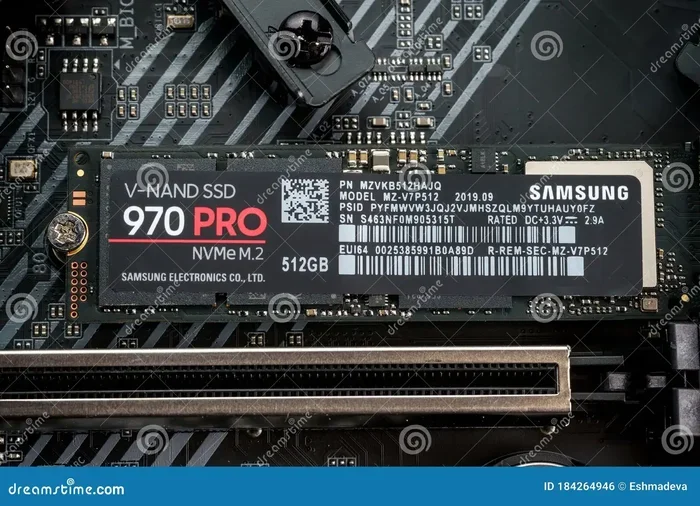
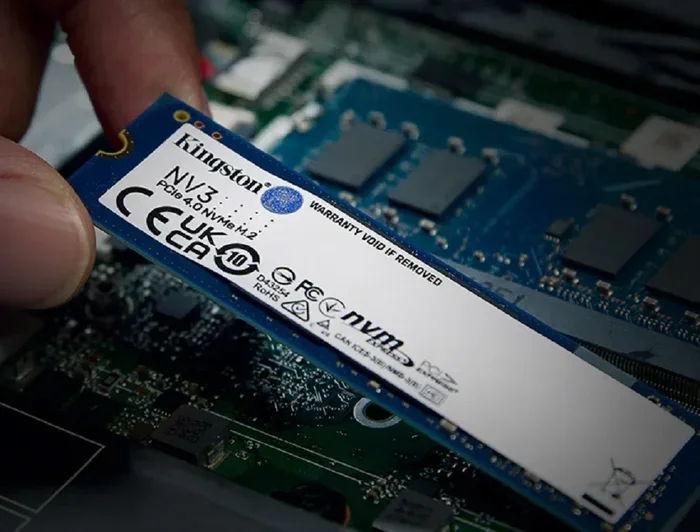
M 2 Nvme Pcie Gen 4×4 Ssd

The M 2 NVMe PCIe Gen 4×4 SSD is a next-generation solid state drive that delivers blazing-fast speeds and massive bandwidth for demanding tasks. This technology uses the PCIe 4.0 interface with four lanes to offer double the bandwidth of Gen 3 drives, making it perfect for gaming, content creation, and heavy workloads. If you want the fastest M.2 NVMe SSD available right now, Gen 4×4 is the way to go.
The M 2 NVMe PCIe Gen 4×4 SSD has completely changed how we think about storage speed. If you have been using an older hard drive or even a SATA SSD, you are missing out on incredible performance gains. These drives plug directly into your motherboard using the M.2 slot and communicate through the PCIe 4.0 interface with four lanes. The result is transfer speeds that make everything feel instant.
Whether you are a gamer who wants near-zero load times, a video editor working with massive 4K files, or someone who just wants a faster computer, the NVMe M.2 PCIe Gen 4 drive is worth your attention. In this guide, we will break down exactly what this technology is, how it works, and why it might be the best upgrade you make this year.
The M 2 NVMe PCIe Gen 4×4 SSD uses the NVMe protocol, which is designed specifically for flash storage over the PCIe bus. Unlike older SATA SSDs that max out around 550 MB/s, Gen 4 NVMe drives can reach speeds over 7,000 MB/s in sequential reads. That is more than twelve times faster than traditional SATA drives. The four-lane (x4) configuration is what makes this possible, giving you a massive 8 GB/s of theoretical bandwidth per direction.
Key Takeaways
- Blazing Speeds: PCIe Gen 4×4 NVMe SSDs offer sequential read speeds up to 7,000 MB/s and write speeds up to 5,000 MB/s.
- Double the Bandwidth: Gen 4 doubles the bandwidth of Gen 3, reaching up to 8 GB/s per lane across four lanes.
- M.2 Form Factor: The compact M.2 2280 design fits most modern desktops and laptops without extra cables.
- Backward Compatible: PCIe Gen 4×4 SSDs work in Gen 3 and Gen 2 slots, though speeds will be limited.
- Ideal for Heavy Workloads: Perfect for gaming, video editing, 3D rendering, and large file transfers.
- Affordable Options Available: Brands like Crucial P310 and Kingston now offer budget-friendly Gen 4 NVMe drives.
📑 Table of Contents
What Is an M 2 NVMe PCIe Gen 4×4 SSD?
Let us start with the basics. The term M 2 refers to the physical form factor of the drive. It is a small, rectangular stick that plugs directly into your motherboard. The NVMe part stands for Non-Volatile Memory Express, which is the communication protocol that allows the SSD to talk to your system at high speed through the PCIe lanes.
PCIe Gen 4×4 means the drive uses the fourth generation of PCIe (Peripheral Component Interconnect Express) technology with four lanes active. Each lane can transfer data at about 2 GB/s, so four lanes give you up to 8 GB/s total bandwidth. This is a huge jump from PCIe Gen 3, which maxed out at about 4 GB/s with four lanes.
The combination of the M.2 form factor, NVMe protocol, and PCIe Gen 4 x4 lanes makes this one of the fastest consumer storage options available today. You get blazing SSD performance in a tiny package that fits right into your motherboard without any cables or extra power connectors.
M.2 Form Factor Explained
The M.2 standard comes in different lengths, but the most common size for NVMe M.2 SSDs is the 2280 format, which means 22 millimeters wide and 80 millimeters long. This size fits most modern motherboards that have M.2 slots. Some laptops also have M.2 slots, but you need to check your specific model for compatibility before buying.
M.2 slots can support both SATA and NVMe SSDs, so it is important to check what your motherboard supports. A Gen 4 NVMe drive will not work in a SATA-only M.2 slot, and vice versa. Always look for the M.2 slot that supports PCIe NVMe on your motherboard manual.
How PCIe Gen 4×4 Delivers Blazing Speeds
The real magic of the M 2 NVMe PCIe Gen 4×4 SSD comes from the PCIe Gen 4 interface. PCIe stands for Peripheral Component Interconnect Express, and it is the standard bus used to connect high-speed components to your CPU. Each new generation doubles the bandwidth of the previous one, and Gen 4 is no exception.
With four lanes (x4), a PCIe Gen 4 connection provides up to 8 GB/s of bidirectional bandwidth. That means your drive can read and write data simultaneously at incredible rates. The PCIe 4.0 NVMe protocol takes full advantage of this bandwidth, delivering real-world speeds that make everything from boot times to game loading feel instant.
Gen 4 vs Gen 3: What Is the Difference?
The biggest difference between PCIe Gen 3 and Gen 4 is bandwidth. Gen 3 x4 offers about 4 GB/s, while Gen 4 x4 doubles that to 8 GB/s. In practical terms, this means Gen 4 NVMe drives can read large files in half the time it takes a Gen 3 drive. For creative professionals working with huge video files or massive datasets, this difference is enormous.
Here is a quick comparison of the two generations:
- PCIe Gen 3 x4: Up to 4 GB/s bandwidth, real-world reads around 3,500 MB/s
- PCIe Gen 4 x4: Up to 8 GB/s bandwidth, real-world reads around 7,000 MB/s
- Latency: Gen 4 maintains low latency similar to Gen 3, so responsiveness stays excellent
- Power Efficiency: Gen 4 drives have improved power management features over Gen 3
If you want to learn more about how these drives compare across different generations, check out our guide on SSD NVMe PCIe M.2 for a deeper dive.
Key Benefits of M 2 NVMe PCIe Gen 4×4 SSDs
Switching to a Gen 4 NVMe M.2 SSD brings several real-world benefits that you will notice every day. Let us look at the most important advantages.
Insane Read and Write Speeds
The most obvious benefit is speed. Top-tier NVMe Gen 4 SSDs can deliver sequential read speeds of up to 7,000 MB/s and write speeds around 5,000 MB/s. To put that in perspective, a full 100 GB game installs in seconds, and copying large video files takes a fraction of the time compared to older drives.
For gaming, this means your games load almost instantly. For content creators, it means rendering and exporting happens much faster. And for everyday users, it means your computer feels snappy and responsive at all times.
Compact and Easy to Install
The M.2 form factor is incredibly compact. These drives are about the size of a stick of gum, which makes them perfect for building clean, cable-free PC setups. You simply insert the drive into the M.2 slot on your motherboard, secure it with a tiny screw, and you are done. No cables, no extra power connections, no fuss.
If you are upgrading a laptop, the M.2 format is especially convenient since most modern laptops have at least one M.2 slot available. Just make sure your laptop supports PCIe NVMe Gen 4 before purchasing the drive.
Excellent for Heavy Workloads
Because of the high bandwidth and low latency of PCIe NVMe M.2 Gen 4 drives, they excel at heavy workloads. Video editors working with multiple 4K streams, 3D artists rendering complex scenes, and developers compiling large codebases all benefit from the speed and responsiveness these drives provide.
The SSD performance of a Gen 4 NVMe drive also shines when multitasking. You can run several demanding applications at once without experiencing slowdowns. The drive handles concurrent read and write operations with ease thanks to the PCIe 4.0 interface.
For more information on choosing the right Gen 4 drive for your needs, you might want to read about PCIe NVMe M.2 SSD drives and their various use cases.
Top M 2 NVMe PCIe Gen 4×4 SSDs to Consider
The market for M 2 NVMe PCIe Gen 4×4 SSDs has grown significantly in recent years. Several brands now offer excellent Gen 4 drives at competitive prices. Here are some of the top options to consider.
| Drive Model | Sequential Read | Sequential Write | Capacity Options |
|---|---|---|---|
| Crucial P310 | 7,000 MB/s | 5,000 MB/s | 500GB, 1TB, 2TB |
| Kingston NV2 | 7,000 MB/s | 5,000 MB/s | 1TB, 2TB, 4TB |
| Samsung 980 Pro | 7,000 MB/s | 5,100 MB/s | 250GB, 500GB, 1TB, 2TB |
| WD Black SN850X | 7,300 MB/s | 6,600 MB/s | 1TB, 2TB, 4TB |
Each of these drives offers excellent NVMe Gen 4 performance in a compact M.2 2280 form factor. The Crucial P310 is a great budget option, while the WD Black SN850X pushes the limits of Gen 4 speed. If you want to learn more about the Crucial P310 specifically, we have a detailed review of the Crucial P310 1TB PCIe Gen4 NVMe 2280 M.2 SSD that covers its real-world performance.
What to Look for When Buying
When shopping for a Gen 4×4 NVMe SSD, keep these factors in mind:
- Sequential Read/Write Speeds: Look for drives that hit at least 7,000 MB/s read speeds to get the full benefit of Gen 4.
- Capacity: Choose 1TB or more for gaming and content creation. 500GB works for basic use but fills up fast.
- DRAM Cache: Drives with DRAM cache handle sustained workloads better than DRAM-less models.
- Warranty: Top brands offer 5-year warranties, which gives you peace of mind.
- Motherboard Compatibility: Ensure your motherboard has an M.2 slot that supports PCIe Gen 4.
Common Mistakes and How to Avoid Them
Even though M 2 NVMe PCIe Gen 4×4 SSDs are straightforward to use, there are a few common mistakes people make. Avoiding these will help you get the most out of your drive.
Buying a Gen 4 Drive for a Gen 3 Motherboard
One of the most common mistakes is buying a PCIe Gen 4 NVMe drive and installing it in a Gen 3 M.2 slot. The drive will still work, but it will be limited to Gen 3 speeds, which means you will not get the full performance benefit. Before buying, check your motherboard manual to confirm it supports PCIe Gen 4 in its M.2 slots.
Ignoring Cooling
Gen 4 NVMe SSDs can generate more heat than Gen 3 or SATA SSDs because they work so fast. Many drives come with a heatsink, but if yours does not, consider adding one. Thermal throttling can slow down your drive if it gets too hot during extended heavy workloads.
Not Updating the NVMe Driver
Keeping your NVMe driver up to date can improve stability and performance. For example, if you are using a WD Blue NVMe M.2 SSD, make sure to download the latest driver from the manufacturer’s website. Updated drivers often include performance optimizations and bug fixes.
Is an M 2 NVMe PCIe Gen 4×4 SSD Worth It?
The short answer is yes. The M 2 NVMe PCIe Gen 4×4 SSD delivers a massive upgrade over SATA SSDs and traditional hard drives. The speeds are incredible, the form factor is compact, and prices have come down significantly in recent years. If you are building a new PC or upgrading an existing one, a Gen 4 NVMe drive should be at the top of your list.
For most users, a 1TB Gen 4 NVMe SSD offers the best balance of speed and price. It gives you plenty of room for your operating system, favorite games, and important files while delivering the full Gen 4 performance experience.
For a deeper look at NVMe M.2 SSD technology and how it compares to other options, visit our page on NVMe SSD M.2 PCIe for additional insights and comparisons.
Investing in a PCIe Gen 4 NVMe M.2 SSD is one of the best ways to breathe new life into your computer or build a high-performance system from scratch. The speed difference is night and day, and once you experience it, you will never want to go back to slower storage.
Frequently Asked Questions
What does M 2 NVMe PCIe Gen 4×4 mean?
M 2 refers to the small form factor of the drive. NVMe is the communication protocol that allows fast data transfer. PCIe Gen 4×4 means the drive uses the fourth generation of PCIe technology with four active lanes, providing up to 8 GB/s of bandwidth. Together, these technologies create one of the fastest consumer SSDs available today.
How fast is an M 2 NVMe PCIe Gen 4×4 SSD?
Top-tier Gen 4 NVMe SSDs can reach sequential read speeds of up to 7,000 MB/s and write speeds around 5,000 to 6,600 MB/s. This is more than twelve times faster than traditional SATA SSDs, which max out at around 550 MB/s. Real-world speeds depend on your motherboard, CPU, and workload.
Can I use a Gen 4 NVMe SSD in a Gen 3 slot?
Yes, PCIe Gen 4 NVMe SSDs are backward compatible with Gen 3 and Gen 2 M.2 slots. However, the drive will operate at the lower Gen 3 or Gen 2 speeds. You will still get excellent performance, but you will not experience the full Gen 4 bandwidth advantage.
Do I need a special motherboard for an M 2 NVMe PCIe Gen 4×4 SSD?
You need a motherboard with an M.2 slot that supports PCIe Gen 4. Most modern motherboards released from 2020 onward support Gen 4. Check your motherboard manual or specifications to confirm the M.2 slot supports PCIe Gen 4 before purchasing a Gen 4 NVMe drive.
Does an M 2 NVMe Gen 4 SSD need a heatsink?
Gen 4 NVMe SSDs can run warmer than older drives because of their high speeds. Many drives come with a built-in heatsink, but if yours does not, adding one is a good idea. A heatsink prevents thermal throttling, which can slow down your drive during extended heavy workloads. This is especially important in compact PC cases with limited airflow.
What is the difference between NVMe and SATA M 2 SSDs?
The main difference is the interface and speed. NVMe M.2 SSDs use the PCIe bus and the NVMe protocol, which is much faster than the SATA interface. A Gen 4 NVMe drive can reach speeds over 7,000 MB/s, while a SATA M.2 SSD maxes out around 550 MB/s. NVMe drives also have lower latency and better performance for multitasking and heavy workloads.
=== CONCLUSION ===
The M 2 NVMe PCIe Gen 4×4 SSD represents the current gold standard in consumer storage technology. With incredible read and write speeds, a compact form factor, and increasingly affordable prices, there has never been a better time to upgrade to Gen 4 NVMe storage. Whether you are a gamer, a content creator, or simply someone who wants a faster computer, this technology delivers real-world results you will notice every single day.
Remember to check your motherboard compatibility, consider adding a heatsink if needed, and choose a drive that fits your capacity and budget requirements. The PCIe Gen 4 NVMe M.2 SSD is more than just a storage upgrade, it is a transformation in how your computer handles data. Make the switch today and experience the speed difference for yourself.