Two 4 Ohm Speakers in Parallel

Connecting two 4 ohm speakers in parallel drops the load to 2 ohms, letting your amp deliver more power—but only if it’s rated for that load. Follow our step‑by‑step guide to wire safely, avoid damage, and get the best sound from your setup.
Key Takeaways
- Impedance halves: Two 4 Ω speakers in parallel present a 2 Ω load to the amplifier.
- Amplifier rating matters: Only use this wiring if your amp can handle 2 Ω continuously.
- Power split evenly: Each speaker receives roughly half the total power, assuming equal sensitivity.
- Wiring tips: Keep gauge appropriate, use short runs, and secure connections to prevent noise.
- Safety first: Check heat, monitor distortion, and never exceed the amp’s power limits.
- Alternative setups: Series wiring, bi‑amp, or adding a resistor can solve impedance mismatches.
- Practical examples: Car audio, home theater, and DIY projects all benefit from proper parallel wiring.
📑 Table of Contents
- Introduction: Why Talk About Two 4 Ohm Speakers in Parallel?
- Understanding Impedance and Parallel Wiring
- Is Your Amplifier Ready for 2 Ω?
- Step‑by‑Step: Wiring Two 4 Ω Speakers in Parallel
- Potential Pitfalls and How to Avoid Them
- Alternative Wiring Options
- Practical Applications: From Cars to Home Theaters
- Conclusion: Get the Most Out of Your 4 Ω Pair
Introduction: Why Talk About Two 4 Ohm Speakers in Parallel?
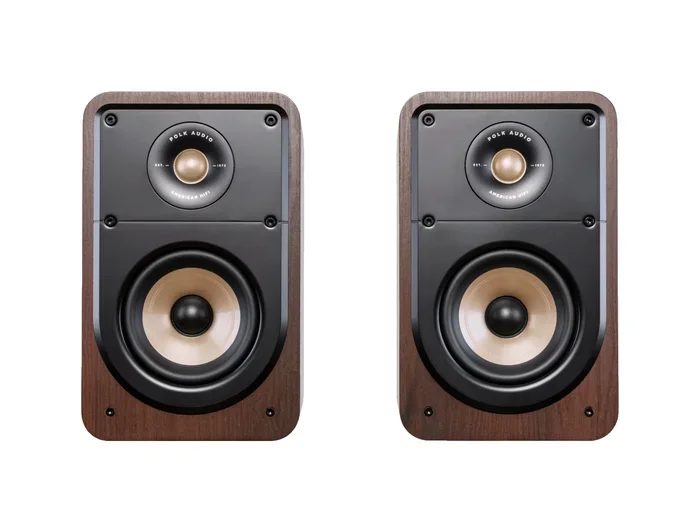
If you’ve ever stared at a pair of 4 Ω bookshelf speakers and wondered how to get the most out of them, you’re not alone. The question pops up a lot in car‑audio forums, home‑theater builds, and DIY speaker projects. The short answer is simple: wiring two 4 Ω speakers in parallel drops the overall impedance to 2 Ω, which can let your amplifier push more power to the drivers. But the devil is in the details.
In this article we’ll break down the math, explain what your amp needs to handle, walk you through the actual wiring steps, and share practical tips to keep your system safe and sounding great. Think of it as a friendly chat over a cup of coffee—no jargon, just clear advice you can act on right away.
Understanding Impedance and Parallel Wiring
What is Impedance?
Impedance, measured in ohms (Ω), is the speaker’s resistance to the flow of alternating current (AC). It’s not a static value; it changes with frequency, but the rating (4 Ω, 8 Ω, etc.) is a useful average for matching speakers to amplifiers.

Visual guide about Two 4 Ohm Speakers in Parallel
Image source: mysticalbee.com
How Parallel Wiring Changes Impedance
When you connect two identical speakers in parallel, the total impedance (Ztotal) is calculated by the formula:
Ztotal = (Z₁ × Z₂) / (Z₁ + Z₂)
Plugging in two 4 Ω speakers gives you:
Ztotal = (4 × 4) / (4 + 4) = 16 / 8 = 2 Ω
So the amp sees a 2 Ω load—half the resistance of a single speaker.
What This Means for Power
Most amplifiers deliver more current (and therefore more power) into lower impedances, up to their design limit. If your amp is rated for 2 Ω, you could see a noticeable boost in volume and bass response because it can push more watts into the speakers.
Is Your Amplifier Ready for 2 Ω?
Check the Specs
Look at the rear panel or the user manual. You’ll usually see something like “2 Ω stable” or “Minimum load: 4 Ω”. If the amp is only rated for 4 Ω, wiring two 4 Ω speakers in parallel could overheat the amp, trigger protection circuits, or even cause permanent damage.

Visual guide about Two 4 Ohm Speakers in Parallel
Image source: s1.cdn.autoevolution.com
Thermal Considerations
Even a “2 Ω stable” amp can get hot if you run it flat‑out for long periods. Give it a good ventilation space, and consider adding a small fan if it’s in a cramped enclosure.
Real‑World Example: Car Audio
In many car‑audio setups, manufacturers provide 2 Ω‑ready amplifiers specifically for pairing two 4 Ω speakers per channel. This lets you get louder sound without buying a bigger amp. However, always verify the amp’s rating before you connect.
Step‑by‑Step: Wiring Two 4 Ω Speakers in Parallel
Materials You’ll Need
- Two 4 Ω speakers (identical or closely matched)
- Speaker wire (16‑18 AWG is typical for most home and car applications)
- Wire strippers and crimping tool
- Heat‑shrink tubing or electrical tape
- Amplifier with a 2 Ω stable rating
Wiring Diagram
Imagine the amp’s positive (+) terminal splitting into two wires, each going to the positive terminal of a speaker. The negative (–) side does the same. This creates two parallel paths.

Visual guide about Two 4 Ohm Speakers in Parallel
Image source: googleworkspace.tscloud.co.jp
Procedure
- Turn everything off. Disconnect power to avoid accidental shorts.
- Strip the wire. Remove about ½ inch of insulation from each end.
- Connect to the amp. Join the two positive wires together (twist and solder or use a banana plug) and attach to the amp’s + terminal. Do the same for the negatives.
- Run to each speaker. Keep the runs as short as possible to reduce resistance and potential noise.
- Secure the connections. Use heat‑shrink tubing or tape to protect the joints.
- Test the system. Power on at low volume, listen for clarity, and gradually increase to check for distortion.
Pro Tip: Keep Wire Gauge Consistent
If you’re running a long distance (over 15 feet), step up to 14‑AWG wire to avoid voltage drop, especially important in 2 Ω setups where current is higher.
Potential Pitfalls and How to Avoid Them
Overheating the Amplifier
Even if your amp is 2 Ω rated, pushing it to its limit for hours can cause overheating. Use a temperature‑monitoring device or simply feel the heat after a few minutes of loud playback.
Distortion and Clipping
If you hear harsh clipping, you’re likely demanding more power than the amp can safely deliver. Back off the volume or upgrade to a higher‑power amp.
Unequal Speaker Sensitivity
Two speakers with different sensitivity (dB SPL per watt) will not share power evenly. Try to match speakers as closely as possible, or use a crossover to balance them.
Noise and Crackle
Loose connections or thin wire can introduce noise. For a deeper dive on speaker noise, see our article Why Do My Speakers Crackle.
Alternative Wiring Options
Series Wiring
Connecting the speakers in series adds the impedances (4 Ω + 4 Ω = 8 Ω). This is safer for amps that can’t handle 2 Ω, but you lose some power potential.
Adding a Series Resistor
If you love the parallel sound but need to raise the load, you can insert a small resistor (1 Ω, 2 W) in series with the parallel pair. This brings the total up to about 3 Ω—still lower than 4 Ω but easier on the amp.
Bi‑amping and Crossover Networks
For multi‑way speakers (woofer + tweeter), you can run each driver on its own channel. This effectively creates a parallel load for each driver while keeping the overall system balanced.
Practical Applications: From Cars to Home Theaters
Car Audio Example
Imagine a compact 50 W mono amp rated for 2 Ω. By wiring two 4 Ω coaxial speakers in parallel per channel, you can fill the cabin with rich sound without upgrading the amp.
Home Theater Example
In a 5.1 setup, the front left and right speakers are often 4 Ω. Wiring them in parallel to a 2 Ω‑stable AV receiver can give you more headroom for dynamic movie scenes.
DIY Project: Building a Portable Bluetooth Box
Use two 4 Ω drivers in parallel, a small 2 Ω‑compatible amp board, and a rechargeable battery. The result is a loud, compact speaker that outperforms a single driver.
Helpful Resource
Need a visual guide on connecting speakers to an amp? Check out How To Wire Speakers To Amp for detailed diagrams.
Conclusion: Get the Most Out of Your 4 Ω Pair
Wiring two 4 Ω speakers in parallel is a straightforward way to lower the load to 2 Ω, allowing a compatible amplifier to deliver more power and louder sound. The key is ensuring your amp can safely handle the lower impedance, using proper gauge wire, and keeping connections tight. Follow the steps above, watch out for heat and distortion, and you’ll enjoy a richer audio experience whether you’re cruising down the highway or watching a blockbuster at home.
Frequently Asked Questions
What happens to the total impedance when two 4 Ω speakers are wired in parallel?
The total impedance becomes 2 Ω, which is calculated by dividing the product of the two impedances by their sum.
Can I use any amplifier with a 2 Ω load?
No. Only amplifiers that are specifically rated as “2 Ω stable” should be used. Using an amp that’s only 4 Ω rated can cause overheating and damage.
Will each speaker get the same amount of power?
If the speakers have the same sensitivity and are wired correctly, they will share the power roughly equally.
Is it safe to run a 2 Ω load for long periods?
It can be, as long as the amp stays within its thermal limits and has adequate ventilation. Monitor temperature during extended use.
How can I reduce noise when wiring speakers in parallel?
Use proper gauge wire, keep connections tight, and avoid running speaker wires near power cables. For more on crackling issues, see Why Do My Speakers Crackle.
What if my amplifier can’t handle 2 Ω?
You can wire the speakers in series (resulting in 8 Ω) or add a small series resistor to raise the overall impedance to a safer level.