Two Speakers on One Channel
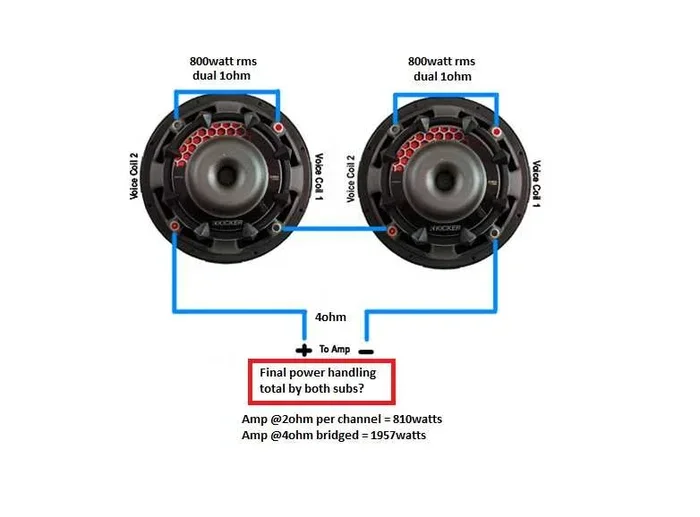
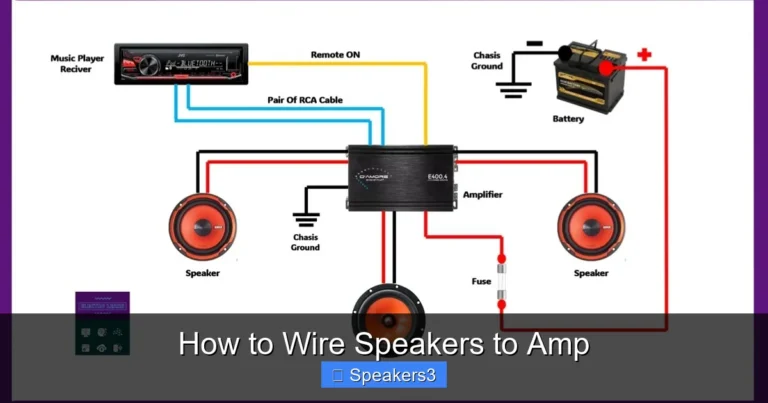
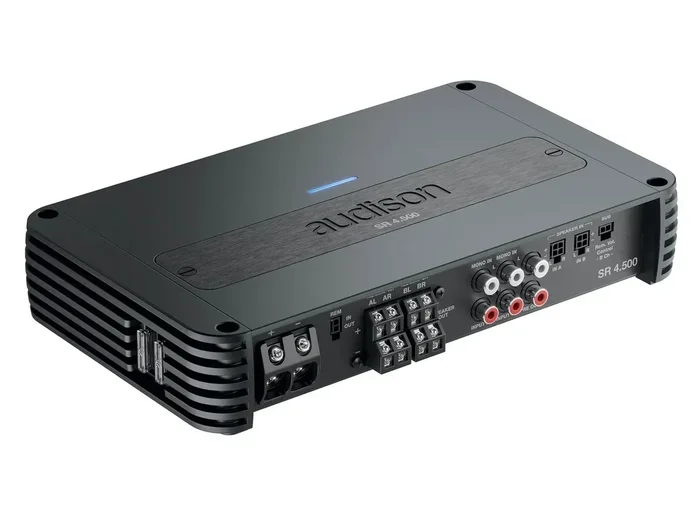
Connecting two speakers on one channel is possible, but you must manage impedance and power carefully to avoid damage. You can wire them in series or parallel, depending on your amplifier and speaker ratings. This guide explains safe wiring methods, sound quality trade-offs, and practical setup tips. Use the right approach, and you can enjoy fuller audio without stressing your amp. Always check your gear specs before making connections.
This is a comprehensive guide about two speakers on one channel.
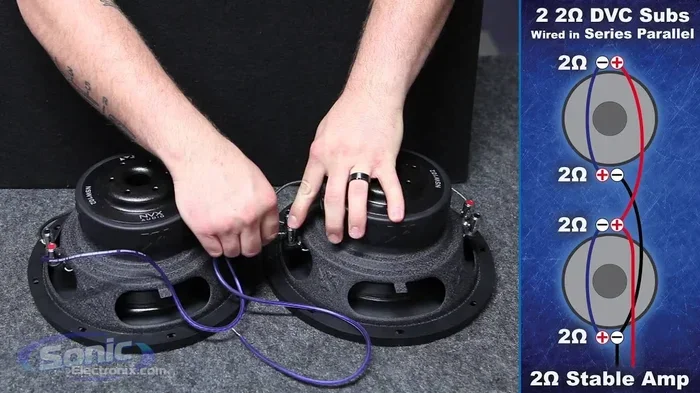
Visual guide about dual car speakers wiring
Image source: i.ytimg.com
Key Takeaways
- Understand impedance first: matching speaker ohms to your amplifier helps prevent overheating and damage.
- Series wiring raises total impedance: this is safer for many amps, but each speaker may get less power.
- Parallel wiring lowers total impedance: this can increase power, but only if your amp supports the lower load.
- Check power handling: two speakers on one channel can split output, so balance volume and clarity.
- Watch for sound quality changes: adding speakers may affect bass response, imaging, and overall loudness.
- Use proper connections: secure wiring, correct polarity, and clean terminals reduce noise and failure risk.
- Verify your amp limits: not every receiver or amplifier is built for multiple speakers per channel.
[FEATURED_IMAGE_PLACEHOLDER]
Two Speakers on One Channel: What You Need to Know
Many people want a bigger sound without buying extra amplifiers. That is why two speakers on one channel is such a common question. It seems simple at first. You have one amp output, and you want to feed two speakers. But audio wiring is not just about plugging things together. Impedance, power, and speaker type all matter.
If you rush this process, you can weaken your sound or even stress your equipment. If you do it carefully, you can get a practical setup that works well for a room, a vehicle, or a small event. The key is to understand what your amplifier can handle and how your speakers behave when they share a signal.
In this guide, we will keep things simple. You will learn the main wiring options, the safest ways to connect everything, and the mistakes that often cause trouble. We will also look at how this setup affects loudness, clarity, and day-to-day use. By the end, you should know whether this approach makes sense for your system.
Why People Want Two Speakers on One Channel
The biggest reason is convenience. One amplifier channel can be enough when you want sound in more than one place. For example, you may want left and right coverage in a small room, or you may want to spread sound across a wider space without adding another amp. Using two speakers on one channel can also be helpful when you are working with a limited budget or a compact setup.
Another reason is simplicity. Fewer amplifiers mean less power cabling, less control complexity, and less space needed for equipment. That can be appealing in cars, home listening rooms, and basic installed audio systems. People also ask about this setup when they already have an amp and want to use it more fully.
Still, convenience should never beat safety. A setup only works well when the amplifier and speakers are compatible. If the load is too low, the amp may overheat or shut down. If the load is too high, the system may sound weak. So the real goal is balance: getting more coverage without pushing your gear beyond its design.
Understanding Impedance Before You Connect
Impedance is one of the most important ideas in speaker wiring. It is usually measured in ohms and acts like electrical resistance for audio signals. Your amplifier is designed to work best within a certain impedance range. When you connect two speakers on one channel, the total impedance changes depending on how you wire them.
This matters because amplifiers are not all built the same. Some handle lower impedance better than others. Some are more comfortable with higher loads. If you ignore this, you may get poor performance or a protection shutdown. The good news is that you do not need to be an electrical expert. You just need to know the basics and check the numbers before powering anything on.
Series Wiring and Its Effect
In a series connection, the signal passes through one speaker and then the next. This raises the total impedance. For example, two 4-ohm speakers wired in series create an 8-ohm load. That is often easier for many amplifiers to handle. The tradeoff is that each speaker may receive less power than it would alone.
Series wiring is a good option when you want a safer load for the amplifier. It can also be useful when your speakers have moderate sensitivity and you do not need extreme volume. The downside is that the setup may not sound as loud as you expect, especially in a large space.
Parallel Wiring and Its Effect
In a parallel connection, each speaker gets the full signal at the same time. This lowers the total impedance. Two 4-ohm speakers in parallel create a 2-ohm load. That can allow more power to flow, but only if the amplifier is designed for it. If the amp is not stable at that lower impedance, you may run into problems quickly.
Parallel wiring is often chosen when people want more output from a single channel. It can work well with amps that are built for lower loads. But it is not a universal solution. You should always confirm that the amplifier can handle the resulting impedance before using this method.
How to Wire Two Speakers on One Channel Safely
A safe connection starts with checking specifications. Look at the amplifier’s impedance rating and the speakers’ impedance. Then decide whether series or parallel wiring makes more sense. If you are unsure, series is usually the more conservative choice because it keeps the total load higher.
Next, make sure your wiring is clean and secure. Use the correct wire size for the distance and power level. Keep connections tight, and avoid loose strands that could cause shorts. Polarity also matters. If one speaker is wired backward, the sound can cancel in strange ways and weaken the overall output.
It also helps to think about where the speakers will sit. If they are far apart, the sound may not blend smoothly. If they are close together, the setup may act more like a single larger radiating area. In other words, wiring is only part of the story. Placement matters too.
Step-by-Step Connection Basics
1. Turn the amplifier off before making any connections.
2. Check the speaker impedance and amplifier limits.
3. Choose series or parallel wiring based on those numbers.
4. Connect the wires firmly to the correct terminals.
5. Verify polarity so both speakers move in the same direction.
6. Power the system on at low volume first.
7. Listen for distortion, heat, or protection behavior.
This simple routine can prevent many common issues. It also gives you a chance to hear whether the setup is behaving well before you push it harder. If anything sounds off, stop and recheck the wiring.
When Series Makes More Sense
Series wiring is often the smarter choice when your amplifier prefers higher impedance. It is also useful if your speakers are not extremely efficient and you want a more conservative setup. Another advantage is that series wiring can be easier on some amps during long listening sessions because the load is less demanding.
The main limitation is power distribution. Since the load is higher, the channel may not deliver as much output as you want. If you need strong room-filling sound, this method may feel restrained. Still, it can be a reliable way to use two speakers on one channel without pushing equipment too hard.
When Parallel Makes More Sense
Parallel wiring can be a better fit when your amplifier is stable at lower impedance and you want more loudness from the same channel. It may also suit situations where the speakers are efficient and the room is small. In those cases, the lower total load can help the system work harder.
The risk is clear: if the amp is not designed for that impedance, the setup may fail or perform poorly. So parallel wiring is not about getting more sound at any cost. It is about matching the wiring method to an amplifier that can actually support it.
Power, Loudness, and Sound Quality Considerations
Adding a second speaker does not automatically double the loudness. Audio power and perceived volume do not work that way. When you connect two speakers on one channel, the amplifier’s output is shared across the load. Depending on the wiring, each speaker may get less power, more power, or about the same amount, but never in a perfectly simple way.
Sound quality can also change. Two speakers may improve coverage and make the sound feel wider. But if the amp is strained, you may notice distortion or reduced control. If the speakers are not well matched, one may dominate the other. That can make the listening experience less balanced.
Another factor is speaker type. Some speakers are designed for clear midrange and vocals. Others are built to handle more bass energy. If you mix very different speakers on the same channel, the result may not be cohesive. For better sound, it is usually best to use similar speakers whenever possible.
Speaker Matching Tips
- Use speakers with similar impedance when possible.
- Try to match sensitivity so one speaker does not overpower the other.
- Keep the speaker types consistent for smoother sound.
- Avoid mixing damaged or uneven speakers on the same channel.
- Check that both speakers are in good condition before wiring.
Volume and Thermal Safety
Start at a low volume and increase gradually. Listen for signs of stress such as buzzing, harsh distortion, or an amplifier that gets unusually hot. These are signals that the setup may not be ideal. If the amp has protection features, respect them. They exist to help prevent damage.
If you need more volume, do not assume the answer is always to add another speaker to the same channel. Sometimes the better solution is a more capable amplifier, better speaker placement, or a different wiring configuration. Good sound is not just about quantity. It is also about control and clarity.
Common Mistakes When Using Two Speakers on One Channel
One of the most common mistakes is ignoring impedance. People often focus on the speakers themselves and forget that the amplifier has limits. That can lead to a load that is too low or too high for the amp. Another mistake is assuming any two speakers will work well together just because they fit physically.
Poor wiring is also a frequent problem. Loose connections, wrong polarity, and thin wire can all hurt performance. In some cases, the system may still play, but not in a reliable or safe way. Another issue is overdriving the setup. If you crank the volume too high, you may mask early warning signs until something fails.
Quick Warning Signs
- The amplifier gets hot faster than usual.
- Sound becomes distorted at moderate volume.
- The system shuts off or enters protection mode.
- One speaker sounds much louder or weaker than the other.
- You hear rattling, buzzing, or intermittent cutouts.
How to Avoid These Problems
The best defense is preparation. Check the specifications first. Use the correct wiring method. Keep the connections neat. Test the system gently before using it at full volume. If you are ever unsure, it is better to choose a more conservative setup than to guess and hope for the best.
It also helps to think long term. A setup that works for a short test may not be ideal for daily use. If you plan to leave the system powered for long periods, give the amplifier enough breathing room. Reliable performance matters more than squeezing out a little extra sound.
Best Use Cases for Two Speakers on One Channel
This setup can work well in small to medium spaces where full coverage is more important than extreme power. It may be useful in a bedroom, office, workshop, or compact vehicle audio setup. It can also help when you want wider sound staging from a single amplifier channel without adding much complexity.
It is also practical when the speakers are similar and the amplifier is compatible with the resulting load. In those situations, you can get a useful boost in coverage without needing a second amplifier. That makes the approach appealing for simple installations and casual listening.
However, this is not always the best choice for high-demand systems. If you need strong bass, high volume, or precise control across a large area, a more robust configuration may be better. The goal is to match the setup to the job, not to force a small system to do a big job.
Good Situations to Consider
- Small rooms where broader coverage is helpful.
- Simple setups with limited amplifier channels.
- Comparable speakers that share similar specs.
- Low to moderate listening requirements.
- Installations where simplicity matters more than maximum power.
Situations to Reconsider
- Large spaces that need high output.
- Amplifiers with strict impedance limits.
- Speakers with very different characteristics.
- Applications where distortion must stay extremely low.
- Systems that need independent control of each speaker.
Final Thoughts on Two Speakers on One Channel
Using two speakers on one channel can be a practical solution when done carefully. The most important thing is to understand the electrical load and make sure your amplifier can support it. Series and parallel wiring both have their place, but each one comes with tradeoffs in safety, power, and sound character.
If you keep the setup balanced, use similar speakers, and check your connections, you can get a usable and efficient result. If you skip the basics, you may end up with weak sound or equipment stress. So take your time, verify the specs, and test the system gradually. That is the best way to make this kind of setup work for real-world listening.
In the end, the right choice depends on your goals. If you want simplicity and broader coverage from a single channel, this approach can make sense. If you need more power, more control, or better performance in a demanding space, you may want to consider other options. Either way, a thoughtful setup will always sound better than a rushed one.
Frequently Asked Questions
Can I connect two speakers to one amplifier channel?
Yes, you can connect two speakers on one channel if the amplifier supports the resulting impedance. You usually wire them in series or parallel, depending on the speaker ohms and the amp’s limits.
Will two speakers on one channel sound louder?
Not always. Adding a second speaker can improve coverage, but the power is still shared by the channel. Depending on wiring, the system may sound fuller, but not necessarily twice as loud.
Is series or parallel wiring better for two speakers?
It depends on your amplifier. Series wiring usually creates a higher impedance load and is often safer for many amps. Parallel wiring lowers impedance and may increase output, but only if the amp can handle it.
What happens if the impedance is too low for the amp?
The amplifier may overheat, distort, or enter protection mode. In some cases, it can be damaged over time. That is why it is important to check the amp’s rated impedance range before connecting two speakers on one channel.
Do both speakers need to be the same?
They do not have to be identical, but using similar speakers usually gives better results. Matching impedance and sensitivity helps the sound stay balanced and reduces the chance that one speaker dominates the other.
How can I tell if my setup is safe?
Start with low volume, listen for distortion, and watch for heat or protection behavior. If the amplifier runs steadily and the sound stays clean, the setup is more likely to be safe. If you notice problems, recheck the wiring and impedance immediately.