What Is the Biggest Nvme Ssd

The biggest NVMe SSD available today reaches up to 8TB in consumer models and even larger in enterprise options. These high-capacity drives offer blazing-fast speeds and massive storage for gamers, creators, and professionals. Let us break down everything you need to know about the largest NVMe SSDs on the market.
Key Takeaways
- Largest Consumer NVMe SSD: The biggest consumer NVMe SSDs currently top out at 8TB, with brands like Samsung and Solidigm leading the way.
- Enterprise Options Go Bigger: Enterprise-grade NVMe drives can reach 15TB and beyond for data centers and servers.
- Speed Matters Too: Bigger does not always mean faster. PCIe Gen4 and Gen5 NVMe SSDs offer the best performance at any size.
- Price Scales with Capacity: Larger NVMe SSDs cost significantly more per gigabyte than smaller ones.
- Form Factor Matters: The biggest NVMe SSDs come in M.2 and U.2 form factors, and compatibility depends on your system.
- Future Outlook: 16TB and 32TB consumer NVMe drives are on the horizon as NAND flash technology advances.
📑 Table of Contents
- What Is the Biggest Nvme Ssd?
- Understanding NVMe SSD Form Factors
- Top Biggest NVMe SSDs Available Today
- Enterprise NVMe SSDs: Going Way Beyond 8TB
- What to Consider Before Buying a Big NVMe SSD
- How Big NVMe SSDs Are Changing the Storage Game
- Common Mistakes When Buying Large NVMe SSDs
- The Future of Big NVMe SSDs
- Conclusion
What Is the Biggest Nvme Ssd?
When people ask about what is the biggest nvme ssd, they usually want to know the largest storage capacity available. The answer depends on whether you are looking at consumer drives or enterprise-grade options. As of 2026, the biggest consumer NVMe SSDs reach up to 8 terabytes. On the enterprise side, you can find drives exceeding 15 terabytes.
NVMe stands for Non-Volatile Memory Express. It is a protocol designed specifically for flash storage. Unlike older SATA connections, NVMe uses the PCIe bus to deliver much faster speeds. This is why NVMe SSDs have become the go-to choice for anyone who wants high-performance storage.
The largest NVMe SSD you can buy off the shelf is typically an 8TB model. These drives are perfect for video editors, gamers with massive libraries, and professionals who work with large datasets. But the world of NVMe storage is always evolving. New models with even bigger capacities come out every year.
Understanding NVMe SSD Form Factors
Before diving into the biggest options, it helps to understand the physical shapes NVMe SSDs come in. The form factor affects what your computer can support.
M.2 NVMe SSDs
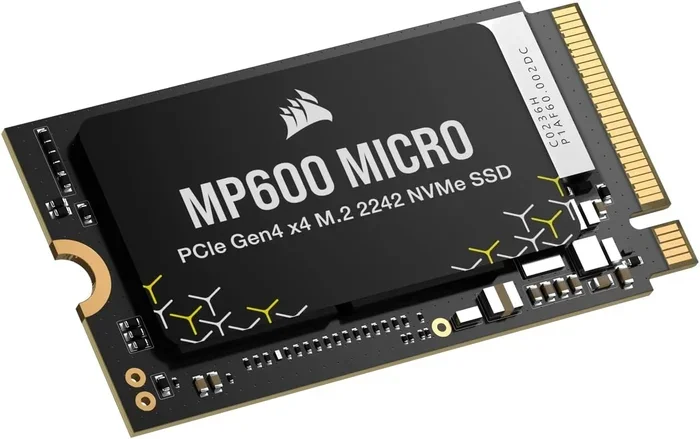
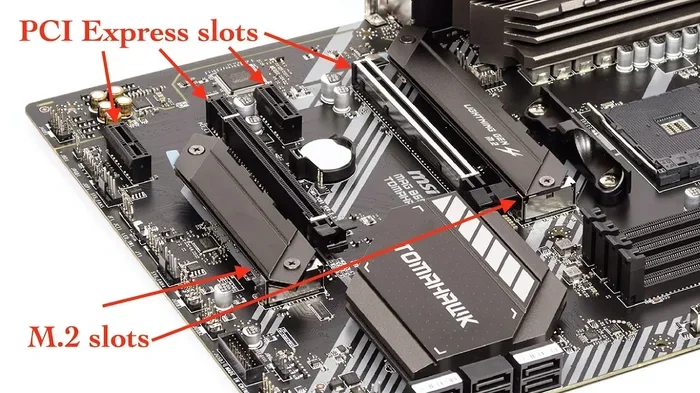
M.2 is the most common form factor for NVMe drives. These are small, rectangular sticks that plug directly into your motherboard. Most M.2 NVMe SSDs come in the 2280 size, which means they are 22 millimeters wide and 80 millimeters long. Some big-capacity M.2 drives use a thicker design to fit more NAND flash chips inside.
U.2 NVMe SSDs
U.2 drives are larger and typically found in servers and workstations. They look like traditional 2.5-inch hard drives but use the NVMe protocol. U.2 drives can hold more storage because of their bigger chassis. This is one reason why enterprise NVMe storage often comes in U.2 form.
Add-in Card NVMe SSDs
Some of the biggest NVMe SSDs come in PCIe add-in card formats. These plug into a graphics card slot on your motherboard. They offer excellent cooling and can hold massive amounts of storage. Companies like Samsung have released add-in card NVMe drives that push past the 8TB mark.
Top Biggest NVMe SSDs Available Today
Let us look at the actual drives that hold the most storage right now. These are the largest NVMe SSD options you can buy in 2026.
Samsung 990 Pro 8TB
Samsung has long been a leader in NVMe storage. The 990 Pro in 8TB capacity is one of the biggest consumer NVMe SSDs you can find. It uses PCIe Gen4 technology and delivers read speeds up to 7,450 MB per second. This drive is perfect for people who need massive NVMe storage without sacrificing speed.
The Samsung 990 Pro is also known for its reliability. It comes with a five-year warranty, which gives you peace of mind. The price is steep, but for the capacity and performance, it is one of the best options available.
Solidigm P41 Drive Series
Solidigm (formerly Intel NAND) offers some of the highest-capacity NVMe SSDs in the world. Their P41 series includes models up to 8TB. These drives use PCIe Gen4 and are built for both consumers and professionals. Solidigm drives are known for their endurance and consistent performance over time.
If you are wondering whether a large Solidigm drive is right for you, you might want to check this guide on evaluating NVMe SSD quality for tips that apply across brands.
Seagate FireCuda 530 8TB
Seagate entered the high-capacity NVMe game with the FireCuda 530. The 8TB version offers excellent sequential read speeds and a durable design. It is a strong competitor to the Samsung 990 Pro. The FireCuda 530 also features a five-year warranty and robust error correction.
WD Black SN850X 8TB
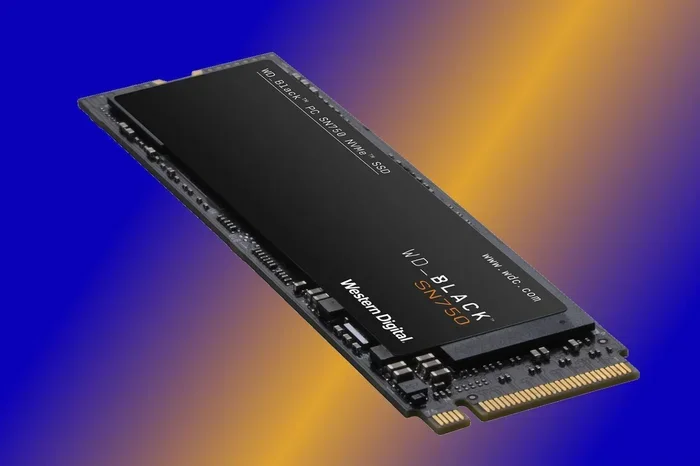
Western Digital’s Black series is popular among gamers and creators. The SN850X in 8TB capacity delivers top-tier performance. It uses PCIe Gen4 and supports the latest NVMe features. WD has built a reputation for reliable high capacity NVMe drives, and the SN850X continues that tradition.
Enterprise NVMe SSDs: Going Way Beyond 8TB
The consumer market tops out around 8TB for now. But the enterprise world goes much further. Data centers and cloud providers need enormous amounts of fast storage. That is where the really big NVMe SSDs come in.
Samsung PM Series Enterprise Drives
Samsung’s PM series includes enterprise NVMe SSDs with capacities up to 30TB and beyond. These drives use advanced NAND technology and are built for 24/7 operation. They are not meant for home use but are essential for modern data centers.
Solidigm D7 Series
Solidigm also targets the enterprise market with drives exceeding 15TB. These U.2 form factor NVMe SSDs are designed for servers and storage arrays. They offer high endurance and consistent performance under heavy workloads.
Kioxia and Micron Enterprise Drives
Other brands like Kioxia and Micron also produce large-capacity enterprise NVMe SSDs. These companies are pushing the boundaries of NAND flash density. The goal is to pack more terabytes into a single drive without sacrificing speed or reliability.
What to Consider Before Buying a Big NVMe SSD
Before you rush out to buy the biggest NVMe SSD you can find, there are a few things to think about. Not every drive is right for every user.
Check Your System Compatibility
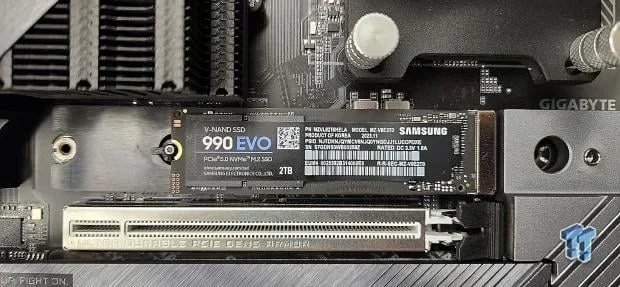
Your motherboard needs to support the drive you want to buy. Not all systems can handle 8TB M.2 NVMe SSDs. Check your motherboard manual for the maximum supported capacity. Some older systems may not recognize very large NVMe drives properly.
Also, consider the physical space inside your computer. M.2 slots are limited on most motherboards. If you already have a GPU and other drives installed, you might not have room for a large NVMe SSD. In that case, you may want to look at external NVMe enclosures or consider what happens if your NVMe drive disconnects unexpectedly to understand the risks of physical installation.
Think About Your Budget
Big NVMe SSDs are expensive. An 8TB drive can cost anywhere from $400 to $700 or more depending on the brand and model. Enterprise drives go even higher in price. Before you buy, ask yourself if you really need that much storage. Sometimes a smaller, faster drive paired with a traditional hard drive makes more sense financially.
Speed vs Capacity Trade-Off
Larger NVMe SSDs do not always mean faster ones. Some high-capacity drives use slower NAND chips to fit more storage into the same form factor. If speed is your priority, look for drives that use PCIe Gen4 or the newer PCIe Gen5 standard. You can learn more about how NVMe compares to other SSD types by reading this comparison of NVMe vs SATA SSD speeds.
Warranty and Endurance
Big NVMe SSDs are a long-term investment. Look for drives with at least a five-year warranty. Pay attention to the TBW rating, which stands for Terabytes Written. This tells you how much data you can write to the drive over its lifetime. Higher TBW ratings mean better durability.
How Big NVMe SSDs Are Changing the Storage Game
The trend toward larger NVMe SSDs is reshaping how people store and access data. Here are some ways these massive drives are making a difference.
Gaming: Modern game installations can easily exceed 100GB each. With an 8TB NVMe SSD, you can store dozens of games and load them in seconds. No more waiting for downloads or swaps.
Video Production: Video editors work with massive files. A single 4K video project can take up hundreds of gigabytes. Having a big NVMe SSD means faster editing, smoother playback, and more room for raw footage.
AI and Machine Learning: AI researchers need to store and process enormous datasets. High-capacity NVMe SSDs provide the speed and capacity required for training models and running simulations.
Content Creation: Photographers and musicians store thousands of high-resolution files. A large NVMe SSD keeps everything organized and accessible without relying on external drives.
Common Mistakes When Buying Large NVMe SSDs
Even experienced buyers can make mistakes when shopping for big NVMe storage. Here are a few to avoid.
- Ignoring compatibility: Not every motherboard supports 8TB drives. Always check before you buy.
- Overlooking cooling: Large NVMe SSDs can run hot. Make sure your case has proper airflow or consider a heatsink.
- Skipping backups: No matter how big your NVMe SSD is, always keep backups. A drive failure can happen to anyone.
- Buying the wrong form factor: Make sure you get an M.2 drive if your system uses M.2 slots. U.2 drives will not fit in M.2 slots.
- Ignoring the warranty: A good warranty can save you a lot of money if something goes wrong.
If you are worried about physical handling, you might wonder what happens if an NVMe SSD falls out of its slot during installation. This article covers that topic in detail and offers practical advice to prevent damage.
The Future of Big NVMe SSDs
The future looks bright for large-capacity NVMe storage. Manufacturers are constantly pushing the limits of what is possible. Here is what we can expect in the coming years.
PCIe Gen5 and Gen6: The next generation of NVMe SSDs will offer even faster speeds. PCIe Gen5 drives are already hitting the market, and Gen6 is on the roadmap. These faster protocols will make even the biggest NVMe SSDs feel snappier.
Higher Capacities: We are likely to see 16TB and 32TB consumer NVMe SSDs within the next few years. Advances in NAND flash technology, especially QLC and PLC (penta-level cell), will make this possible.
Lower Prices: As production scales up, the cost per gigabyte will continue to drop. What is expensive today may become affordable in a few years. This means more people will be able to enjoy the benefits of large NVMe storage.
Better Endurance: New NAND technologies will also improve the lifespan of high-capacity drives. This is especially important for enterprise users who write vast amounts of data every day.
For those who want to learn more about the technical side of NVMe storage, understanding what happens when a NVMe SSD disconnects can give you valuable insight into drive health and stability.
Conclusion
The biggest NVMe SSD available today reaches 8TB for consumers and goes well beyond 15TB in enterprise settings. Whether you are a gamer, a video editor, or a data center operator, there is a large-capacity NVMe drive that fits your needs. The key is to choose the right drive based on your budget, your system compatibility, and your performance requirements.
When you ask what is the biggest NVMe SSD, remember that the answer keeps growing. Technology advances fast, and tomorrow’s drives will be even bigger and faster than today’s. Start with what you need now, but keep an eye on the horizon for even more impressive options.
Invest in quality, check your compatibility, and always back up your data. A big NVMe SSD is a powerful tool, but it works best when you use it wisely. Happy storing.
Frequently Asked Questions
What is the biggest NVMe SSD for consumers?
The biggest NVMe SSD for consumers currently available is 8TB. Brands like Samsung, Solidigm, Seagate, and Western Digital all offer 8TB models. These drives deliver excellent speed and massive storage for demanding users.
Are 8TB NVMe SSDs worth the price?
It depends on your needs. If you work with large files, have a massive game library, or need fast local storage, an 8TB NVMe SSD is absolutely worth it. For casual users, a smaller drive may be more cost-effective.
Can any computer use the biggest NVMe SSD?
No, not every computer can support the largest NVMe SSDs. Your motherboard must have an M.2 or U.2 slot that supports the drive’s capacity and protocol. Always check your system specifications before purchasing.
How fast are the biggest NVMe SSDs?
The biggest NVMe SSDs use PCIe Gen4 or Gen5 technology. Read speeds typically range from 5,000 MB per second to over 12,000 MB per second. Write speeds are slightly lower but still very fast.
What is the biggest enterprise NVMe SSD?
Enterprise NVMe SSDs can reach 30TB or more. These drives are designed for data centers and servers. They offer extreme endurance and consistent performance under heavy workloads.
Will NVMe SSDs keep getting bigger?
Yes, NVMe SSD capacities are growing every year. Advances in NAND flash technology will continue to push the limits. Expect to see even larger consumer drives in the near future.