What Is a Mono Amplifier
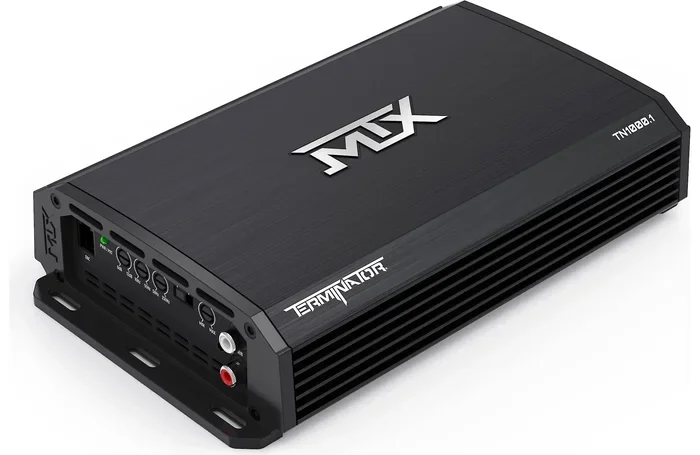
A mono amplifier is a single-channel audio device designed to power one speaker or a pair of speakers with the same audio signal. It is especially popular in car audio and subwoofer setups where focused, powerful bass output is the goal. Understanding how a mono amplifier works helps you make better decisions for your sound system.
If you have ever wondered why some car audio systems hit so hard in the bass department, the answer often comes down to one component: the mono amplifier. This single-channel powerhouse is the backbone of countless subwoofer setups, and it plays a role that a standard stereo amp simply cannot fill. Whether you are building a new sound system or upgrading an existing one, understanding what a mono amplifier does can change the way you listen to music forever.
A mono amplifier takes an audio signal and amplifies it through a single channel. That signal then goes to one speaker or a pair of speakers wired together. This focused approach means all the energy goes where it matters most. For bass-heavy music like hip-hop, electronic dance music, and rock, a mono amplifier delivers the kind of punch that stereo setups often struggle to match. In this guide, we will break down everything you need to know about these devices, from how they work to how to pick the right one for your setup.
Key Takeaways
- A mono amplifier uses one channel to deliver power: Unlike stereo amps, it sends the same signal to both sides, making it ideal for bass and low-frequency duties.
- Mono amplifiers are perfect for subwoofers: They deliver concentrated power to a single driver, producing deep and impactful bass.
- Wattage and impedance matching matter: Choosing the right amp means matching its RMS power rating to your speaker’s requirements.
- Mono amps are simpler to wire: With fewer channels, setup is more straightforward compared to multi-channel amplifiers.
- They come in different amplifier classes: Class D, Class AB, and Class A each offer different efficiency and sound quality trade-offs.
- Bridging is not needed with mono amps: Since they already focus all power on one channel, they are inherently efficient for single-speaker applications.
📑 Table of Contents
What Is a Mono Amplifier?
A mono amplifier is an audio amplifier that uses a single channel to boost an electrical signal. The word “mono” comes from monaural, meaning one sound channel. This is different from a stereo amplifier, which uses two separate channels to power two different speakers. A mono amplifier sends the same amplified signal to one speaker or a matched pair of speakers.
In simple terms, think of a mono amplifier as a speaker that has been turned up to eleven. It takes a small audio input from your head unit or source device and multiplies it into a much stronger signal. That signal then drives your speaker with precision and force. Because all the power is concentrated in one channel, mono amplifiers are incredibly efficient at moving a single driver, especially subwoofers.
How Does a Mono Amplifier Work?
The basic process starts when an audio signal enters the amplifier from your source. This signal is weak and needs boosting. The mono amplifier uses its internal circuitry to increase the voltage and current of that signal. The result is a much stronger output that can push a speaker cone back and forth with greater force.
Inside the amp, you will find components like transistors, capacitors, and transformers (depending on the design). These work together to clean up the signal and add power. The amplifier class determines how efficiently this process happens. For example, Class D mono amplifiers use switching technology to minimize heat loss, while Class AB amps offer a warmer sound profile. Both have their place in the world of car audio.
Mono Amplifier vs. Stereo Amplifier
Understanding the difference between a mono amplifier and a stereo amplifier helps you choose the right gear. A stereo amp has two independent channels, each powering a separate speaker. This is great for creating a wide soundstage in your listening space. A mono amplifier, on the other hand, focuses all its power on one output.
Here is a simple comparison to illustrate the key differences:
- Channels: A stereo amp has two channels; a mono amplifier has one.
- Power Focus: A stereo amp splits its power between two outputs. A mono amplifier delivers all its power to a single load.
- Best Use Case: Stereo amps are ideal for full-range music listening. Mono amplifiers excel at driving subwoofers and low-frequency speakers.
- Wiring Complexity: A mono amplifier is simpler to install because there are fewer connections.
- Cost Efficiency: For powering a single subwoofer, a mono amplifier is often more affordable than buying two stereo channels of equivalent power.
One important thing to note is that you cannot always replace a stereo amp with a mono amp and expect the same results. A mono amplifier is purpose-built for focused bass output. It is not designed to drive your front door speakers and your subwoofer at the same time. That said, some advanced mono amplifiers can be wired in ways that allow them to power multiple speakers, but this requires careful planning.
Common Uses for Mono Amplifiers
Mono amplifiers are incredibly versatile, but they truly shine in specific applications. Let us explore where these devices are most commonly used and why they are the go-to choice in those scenarios.
Car Audio and Subwoofer Systems
The most popular use for a mono amplifier is in car audio systems, especially those centered around subwoofers. When you want deep, room-shaking bass in your vehicle, a mono amplifier is the way to go. It sends all available power to the subwoofer, ensuring that the bass response is tight, clean, and powerful.
Car audio enthusiasts often pair a mono amplifier with a powered subwoofer or a set of passive subwoofers. The amp handles the heavy lifting of low-frequency reproduction, while the head unit manages the midrange and high frequencies. This division of labor creates a balanced and immersive listening experience inside the vehicle.
If you are serious about your car stereo setup, a dedicated mono amplifier is almost a necessity. Stock audio systems simply cannot compete with the bass depth that a properly powered subwoofer and mono amplifier combination can deliver. Whether you are cruising through the city or parked at a gathering, the difference is night and day.
Home Theater and Music Production
While car audio is the most common use case, mono amplifiers also find a place in home theater setups and music production environments. In a home theater, a mono amplifier can power a center channel speaker or a dedicated subwoofer, ensuring that dialogue and low-frequency effects come through with clarity.
In music production, engineers sometimes use a mono amplifier to check how a mix translates on a single speaker. This helps identify phase issues and frequency imbalances that might be hidden in a stereo mix. The focused output of a mono amplifier makes it a useful diagnostic tool in the studio.
How to Choose the Right Mono Amplifier
Selecting the right mono amplifier for your setup involves understanding a few key specifications. Let us walk through the most important factors you should consider before making a purchase.
Understanding Wattage and Power Ratings
Wattage is one of the first things people look at when shopping for a mono amplifier. The wattage rating tells you how much power the amp can deliver to your speaker. There are two main types of power ratings you will encounter: peak power and RMS power.
RMS power (Root Mean Square) is the continuous power an amplifier can handle without distortion. This is the number you should focus on when choosing a mono amplifier. Peak power represents the maximum burst of power the amp can produce for a short moment, but it is not a reliable indicator of day-to-day performance.
As a rule of thumb, you want your mono amplifier to match or slightly exceed the RMS rating of your speaker. If your subwoofer is rated at 500 watts RMS, look for a mono amplifier that delivers around 500 to 600 watts RMS. This ensures you have enough headroom for clean, undistorted bass.
Matching Impedance Correctly
Speaker impedance, measured in ohms, is another critical factor. Most subwoofers and speakers used with mono amplifiers are rated at either 2 ohms or 4 ohms. Your mono amplifier must be stable at the impedance of your speaker load.
If you wire two 4-ohm speakers in parallel, the total impedance drops to 2 ohms. Your mono amplifier needs to handle this load without overheating or triggering protection mode. Always check the amplifier’s specifications to confirm its stability at different impedance levels before wiring your speakers.
Amplifier Class and Efficiency
Mono amplifiers come in different classes, and each class offers its own advantages. Class D mono amplifiers are the most popular choice for car audio because they are highly efficient and produce less heat. Class AB amps offer excellent sound quality but generate more heat and consume more power. Class A amps deliver the purest sound but are the least efficient and are rarely used in mobile applications.
For most car audio enthusiasts, a Class D mono amplifier strikes the best balance between performance, efficiency, and value. If you prioritize sound quality above all else, a Class AB mono amplifier might be worth the extra heat and power draw.
Setting Up Your Mono Amplifier
Installing a mono amplifier is more straightforward than setting up a multi-channel system. However, proper installation makes a huge difference in performance and longevity. Here are some practical tips to help you get the most out of your setup.
Wiring Tips and Best Practices
Start by using the correct gauge wire for your power and ground connections. Thicker wire (lower gauge number) carries more current with less resistance. A mono amplifier that is starved of power will not perform at its best, no matter how powerful it is on paper.
When wiring your speakers, make sure the positive and negative terminals are connected correctly. Reversing the polarity can cause phase cancellation, which weakens the bass response and muddies the sound. If you are using multiple speakers with a single mono amplifier, wire them in parallel or series depending on the impedance requirements.
For optimal frequency response, position your subwoofer in a sealed or ported enclosure that matches the driver’s specifications. The mono amplifier and the enclosure work together to produce the best possible bass output. A poorly designed enclosure will limit the performance of even the best mono amplifier.
Some audiophiles also explore bi-wiring speakers to improve signal clarity. While this technique is more common with full-range speakers, understanding your wiring options helps you get the most from your mono amplifier setup.
Adjusting Amplifier Gain
Setting the gain correctly on your mono amplifier is essential for avoiding distortion and protecting your speakers. Start by turning the gain down all the way. Play music at your typical listening volume and slowly increase the gain until you reach your desired output level without any clipping or distortion.
Proper amplifier gain setting ensures that the signal from your head unit is amplified cleanly. If the gain is too high, the amplifier will clip the signal, which can damage your speakers over time. If it is too low, you will not be getting the full potential of your mono amplifier.
Common Mistakes to Avoid
Even experienced audio enthusiasts make mistakes when setting up a mono amplifier. Here are some common pitfalls to watch out for:
- Mismatching power ratings: Pairing an underpowered amp with a high-wattage speaker leads to distortion. Always match the RMS ratings.
- Ignoring impedance compatibility: Running a mono amplifier at an unstable impedance can cause the amp to shut down or overheat.
- Undersized power cables: Thin power cables restrict current flow and limit the amp’s output. Use the correct gauge for your power needs.
- Neglecting ground connections: A poor ground causes noise, static, and poor performance. Always connect the ground wire to a clean, bare metal surface.
- Overlooking the enclosure design: A mono amplifier is only as good as the speaker and enclosure it drives. Invest in a quality subwoofer enclosure.
- Skipping the fuse: Always install an appropriate fuse close to the battery to protect your mono amplifier and wiring from electrical faults.
Another mistake people make is assuming that more power always means better sound. A mono amplifier with excessive power that is never turned up will not sound any better than a properly matched amp. The key is finding the right balance between your amplifier’s output and your speaker’s handling capacity.
Final Thoughts
A mono amplifier is one of the most effective tools you can add to any audio setup. Whether you are chasing deep bass in your car or refining your home listening experience, a mono amplifier delivers focused, powerful sound that stereo setups simply cannot match. The key is understanding your needs, matching the right specifications, and installing everything correctly.
Take the time to research your options, read reviews, and talk to fellow audio enthusiasts. The right mono amplifier will transform the way you hear music, bringing every beat and bass note to life with clarity and impact. Start with the basics, learn as you go, and enjoy the journey of building a sound system that truly represents your style.
Frequently Asked Questions
What is a mono amplifier used for?
A mono amplifier is primarily used to power a single speaker or a pair of speakers, most commonly subwoofers in car audio systems. It focuses all its power on one channel, making it ideal for delivering deep and clean bass. You will also find mono amps used in home theater setups and studio monitoring applications.
Can a mono amplifier power more than one speaker?
Yes, a mono amplifier can power multiple speakers if they are wired correctly. You can wire two speakers in parallel or series, but you must ensure the total impedance matches the amplifier’s stable load range. Always check the amp’s specifications before connecting multiple speakers to avoid damage.
Is a mono amplifier better than a stereo amplifier?
A mono amplifier is not inherently better than a stereo amplifier; they serve different purposes. A mono amp excels at powering a single driver or subwoofer with maximum focus and efficiency. A stereo amp is better suited for full-range listening across two speakers. The right choice depends on your specific audio needs and setup goals.
What amplifier class is best for a mono amplifier?
Class D mono amplifiers are the most popular choice because they offer high efficiency and low heat output. Class AB amps provide excellent sound quality but run warmer. The best class for you depends on whether you prioritize efficiency, sound quality, or a balance of both in your car audio setup.
How do I know what size mono amplifier I need?
To choose the right size mono amplifier, match its RMS power output to your speaker’s RMS rating. Your amp should deliver power close to or slightly above the speaker’s handling capacity. Also consider the impedance of your speaker load and ensure the amp is stable at that impedance level.
Do I need a mono amplifier for a subwoofer?
While you do not strictly need a mono amplifier for a subwoofer, it is highly recommended. A mono amp delivers all its power to the subwoofer, resulting in tighter, more impactful bass. A stereo amp can power a subwoofer, but it splits the power between two channels, which is less efficient for low-frequency reproduction.