Red light cameras are powerful tools that can catch violations, boost safety, and generate tickets. They work by using sensors, timers, and photo‑video evidence, but their effectiveness varies by city, enforcement policies, and driver behavior.
Key Takeaways
- How they work: Red light cameras use sensors and timers to capture vehicles that enter an intersection after the signal turns red.
- Safety impact: Studies show a noticeable drop in right‑turn collisions where cameras are installed.
- Ticket process: Most jurisdictions mail a photo‑ticket with a fine; the ticket may or may not affect insurance.
- Common misconceptions: Not every flash means a violation, and cameras don’t always catch every runner.
- Legal landscape: Laws differ by state; some allow ticket‑point systems, others treat them as civil infractions.
- Driver tips: Knowing camera locations, obeying signals, and checking your ticket details can save you money.
- Future trends: AI‑enhanced cameras and integrated traffic‑management systems are shaping the next generation.
📑 Table of Contents
- Introduction: Why the Question “Do Red Light Cameras Work?” Keeps Coming Up
- How Red Light Cameras Actually Work
- Effectiveness: Do They Really Reduce Crashes?
- Legal and Financial Implications
- Common Myths and Misconceptions
- Practical Tips for Drivers
- The Future: Smarter Cameras and Integrated Traffic Management
- Conclusion: The Bottom Line on Red Light Cameras
Introduction: Why the Question “Do Red Light Cameras Work?” Keeps Coming Up
Every time you drive through a busy intersection, you might wonder if a hidden eye is watching. The debate over red light cameras has been loud for years—some drivers call them safety heroes, while others see them as revenue machines. So, do red light cameras work? The short answer is yes, they do work, but the depth of their impact depends on technology, enforcement policies, and driver behavior.
In this article we’ll break down the science behind the cameras, examine real‑world results, and give you practical tips to stay safe (and avoid surprise tickets). We’ll also answer the most common questions, from flashing lights to insurance effects, so you can drive with confidence.
How Red Light Cameras Actually Work
Components of a Typical System
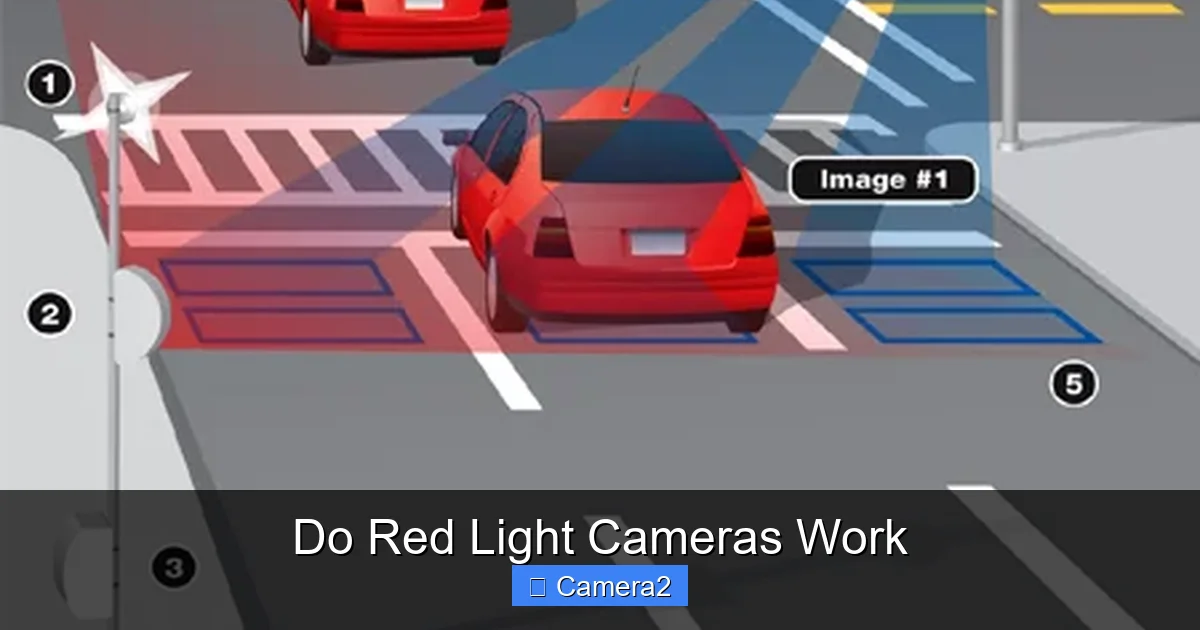
Modern red light camera setups consist of three main parts:
Visual guide about Do Red Light Cameras Work
Image source: cdn.autoc-one.jp
- Induction loops or radar sensors: These are embedded in the pavement and detect a vehicle’s presence.
- Timer and controller: Once the light turns red, the timer starts. If a vehicle is still over the stop line after a preset “yellow‑clearance” interval, the system triggers.
- Camera unit: Usually a high‑resolution DSLR‑type camera mounted on the traffic signal head, it captures a series of photos (and sometimes video) of the offending vehicle, its license plate, and the signal status.
Some systems also include a flash to improve image clarity at night. The flash is brief and often invisible to the driver, which is why many people never notice it.
The Timing Mechanism
The key to a camera’s accuracy is the “yellow‑clearance” interval. This is the time after the yellow light ends before the red light is considered a violation. Jurisdictions set this interval based on speed limits and intersection geometry. If a car crosses the stop line after this interval, the sensor sends a trigger signal to the camera.
What Gets Recorded?
Most cameras capture:
- Three still photos (one before, one at the moment of violation, one after)
- A short video clip (usually 5‑10 seconds)
- The exact time stamp and signal state
- The vehicle’s license plate, make, model, and color
This evidence is then stored securely and later reviewed by a traffic officer or automated system to confirm the violation.
Effectiveness: Do They Really Reduce Crashes?
Statistical Evidence from Cities
Multiple studies have shown that intersections equipped with red light cameras experience fewer right‑turn and T‑intersection crashes. For example, a 2018 report from the Insurance Institute for Highway Safety (IIHS) found a 21% reduction in right‑angle crashes in cities that used cameras for at least two years.
Visual guide about Do Red Light Cameras Work
Image source: seattle.gov
In Los Angeles, the city reported a 30% drop in red‑light running incidents after installing 800 cameras across high‑risk intersections. Similar trends appear in Miami, where the Red Light Cameras Miami Tickets data shows a 15% decline in severe injuries over a five‑year period.
Behavioral Changes in Drivers
Knowing that a camera may be present changes driver psychology. A survey of 2,000 commuters found that 68% admitted to braking earlier when they saw a camera sign, even if the camera was not directly in view. This “anticipatory braking” improves overall intersection safety.
Limitations and False Positives
Despite the positives, cameras are not perfect. Factors that can lead to false tickets include:
- Malfunctioning sensors that misread a vehicle’s position.
- Obstructed views due to foliage or construction.
- Vehicles making a legal turn on red (where permitted) but being captured due to timing errors.
Most jurisdictions have an appeal process to address these rare errors.
Legal and Financial Implications
Ticket Types: Civil vs. Criminal
Red light camera tickets are typically treated as civil infractions, not moving violations. This means they usually do not add points to your driver’s license, but they do result in a fine.
Visual guide about Do Red Light Cameras Work
Image source: insideclimatenews.org
However, some states, like New York, allow points to be assessed if the driver is identified and the ticket is processed through the court system. Check your local laws to know what applies.
Do Red Light Camera Tickets Affect Insurance?
The answer isn’t a simple yes or no. In many states, civil tickets from cameras do not appear on your driving record, so insurers often ignore them. Yet, some insurance companies consider any fine as an indicator of risky behavior. For a deeper dive, read our article on Do Red Light Camera Tickets Affect Insurance.
Ticket Process and Your Rights
When you receive a ticket, it usually includes:
- Photos or video stills showing the violation.
- The exact time and location.
- Instructions on how to pay or contest the ticket.
If you believe the ticket was issued in error, you can request a hearing. Bring any evidence—such as a dash cam video—that supports your case.
Common Myths and Misconceptions
Myth 1: “The Flash Means My Car Was Caught”
Many drivers think a bright flash signals a violation. In reality, the flash may fire for every vehicle that triggers the sensor, even if the driver stopped in time. The real proof is the photo evidence, not the flash itself.
Myth 2: “All Red Light Cameras Are the Same”
Technology varies widely. Some cameras only take still photos, while newer models record high‑definition video and use AI to filter out non‑violations. This evolution improves accuracy and reduces wrongful tickets.
Myth 3: “If I’m Not at Fault, I Can’t Be Ticketed”
Red light cameras are automated; they do not consider fault. If the system detects a vehicle crossing the stop line after the clearance interval, a ticket is issued regardless of who else is at the intersection.
Practical Tips for Drivers
Know the Hotspots
Many cities publish camera locations online. Familiarize yourself with these spots, especially on routes you travel daily. For example, the City Of Miami Red Light Camera Ticket page lists high‑risk intersections in Miami.
Obey the Yellow Light
The safest approach is to treat the yellow as a warning. If you’re too close to stop safely, accelerate through the intersection before the red, but only if it’s legal and safe to do so.
Use a Dash Cam
A quality dash cam can provide your own video evidence if you need to contest a ticket. Make sure it records continuously and captures the timestamp.
Check Your Ticket Details
When you receive a ticket, verify the date, time, and license plate. Mistakes happen, and a simple typo can be grounds for dismissal.
The Future: Smarter Cameras and Integrated Traffic Management
Artificial Intelligence and Real‑Time Enforcement
AI is being integrated into camera systems to instantly analyze vehicle behavior, differentiate between legal right‑on‑red turns and violations, and even predict crash risk. This reduces false positives and speeds up ticket issuance.
Connected Infrastructure
Future traffic lights may communicate directly with vehicles (V2I communication). In such a scenario, a car could receive a warning before it even reaches a red light, further reducing violations.
Public Perception and Policy Shifts
As technology improves, public confidence grows. Some cities are considering revenue‑neutral models, where fines fund road safety projects rather than municipal budgets. This could change the narrative around red light cameras from “cash grab” to “public safety tool.”
Conclusion: The Bottom Line on Red Light Cameras
So, do red light cameras work? Yes—they effectively detect violations, deter risky behavior, and, in many cases, reduce serious crashes. Their success hinges on proper installation, clear signage, and fair legal processes. While they can be a source of frustration for drivers who receive tickets, understanding how they operate, knowing your rights, and practicing safe driving habits will help you navigate intersections confidently.
Remember, the best way to avoid a ticket is simple: obey traffic signals, stay aware of camera locations, and keep a record of your own dash‑cam footage when possible. Safe travels!
Frequently Asked Questions
Do red light cameras capture video or just photos?
Most modern systems capture both still photos and a short video clip of the violation. Video provides additional context and helps reduce disputes.
Can I contest a red light camera ticket?
Yes. You can request a hearing and present evidence such as dash‑cam footage or proof that the camera was malfunctioning. Follow the instructions on the ticket for the appeal process.
Do red light camera tickets add points to my driver’s license?
Generally, they are treated as civil infractions and do not add points. However, some states may convert them to moving violations, so check local regulations.
How far can a red light camera see?
Typical cameras have a field of view that covers the intersection and can capture license plates up to 100 feet away, depending on the model and lighting.
Are red light cameras legal everywhere in the U.S.?
No. A few states have banned them or limit their use. Most states allow them, but the rules—such as ticket handling and fine amounts—vary widely.
Do red light cameras flash at night?
Many cameras use a brief flash to improve image clarity in low light. The flash is often too quick to notice, and you can read more about it here.