How to Match Speakers and Amplifiers
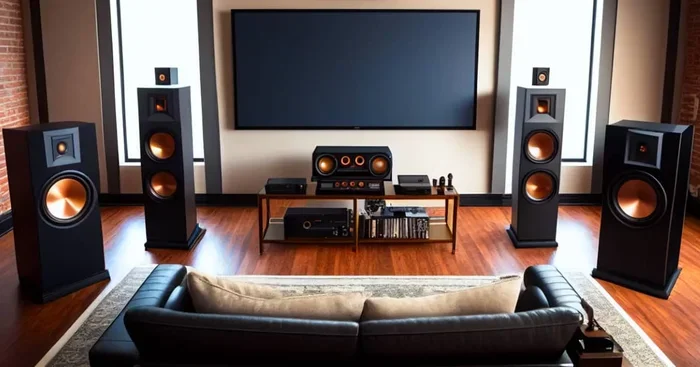
Getting the right sound starts with knowing how to match speakers and amplifiers correctly. When you pair them well, you get clear audio without risking damage to your gear. This guide breaks down impedance, power ratings, and sensitivity in plain English. You will learn simple steps to build a safe and powerful audio setup.
Building a great audio system is not about buying the most expensive parts. It is about making the parts work together. When you learn how to match speakers and amplifiers, you protect your gear and enjoy better sound. Many people focus on looks or brand names. But the real secret is in the numbers and the setup.
A bad match can cause weak sound, strange distortion, or even broken equipment. A good match gives you clean bass, clear vocals, and enough volume for the room. The good news is that you do not need to be an engineer to get it right. You just need to understand a few simple ideas and apply them carefully.
In this guide, we will walk through the basics step by step. We will talk about impedance, power, sensitivity, and wiring. We will also cover common mistakes and easy ways to test your system. By the end, you will feel confident about choosing the right amplifier for your speakers.
Key Takeaways
- Check impedance ratings: Always match speaker ohms to amplifier support for safe operation.
- Understand power handling: Match RMS wattage, not peak power, to avoid distortion or damage.
- Watch sensitivity levels: Higher sensitivity means louder sound with less amplifier power.
- Avoid underpowering: Too little power can cause clipping and harm your speakers.
- Avoid overpowering: Too much power can blow drivers if volume is pushed too high.
- Use proper wiring: Series and parallel wiring changes total impedance and power needs.
- Test before pushing volume: Start low, check for heat, and listen for distortion during setup.
📑 Table of Contents
Understand Speaker and Amplifier Basics
Before you start comparing models, it helps to know what each part does. A speaker turns electrical signals into sound. An amplifier takes a weak signal and makes it strong enough to move the speaker. If the amplifier is too weak, the sound will feel flat. If it is too strong and poorly controlled, the sound can become harsh or damaged.
Think of the amplifier as the muscle and the speaker as the voice. The muscle must be strong enough to support the voice, but not so wild that it shakes the whole system. This is why matching speakers and amplifiers matters so much. You want a balanced relationship, not a power struggle.
Several key terms come up again and again. You will see words like ohms, watts, RMS, and sensitivity. These may sound technical, but the ideas are simple. Once you understand them, choosing compatible audio equipment becomes much easier.
What Is Impedance
Impedance is the speaker’s resistance to electrical current. It is measured in ohms, often written as the Omega symbol. A lower ohm rating lets more current flow. A higher ohm rating restricts current more. This matters because amplifiers are built to work best within a certain impedance range.
If you connect a speaker with very low impedance, the amplifier may overheat or shut down. If you connect a speaker with very high impedance, you may not get enough volume or control. Most home speakers sit around 4 to 8 ohms. Many car audio speakers use 4 ohms. Some specialty speakers use 2 ohms or 8 ohms.
What Is Power Handling
Power handling tells you how much energy a speaker can take before it risks damage. You will usually see two numbers: RMS and peak. RMS is the continuous power the speaker can handle during normal use. Peak is the short-term maximum it can survive for brief moments.
RMS is the number that matters most for daily listening. Peak numbers can be misleading because they do not reflect real listening conditions. When you think about speaker amplifier matching, focus on RMS values. That gives you a much more realistic picture of what the speaker can handle over time.
What Is Sensitivity
Sensitivity shows how efficiently a speaker turns power into sound. It is usually measured in decibels, or dB, at one watt and one meter. A higher sensitivity means the speaker gets louder with less power. A lower sensitivity needs more power to reach the same volume.
This is important because two speakers with the same power rating can sound very different. One may play loudly with a small amplifier. Another may need a stronger amplifier to sound full. Sensitivity helps you predict how hard your amplifier will need to work.
Why Matching Speakers and Amplifiers Matters
A proper match improves sound quality and protects your investment. When the amplifier and speakers are well paired, the music feels more natural. Voices stay clear. Bass stays tight. You also reduce the risk of clipping, overheating, and driver failure.
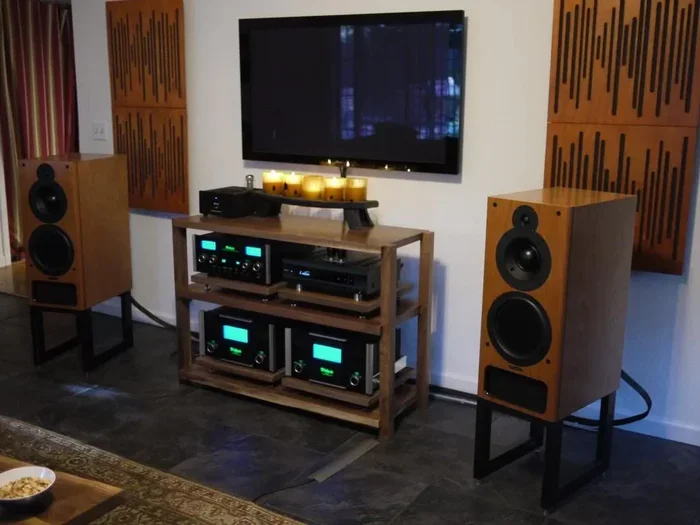
Visual guide about speakers and amplifier setup
Image source: i.pinimg.com
Clipping happens when an amplifier is pushed beyond its clean output limit. The signal becomes distorted, and that distorted signal can hurt speakers. This is one of the biggest reasons people ask about matching speakers and amplifiers in the first place. They want enough power, but not uncontrolled power.
Another reason is control. A good amplifier can manage the speaker’s movement more cleanly. That means better damping, better bass response, and less muddiness. If the amplifier is too weak, it may struggle to control the speaker cone. The result can be loose or boomy sound.
Matching also helps you get the most from your room or vehicle. A small room does not need a giant setup. A large open space may need more headroom. The goal is to choose gear that fits the space, the listening habits, and the type of audio you play most often.
Avoiding Damage From Mismatched Power
One common fear is that a powerful amplifier will blow speakers. That can happen, but usually only if the volume is pushed too high or the signal is very distorted. A bigger risk for many users is underpowering. If the amplifier cannot keep up, users may turn it up too far. That increases the chance of clipping.
A practical approach is to leave some headroom. Headroom is the extra power available above normal listening levels. With enough headroom, your amplifier can handle loud moments without strain. That is especially useful for music with strong beats or sudden dynamic changes.
Avoiding Weak or Muddy Sound
On the other hand, a weak amplifier can make good speakers sound dull. You may notice less detail, less bass control, and more strain at higher volumes. This does not always mean you need the most powerful amplifier on the market. It means you need enough clean power for your speakers and your listening style.
If you like quiet background listening, a modest setup may be enough. If you enjoy parties, home theater, or loud music, you need more reserve power. The right choice depends on how you actually use the system, not just on the speaker box specs.
Key Factors in Speaker Amplifier Matching
Now let’s get into the practical side of how to match speakers and amplifiers. There are three main things to compare: impedance, power, and sensitivity. If these three line up well, your system has a strong chance of sounding great.
Start with impedance. Check the speaker label or manual for the ohm rating. Then check the amplifier’s supported speaker impedance. If the amplifier says it works with 4 to 8 ohms, and your speakers are 6 ohms, that is usually a good fit. If the numbers are far apart, pause and double-check before connecting anything.
Next, look at power. Compare the speaker’s RMS handling with the amplifier’s clean output. A common approach is to choose an amplifier that can deliver power within a sensible range of the speaker’s RMS rating. You do not need to match the numbers exactly. In many cases, a small amount of extra amplifier power is helpful because it gives headroom.
Finally, consider sensitivity. If your speakers are highly sensitive, you may not need a huge amplifier. If they are less efficient, you may need more power to reach the same listening level. This is where real-world listening matters more than raw numbers. A spec sheet tells part of the story, but your ears tell the rest.
Matching Impedance the Right Way
Impedance matching is not always about making the numbers identical. It is about staying inside the amplifier’s safe range. For example, if an amplifier is stable at 4 to 8 ohms, using 8-ohm speakers is generally safe. Using 4-ohm speakers may also be safe, but it can demand more current from the amplifier.
If you plan to wire multiple speakers, the total impedance can change. Wiring speakers in parallel usually lowers the total ohms. Wiring them in series usually raises the total ohms. That means you need to calculate the final load before connecting everything. If you are unsure, it is better to check your wiring plan first.
Matching Power Without Guesswork
For power, aim for a balanced range. If a speaker has an RMS handling of 75 watts, an amplifier that delivers around 50 to 100 watts RMS per channel may work well in many setups. The exact ideal depends on your volume goals and music style.
Avoid judging by peak numbers alone. Peak ratings can make a speaker look tougher than it really is. They can also make an amplifier look stronger than its clean output. Stick with continuous or RMS figures when comparing gear. That gives you a much more honest view of everyday performance.
Using Sensitivity to Choose the Right Amp
Sensitivity is especially useful when you want to save space or power. A high-sensitivity speaker can sound plenty loud with a modest amplifier. That can be a smart choice for small rooms, casual listening, or simple setups. A lower-sensitivity speaker may need a stronger amplifier to shine.
If you are comparing two speaker options, sensitivity can help you decide which one fits your amplifier better. It also helps explain why some speakers sound impressive even with lower wattage. They may simply convert power more efficiently.
How to Match Speakers and Amplifiers Step by Step
Here is a simple process you can follow when choosing gear or checking an existing setup. This is the heart of speaker amplifier matching, and it does not have to be complicated.
First, write down the speaker specs. Note the impedance, RMS power handling, and sensitivity if available. If you have more than one speaker, write down the details for each one. This gives you a clear starting point.
Second, check the amplifier specs. Look for its supported impedance range and its clean RMS output per channel. Make sure you are reading the right numbers for the mode you plan to use. Some amplifiers have different outputs for different speaker loads or channels.
Third, compare the numbers. Make sure the speaker impedance falls within the amplifier’s safe range. Then compare power levels in a realistic way. Leave room for headroom if you want louder playback or dynamic music.
Fourth, think about your use case. Are you building a home stereo, a home theater, or a car audio system? Each setup has different needs. A car system may face more noise and need more power. A home setup may prioritize clarity and balance.
Fifth, test carefully after connecting everything. Start with low volume. Listen for distortion, buzzing, or unusual heat. Increase the volume slowly. If the sound stays clean and the system stays cool, you are likely on the right track.
Simple Checklist Before You Buy
- Impedance: Is the speaker load within the amplifier’s supported range?
- Power: Does the amplifier’s RMS output fit the speaker’s RMS handling?
- Sensitivity: Will the speaker get loud enough with the amplifier you plan to use?
- Use case: Does the setup match your room size, vehicle, or listening habits?
- Channels: Do you have the right number of amplifier channels for your speakers?
- Wiring: Will your wiring method keep the total impedance safe?
Common Setup Examples
A simple bookshelf speaker setup often works well with a modest stereo amplifier. If the speakers are efficient, you may not need much power. If the room is large, you may want a bit more output to keep the sound full.
A home theater setup may use multiple speakers and a separate amplifier or receiver. In that case, you need to think about each channel and the total load. Center channels, surrounds, and subs all play different roles. Matching becomes more about balance than raw power.
A car audio setup can be more demanding. Road noise, cabin size, and listening volume all matter. If you want strong bass and clear highs, you need to plan the amplifier output carefully. If you are adding a subwoofer, you may also want to look at ways to connect it properly, such as learning how to tap into rear speakers for subs if your setup calls for that kind of integration.
Wiring, Impedance, and Real-World Setup Tips
Wiring can change everything. Even great speakers and a great amplifier can misbehave if the wiring is wrong. That is why practical setup matters just as much as spec sheets. If you are connecting multiple speakers, you need to understand how the load changes.
Parallel wiring connects all positive terminals together and all negative terminals together. This usually lowers total impedance. Series wiring connects speakers in a chain, which usually raises total impedance. Some systems use a mix of both to reach a target load. If you are not sure which method to use, calculate the final impedance before powering up.
It also helps to use good quality speaker wire for the distance you need. Very long runs may need thicker wire to reduce loss. Poor connections can cause crackling or weak output. A clean, secure connection makes a noticeable difference.
If your system includes tweeters or separate component speakers, the wiring approach may be different. You may need crossovers or separate connections for highs and lows. When in doubt, follow the speaker manual or the installer guide. For example, if you are working with component drivers, you might review how to connect tweeters to speakers so the highs are routed correctly.
Quick Tips for Safer Setup
- Turn off the amplifier before making connections.
- Double-check polarity so speakers move in the same direction.
- Start at low volume and increase slowly.
- Watch for heat in the amplifier and speakers during long sessions.
- Keep wires away from sharp edges and moving parts.
- Use the right wire gauge for the distance and load.
Common Mistakes to Avoid
- Ignoring impedance and loading the amplifier too hard.
- Relying on peak power instead of RMS.
- Pushing a weak amplifier into clipping.
- Using damaged wire or loose connections.
- Assuming bigger numbers always mean better sound.
- Skipping the test listen after installation.
If you ever suspect a speaker is not behaving normally, it is worth checking it before pushing the system harder. A damaged driver can make matching harder and sound worse. You can learn how to check if speakers are blown so you catch problems early.
Final Thoughts on Matching Speakers and Amplifiers
Learning how to match speakers and amplifiers is one of the best ways to improve your audio experience. It helps you avoid damage, reduce distortion, and get the sound you actually want. The process is simpler than it first appears. Focus on impedance, RMS power, and sensitivity. Then add real-world listening needs and careful setup.
Do not chase the biggest numbers on the shelf. Chase the best balance for your room, your music, and your budget. A well-matched system usually sounds better than an overpowered but poorly paired one. Take your time, check the specs, and test the results.
If you are still planning your setup, remember that the right match depends on how you listen. Quiet background music needs a different approach than loud home theater or car audio. Start with the basics, make smart choices, and you will enjoy cleaner sound for a long time.
Frequently Asked Questions
What happens if my amplifier is too weak for my speakers?
The sound may become distorted at higher volumes, and the amplifier may struggle to control the speakers cleanly. This can lead to clipping, which may damage the speakers over time if you keep pushing the volume.
Can I use an amplifier with more power than my speakers can handle?
Yes, but only if you use the system responsibly and avoid extreme volume levels. Extra headroom can be helpful, but pushing the amplifier too hard for too long can still risk damaging the speakers.
Do I need exact impedance matching between speakers and amplifiers?
No, you usually need the speaker load to stay within the amplifier’s supported range. Exact matching is not always required, but going far outside the safe range can cause problems.
Is RMS power more important than peak power?
Yes, RMS power is more useful because it reflects continuous performance during normal listening. Peak power only shows short-term limits and can be misleading when comparing gear.
How do I know if my speakers are a good match for my amplifier?
Check that the impedance falls within the amplifier’s safe range and that the amplifier’s RMS output fits the speaker’s power handling. Sensitivity and your listening habits also matter, so test the system at moderate volume after setup.
Should I worry about sensitivity when choosing an amplifier?
Yes, sensitivity matters because it affects how loud a speaker can get with a given amount of power. Highly sensitive speakers may work well with smaller amplifiers, while less efficient speakers may need more power.