Difference Between 2ohm and 4ohm Speakers

Choosing between 2 ohm and 4 ohm speakers can change how loud and clear your music sounds. The lower‑impedance 2 ohm models draw more power, while 4 ohm units are easier on most amplifiers. Understanding these nuances helps you match the right speakers to your amp, room size, and budget.
Key Takeaways
- Impedance basics: 2 ohm speakers demand more current from an amp than 4 ohm speakers.
- Power handling: Lower‑impedance speakers can produce higher volume with the same amp power.
- Amplifier compatibility: Not all amps are stable at 2 ohms; check the spec sheet before wiring.
- Series vs. parallel wiring: Wiring method changes total load and can turn 4 ohm units into a 2 ohm load.
- Heat and durability: 2 ohm speakers run hotter, so quality construction matters.
- Room acoustics: Larger rooms often benefit from the efficiency of 2 ohm speakers.
- Future upgrades: Planning for a multi‑speaker system is easier with 4 ohm units because they are more forgiving.
📑 Table of Contents
- Introduction: Why Impedance Matters
- 1. Understanding Impedance: The Electrical View
- 2. Power Delivery and Loudness
- 3. Amplifier Compatibility and Safety
- 4. Wiring Configurations: Series, Parallel, and Hybrid
- 5. Heat, Durability, and Build Quality
- 6. Real‑World Applications and Buying Tips
- Conclusion: Which Impedance Wins?
Introduction: Why Impedance Matters
When you walk into a store and see rows of speakers, the number “2 ohm” or “4 ohm” is one of the first things you’ll notice. Impedance is simply the electrical resistance a speaker presents to the amplifier. Think of it like the size of a pipe: a wider pipe (lower ohm) lets more water (current) flow, while a narrower pipe (higher ohm) restricts flow.
Most casual listeners assume that all speakers sound the same if the wattage is equal, but that’s a myth. The impedance rating directly influences how much power the amp must deliver, how hot the speaker gets, and ultimately how the music feels in your ears. In this article we’ll break down the science, the practical implications, and give you clear tips so you can decide whether 2 ohm or 4 ohm speakers are the right match for your system.
1. Understanding Impedance: The Electrical View
What is Ohm?
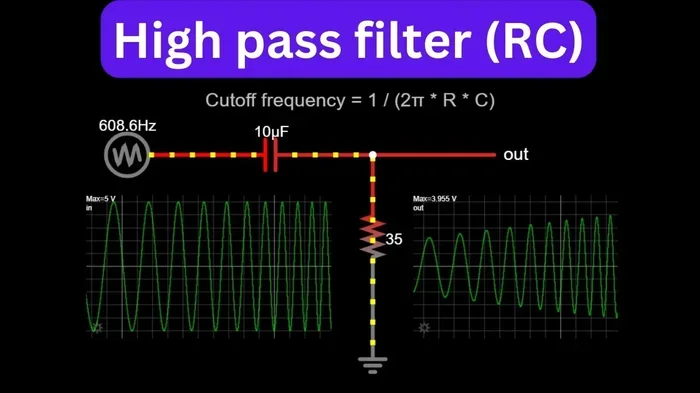
Ohm (Ω) is the unit of electrical resistance. In speakers, it describes the opposition to the alternating current (AC) that the amp sends. The lower the number, the less resistance, meaning the amp must push more current to achieve the same voltage.

Visual guide about Difference Between 2ohm and 4ohm Speakers
Image source: kanatalheights.com
How Impedance Changes with Frequency
Speaker impedance isn’t a flat line; it varies with frequency. A “2 ohm” rating is usually the nominal value measured at 1 kHz. At bass frequencies, the impedance can dip lower, and at treble it can rise higher. This is why quality amplifiers include protection circuits to handle those dips.
Real‑World Analogy
Imagine you have two garden hoses: one is 2 mm in diameter (2 ohm) and the other is 4 mm (4 ohm). If you turn on the tap to the same pressure, the thinner hose lets more water flow quickly, but it also stresses the hose more. The same principle applies to speakers and amps.
2. Power Delivery and Loudness
Why 2 ohm Speakers Can Be Louder
Because they draw more current, a 2 ohm speaker can convert more of the amp’s power into sound pressure level (SPL). In simple terms, if your amp can safely deliver 100 watts into a 2 ohm load, the speaker may produce 5–6 dB more SPL than a 4 ohm speaker receiving the same voltage.
Efficiency (Sensitivity) Matters Too
Impedance isn’t the only factor. Sensitivity, measured in dB SPL @ 1 W/1 m, tells you how efficiently a speaker converts power into sound. A 4 ohm speaker with 92 dB sensitivity can sound as loud as a 2 ohm speaker with 88 dB sensitivity when both receive the same wattage.
Practical Example
Suppose you have a 200‑watt car amp that is rated for 2 ohm stability. Pairing it with two 2 ohm speakers in parallel (resulting in a 1 ohm load) can overload the amp, causing distortion or shutdown. Using two 4 ohm speakers in parallel (total 2 ohm) keeps the load within spec and still gives you the extra headroom to drive the speakers louder.
3. Amplifier Compatibility and Safety
Check the Amp’s Spec Sheet
Never assume an amp can handle 2 ohm loads. Look for phrases like “2 ohm stable”, “minimum load 2 ohm”, or “continuous output at 2 ohm”. If the amp is only rated for 4 ohm or higher, feeding it a 2 ohm load can cause overheating, clipping, or permanent damage.

Visual guide about Difference Between 2ohm and 4ohm Speakers
Image source: media.newyorker.com
Heat Management
Lower impedance forces the amp to push more current, generating more heat. Quality amplifiers include larger heat sinks or active cooling. If you notice the amp’s temperature gauge climbing quickly, consider moving to 4 ohm speakers or adding a series resistor to raise the load.
Internal Link Example
For a deeper dive on how to connect multiple speakers safely, read our guide on how to wire speakers to amp. It covers series, parallel, and hybrid wiring methods that affect total impedance.
4. Wiring Configurations: Series, Parallel, and Hybrid
Parallel Wiring Lowers Impedance
Connecting speakers in parallel adds their conductance, effectively lowering the total load. Two 4 ohm speakers in parallel become a 2 ohm load. This setup is common in car audio where space is limited but power is abundant.
Series Wiring Raises Impedance
When you wire speakers in series, you add their impedances. Two 2 ohm speakers in series present a 4 ohm load to the amp. This can be a handy trick if you have a 2 ohm amp but only 2 ohm speakers available.
Hybrid Configurations
Sometimes you’ll see a mix—two speakers in series, then that pair in parallel with another pair. The math can get tricky, so using an online impedance calculator helps avoid mistakes.
Related Reading
If you’re curious about specific series setups, check out our article on 2 8 ohm speakers in series for a step‑by‑step example.
5. Heat, Durability, and Build Quality
Why 2 ohm Speakers Run Hotter
Because they draw more current, the voice coil inside a 2 ohm speaker can heat up faster. Manufacturers often use larger copper windings, better cooling vents, or higher‑grade magnets to manage this heat. If you plan to run the speakers at high volume for long periods, look for models with reinforced cooling.
4 ohm Speakers Are Generally More Forgiving
With less current demand, 4 ohm speakers tend to stay cooler, which can translate to longer lifespan, especially in budget models. They are also less likely to cause amp clipping in modest power setups.
Choosing Based on Environment
For a small bedroom or desktop setup, 4 ohm speakers are usually sufficient and safer. In a large living room, a home theater, or a car with a robust amp, 2 ohm speakers can give you the extra punch you need.
6. Real‑World Applications and Buying Tips
Home Audio vs. Car Audio
Home theater receivers typically handle 4 ohm loads comfortably, while many car amplifiers are designed for 2 ohm stability to extract maximum power from limited battery capacity. Matching the speaker impedance to the intended platform avoids headaches.
Budget Considerations
2 ohm speakers can sometimes be cheaper because they require less material for the voice coil. However, you may need a higher‑quality amp, which could offset the savings. Evaluate the total system cost, not just the speaker price.
Future Expansion
If you think you’ll add more speakers later (e.g., a surround‑sound setup), start with 4 ohm units. They give you more flexibility to wire additional speakers without overloading the amp.
Quick Buying Checklist
- Check your amplifier’s minimum impedance rating.
- Match speaker sensitivity to your power budget.
- Consider room size and desired SPL.
- Look for good cooling features on 2 ohm models.
- Plan wiring method ahead of purchase.
Conclusion: Which Impedance Wins?
There is no universal “better” between 2 ohm and 4 ohm speakers. The right choice hinges on three core factors: the capability of your amplifier, the acoustic needs of your space, and how much power you plan to push. If you have a sturdy, 2 ohm‑stable amp and need high volume in a large area, 2 ohm speakers can be the perfect match. If you prefer a hassle‑free setup, cooler operation, and broader compatibility, 4 ohm speakers are the safer bet.
Remember, the best sound comes from a balanced system where the amp, speakers, and room work together. Use the tips in this guide, double‑check your wiring, and you’ll enjoy clear, powerful audio without worrying about blown amps or overheated cones.
Frequently Asked Questions
Can I use 2 ohm speakers with a 4 ohm‑only amplifier?
No. Feeding a 2 ohm load into an amp rated for 4 ohm or higher can cause overheating and distortion. Either use a 4 ohm speaker or add a series resistor to raise the load.
Do 2 ohm speakers always sound louder than 4 ohm speakers?
Not necessarily. Loudness also depends on speaker sensitivity and the amount of power the amp can deliver without clipping.
Is it safe to wire two 4 ohm speakers in parallel?
Yes, two 4 ohm speakers in parallel present a 2 ohm load. Make sure your amp is rated for 2 ohm operation before doing so.
How does impedance affect battery life in a car audio system?
Lower impedance draws more current, which can drain the car battery faster, especially at high volumes. Proper amp sizing and wiring help manage this.
Can I mix 2 ohm and 4 ohm speakers in the same system?
You can, but the total load must stay within the amp’s safe range. Use series/parallel calculations or a dedicated impedance matching transformer.
What maintenance steps help prolong speaker life?
Keep speakers out of direct sunlight, avoid pushing them beyond their rated power, and ensure good ventilation to dissipate heat, especially for 2 ohm models.