6×9 Marine Speakers for Motorcycle

Upgrade your ride with 6×9 marine speakers for motorcycle and enjoy rugged, water‑proof audio that delivers booming sound on every twist and turn. These speakers are built to survive rain, splashes, and vibration while giving you clear highs and punchy lows. Find out how to choose, install, and pair them with the right amp for the ultimate riding soundtrack.
Key Takeaways
- Marine‑grade durability: 6×9 marine speakers are sealed against water, dust, and UV, perfect for exposed motorcycle mounts.
- Power matching is crucial: Pair the speakers with an amp that delivers the right RMS wattage for clean, distortion‑free sound.
- Mounting matters: Proper brackets and vibration‑dampening pads keep the speakers secure and preserve audio quality.
- Sound tuning: Use crossovers or built‑in filters to balance mids and highs for the open‑air environment of a bike.
- Cost vs. performance: Mid‑range models give excellent value; high‑end options add premium materials and tweeters.
- Compatibility: Most 6×9 marine speakers fit standard motorcycle fairings with minor modifications.
- Maintenance tips: Regularly check seals and wiring to keep the system waterproof and reliable.
📑 Table of Contents
- Why 6×9 Marine Speakers Are the Perfect Fit for Motorcycles
- Understanding the Key Specs: What to Look For
- Choosing the Right Amplifier
- Installation: Step‑by‑Step Guide
- Performance Tips: Getting the Best Sound on the Road
- Top 5 6×9 Marine Speakers for Motorcycle Use (2024)
- Cost vs. Performance: Finding Your Sweet Spot
- Conclusion
Why 6×9 Marine Speakers Are the Perfect Fit for Motorcycles
When you ride a motorcycle, you’re exposed to the elements—rain, spray, dust, and constant vibration. Regular car speakers simply aren’t built to survive that harsh environment. That’s where 6×9 marine speakers come in. They are engineered for boats, so they already have the waterproofing, UV‑resistant cones, and robust mounting hardware you need on a bike.
Besides durability, the 6×9 size gives you a sweet spot between compactness and sound output. The larger surface area compared to 4‑inch speakers lets the driver feel deeper bass without adding bulk to a sleek fairing. In short, you get a louder, richer sound that still fits neatly into the limited space on most motorcycles.
Understanding the Key Specs: What to Look For
Power Handling (RMS vs. Peak)
Marine speakers list two numbers: RMS (continuous) wattage and peak (or max) wattage. RMS tells you the power the speaker can handle cleanly for long periods. Peak is the short‑burst capacity. Aim for an amp whose RMS output is slightly below the speaker’s RMS rating. This ensures the speakers don’t overheat while still delivering full volume.

Visual guide about 6×9 Marine Speakers for Motorcycle
Image source: midvalleysouthkey.com
Impedance Matching
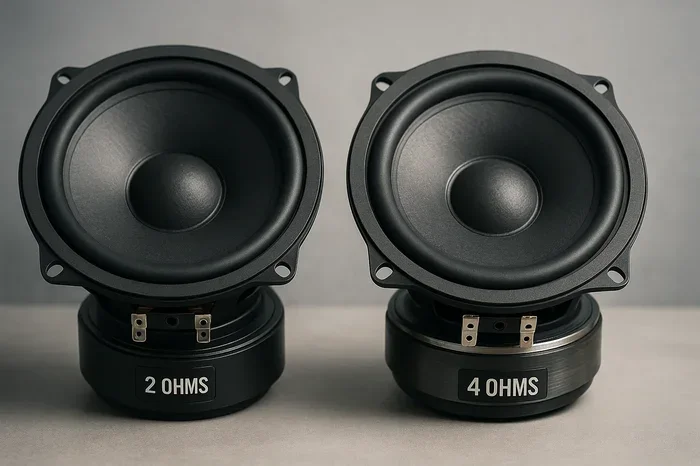
Most 6×9 marine speakers are 4 Ω, but you’ll also find 2 Ω and 8 Ω options. Your amp must support the same impedance. Using a mismatched amp can cause distortion or even damage the speakers. If you’re unsure, the Does Wattage Matter For Car Speakers article breaks down the relationship between impedance and power.
Frequency Response
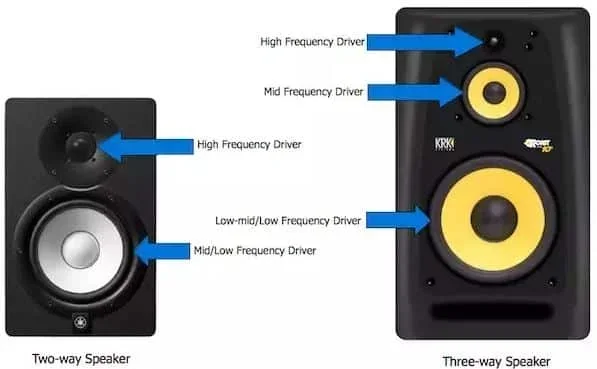
Look for a range that starts around 45 Hz and tops out near 20 kHz. Marine speakers often have a slightly narrower high‑end because tweeters are not always included. If you want crisp highs, consider adding a separate tweeter or choosing a model with a built‑in dome tweeter.
Construction Materials
- Cone: Polypropylene or rubber‑based cones resist moisture and flex without cracking.
- Surround: Rubber surrounds seal the driver and absorb vibration.
- Basket: UV‑stabilized plastic or stainless steel frames prevent rust.
Choosing the Right Amplifier
The amplifier is the heart of any audio system. For 6×9 marine speakers on a motorcycle, you need a compact, high‑current amp that can deliver enough RMS power at the speaker’s impedance. A 4‑channel amp is popular because it lets you power two speakers in the front and two in the rear, or run a pair and reserve the other channels for a subwoofer.

Visual guide about 6×9 Marine Speakers for Motorcycle
Image source: cobby.jp
Our Recommended Car Amp For 6 Speakers guide lists several models that fit well under a seat or in a luggage compartment. Look for features like:
- Class D efficiency (less heat, smaller size)
- Built‑in low‑pass filter for subwoofer integration
- Adjustable gain to match speaker sensitivity
Installation: Step‑by‑Step Guide
1. Planning the Mounting Location
Most riders mount the speakers in the side fairings or beneath the fuel tank. Measure the available space and verify that the speaker’s dimensions (6 × 9 inches plus mounting brackets) will fit without interfering with cables or the exhaust.
Visual guide about 6×9 Marine Speakers for Motorcycle
Image source: img1.kakaku.k-img.com
2. Preparing the Mounting Brackets
Marine speakers usually come with stainless steel brackets. If your bike’s fairing doesn’t have pre‑drilled holes, you’ll need to drill them yourself. Use a rubber gasket between the bracket and the fairing to dampen vibration.
3. Wiring the Speakers
Run marine‑grade, double‑shielded speaker wire from the amp to the speakers. Keep the wires away from moving parts and heat sources. Secure the wires with zip ties and use silicone sealant around any entry points to keep water out.
4. Connecting to the Amplifier
Match the polarity (+ and –) on the speaker terminals to the amp’s outputs. A quick polarity test with a battery can prevent phase issues that make the sound sound “hollow.”
5. Tuning the System
After everything is wired, power up the amp at low volume. Gradually increase the gain until the sound is clear and full. If your amp has a built‑in crossover, set the low‑pass to around 80 Hz for a subwoofer and the high‑pass to 80 Hz for the 6x9s. For more advanced tuning, read the 3 Way Crossover For Speakers article.
Performance Tips: Getting the Best Sound on the Road
Use a High‑Quality Source
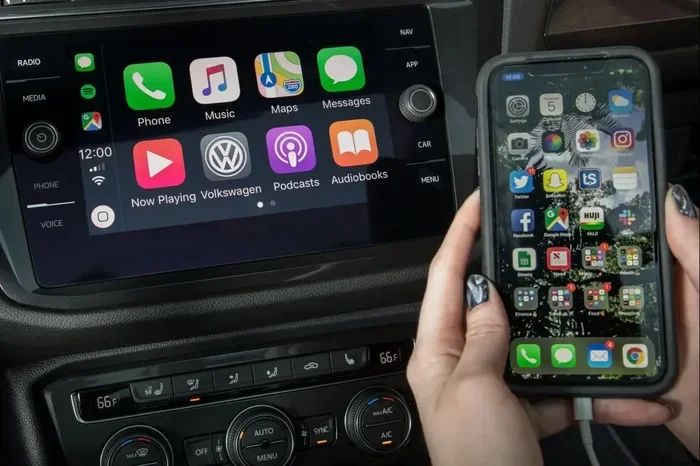
Bluetooth streams are convenient, but lossless audio files or a high‑bit‑rate FM receiver will give you a cleaner signal, especially at higher volumes.
Seal All Openings
Even a tiny gap can let water seep in. Apply marine silicone around the speaker’s perimeter and any wiring grommets. Check the seals after every rainstorm.
Upgrade the Tweeter
If your 6×9 speakers lack a dedicated tweeter, consider adding a small dome tweeter mounted near the headlight. This adds sparkle to the high frequencies without compromising the waterproof design.
Regular Maintenance
Every few months, inspect the rubber surrounds for cracks and the brackets for rust. Tighten any loose bolts and re‑apply sealant if needed. A well‑maintained system can last years, even in salty coastal environments.
Top 5 6×9 Marine Speakers for Motorcycle Use (2024)
- JL Audio 6‑5 Marine – Known for its clear mids and robust bass, this model features a polypropylene cone and a built‑in tweeter. JL Audio 6‑5 Marine Speakers provides a detailed review.
- Rockford Fosgate 6‑9 R2 – Delivers 250 W RMS with a rugged ABS basket and dual‑voice coil for flexible wiring.
- Infinity REF‑6.9 M – Offers excellent value with a weather‑sealed design and high sensitivity (95 dB).
- Pioneer TS‑A6960R – Features a rubber surround and a built‑in crossover, making installation a breeze.
- Kicker 62CSM124 – Strong low‑frequency response, perfect for riders who love a thumpy bass line.
Cost vs. Performance: Finding Your Sweet Spot
Marine speakers range from $70 to $250 each. While premium models boast exotic materials and higher power handling, a well‑matched mid‑range set paired with a good amp often sounds better than an expensive speaker paired with a weak amp. Consider the total system cost, not just the speaker price.
Conclusion
Choosing 6×9 marine speakers for your motorcycle gives you a durable, high‑quality audio solution that can brave rain, spray, and road vibration. By paying attention to power handling, impedance, and proper mounting, you’ll enjoy a soundtrack that makes every ride feel like a concert on wheels. Pair the speakers with a compact, matching amp, seal every entry point, and keep up with routine maintenance, and you’ll have a reliable, booming system for years to come.
Frequently Asked Questions
Can I use regular car speakers instead of marine speakers on a motorcycle?
While you can, regular car speakers lack waterproofing and corrosion‑resistant materials, so they are more likely to fail when exposed to rain or spray.
Do I need a separate subwoofer for a good bass response?
6×9 marine speakers provide decent low‑end, but adding a small, sealed subwoofer can give you deeper, punchier bass, especially on larger bikes.
How do I protect the wiring from water?
Run marine‑grade, double‑shielded wire and seal any cable entry points with silicone or marine tape to keep moisture out.
What is the ideal mounting position for the speakers?
Side fairings or under the fuel tank are popular spots because they offer space and protect the speakers from direct spray.
Will adding a crossover improve sound quality?
Yes, a crossover helps separate low and high frequencies, preventing the speakers from trying to reproduce sounds they’re not designed for.
How often should I check the seals and mounts?
Inspect the seals and mounting hardware every 3–4 months, or after heavy rain, to ensure everything remains watertight and tight.