Why Are 2tb Usb So Cheap
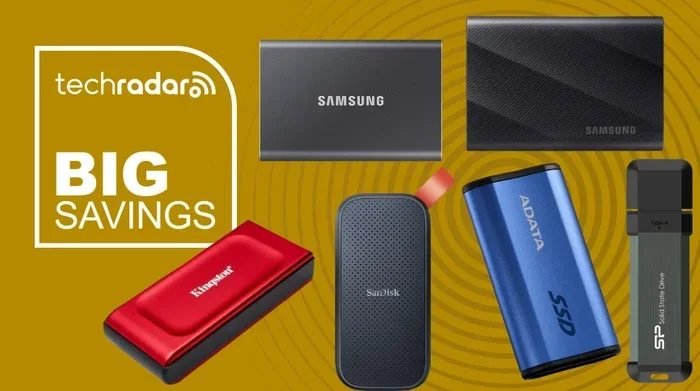
2TB USB drives have dropped dramatically in price, making them one of the best deals in portable storage today. Mass production, fierce competition, and advances in flash memory technology are the main reasons 2TB USB options now cost less than ever before. Whether you need a backup drive, a portable workspace, or a simple way to move large files, these devices deliver massive value at a fraction of their former cost.
Have you noticed that 2TB USB drives have become incredibly affordable lately? Just a few years ago, a 2TB portable drive would set you back a small fortune. Today, you can pick one up for a surprisingly low price. If you have been wondering why 2TB USB storage has become so cheap, you are in the right place.
The answer comes down to a mix of technology advances, market forces, and clever manufacturing. In this guide, we will break down every reason behind the price drop. We will also help you figure out whether a cheap 2TB USB drive is actually a good deal or if there are hidden trade-offs you should know about.
Key Takeaways
- Falling NAND Flash Costs: The price of memory chips has dropped steadily, making large-capacity USB drives far cheaper to produce.
- Intense Market Competition: Many brands now compete for the same customers, which pushes prices down and quality up.
- USB 3.0 and USB C Speeds: Modern 2TB USB drives offer fast transfer speeds that rival external SSDs.
- NVMe Technology in USB Enclosures: Some cheap 2TB USB drives use NVMe chips inside compact enclosures, giving you SSD-level performance.
- Smart Buying Tips: Checking reviews, warranties, and brand reputation helps you avoid low-quality drives that may fail early.
📑 Table of Contents
How Storage Technology Has Changed the Game
The biggest reason 2TB USB drives are so affordable today is the evolution of storage technology itself. Flash memory chips, which are the building blocks of every USB drive, have gotten dramatically cheaper to produce. This shift has rippled through the entire industry.
The NAND Flash Revolution
NAND flash memory is the core component inside every 2TB USB drive. Over the past decade, manufacturers have found ways to pack more data into smaller chips. This process is called increasing storage density. When you can fit more gigabytes onto a single chip, the cost per gigabyte drops significantly.
Think of it like printing books. If a printing press could only print 100 pages per sheet, each book would be expensive. But if that same press can now print 1,000 pages per sheet, the cost of each book plummets. That is essentially what has happened with 2TB USB storage.
3D NAND technology has been a game changer. Instead of laying memory cells flat on a chip, manufacturers now stack them vertically. This means more storage in the same physical space. The result is lower production costs and, ultimately, cheaper drives for consumers like you and me.
From HDD to Flash: The Shift in Portable Storage
Older portable drives used spinning hard disks. Those mechanical parts were expensive to manufacture and prone to damage. Flash-based 2TB USB drives have no moving parts, which means cheaper production and better durability. This shift from mechanical to solid-state storage has been a major factor in driving prices down.
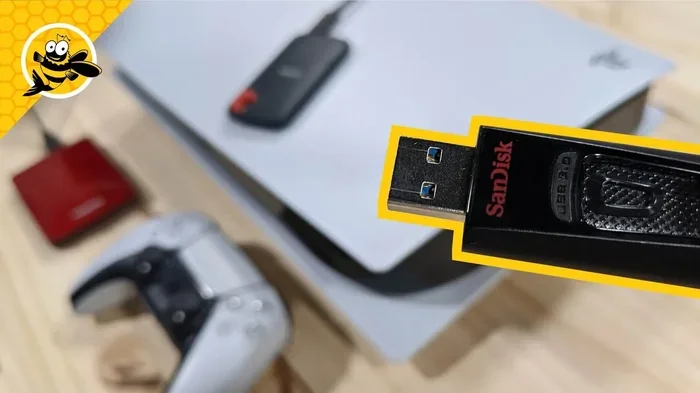
Brands like Sandisk Extreme Portable 2TB have shown that you can get high-performance portable storage at prices that were unthinkable just a few years ago. These drives use USB C connections and NVMe-style flash memory to deliver speeds that rival traditional external SSDs.
Why Market Competition Drives Prices Down
Competition is one of the most powerful forces in any market, and the 2TB USB storage market is no exception. When many companies fight for the same customers, prices tend to fall and quality tends to rise.
Brand Wars in Portable Storage
Today, dozens of brands offer 2TB USB drives. You have household names like SanDisk, Samsung, and Kingston. You also have newer brands and lesser-known manufacturers all competing for shelf space, both online and offline. This crowded marketplace benefits buyers directly.
When a new brand enters the market with a competitive 2TB USB product, established brands must respond. They either lower their prices or improve their offerings. Either way, the consumer wins. This cycle of competition has kept prices falling steadily over the past few years.
The Role of Online Retailers
Online marketplaces have amplified this competition further. When you can compare prices across dozens of sellers with a single click, no brand can charge a premium without losing customers. Price comparison tools and flash sale events have made it even easier for buyers to find the best deal on a 2TB USB drive.
Many retailers also run promotions during holiday seasons and special events like Prime Day or Black Friday. During these periods, you can often find 2TB USB drives at their lowest prices of the year. Checking sites that track 2TB NVMe SSD price April 2026 trends can help you time your purchase perfectly.
USB Technology Advances That Cut Costs
The USB standard itself has evolved in ways that make high-capacity drives more affordable. Each new version of USB brings faster speeds and better efficiency, which indirectly helps lower costs over time.
USB 3.0 and USB 3.1: Faster and Cheaper
USB 3.0 and its successor, USB 3.1, have become the standard for most 2TB USB drives. These protocols offer transfer speeds of up to 10 Gbps, which is fast enough for most everyday tasks. Because these standards are now mature, the chips that support them are mass-produced and very affordable.
When a technology becomes standardized, manufacturers can buy the components in bulk at lower prices. This savings gets passed along to you. That is why a modern 2TB USB drive with USB 3.0 or USB C connectivity costs far less than an older drive with the same capacity.
USB C: The Universal Connector
USB Type C has become the go-to connector for modern portable storage. Its reversible design and universal compatibility make it popular with consumers and manufacturers alike. Because USB C is now the dominant standard, production volumes have soared, which drives component costs down.
Many 2TB USB drives now come with USB C connectors built in. Some even include adapters for older USB A ports, giving you flexibility without adding much to the production cost. This widespread adoption of USB C has been a quiet but powerful force in making high-capacity drives more affordable.
NVMe Technology Inside USB Enclosures
One of the most interesting developments in the 2TB USB world is the use of NVMe technology inside compact USB enclosures. This approach gives you near-SSD performance in a form factor that looks and feels like a simple USB drive.
What Is NVMe and Why Does It Matter?
NVMe stands for Non-Volatile Memory Express. It is a protocol designed specifically for flash storage. Traditional USB drives use older protocols that limit their speed. NVMe bypasses those limitations and allows much faster data transfer.
When NVMe flash memory is placed inside a small USB enclosure, you get a device that is both compact and blazing fast. This is the technology behind many of the best-performing 2TB USB drives on the market today. The M2 NVMe SSD USB format has become increasingly popular because it offers a perfect balance of speed, size, and price.
How NVMe Keeps Prices Low
You might think that NVMe technology would make drives more expensive. In many cases, that is true for internal NVMe SSDs. But for 2TB USB drives, the opposite has happened. The cost of NVMe chips has fallen as production has scaled up. Manufacturers can now build fast NVMe-based USB drives at price points that were impossible just a few years ago.
This means you no longer need to spend a fortune to get blazing-fast portable storage. A well-reviewed 2TB USB NVMe drive can deliver read speeds of 1,000 MB/s or more, all for a price that competes with slower traditional USB drives.
Are Cheap 2TB USB Drives Worth Buying?
Now that we have covered why 2TB USB drives are so affordable, the natural next question is whether they are worth buying. The short answer is yes, but with a few important caveats.
What to Look For in a Budget 2TB USB Drive
Not all cheap drives are created equal. When shopping for a 2TB USB drive, keep these factors in mind:
- Brand Reputation: Stick with well-known brands that have a track record of reliability.
- Warranty: A good warranty signals confidence in the product. Look for at least a 3-year warranty.
- Read and Write Speeds: Check the advertised speeds and compare them to real-world reviews.
- Connector Type: USB C is the most versatile and future-proof option.
- Build Quality: Metal enclosures tend to be more durable than plastic ones.
Common Mistakes to Avoid
There are a few pitfalls to watch out for when buying a cheap 2TB USB drive. First, never buy from an unknown seller with no reviews. Counterfeit drives are a real problem in the budget storage market. Second, be wary of prices that seem too good to be true, because they often are. Third, always check return policies before purchasing.
Another mistake is ignoring the actual use case. If you need a drive for frequent large file transfers, prioritize speed over price. If you just need a backup drive for occasional use, a slower and cheaper option may work perfectly fine.
Quick Tips for Getting the Best Deal
Here are some practical tips to help you save money on your next 2TB USB purchase:
- Set price alerts on shopping sites so you can buy when the price drops.
- Check refurbished or open-box options from reputable sellers.
- Compare prices across multiple retailers before committing.
- Look for bundle deals that include protective cases or adapters.
- Read user reviews carefully to avoid counterfeit or low-quality products.
For those who want a reliable option without breaking the bank, drives like the SanDisk Extreme Portable 2TB in Black offer a great balance of speed, durability, and affordability. These drives have become popular because they deliver real-world performance that matches their price point.
The Future of 2TB USB Storage Pricing
So where are 2TB USB prices headed? The trend is clear: prices will likely continue to fall as technology improves and production scales up. Here is what to expect in the coming years.
What Is Next for Flash Memory?
Manufacturers are constantly working on new ways to increase storage density and reduce costs. Quad-Level Cell (QLC) NAND, for example, stores more data per cell than older flash technologies. As QLC becomes more mainstream, we can expect even cheaper high-capacity 2TB USB drives to hit the market.
3D NAND stacking will also continue to improve. Each new generation of flash technology packs more cells into the same footprint. This means more storage for less money, which is exactly what consumers want.
Will 4TB USB Drives Become Affordable Next?
It is only a matter of time before 4TB USB drives follow the same price trajectory as 2TB drives did. The technology is already there. The question is simply when mass production will bring the cost down to a consumer-friendly level. When that happens, portable storage will become even more accessible to everyone.
For now, the current 2TB USB market represents an excellent sweet spot. You get massive capacity at a price that makes sense for most budgets. Whether you are a student, a professional, or someone who just wants to keep their files safe, there has never been a better time to buy a high-capacity USB drive.
Final Thoughts
The reason 2TB USB drives are so cheap comes down to a perfect storm of technological progress, fierce competition, and smart manufacturing. Falling NAND flash costs, the rise of USB C and NVMe inside compact enclosures, and intense brand rivalry have all contributed to making high-capacity portable storage more affordable than ever before.
When you buy a 2TB USB drive today, you are getting more value for your money than at any point in recent history. Just remember to choose reputable brands, check warranties, and read reviews to make sure you are getting a quality product. With the right drive in hand, you can store, carry, and transfer terabytes of data without spending a fortune.
If you are ready to upgrade your portable storage, now is the best time to buy. Keep an eye on 2TB NVMe SSD price April 2026 trends and take advantage of sales events to snag the best deal. A reliable 2TB USB drive is one of the smartest investments you can make for your digital life.
Frequently Asked Questions
Why are 2TB USB drives so much cheaper than they used to be?
The main reasons are falling costs of NAND flash memory, mass production, and intense competition among brands. Advances in 3D NAND and USB C technology have also helped drive prices down significantly over the past few years.
Is a cheap 2TB USB drive reliable?
Most cheap 2TB USB drives from reputable brands are very reliable. However, you should always check reviews, warranties, and return policies. Avoid unknown brands with prices that seem unrealistically low, as they may be counterfeit or use low-quality components.
What is the difference between a 2TB USB drive and a 2TB external SSD?
A 2TB USB drive typically uses basic flash memory and a simple USB interface. An external SSD uses faster NVMe or SATA flash memory in a more robust enclosure. External SSDs are generally faster and more durable, but many modern 2TB USB NVMe drives now offer similar performance at lower prices.
Can I use a 2TB USB drive for gaming?
Yes, you can use a 2TB USB drive for storing and transferring game files. However, for running games directly from the drive, you will want one with fast read speeds. NVMe-based 2TB USB drives are ideal for this use case because they offer speeds close to internal SSDs.
How fast is a typical 2TB USB drive?
Speed varies widely depending on the technology inside. Basic USB 3.0 drives typically offer read speeds of 100 to 150 MB/s. NVMe-based 2TB USB drives can reach 1,000 MB/s or more. Always check the manufacturer’s specifications and real-world reviews before buying.
Will 2TB USB prices continue to drop in the future?
Yes, prices are expected to continue falling as flash memory technology improves and production volumes increase. Newer technologies like QLC NAND and advanced 3D stacking will push costs even lower, making 2TB USB storage even more affordable in the coming years.