What Is an Xlr Cable
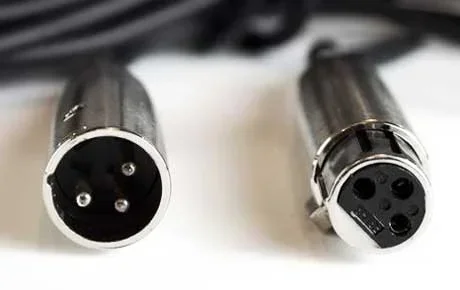
An XLR cable is a professional audio cable that uses a 3-pin locking connector to carry balanced audio signals. It is the go-to choice for microphones, speakers, and studio equipment because it delivers clean, noise-free sound over long distances. Whether you are building a home studio or setting up a live sound rig, understanding XLR cables helps you get the best audio quality.
If you have ever set up a microphone or connected speakers to an audio mixer, chances are you have used an XLR cable. These cables are everywhere in the audio world, from recording studios to concert stages. But what exactly makes them so special, and why do professionals swear by them?
In this guide, we will break down everything you need to know about XLR cables. We will cover how they work, the different types available, and why they are the preferred choice for professional audio equipment. Whether you are a beginner setting up your first home studio or a seasoned sound engineer, this article has you covered.
Key Takeaways
- What XLR cables are: They are balanced audio cables with a 3-pin locking connector used in professional audio setups.
- How they work: XLR cables carry audio signals using a balanced wiring method that cancels out electromagnetic interference.
- Common uses: They connect microphones, speakers, audio interfaces, mixers, and amplifiers in both studio and live environments.
- Key benefits: XLR cables offer superior sound quality, long cable runs without signal loss, and secure locking connections.
- What to look for: Consider cable length, shielding quality, connector build, and whether you need phantom power support.
- Related topics: Understanding RMS Power in Speakers and Ohm in Speakers helps you pair XLR cables with the right audio gear.
📑 Table of Contents
What Is an XLR Cable?
An XLR cable is a type of audio cable that uses a circular 3-pin locking connector. The name XLR stands for “External Line Return,” which refers to its original use in audio signal routing. These cables are designed to carry balanced audio signals, which means they can transmit sound without picking up unwanted noise or interference.
The connector has three pins inside a round metal housing. Each pin serves a specific purpose:
- Pin 1: Ground shield. This protects the signal from interference.
- Pin 2: Hot signal. This carries the positive audio signal.
- Pin 3: Cold signal. This carries the inverted audio signal.
The locking mechanism on XLR connectors is one of their best features. Unlike other cables that can accidentally unplug, XLR cables click into place and stay secure. This makes them ideal for live sound and studio recording where reliability matters.
How XLR Cables Differ From Other Audio Cables
Not all audio cables are the same. The most common alternatives to XLR cables are TS (tip-sleeve) cables and RCA cables. TS cables carry unbalanced signals, which means they are more prone to picking up background noise. RCA cables are great for short connections but struggle over longer distances.
XLR cables use a balanced signal method. This means the audio signal travels on two wires with opposite polarity. When the receiving device flips the polarity back, it cancels out any noise picked up along the way. This is why XLR cables can run hundreds of feet without losing sound quality.
How XLR Cables Work
Understanding how XLR cables work is not as complicated as it sounds. The key concept is balanced audio transmission. Let us break it down in simple terms.
When you speak into a microphone connected by an XLR cable, your voice creates an electrical signal. This signal travels through Pin 2 (hot) and Pin 3 (cold). The cold signal is an inverted copy of the hot signal. When the signal reaches the destination, the device flips the cold signal back to its original polarity.
Here is the magic part. Any noise or interference picked up during the journey affects both signals equally. When the device flips the cold signal and combines it with the hot signal, the noise cancels itself out. This process is called common-mode rejection. The result is a clean, clear audio signal even over very long cable runs.
The Role of Phantom Power
One unique feature of XLR cables is their ability to carry phantom power. Phantom power is a DC voltage (usually 48 volts) that travels through the same cable to power certain microphones, especially condenser mics. The voltage is sent on Pins 2 and 3 while Pin 1 serves as the ground.
Not all devices supply phantom power. Audio interfaces, mixing consoles, and some preamps have a switch to turn it on. It is important to note that dynamic microphones do not need phantom power and are generally safe to use with it. However, some ribbon microphones can be damaged by phantom power, so always check your equipment manual.
Types of XLR Cables
XLR cables come in several variations to suit different needs. Let us look at the most common types you will encounter.
Male and Female Connectors
XLR cables have male connectors on one end and female connectors on the other. The male connector has pins that plug into the female connector’s holes. This design prevents accidental disconnections. The male end typically connects to the output device, and the female end connects to the input device.
Different Cable Lengths
XLR cables are available in a wide range of lengths. For home studios, short cables (3 to 10 feet) work great for connecting a microphone to an audio interface. For live sound or stage setups, longer cables (25 to 100 feet) are common to reach from the stage to the mixing board.
When choosing length, keep in mind that longer cables can introduce slightly more signal loss, though this is minimal with quality XLR cables. Always buy the length you need rather than relying on extension cables.
Shielded vs. Unshielded
Most XLR cables used for audio are shielded. The shielding is a layer of metal or conductive material wrapped around the inner wires. It blocks electromagnetic interference from nearby power cables, lights, and electronic devices. For studio and stage use, always choose shielded XLR cables.
XLR to Other Cable Types
You will also find adapter cables that convert XLR to other connector types. Common combinations include XLR to 1/4-inch TRS, XLR to RCA, and XLR to USB. These adapters let you connect different types of audio gear together. However, for the best signal quality, try to use direct XLR connections whenever possible.
Common Uses for XLR Cables
XLR cables are used in a wide variety of audio setups. Here are the most common applications you will encounter.
Microphone Connections
The most common use for XLR cables is connecting microphones to mixers, audio interfaces, or amplifiers. Whether you are recording vocals in a studio or performing on stage, the XLR connection is the standard. Almost all professional microphones use XLR outputs.
Speaker Connections
Active speakers and powered monitors often use XLR inputs for a clean, balanced connection. This is especially important when you want to maintain the best frequency response from your speakers. If you are curious about how speaker specifications affect sound quality, check out our guide on good frequency response for speakers.
Live Sound and PA Systems
In live events, XLR cables connect microphones, instruments, and speakers to the mixing console. The locking mechanism ensures cables stay connected even in demanding environments. Sound engineers rely on XLR cables for their durability and noise-free performance.
Studio Recording Chains
In a recording studio, XLR cables form the backbone of the signal chain. They connect microphones to preamps, preamps to interfaces, and interfaces to monitors. Using quality XLR cables at every point ensures the cleanest possible signal path.
Connecting to Amplifiers and Mixers
Many guitar amplifiers, keyboard amps, and mixing consoles feature XLR inputs and outputs. These connections benefit from the balanced signal design, which keeps the audio clean even when cables run alongside power cords on a stage.
Benefits of Using XLR Cables
There are many reasons why XLR cables are the industry standard for professional audio. Let us look at the key benefits.
Noise Cancellation
The balanced wiring design of XLR cables naturally cancels out electromagnetic interference. This means your audio stays clean even in electrically noisy environments. You will not hear the hum or buzz that unbalanced cables often produce.
Secure Connection
The locking mechanism on XLR connectors is a game-changer. Cables stay firmly in place, even when stepped on or bumped. This reduces the frustration of cables falling out during performances or recording sessions.
Long Distance Reliability
XLR cables can transmit audio over very long distances without significant signal loss or quality degradation. This makes them perfect for large venues, studios with spread-out equipment, and stage setups where the mixing board is far from the performers.
Versatility
XLR cables work with microphones, speakers, processors, and many other audio devices. A single cable type can handle multiple roles in your setup. This makes stocking and managing cables much simpler.
Durability
Professional XLR cables are built to last. They feature sturdy connectors, thick shielding, and flexible jackets that resist wear and tear. A good XLR cable can serve you for years of daily use.
How to Choose the Right XLR Cable
Not all XLR cables are created equal. Here are some factors to consider when buying XLR cables for your setup.
Cable Length
Measure the distance between your devices before buying. Buy cables that are just long enough to reach comfortably. Avoid excessively long cables, as they can be a trip hazard and may introduce unnecessary signal degradation.
Connector Quality
Look for connectors with gold or nickel plating. Gold-plated connectors resist corrosion and provide a reliable connection over time. The connector body should feel solid and well-constructed, not flimsy or loose.
Cable Gauge
Thicker cables (lower gauge numbers) carry signals better over long distances. For runs under 25 feet, a standard gauge is fine. For longer runs, consider a thicker cable to maintain signal strength.
Shielding
Always choose cables with high-quality shielding. Braided shielding offers better protection than foil shielding alone. This is especially important if your cables will run near power cables or other sources of interference.
Brand and Warranty
Investing in a reputable brand pays off in the long run. Quality cables often come with lifetime warranties and better build quality. Look for brands known in the audio industry for their cable craftsmanship.
Quick Tips for XLR Cable Care
- Always unplug cables by gripping the connector, not pulling the cord.
- Store cables coiled loosely to avoid internal wire damage.
- Keep connectors clean and free from dust and debris.
- Avoid running XLR cables parallel to power cables for long distances.
- Use cable ties or velcro straps to keep your setup organized.
Common Mistakes to Avoid
Even experienced users sometimes make mistakes with XLR cables. Here are a few to watch out for.
- Using unbalanced cables instead of XLR: This introduces noise and defeats the purpose of balanced audio.
- Buying cables that are too long: Excess length creates clutter and potential signal issues.
- Ignoring connector gender: Plugging a male-to-male cable where a female connection is needed will not work.
- Forcing connectors: If an XLR connector does not fit easily, check the orientation. Forcing it can damage the pins.
- Neglecting cable maintenance: Dirty or bent connectors degrade signal quality over time.
For more on how different audio components work together, you might also want to read about bi-wiring speakers to understand how cable connections affect speaker performance.
XLR Cables and Impedance
Impedance, measured in ohms, plays a role in how audio signals travel through cables. XLR cables are designed to work with low-impedance sources, which is why most professional microphones have low-impedance outputs. Matching impedance between your source and cable ensures the best signal transfer.
If you want to learn more about how impedance affects your audio setup, our article on what ohm means in speakers provides a detailed explanation.
XLR vs. Other Connector Types: A Comparison
| Feature | XLR | 1/4-inch TRS | RCA |
|---|---|---|---|
| Signal Type | Balanced | Balanced or Unbalanced | Unbalanced |
| Locking Mechanism | Yes | No | No |
| Pin Count | 3 | 2 or 3 | 1 |
| Noise Rejection | Excellent | Good (balanced) | Poor |
| Max Cable Length | 100+ feet | 25-50 feet | 10-15 feet |
| Common Use | Mics, speakers, pro audio | Guitars, keyboards, gear | Home audio, turntables |
As the table shows, XLR cables offer the best combination of noise rejection, secure connections, and long cable runs. This is why they remain the standard for professional audio setups.
Final Thoughts
XLR cables are a fundamental part of any professional or serious amateur audio setup. Their balanced signal design, locking connectors, and long-distance reliability make them the best choice for microphones, speakers, and all kinds of audio gear. Whether you are recording vocals, performing live, or mixing a podcast, a good XLR cable ensures your sound stays clean and professional.
When building or upgrading your audio setup, do not overlook the importance of quality cables. A great microphone or speaker can only perform as well as the connection it relies on. Invest in good XLR cables, take care of them, and your audio will sound its best every time.
If you are curious about how all the pieces of your audio setup work together, understanding concepts like RMS power in your speakers can help you make better equipment choices. Check out our guide on RMS power in speakers to learn more about matching your gear for the best results.
Frequently Asked Questions
What does XLR stand for?
XLR stands for “External Line Return.” It refers to the original use of this connector type in audio signal routing. Today, XLR is the universal standard for balanced audio connections in professional settings.
Can I use an XLR cable for my guitar?
You can, but it is not ideal for most electric guitars. Guitars typically use unbalanced 1/4-inch TS cables. However, if your guitar has a built-in preamp with an XLR output, it will work perfectly. The balanced signal will actually reduce noise compared to an unbalanced cable.
Do XLR cables carry phantom power?
Yes, XLR cables can carry phantom power. This is a 48-volt DC voltage sent through the cable to power condenser microphones. Not all audio devices supply phantom power, so check your equipment before connecting condenser mics.
How long can an XLR cable be without signal loss?
Quality XLR cables can run 100 feet or more with minimal signal loss. The balanced design helps maintain signal integrity over long distances. For runs over 100 feet, consider using a higher-quality cable with thicker shielding.
Are all XLR cables the same?
No, XLR cables vary in build quality, shielding, and connector type. Some are designed for studio use, while others are built for live stage durability. The best XLR cable for you depends on your specific needs, cable length, and budget.
Can I convert XLR to another connector type?
Yes, you can use adapters to convert XLR to 1/4-inch TRS, RCA, or even USB. However, for the best audio quality, use direct XLR connections whenever possible. Adapters can sometimes introduce signal degradation if they are of low quality.