Are Usb B and Usb C the Same

No, USB B and USB C are not the same. They differ in shape, speed, power delivery, and use cases. USB Type C is the modern, reversible connector that supports faster data transfer and higher wattage charging, while USB Type B is an older, larger square-shaped port commonly found on printers and external hard drives. Understanding these differences helps you choose the right cable and port for your needs.
Have you ever picked up a cable and wondered whether it would fit your device? You are not alone. Many people see the different USB shapes and sizes and assume they all do the same thing. The truth is that USB B and USB C are very different, and understanding those differences can save you a lot of frustration.
USB Type B has been around for a long time. You probably recognize it as the big square-ish port on printers, scanners, and older external hard drives. On the other hand, USB Type C is the small, slim, oval-shaped connector that has taken over modern laptops, phones, and tablets. They are not interchangeable without adapters, and they offer very different performance levels.
In this guide, we will break down everything you need to know. We will look at the physical differences, speed comparisons, power delivery, and which one you should use for your devices. By the end, you will never confuse the two again.
Key Takeaways
- Different Shapes: USB B is a larger square connector, while USB C is a small, oval-shaped reversible plug.
- Speed Matters: USB C supports much faster data transfer speeds than USB B, especially with USB 3.1 and USB 3.2 standards.
- Power Delivery: USB C can deliver up to 100W of power, making it ideal for charging laptops and tablets, while USB B is limited to lower wattage.
- Compatibility: USB C is backward compatible with older USB standards, but USB B devices need separate cables and adapters.
- Future-Proof Choice: USB C is becoming the universal standard, while USB B is gradually being phased out in consumer devices.
- Adapters Help: You can use adapters to connect USB B devices to USB C ports, but native USB C offers the best experience.
📑 Table of Contents
What Is USB B?
USB Type B is a standard USB connector that has been in use since the early 2000s. It has a distinctive square shape with slightly beveled corners on the top. You will most commonly find USB B ports on printers, scanners, and some external storage devices.
The USB B connector comes in several versions. The original USB 1.1 and USB 2.0 used a standard USB B plug that was fairly large. Later, the USB 3.0 standard introduced a blue-tipped USB B connector that was slightly larger still to accommodate the extra pins needed for faster speeds.
Common Devices That Use USB B
- Printers: Most printers connect to computers using a USB B cable.
- Scanners: Flatbed scanners often rely on USB B connections.
- External Hard Drives: Some older 3.5-inch external drives use USB B.
- Audio Interfaces: Many professional audio devices use USB B for data transfer.
- Lab Equipment: Various scientific instruments still use USB B for connectivity.
The key thing to remember is that USB B was designed for data transfer between devices, not for charging. It carries power, but only at low wattage levels. This makes it great for stationary devices that do not need much power.
What Is USB C?
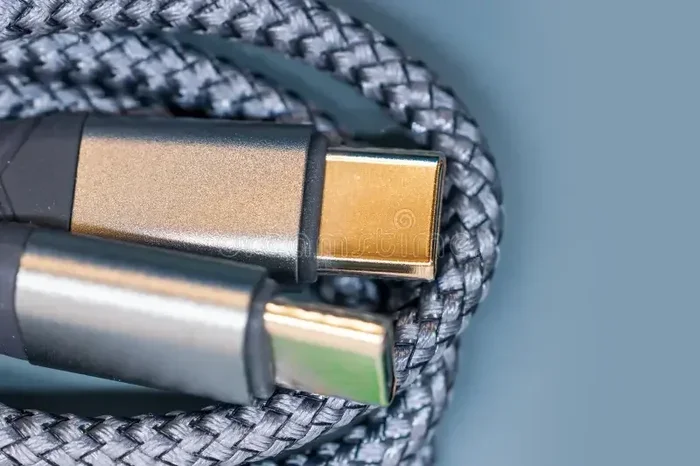
USB Type C is the newest standard in the USB family. It was introduced around 2014 and has quickly become the most popular connector on modern devices. Unlike USB B, USB C is small, oval-shaped, and reversible. This means you can plug it in either way, which is a huge convenience.
USB C supports much more than just data transfer. It can carry video signals, audio, and significant amounts of electrical power. The USB Power Delivery standard allows USB C to supply up to 100 watts of power, which is enough to charge most laptops.
Common Devices That Use USB C
- Smartphones: Most modern Android phones and some iPhones now use USB C.
- Laptops: Many newer laptops, including MacBooks, use USB C as their primary port.
- Tablets: Devices like the iPad Pro and Samsung Galaxy Tab use USB C.
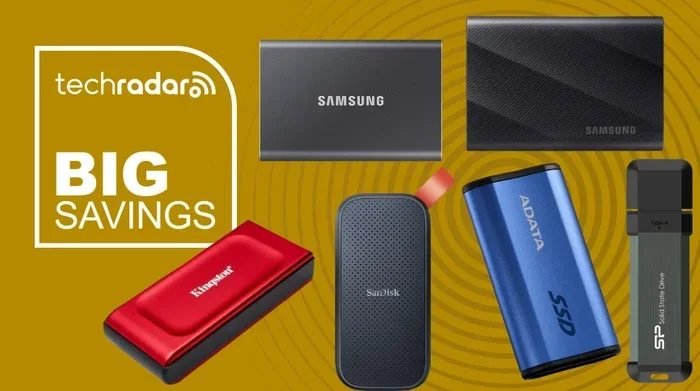
- External SSDs: Portable drives like the Sandisk Extreme Portable 2Tb External Usb C Nvme Ssd connect directly via USB C for ultra-fast speeds.
- Docking Stations: USB C hubs and docks expand your connectivity options significantly.
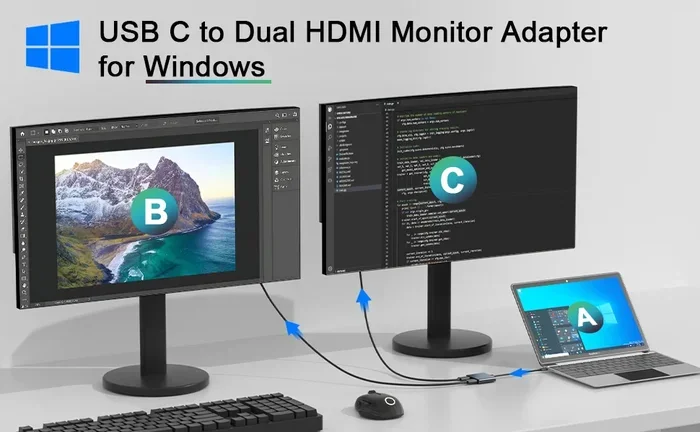
One of the biggest advantages of USB C is its versatility. A single USB C cable can charge your device, transfer data at high speeds, and connect to external displays. This is why so many manufacturers have adopted it as their go-to port.
Key Differences Between USB B and USB C
Now that you know what each connector is, let us look at the main differences. These differences matter whether you are buying cables, adapters, or new devices.
Physical Design
USB B is large and square-shaped. It is not reversible, meaning you have to align it correctly before plugging it in. USB C is small, oval, and completely reversible. You can flip it either way, and it will work every time.
The size difference is also significant. USB C is about half the width of USB B and much thinner. This compact design is what allows modern laptops and phones to have slim profiles while still offering a full-featured port.
Data Transfer Speeds
Speed is where USB C really pulls ahead. Here is a quick comparison:
- USB B (USB 2.0): Up to 480 Mbps
- USB B (USB 3.0): Up to 5 Gbps
- USB C (USB 3.1 Gen 1): Up to 5 Gbps
- USB C (USB 3.1 Gen 2): Up to 10 Gbps
- USB C (USB 3.2 Gen 2×2): Up to 20 Gbps
- USB C (USB4): Up to 40 Gbps
As you can see, USB C supports much higher bandwidth than USB B. Even the fastest USB B (USB 3.0) maxes out at 5 Gbps, while modern USB C connections can reach 40 Gbps with USB4. This makes USB C ideal for transferring large files, backing up drives, and working with high-resolution video.
If you need to connect an NVMe SSD to your computer, a M 2 Nvme To Usb C Ssd Enclosure is a great option. These enclosures take advantage of the high-speed capabilities of USB C to deliver blazing fast data transfer rates that USB B simply cannot match.
Power Delivery
USB B was never designed for high-power charging. It typically provides 2.5 watts of power, which is enough for small peripherals but not much else. USB C, on the other hand, supports the USB Power Delivery specification, which can deliver up to 100 watts.
This means USB C can charge:
- Smartphones and tablets quickly
- Laptops and monitors
- Even some desktop computers
If you have ever tried to charge a laptop with a USB B connection, you know it does not work well. USB C solves this problem entirely with its robust power delivery system.
Reversibility
This might seem like a small detail, but it makes a huge difference in daily use. USB B can only be plugged in one way, which often leads to fumbling and frustration, especially in low light. USB C is reversible, so you never have to worry about orientation.
It is a simple feature, but once you get used to it, you will not want to go back to USB B.
Can You Use USB B and USB C Interchangeably?
The short answer is no, not without an adapter. The two connectors have different shapes, different pin layouts, and different capabilities. You cannot plug a USB B cable into a USB C port directly.
However, adapters exist that bridge the gap. You can buy a USB B to USB C adapter that lets you connect older USB B devices to modern USB C ports. These adapters are affordable and widely available.
Using Adapters and Converters
Adapters work well for basic connectivity, but they do have limitations. If you use a USB B to USB C adapter, you will typically be limited to the speeds of the USB B connection. You will not get the full benefit of USB C speeds because the adapter bottleneck caps the performance.
For storage devices, you might want to consider a Nvme Ssd To Usb Adapter that uses USB C natively. This gives you the full speed potential of the USB C standard without any bottlenecks from older connector types.
Another option is an M 2 Nvme Ssd To Usb 3 1 Adapter, which connects M 2 NVMe drives directly to a USB C port. These adapters are perfect for anyone who wants fast external storage without the bulk of an enclosure.
When Adapters Make Sense
- You have a printer that only uses USB B and your new laptop only has USB C.
- You need a temporary solution and do not want to buy new cables.
- You are setting up a workstation with mixed legacy and modern devices.
For long-term use, however, it is better to invest in native USB C devices and cables. Adapters add bulk and can sometimes cause connectivity issues.
Which One Should You Choose?
For most people, USB C is the clear winner. It is faster, more versatile, and more future-proof. Almost every new device on the market now features USB C ports.
That said, USB B still has its place. If you work with printers, scanners, or older audio equipment, you will likely encounter USB B connections regularly. In these cases, keeping a few USB B cables and adapters on hand is a smart move.
Best Use Cases for USB B
- Connecting printers and scanners
- Using legacy external hard drives
- Working with professional audio gear
- Connecting lab or industrial equipment
Best Use Cases for USB C
- Charging laptops and phones
- Transferring large files quickly
- Connecting external monitors
- Using portable SSDs and storage devices
- Docking stations and hubs
If you are building a new setup or replacing old cables, go with USB C wherever possible. It is the standard that is here to stay. Devices like the M2 Nvme Ssd In Usb Enclosures show how powerful and versatile USB C can be for external storage solutions.
Common Myths About USB B and USB C
There are several myths floating around about these two connectors. Let us clear up some of the most common ones.
Myth 1: USB C is just a newer version of USB B. This is false. USB C is an entirely different connector design. It is not simply an updated version of USB B. They are different shapes, different sizes, and different in almost every way.
Myth 2: USB C is always faster than USB B. While USB C supports much higher speeds, the actual speed depends on the USB standard being used. A USB 2.0 connection over USB C will be just as slow as a USB 2.0 connection over USB B. The connector type does not determine speed on its own.
Myth 3: You can charge any device with USB C. USB C supports high-power delivery, but the device must also support USB Power Delivery. Not all USB C devices can accept 100 watts of power. Always check the specifications of your device before assuming it can handle fast charging over USB C.
Myth 4: USB B is obsolete. USB B is not dead yet. Many printers, scanners, and industrial devices still rely on USB B connections. It will be some time before USB B is completely phased out of all use cases.
How to Identify USB B and USB C Connectors
If you are ever unsure which connector you are looking at, here are some quick tips:
- Look at the shape: USB B is square with slightly rounded edges. USB C is small and oval.
- Check the size: USB C is much smaller than USB B. A USB B plug is roughly twice the width of a USB C plug.
- Try to plug it in: USB C will work either way. USB B only works in one orientation.
- Look for color coding: USB 3.0 USB B ports often have a blue insert inside. USB C ports typically do not have color coding.
Once you know what to look for, telling the two apart becomes second nature.
The Future of USB Connectors
The technology world is moving steadily toward USB C as the universal standard. The European Union has even mandated USB C as the standard charging port for most electronic devices sold in the region. This means that in the coming years, you will see fewer devices with USB B ports.
However, USB B will not disappear overnight. Many professional and industrial devices still depend on it. As long as those devices remain in use, there will be a need for USB B cables and adapters.
The good news is that USB C is backward compatible. You can use adapters and cables to connect older USB B devices to modern USB C ports. This makes the transition much smoother for users who are upgrading their setups gradually.
For those who want to take full advantage of USB C speeds, consider investing in high-quality cables and adapters. A reliable M 2 Nvme Ssd Enclosure Adapter Usb 3 1 can unlock the full potential of your NVMe drives through a USB C connection, giving you speeds that USB B could never provide.
Final Thoughts
USB B and USB C are not the same, and they are not interchangeable without adapters. USB B is the older, larger, square-shaped connector found mainly on printers and legacy devices. USB C is the modern, compact, reversible connector that powers most of today’s devices and offers superior speed and power delivery.
If you are shopping for cables, adapters, or new devices, always check which connector type you need. Having the right cable makes all the difference in performance and convenience. Going forward, USB C is the connector you want for almost everything, from charging to data transfer to video output.
Keep a few USB B cables around for your older devices, but make USB C your go-to for all your modern connectivity needs. Your devices will thank you for it.
Frequently Asked Questions
Can I plug a USB B cable into a USB C port?
No, you cannot plug a USB B cable directly into a USB C port. The shapes are completely different. You will need a USB B to USB C adapter or cable to bridge the two connector types.
Is USB C faster than USB B for data transfer?
Yes, USB C supports much faster data transfer speeds than USB B. While USB B maxes out at 5 Gbps with USB 3.0, USB C can reach speeds up to 40 Gbps with USB4. The actual speed also depends on the USB standard used by your devices.
Can USB C charge devices that USB B cannot?
Absolutely. USB C supports USB Power Delivery, which can deliver up to 100 watts of power. USB B typically only provides 2.5 watts, which is not enough to charge most laptops or tablets. USB C is the better choice for powering larger devices.
Are USB B cables still worth buying?
Yes, if you have older devices like printers, scanners, or legacy external hard drives that use USB B. These devices are still common in many homes and offices, so keeping a USB B cable handy is practical.
Will USB B eventually be replaced by USB C?
Most likely, yes. USB C is becoming the universal standard, and regulations in some regions now require USB C for all devices. However, USB B will remain in use for professional and industrial equipment for some time before it is fully phased out.
Do all USB C cables support the same speeds?
No, not all USB C cables are created equal. Some support only USB 2.0 speeds (480 Mbps), while others support USB 3.1 or USB 3.2 speeds up to 20 Gbps or even 40 Gbps. Always check the cable specifications to ensure it supports the speeds you need.