Ddr3 Ram 16gb for Laptop
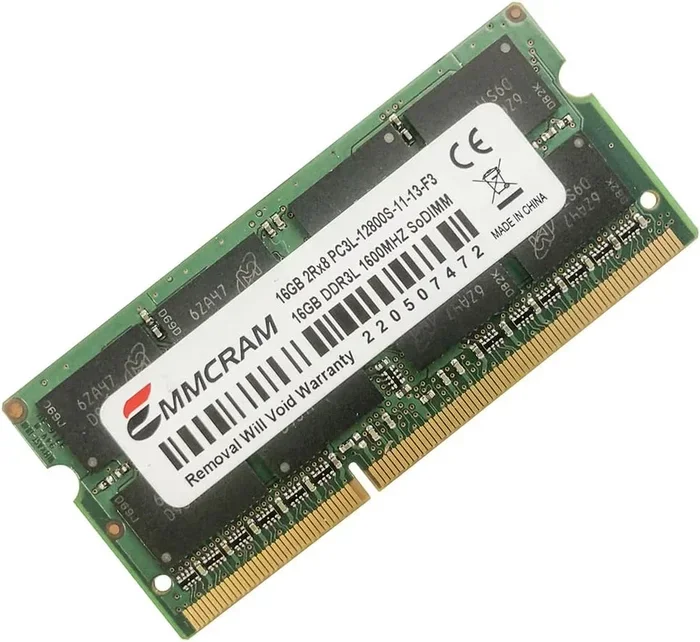
DDR3 RAM 16GB for laptop is a popular upgrade choice for users who want smoother multitasking and better performance without spending too much. This type of memory offers a great balance between speed, affordability, and reliability for everyday computing tasks. Whether you are working from home, studying, or running light creative software, 16GB of DDR3 memory can make a noticeable difference. In this guide, we will cover everything you need to know about choosing, installing, and getting the most from DDR3 16GB laptop RAM.
Upgrading your laptop memory is one of the easiest ways to breathe new life into an aging machine. If you have been dealing with slow load times, laggy apps, or constant freezing, the problem might be insufficient RAM. A DDR3 RAM 16GB for laptop upgrade can solve many of these issues without the need for a brand-new computer.
DDR3 memory has been around for over a decade, and it still powers millions of laptops worldwide. Many users assume that only the latest RAM types matter, but that is not always true. DDR3 16GB laptop RAM remains a solid, cost-effective option for students, professionals, and casual users alike. In this guide, we will walk you through everything you need to know.
Key Takeaways
- DDR3 16GB RAM boosts laptop performance significantly for multitasking, browsing, and light creative work.
- Compatibility matters — check your laptop’s memory slots, motherboard support, and RAM speed before buying.
- DDR3 RAM is affordable compared to newer DDR4 and DDR5 options, making it a smart budget upgrade.
- Installing DDR3 16GB RAM is straightforward and can be done at home with basic tools.
- Dual-channel configuration with two 8GB sticks delivers better performance than a single 16GB stick.
- DDR3 is still widely used in older laptops and remains a reliable choice for many users.
📑 Table of Contents
- What Is DDR3 RAM and Why Does It Matter?
- Benefits of Upgrading to 16GB DDR3 RAM
- How to Know If Your Laptop Supports DDR3 16GB RAM
- DDR3 vs. DDR4 vs. DDR5: Which RAM Should You Choose?
- How to Install DDR3 16GB RAM in Your Laptop
- Common Mistakes to Avoid When Buying DDR3 16GB RAM
- Is DDR3 16GB RAM Still Worth It in 2024?
- Where to Buy DDR3 16GB RAM for Your Laptop
- Final Thoughts
What Is DDR3 RAM and Why Does It Matter?
DDR3 stands for Double Data Rate 3 Synchronous Dynamic Random-Access Memory. It is a type of computer memory that transfers data at high speeds. The “DDR” part means it moves data on both the rising and falling edges of a clock signal, which makes it faster than older RAM types.
DDR3 was introduced in 2007 and quickly became the standard for laptop and desktop memory. It replaced DDR2 and offered better speed and lower power consumption. While DDR4 and DDR5 have since taken over as the newer standards, DDR3 memory is still very much in use today.
Key Features of DDR3 RAM
- Speed: DDR3 RAM typically runs at speeds between 800 MHz and 2133 MHz. Higher speeds mean faster data transfer.
- Voltage: It operates at 1.5V or 1.35V for low-voltage versions, which helps reduce heat and power usage.
- Capacity: DDR3 modules are available in capacities from 1GB up to 16GB per stick, making 16GB a common and practical choice.
- Latency: DDR3 has CAS latency values typically ranging from CL9 to CL15, which affects how quickly the memory responds to requests.
- Compatibility: DDR3 is not backward compatible with DDR2 or forward compatible with DDR4. You must match the RAM type to your laptop’s motherboard.
Understanding these basics helps you make informed decisions when shopping for DDR3 RAM 16GB for laptop upgrades. The right memory can transform how your laptop handles daily tasks.
Benefits of Upgrading to 16GB DDR3 RAM
Why should you consider a 16GB DDR3 laptop RAM upgrade? The answer comes down to real-world performance improvements. Here are the main benefits you can expect.
1. Smoother Multitasking
With 16GB of memory, you can run multiple applications at the same time without slowdowns. Open your browser with 20 tabs, run a word processor, play background music, and still have plenty of memory left over. This is a huge upgrade from 4GB or 8GB configurations.
2. Better Performance in Demanding Applications
Applications like photo editors, video players, and lightweight development tools use a lot of memory. A DDR3 16GB laptop RAM setup gives these programs the space they need to run smoothly. You will notice fewer crashes and faster response times.
3. Improved Gaming Experience
While DDR3 is not the fastest RAM for modern gaming, 16GB is still enough for many older and mid-tier games. Titles that were popular during the DDR3 era run beautifully with this amount of memory. You will experience fewer stutters and shorter load screens.
4. Cost-Effective Upgrade
One of the biggest advantages of DDR3 RAM 16GB for laptop is the price. DDR3 modules are much cheaper than DDR4 or DDR5 options. If your laptop only supports DDR3, upgrading to 16GB gives you excellent value without breaking the bank.
5. Extended Laptop Lifespan
Instead of buying a new laptop, a memory upgrade can extend your current machine’s useful life by several years. A 16GB RAM laptop upgrade makes an older laptop feel almost like new again.
How to Know If Your Laptop Supports DDR3 16GB RAM
Before you buy any memory, you need to confirm that your laptop can use DDR3 16GB. Not every laptop supports this configuration. Here is how to check.
Check Your Laptop’s Specifications
Start by looking up your laptop model online. Visit the manufacturer’s website and find the specifications page. Look for details about maximum memory support, RAM type, and the number of memory slots.
Some key things to look for include:
- Maximum RAM capacity: Your laptop must support at least 16GB total.
- RAM type: It should list DDR3 or DDR3L (low voltage).
- Number of slots: If your laptop has two slots, you can install two 8GB sticks for a total of 16GB.
- Speed support: Check what DDR3 speeds your laptop can handle, such as 1333 MHz or 1600 MHz.
Use System Information Tools
You can also check your current RAM details directly from your laptop. On Windows, open the Task Manager and go to the Performance tab. Click on Memory to see what type of RAM you currently have and how many slots are in use.
On macOS, click the Apple menu, select About This Mac, and look at the Memory section. This tells you the RAM type, speed, and total capacity installed.
When to Upgrade vs. When to Buy New
If your laptop supports DDR3 16GB and the rest of the hardware is still decent, an upgrade makes perfect sense. However, if your processor is very old or your laptop has other hardware limitations, you might want to consider a new 16GB RAM laptop instead. A memory upgrade works best when the rest of the system is still capable.
DDR3 vs. DDR4 vs. DDR5: Which RAM Should You Choose?
The RAM market has evolved significantly, and it is important to understand how DDR3 compares to newer generations. This helps you decide if DDR3 is the right choice for your needs.
DDR3 RAM
DDR3 RAM 16GB for laptop is the most affordable option and works well with older laptops. It offers decent speeds and reliable performance. If you have a laptop from 2007 to 2015, there is a good chance it uses DDR3 memory.
DDR4 RAM
DDR4 is faster and more efficient than DDR3. It operates at a lower voltage (1.2V) and offers higher bandwidth. Most modern laptops use DDR4. If your laptop supports DDR4, it is usually better to stick with DDR4 rather than trying to use DDR3.
DDR5 RAM
DDR5 is the newest standard and offers the best performance. However, it is also the most expensive. DDR5 laptops are still relatively new and tend to cost more. For most users, DDR3 16GB laptop RAM or DDR4 remains the practical choice.
Quick Comparison Table
- DDR3: Affordable, widely available, good for older laptops, speeds up to 2133 MHz.
- DDR4: Faster than DDR3, lower power consumption, standard in modern laptops, speeds up to 3200 MHz.
- DDR5: Fastest option, highest bandwidth, most expensive, found in latest laptops, speeds up to 4800 MHz and beyond.
If your laptop only supports DDR3, do not worry. A DDR3 16GB RAM upgrade will still deliver excellent performance for everyday tasks and many professional applications.
How to Install DDR3 16GB RAM in Your Laptop
Installing DDR3 RAM 16GB for laptop is a straightforward process. You do not need to be a tech expert. Follow these steps carefully and you will have your new memory up and running in no time.
What You Will Need
- A compatible DDR3 16GB RAM module (or two 8GB sticks for dual-channel mode)
- A small Phillips-head screwdriver
- A clean, flat workspace
- An anti-static wrist strap (optional but recommended)
Step-by-Step Installation Guide
- Power off your laptop: Turn it completely off and unplug the power cable. Remove the battery if possible.
- Ground yourself: Touch a metal surface to discharge any static electricity. This protects your components from damage.
- Locate the RAM compartment: Check the bottom of your laptop for a small panel held by one or two screws. Remove the screws and gently lift the panel off.
- Remove the old RAM (if needed): Push the small clips on either side of the existing RAM stick outward. The module will pop up at an angle. Gently pull it out.
- Insert the new DDR3 RAM: Align the notch on the RAM stick with the ridge in the slot. Press the module down firmly at a 45-degree angle until it clicks into place.
- Secure the panel: Replace the bottom panel and screw it back in.
- Power on and verify: Turn on your laptop and check the system information to confirm that 16GB of RAM is recognized.
Tips for a Successful Installation
- If your laptop has two slots and currently has one 8GB stick, add another 8GB stick to reach 16GB in dual-channel mode. This improves performance compared to a single 16GB stick.
- Make sure both RAM sticks are the same brand, speed, and capacity for the best results.
- If your laptop does not recognize the new memory, try reseating the stick or testing it in a different slot.
For more details on compatible 16GB RAM laptop options and models that support DDR3, check out our guide on 16GB RAM laptop for sale.
Common Mistakes to Avoid When Buying DDR3 16GB RAM
Shopping for laptop memory can be tricky, especially if you are not familiar with the technical details. Here are some common mistakes to avoid.
Buying the Wrong RAM Type
The most common mistake is purchasing DDR4 or DDR5 RAM for a laptop that only supports DDR3. Always double-check your laptop’s specifications before making a purchase. A DDR3 RAM 16GB for laptop upgrade will not work if your laptop uses a different RAM generation.
Ignoring Speed Compatibility
DDR3 RAM comes in different speeds, such as 1333 MHz, 1600 MHz, and 1866 MHz. While your laptop will usually downclock faster RAM to match its supported speed, it is best to buy RAM that matches your laptop’s native speed for optimal stability.
Overlooking Dual-Channel Benefits
If your laptop has two memory slots, buying a single 16GB stick means you are running in single-channel mode. This can reduce memory bandwidth. Instead, consider buying two 8GB sticks to run in dual-channel mode, which offers better performance.
Skipping the Vendor’s Compatibility List
Many laptop manufacturers publish lists of tested and compatible RAM modules. Before you buy, check the vendor’s website or user manual for a compatibility list. This saves you from buying RAM that might not work with your specific model.
Forgetting to Check the Maximum Capacity
Some older laptops have a maximum memory limit of 8GB or 12GB. If you install 16GB in a laptop that only supports 12GB, the system will only recognize 12GB. Always verify your laptop’s maximum supported capacity before purchasing.
Is DDR3 16GB RAM Still Worth It in 2024?
With DDR4 and DDR5 dominating the market, you might wonder if DDR3 16GB laptop RAM is still a worthwhile investment. The answer depends on your situation.
If you have an older laptop that only supports DDR3, then yes, upgrading to 16GB is absolutely worth it. It brings a significant performance boost at a very low cost. You can browse the web, stream videos, run office applications, and even do light photo editing with ease.
However, if you are buying a new laptop or have the option to choose a newer model, DDR4 or DDR5 would be the better long-term choice. Newer RAM types offer faster speeds and better energy efficiency.
For users who rely on their current laptop for work and cannot afford a replacement, a DDR3 RAM 16GB for laptop upgrade is one of the best investments you can make. It costs a fraction of a new laptop and delivers noticeable improvements in daily use.
You can also explore options like 16GB RAM for laptop to understand if 16GB meets your specific needs.
Where to Buy DDR3 16GB RAM for Your Laptop
DDR3 RAM is still widely available from many retailers and online marketplaces. You can find it on major shopping websites, electronics stores, and specialized computer parts retailers. When shopping, look for reputable brands like Kingston, Corsair, Crucial, and Samsung.
Always check seller ratings and read customer reviews before purchasing. Make sure the product listing specifically states DDR3 compatibility and the correct form factor for laptops (SO-DIMM). If you are unsure about compatibility, many retailers offer tools on their websites where you can enter your laptop model to find the right DDR3 16GB RAM module.
For additional guidance on choosing the right memory for your needs, visit our page on how much RAM for laptop.
Final Thoughts
Upgrading to DDR3 RAM 16GB for laptop is one of the simplest and most affordable ways to improve your computer’s performance. Whether you are tired of slow load times, frequent freezing, or inability to run multiple apps at once, this upgrade delivers real results.
The process is simple, the cost is low, and the benefits are immediate. You do not need advanced technical skills, and the entire installation can be completed in minutes. With 16GB of DDR3 memory, your laptop will handle everyday tasks with ease and feel much more responsive.
Before you buy, make sure your laptop supports DDR3 and can handle 16GB of total memory. Choose the right configuration, install the RAM carefully, and enjoy the improved performance. A 16GB DDR3 laptop RAM upgrade is a smart move that gives your old laptop a new lease on life.
Frequently Asked Questions
Can I mix DDR3 8GB and 8GB sticks to make 16GB?
Yes, you can install two 8GB DDR3 sticks to reach 16GB total. For the best performance, use matching sticks from the same brand and with the same speed ratings. This also enables dual-channel mode, which improves memory bandwidth and overall performance.
Is DDR3 16GB RAM good for gaming?
DDR3 16GB RAM is good for gaming, especially for older and mid-tier titles. Modern games benefit more from faster RAM types like DDR4 or DDR5, but many games still run well on DDR3. You will experience smooth gameplay for most titles released during the DDR3 era.
How much does DDR3 16GB RAM cost?
DDR3 16GB RAM is very affordable compared to newer generations. Prices typically range from $30 to $60 depending on the brand and speed. This makes it one of the most cost-effective laptop upgrades available.
Can I upgrade from 8GB to 16GB DDR3 RAM?
Yes, if your laptop has a free memory slot and supports DDR3, you can add an 8GB stick to your existing 8GB stick to reach 16GB total. If both slots are occupied, you would need to replace both sticks with 8GB modules.
Does DDR3 16GB RAM make a laptop faster?
Yes, upgrading to 16GB of DDR3 RAM makes a noticeable difference in laptop speed. You will experience faster app loading, smoother multitasking, and fewer slowdowns when running multiple programs at once.
What is the difference between DDR3 and DDR3L RAM?
DDR3L stands for DDR3 Low Voltage. It operates at 1.35V instead of the standard 1.5V. DDR3L is more energy-efficient and runs cooler. Most laptops that support DDR3 also support DDR3L, but always check your laptop’s specifications to confirm compatibility.