Dental Care for Spanish Speakers
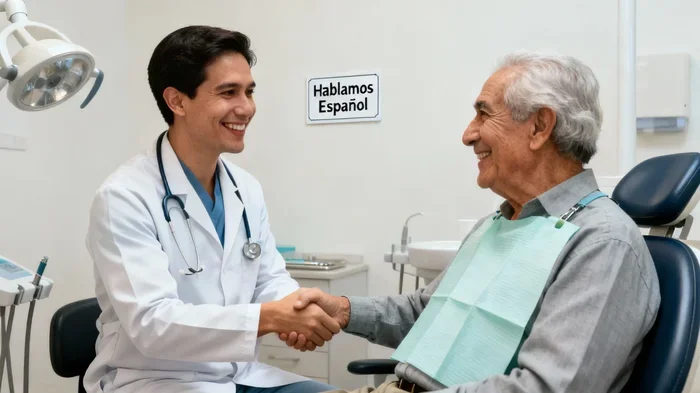
Dental care for Spanish speakers can feel overwhelming when language barriers exist. Many patients struggle to explain pain or understand treatment plans in English-only offices. Finding a bilingual provider or using translation tools makes a huge difference. This guide shares practical steps to get the best oral health support without confusion.
Visiting the dentist should feel safe and clear. Yet many people feel nervous when they cannot fully express their concerns. Dental care for Spanish speakers improves when you know how to prepare, what to ask, and where to look for support. You deserve a smooth experience from the first phone call to the final checkup.
Language should never block good health. Simple steps can remove stress and build trust with your care team. This guide walks you through practical tips, common terms, and smart ways to communicate. You will learn how to find the right office, handle appointments, and keep your smile strong.
Key Takeaways
- Find bilingual providers: Look for dentists who speak Spanish or offer professional translation services to reduce miscommunication.
- Prepare your questions: Write down symptoms and concerns in Spanish before your visit to ensure nothing gets missed.
- Understand insurance basics: Learn key English terms for dental coverage so you can navigate plans with confidence.
- Use visual aids: Ask for diagrams or models to see exactly what a procedure involves.
- Practice preventive habits: Brushing, flossing, and regular checkups matter in every language.
- Bring a trusted friend: Having a Spanish-speaking companion can ease anxiety and help with note-taking.
- Ask for written instructions: Request aftercare notes in Spanish to follow recovery steps accurately.
📑 Table of Contents
Finding the Right Dental Office for Spanish Speakers
Start by looking for clinics that welcome diverse patients. Many practices now train staff in basic Spanish or keep interpreter services on call. A quick phone call can save you time and worry. Ask direct questions about language support before booking.
Ask About Bilingual Staff
When you call, speak slowly and clearly. You can say, “Do you have a Spanish-speaking dentist or hygienist?” If they say yes, you will feel more comfortable during exams. If they say no, ask if they use a phone interpreter or video translation service.
Check Online Reviews
Read patient comments for clues about communication. Look for words like “friendly,” “patient,” and “explained well.” Reviews often mention whether the team took time to answer questions in Spanish. That feedback helps you choose wisely.
Use Community Resources
Local community centers, churches, and cultural groups often share lists of trusted providers. These networks know which offices treat Spanish speakers with respect. A recommendation from a neighbor can point you to a great match.
Quick Tip
Keep a short script ready for your first call. Write your questions in Spanish so you can read them if you feel nervous. This small step builds confidence right away.
Preparing for Your Visit with Confidence
Good preparation makes every appointment smoother. Write down your symptoms, medicines, and allergies before you go. Bring a list of questions so you do not forget anything important. Clear notes help the dental team understand your needs fast.

Visual guide about dental care Spanish speaking patient
Image source: dentalhealthinternationalchelsea.com
Translate Your Symptoms
Describe pain in simple terms. You can say where it hurts, when it started, and what makes it worse. Use words like “sharp,” “throbbing,” or “sensitive to cold.” These details help the dentist spot the problem quickly.
Bring a Trusted Friend
Having a Spanish-speaking friend or family member with you can help a lot. They can listen, take notes, and ask follow-up questions. This support lowers stress and improves understanding.
Know Your Insurance Basics
Dental coverage can feel confusing in any language. Learn a few key words like “copay,” “deductible,” and “annual maximum.” If your plan has a bilingual member services line, use it. Clear coverage details prevent surprise bills later.
Common Mistake
Many patients stay silent when they do not understand a term. If a word feels unclear, stop and ask for a simpler explanation. It is always better to pause than to guess.
Talking With Your Dentist During the Appointment
Strong communication leads to better care. Share your fears, goals, and budget openly. A good team will listen and adjust their explanations to fit your needs. You can guide the conversation with a few helpful phrases.
Use Simple Question Starters
Try phrases like “Can you show me on the X-ray?” or “What are my options?” These questions invite clear answers. You can also ask, “What happens if I wait?” to understand the risks of delay.
Ask for Visual Help
Pictures, mirrors, and models make treatment easier to grasp. Seeing the tooth or gum issue helps you understand the plan. Visual tools bridge the gap when words feel tricky.
Confirm the Next Steps
Before you leave, repeat the main points in your own words. Ask when to return and what to do at home. Clear follow-up steps protect your results and reduce confusion.
Expert Insight
Dentists often use standard terms that sound complex but are easy to explain. Do not hesitate to ask for plain language. Good providers welcome questions and want you to feel informed.
Understanding Common Dental Treatments
Knowing what to expect lowers anxiety. Most visits involve routine cleaning, exams, fillings, or preventive advice. More involved procedures may include crowns, root canals, or extractions. Each treatment has a simple purpose: restore comfort, function, and health.
Routine Cleanings and Exams
Regular checkups remove plaque and catch small issues early. The hygienist cleans your teeth, then the dentist checks for cavities and gum concerns. This visit is usually quick and comfortable. It is the best way to stay ahead of bigger problems.
Fillings and Restorations
A filling repairs a cavity and stops decay from spreading. The dentist removes the damaged part and places a strong material in the tooth. You may feel pressure, but the area stays numb. The goal is a painless fix that protects the tooth.
Crowns, Root Canals, and Extractions
Sometimes a tooth needs more support. A crown covers and strengthens a weak tooth. A root canal treats infection inside the tooth to save it. An extraction removes a tooth that cannot be saved. Your dentist will explain which option fits your case and why.
Quick Tip
Ask how long each procedure takes and what recovery feels like. Knowing the timeline helps you plan your day and reduce worry.
Keeping Your Smile Healthy at Home
Great oral health starts every day, not just in the chair. Simple habits protect your teeth between visits. A steady routine works in any language and any schedule. Small changes add up to a stronger smile.
Brush and Floss the Right Way
Brush twice a day with a soft brush and fluoride toothpaste. Move gently along the gumline and all tooth surfaces. Floss once a day to clean between teeth where a brush cannot reach. These steps reduce cavities and gum irritation.
Choose Smart Snacks
Sugary drinks and sticky snacks feed bacteria that cause decay. Water, fresh fruit, and cheese make better choices. If you enjoy sweets, rinse with water afterward. Simple food choices support long-term health.
Spot Early Warning Signs
Watch for bleeding gums, bad breath that will not go away, or sensitivity to hot and cold. These signs can point to gum disease or cavities. Call your dentist when something feels off. Early care is easier and less costly.
Common Mistake
Many people brush too hard or skip flossing when teeth feel fine. Gentle, daily care prevents problems better than intense, occasional cleaning. Consistency matters most.
Overcoming Fear and Building Trust
Dental anxiety is common, especially when language adds uncertainty. You can lower fear by planning ahead and choosing a supportive team. A calm approach helps you stay relaxed and get the care you need.
Share Your Worries Openly
Tell the team if you feel nervous or have had bad experiences before. Staff can slow down, explain each step, and give you breaks when needed. Honesty creates a better experience for everyone.
Use Calming Techniques
Deep breathing, music, or a stress ball can help during treatment. Some patients prefer a hand signal to pause when they need a moment. Small comforts make a big difference.
Build a Long-Term Relationship
Seeing the same office over time builds trust. You learn how the team communicates, and they learn your needs. A steady relationship makes each visit easier and more personal.
Expert Insight
Trust grows when patients feel heard. A respectful office will never rush you through important decisions. Take your time and choose care that feels right for you.
Key Takeaways
Good dental care depends on clear communication, steady habits, and the right support. When you prepare well, ask questions, and choose a welcoming office, you set yourself up for success. Dental care for Spanish speakers becomes much easier with a plan that puts comfort and clarity first. Use these ideas to stay confident from the first call to your next checkup.
Frequently Asked Questions
How can Spanish speakers find a dentist who speaks their language?
Start by calling local clinics and asking if they have bilingual staff or interpreter services. You can also check community groups and online reviews for recommendations. A short phone conversation often reveals how comfortable the office will feel.
What should I bring to my first dental appointment?
Bring a list of your medicines, allergies, and any symptoms you have noticed. It also helps to bring your insurance card and a friend who speaks Spanish if possible. Written notes make the visit faster and clearer.
How do I understand dental insurance in English?
Focus on a few key terms like copay, deductible, and coverage limit. Call the member services number on your card and ask for help in Spanish if needed. Clear coverage details help you avoid surprise costs.
What if I feel nervous about dental treatment?
Tell the staff about your anxiety before the procedure starts. Ask them to explain each step in simple words and use a hand signal if you need a break. Calming tools like music or deep breathing can also help.
Can I get aftercare instructions in Spanish?
Yes, many offices can provide written instructions in Spanish or use translation tools. Ask for this before you leave so you know how to care for your mouth at home. Clear instructions help you heal faster and avoid mistakes.
How often should I visit the dentist for checkups?
Most people do best with a cleaning and exam every six months, but your dentist may suggest a different schedule. Regular visits catch small problems early and keep your gums healthy. Ask your provider what plan fits your needs best.