Different Types of Marketing Channels

Understanding the different types of marketing channels is the cornerstone of any effective business strategy. It’s not about picking one; it’s about creating a synergistic mix of owned, earned, and paid media to reach your audience wherever they are. This guide breaks down every major channel, provides real-world SaaS examples, and gives you a framework to build your own integrated marketing plan for sustainable growth.
So, you’ve got a fantastic product or service. You know it solves a real problem. Now what? How do you actually get it in front of the people who need it? This is where understanding the different types of marketing channels becomes your most important business skill. Think of marketing channels as the various roads you can build to connect your business with your customers. Some roads you own and control completely. Others are built by others on your behalf. And some you simply rent for a fee. Mastering this ecosystem is how you move from hoping for customers to systematically attracting them.
The modern buyer’s journey is fragmented. They might discover you on TikTok, research you on Google, read reviews on G2, and finally sign up after a helpful email nurture sequence. Your job is to be present, valuable, and consistent across that entire journey. That’s only possible with a deliberate mix of channels working together. In this guide, we’re going to explore every major type of marketing channel in detail, breaking them down by the OEP model (Owned, Earned, Paid). We’ll look at practical examples, especially from the SaaS world, and give you the blueprint to assemble your own powerful, integrated marketing engine.
Key Takeaways
- Channels are categorized as Owned, Earned, or Paid: This OEP framework is the fundamental way to classify all marketing activities based on control and cost.
- An integrated strategy is non-negotiable: Relying on a single channel is risky. The most successful businesses use a balanced mix to create multiple touchpoints.
- Your audience dictates your channel mix: B2B SaaS buyers behave differently than B2C e-commerce shoppers. Deep audience research must inform channel selection.
- Owned channels are your long-term foundation: Your website and email list are assets you control completely, building lasting relationships without per-lead costs.
- Earned media builds crucial trust: Organic reach through PR, SEO, and word-of-mouth is the most credible form of marketing but requires consistent effort.
- Paid channels offer scalable speed: Paid ads and sponsorships provide predictable, immediate reach but require budget and constant optimization.
- Measurement and adaptation are key: You must track performance across all channels using clear KPIs and be willing to shift budget and focus based on data.
📑 Table of Contents
The Foundational Framework: Owned, Earned, and Paid Media
Before we dive into specific channels, we need to establish the core taxonomy. Every single marketing tactic falls into one of three buckets: Owned, Earned, or Paid media. This isn’t just academic; understanding which bucket a channel belongs to dictates your strategy, budget, and expectations for control and results.
Owned Media: Your Digital Real Estate
Owned media consists of all the channels and assets that your business has complete control over. You own the platform, you set the rules, and you build the audience without paying for direct access (though creating the asset has a cost). This is your home base.
- Examples: Your company website, blog, mobile app, email list, social media profiles (your page), and YouTube channel.
- Key Benefit: Full control over messaging, user experience, and data. You’re not subject to algorithm changes or platform policies in the same way.
- Primary Goal: Build deep relationships, nurture leads, establish authority, and drive recurring engagement. It’s a long-game investment.
- SaaS Example: HubSpot’s blog is a masterclass in owned media. They create exhaustive, valuable content on sales, marketing, and service that attracts their ideal customer profile (ICP) organically. They own that content and can direct readers to their free tools and software trials.
Earned Media: The Currency of Trust
Earned media is the publicity and recognition you gain through the efforts of others, not through direct payment. It’s essentially word-of-mouth in the digital age. You “earn” it by being newsworthy, valuable, or exceptional.
- Examples: Organic social media shares, press mentions, backlinks from other websites, online reviews, customer testimonials, and influencer mentions (unpaid).
- Key Benefit: Unmatched credibility and trust. People trust third-party endorsements far more than a brand’s own claims.
- Primary Goal: Build brand authority, improve SEO, and generate high-intent referral traffic. It’s often the hardest to get but the most valuable.
- SaaS Example: When a reputable tech publication like TechCrunch reviews a new startup’s funding round or product launch, that’s earned media. A glowing G2 review from a verified user is another form. Companies like Notion and Airtable have massive earned media value because users constantly create and share their templates publicly.
Paid Media: The Scalability Lever
Paid media is any channel where you pay to place your message in front of an audience. You are essentially renting attention. It offers the most predictability and speed to scale.
- Examples: Search engine ads (Google Ads), social media ads (Meta, LinkedIn, TikTok), display advertising, podcast sponsorships, paid influencer partnerships, and affiliate marketing commissions.
- Key Benefit: Immediate, scalable, and highly targetable. You can start and stop campaigns quickly and reach very specific demographics.
- Primary Goal: Generate leads, drive sales, increase brand awareness quickly, and test messaging. It’s a short-to-medium-term lever.
- SaaS Example: Slack’s early growth was fueled by highly targeted paid search and display ads aimed at teams looking for communication tools. Today, companies like ZoomInfo and Snowflake use LinkedIn ads to target executives by job title, company size, and industry with surgical precision.
Deep Dive: The Essential Owned Channels
Your owned channels are your most valuable, sustainable assets. They are the foundation of your marketing house. Let’s explore the key pillars.
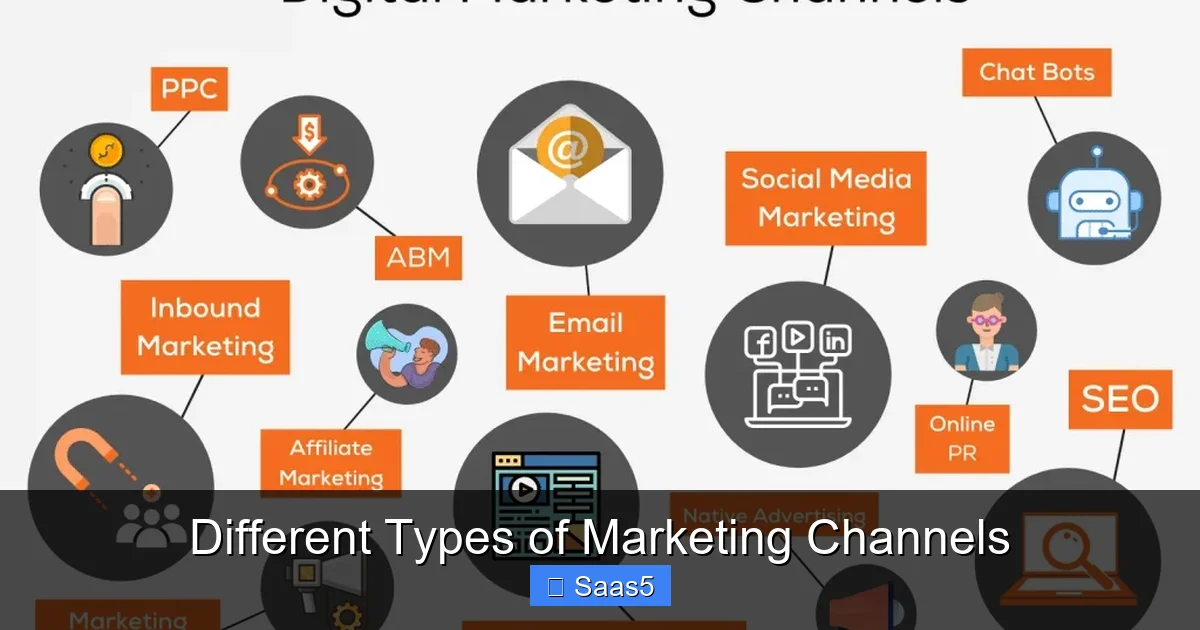
Visual guide about Different Types of Marketing Channels
Image source: itorixinfotech.com
Your Website: The Ultimate Conversion Hub
Your website is not just a digital brochure; it’s your 24/7 sales and service representative. Its primary job is to convert visitors into leads and customers.
- SEO-Optimized Content: Your website’s pages must be structured to rank in search engines. This means keyword research, fast loading speeds, mobile responsiveness, and clear, valuable content that answers searcher intent. For a SaaS company, this means creating pages for core product features, use cases (“project management software for agencies”), and problem-based queries (“how to reduce customer churn”).
- Strategic Landing Pages: These are single-purpose pages designed for a specific campaign (e.g., download an ebook, sign up for a webinar, start a free trial). They remove navigation and distractions, focusing solely on the conversion goal. Tools like Unbounce or Instapage help SaaS teams build and test these rapidly.
- User Experience (UX) & Conversion Rate Optimization (CRO): A beautiful site that doesn’t convert is a waste. CRO involves systematically testing elements like button color, headline copy, form length, and pricing page layout using A/B testing tools (e.g., Optimizely, VWO). A small 1% increase in conversion rate on a high-traffic site can mean thousands of additional customers.
Content Marketing & Blogging: The Authority Engine
This is the strategic creation and sharing of valuable, free content to attract and retain a clearly defined audience. The goal is to position your brand as the expert, so when a buyer is ready, you’re the obvious choice.
- Pillar-Cluster Model: Instead of random blog posts, create a “pillar” page on a broad topic (e.g., “The Ultimate Guide to CRM”) and link to it from multiple, more specific “cluster” blog posts (e.g., “How to Calculate Customer Lifetime Value,” “Best CRM for Small Teams”). This structure pleases search engines and users.
- Format Diversification: Don’t just write articles. Repurpose a top-performing blog post into a video tutorial, an infographic for social media, a podcast episode, and a webinar. This maximizes the ROI of your content creation effort.
- SaaS Tip: Your blog should serve your funnel. Top-of-funnel posts attract a wide audience (e.g., “What is project management?”). Middle-of-funnel posts address consideration (e.g., “Asana vs. Monday.com”). Bottom-of-funnel posts drive action (e.g., “How to migrate your data to [Your Software]”).
Email Marketing: The Workhorse of Nurturing
Email remains the most reliable owned channel for direct communication and ROI. It’s permission-based and sits in a personal space—the inbox.
- Segmentation is Everything: Blasting the same email to your entire list is a recipe for unsubscribes. Segment by user behavior (e.g., signed up for trial but didn’t use feature X), demographics (e.g., company size), or lifecycle stage (e.g., new subscriber vs. paying customer). A welcome series for new trial users can increase conversion by 50%+.
- Automated Nurture Sequences: Set up triggered emails that guide users based on their actions. Examples: a “win-back” series for inactive users, a “tips & tricks” series for new customers, or a “upgrade prompt” for users hitting plan limits.
- Newsletters with Purpose: Your weekly or monthly newsletter shouldn’t just be a company digest. It should curate industry insights, share user success stories, and provide exclusive value. Think of it as a VIP club for your subscribers.
Deep Dive: The Powerful Earned Channels
Earned media is your social proof and credibility multiplier. It tells the market, “Others believe in us, too.” You can’t buy it; you have to earn it through exceptional work and strategic outreach.
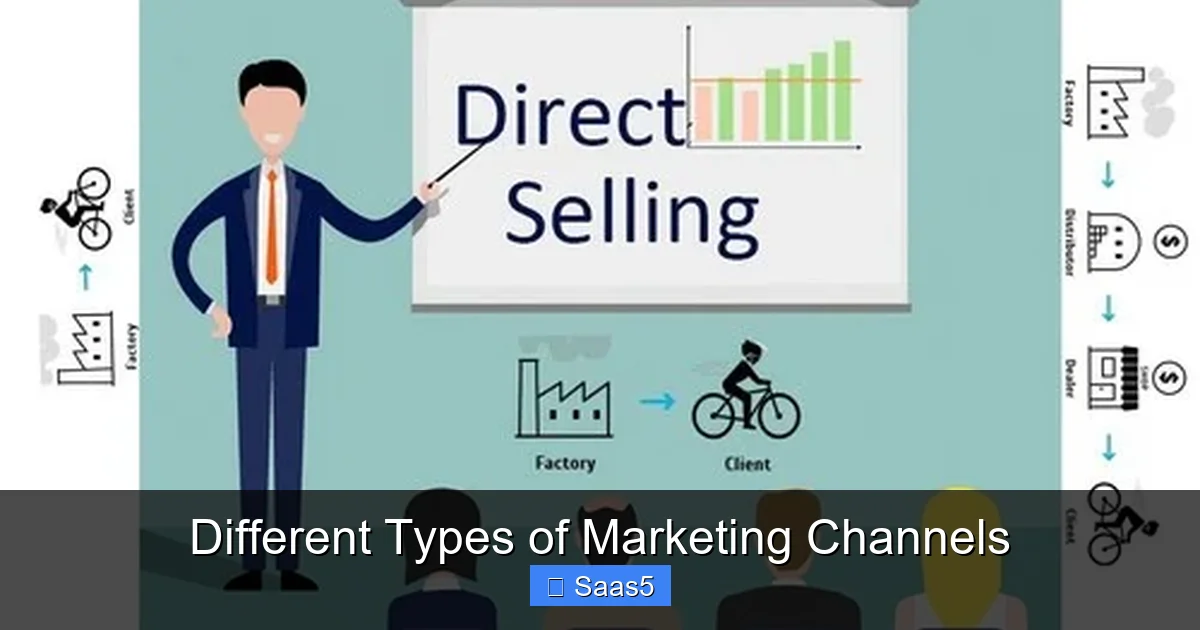
Visual guide about Different Types of Marketing Channels
Image source: marketing91.com
Search Engine Optimization (SEO): The Passive Traffic Generator
SEO is the practice of increasing the quantity and quality of traffic to your website through organic search engine results. It’s the ultimate long-term owned asset that *feels* like earned media.
- Technical SEO: The foundation. This includes site speed, mobile-friendliness, secure HTTPS connections, clean site architecture, and proper schema markup. A technically sound site is easy for Google to crawl and index.
- On-Page SEO: Optimizing individual pages. This includes title tags, meta descriptions, header tags (H1, H2), image alt text, and keyword-rich but natural content.
- Off-Page SEO (The “Earned” Part): This is primarily about backlinks—links from other websites to yours. High-quality backlinks are like votes of confidence. You earn them by creating truly link-worthy content (original research, ultimate guides, useful tools), guest posting on reputable sites, and digital PR.
Public Relations (PR) & Media Mentions
Traditional PR is alive and well in the digital age, but it’s evolved. It’s about getting covered by journalists, bloggers, and influencers in your industry.
- Newsjacking: Tying your brand’s perspective to a trending news story. A cybersecurity SaaS could offer expert commentary on a major data breach in the news.
- Data-Driven Stories: Conduct original research (e.g., “The State of Remote Work 2024” survey) and pitch the findings to trade publications. This positions you as a thought leader.
- Product Launches & Funding Announcements: These are natural PR opportunities. Build relationships with relevant reporters long before you have news.
Social Proof & Community
This is the earned media that happens in public forums and on your own properties.
- Online Reviews & G2/TrustRadius: For B2B SaaS, these platforms are critical. Actively encourage satisfied customers to leave reviews. Respond to *all* reviews, especially negative ones, professionally and solution-oriented.
- User-Generated Content (UGC): When customers create content about your product (tweets, TikTok videos, case studies), it’s powerful social proof. Run campaigns to encourage this, like a “featured customer” spot in your newsletter.
- Building a Community: A dedicated community (e.g., a Slack/Discord group, a user forum) turns customers into advocates. They help each other, provide feedback, and organically promote your product. This is earned loyalty.
Deep Dive: The Scalable Paid Channels
Paid channels are where you put fuel on the fire. They require budget, but when done well, they deliver predictable, scalable results. The key is rigorous testing and optimization.
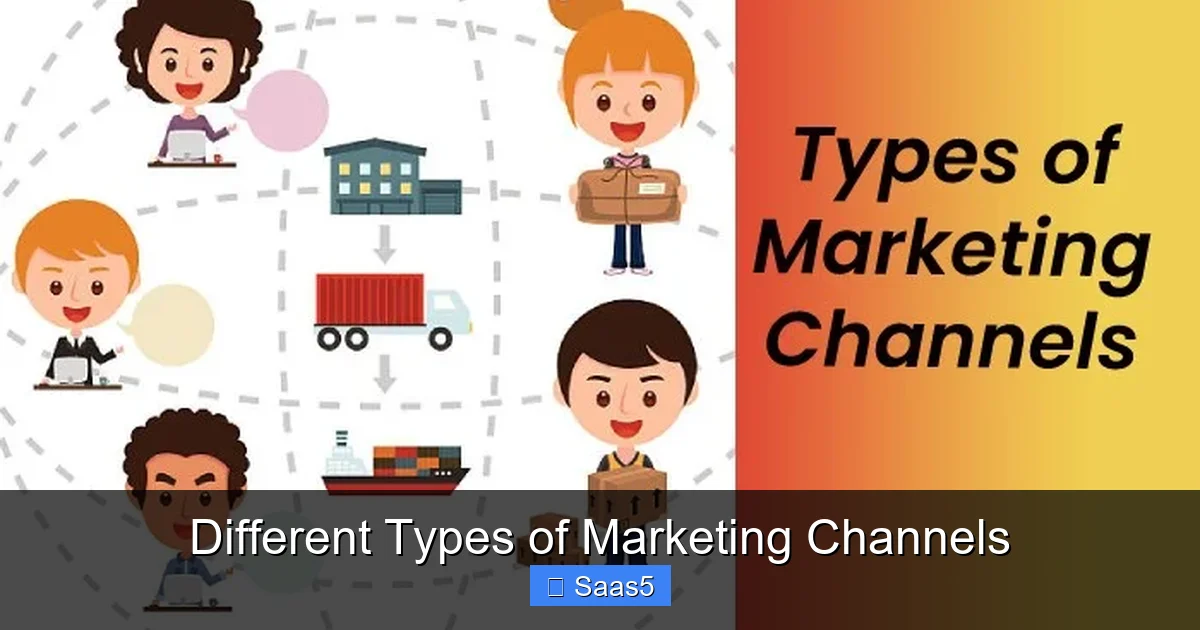
Visual guide about Different Types of Marketing Channels
Image source: marketingiz.com
Search Engine Marketing (SEM) & Pay-Per-Click (PPC)
This is paying for placement on search engine results pages (SERPs). The most common form is Google Ads.
- Intent is King: The beauty of SEM is that you target users based on their search intent. Someone searching for “best accounting software for freelancers” is a high-intent, warm lead. Your ad can answer that need immediately.
- Keyword Strategy: Use a mix of broad, phrase, and exact match keywords. Focus on commercial intent keywords (those with words like “buy,” “price,” “vs.”) for direct conversions and informational keywords for top-of-funnel lead generation via content offers.
- Ad Copy & Landing Page Alignment: Your ad promise must match the landing page experience exactly. If the ad says “Free 14-Day Trial,” the landing page must have a prominent, simple trial sign-up form, not a generic “Contact Us” form.
Social Media Advertising
Paid ads on social platforms offer unparalleled targeting based on demographics, interests, behaviors, and connections.
- Platform Choice by Audience:
- LinkedIn: The undisputed king for B2B SaaS. Target by job title, company size, industry, and even skills. Perfect for high-ticket, complex sales.
- Meta (Facebook/Instagram): Excellent for B2C and some B2C-ish SaaS (e.g., productivity tools for individuals, creative tools). Powerful lookalike audience modeling.
- TikTok: For reaching Gen Z and younger millennials with engaging, authentic, vertical video content. Great for brand awareness and consideration for certain verticals (e.g., design tools, fitness apps).
- X (Twitter):strong> Effective for real-time conversation, promoting blog content, and targeting based on followed accounts and interests.
- Ad Formats: Don’t just use static images. Test video ads, carousel ads (multiple images), and collection ads. Video, especially short-form, often has the highest engagement and lowest cost per view.
Retargeting/Remarketing: The Second Chance
This is arguably the highest-ROI paid tactic. You show ads to people who have already visited your website or interacted with your brand.
- How it Works: You place a tracking pixel (like the Meta Pixel or Google Ads tag) on your site. This allows you to “follow” users around the web and show them relevant ads on other sites or social media.
- Strategic Segments: Create different ad sets for different behaviors:
- Website Visitors: General brand reminder.
- Cart Abandoners (for e-commerce): Show the exact product they left.
- Blog Readers: Offer a related ebook or webinar.
- Trial Sign-ups Who Didn’t Convert: Highlight a key feature they didn’t use or offer a demo.
- Frequency Capping: Don’t annoy people. Set a limit on how many times someone sees your ad in a given period. The goal is a gentle nudge, not a bombardment.
Building Your Integrated Marketing Channel Strategy
Now that you know the channels, how do you choose and combine them? This is where strategy meets execution. A random spray of tactics is inefficient. A deliberate, integrated plan is powerful.
Step 1: Know Your Audience Inside and Out
You cannot pick channels without a crystal-clear picture of your buyer. Go beyond basic demographics.
- Create Detailed Buyer Personas: Give them a name, a job title, a company size, daily frustrations, goals, and information sources. Where do they hang out online? What podcasts do they listen to? What newsletters do they read? What keywords do they use when searching for a solution?
- Map the Customer Journey: Chart the typical path from “unaware of problem” to “aware,” “considering solutions,” “evaluating vendors,” to “purchase.” Identify the questions and objections at each stage. Your channels should provide answers at each step.
Step 2: Audit Your Current Assets & Goals
Be honest about where you are now.
- Owned Audit: How is your website performing (traffic, bounce rate, conversion rate)? How big and engaged is your email list? How active and growing are your social profiles?
- Earned Audit: What is your current SEO health (domain authority, keyword rankings)? Do you have press mentions? What are your review scores on G2, Capterra, etc.?
- Paid Audit: What’s your current ad spend? What are your CPAs (Cost Per Acquisition) and ROAS (Return on Ad Spend)? Which campaigns are profitable?
- Goal Alignment: Are you trying to build brand awareness, generate leads, or drive immediate sales? Your primary goal will weight your channel mix. Brand awareness leans toward social/display ads and PR. Lead gen leans toward content/SEO and SEM. Sales lean heavily on retargeting and sales outreach.
Step 3: The Balanced Mix & Budget Allocation
A healthy marketing budget typically allocates resources across the OEP spectrum. A common starting point for a growing SaaS is:
- 40-50% Owned: Content creation, SEO tools, email marketing software, website maintenance. This is your investment in durable assets.
- 20-30% Earned: PR agency retainers, SEO consulting, influencer collaboration tools, review management platforms. This is your investment in credibility.
- 30-40% Paid: Ad spend, sponsored content, affiliate commissions. This is your investment in scalable reach.
Note: These are starting points. A brand-new startup might spend 70% on paid to generate initial traction. A mature company with strong SEO might spend 60% on owned. The mix must evolve with your business stage.
Step 4: Execute, Measure, and Relentlessly Optimize
Strategy is nothing without execution and learning.
- Define KPIs for Each Channel: Don’t just track “clicks” or “likes.” Track meaningful metrics:
- Owned: Organic traffic growth, email open/click rates, blog subscriber conversion.
- Earned: Keyword ranking positions, number/quality of backlinks, review volume and sentiment.
- Paid: Cost Per Lead (CPL), Customer Acquisition Cost (CAC), ROAS, click-through rate (CTR).
- Use UTM Parameters: Tag every single link you share in ads, emails, and social posts with UTM parameters. This allows you to see exactly where traffic and conversions are coming from in Google Analytics.
- Hold Weekly/Monthly Performance Reviews: Look at the data. Which channel is overperforming? Which is underperforming? Why? Double down on what works. Cut or drastically change what doesn’t. This is the cycle of growth.
Conclusion: It’s a Symphony, Not a Solo
The landscape of different types of marketing channels will always evolve. New platforms emerge, algorithms change, and consumer attention shifts. But the core principles remain constant. Your success hinges on understanding the fundamental OEP framework, knowing your audience with obsessive clarity, and building a resilient, integrated strategy.
Your owned channels are your home—build it strong and welcoming. Your earned channels are your reputation—earn it daily through value and excellence. Your paid channels are your megaphone—use it wisely to amplify your message to the right people at the right time. Stop thinking in silos. Start thinking about how your blog post (owned) can be promoted via a targeted ad (paid) to generate a review (earned) that boosts your SEO (owned/earned). That’s the integrated, powerful machine that drives sustainable growth. Now, go audit your current mix, find the gaps, and start building.
Frequently Asked Questions
What’s the difference between owned, earned, and paid media?
Owned media are channels you control (website, email list). Earned media is publicity you gain through others (reviews, press, organic social shares). Paid media is attention you rent (ads, sponsorships). The most effective strategies use a balanced mix of all three.
Which marketing channel is best for a new SaaS startup?
There’s no single “best” channel. For a new startup with a limited budget, focusing on 1-2 core owned channels (like a blog and LinkedIn presence) combined with highly targeted paid ads (often on LinkedIn or Google) is a common and effective starting point to generate initial traction and feedback.
How do I know if my marketing channels are working?
Set clear Key Performance Indicators (KPIs) for each channel *before* you start. For example, track Cost Per Acquisition (CAC) for paid ads, organic keyword rankings for SEO, and email conversion rates for your newsletter. Use analytics tools like Google Analytics to track user journeys across channels and see which ones drive actual customers.
Should I focus on one channel or be everywhere?
Being “everywhere” with shallow effort is worse than focusing deeply. Start by mastering 2-3 channels where your specific audience is most active. As you grow and have more resources, you can expand. Integration is more important than sheer quantity of channels.
What is the biggest mistake businesses make with marketing channels?
The biggest mistake is treating channels in isolation. A user might see your LinkedIn ad, read your blog, and then convert via a Google search. If your messaging and branding are disjointed across these touchpoints, you confuse the customer and lose trust. Ensure a cohesive brand experience everywhere.
How often should I review and adjust my channel strategy?
You should conduct a formal, in-depth review of all channel performance and budget allocation at least quarterly. However, monitor key metrics weekly or even daily for paid campaigns to allow for rapid optimization. The digital landscape changes fast, so your strategy must be a living document.