Do You Need an Amp for Speakers

Wondering if you need an amp for speakers? The short answer is yes—most passive speakers require an amplifier to reach their full potential. This guide breaks down why an amp matters, how to match power, and easy steps to get great sound without breaking the bank.
Key Takeaways
- Amplifier needed for most passive speakers: Without an amp, volume and clarity suffer.
- Match power wisely: Choose an amp that delivers enough watts without overpowering the speaker.
- Impedance compatibility is crucial: The amp’s impedance rating must align with your speakers.
- Active speakers have built‑in amps: No external amp required, but you still need a good source.
- Wiring matters: Proper gauge and secure connections prevent loss and noise.
- Room size and listening habits influence amp choice: Bigger rooms often need more power.
- Budget‑friendly options exist: You don’t need a $1,000 amp for solid home audio.
📑 Table of Contents
- Introduction: Why the Question Matters
- What an Amplifier Actually Does
- Passive vs. Active Speakers: Do You Really Need an Amp?
- Matching Power: How Much Wattage Do You Need?
- Impedance: The Hidden Compatibility Factor
- Wiring Tips: Getting the Most Out of Your Amp and Speakers
- Choosing the Right Amp for Your Setup
- Common Problems When Skipping the Amp
- Special Cases: Car Audio and Portable Setups
- Do You Need an Amp for Speakers? The Bottom Line
- Practical Tips to Get the Best Sound
- Conclusion: Make an Informed Choice
Introduction: Why the Question Matters
When you first set up a home theater or a music corner, the words “Do you need an amp for speakers?” pop up fast. It’s a simple question, but the answer can change the whole listening experience. If you skip the amp, you might end up with weak bass, tinny highs, and a lot of frustration. If you add the right amp, even modest speakers can sound like they belong in a concert hall.
In this article we’ll walk through everything you need to know—what an amplifier does, when it’s essential, how to pick the right one, and a few practical tips to keep your system humming. Think of it as a chat with a friend who just bought a new set of speakers and wants to get the best sound without spending a fortune.
What an Amplifier Actually Does
Boosting the Signal
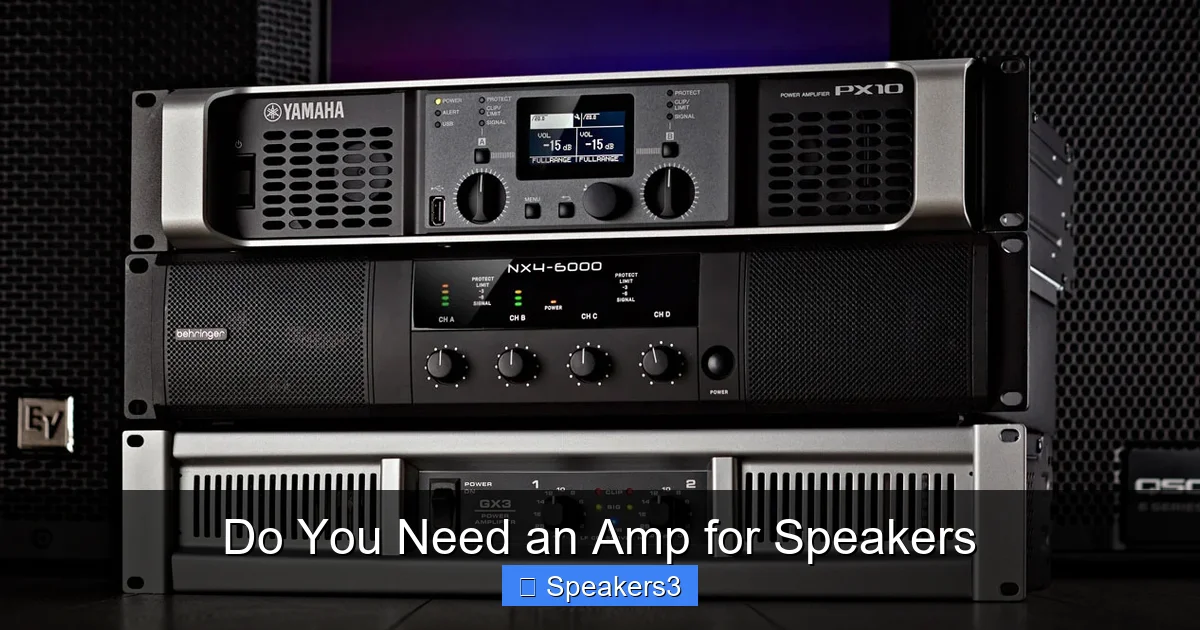
At its core, an amplifier takes a low‑level audio signal from your source (like a TV, phone, or computer) and makes it strong enough to move the speaker cones. Without that boost, the speaker’s voice stays quiet and thin.

Visual guide about Do You Need an Amp for Speakers
Image source: image.slidesharecdn.com
Controlling Power Delivery
Good amps also control how much power reaches each driver. This prevents distortion and protects the speaker from damage caused by too much voltage.
Adding Headroom
Headroom is the extra power an amp can provide for sudden peaks in music—think of a drum roll or a cinematic explosion. More headroom means cleaner, more dynamic sound.
Passive vs. Active Speakers: Do You Really Need an Amp?
Passive Speakers
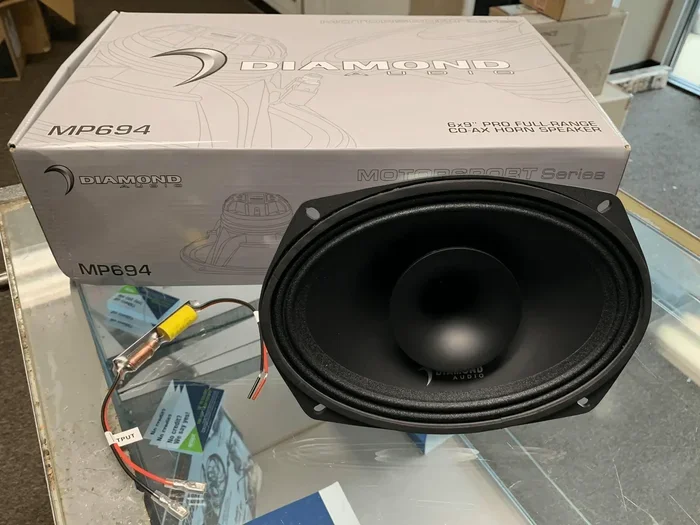
Passive speakers have no built‑in amplification. They rely entirely on an external amp to receive enough power. Most bookshelf, floor‑standing, and studio monitors fall into this category, so the answer to “do you need an amp for speakers” is a clear “yes.”
Visual guide about Do You Need an Amp for Speakers
Image source: storage.googleapis.com
Active (Powered) Speakers
Active speakers already contain an amp inside the cabinet. You only need a line‑level source. In this case, you don’t need an extra amp, but you still need a good source and sometimes a pre‑amp for volume control.
Hybrid Systems
Some modern setups use a small internal amp for tweeters and a separate external amp for woofers. Understanding how each part works helps you decide if an extra amp is necessary.
Matching Power: How Much Wattage Do You Need?
Understanding Watt Ratings
Speakers usually list a “recommended” or “continuous” power range, like 20‑100 W. The amp you choose should comfortably sit within that range. Too little power → weak sound and distortion. Too much power → risk of blowing the speaker.

Visual guide about Do You Need an Amp for Speakers
Image source: i.ytimg.com
Rule of Thumb: 2‑3× the Speaker’s RMS
For most home setups, pick an amp that can deliver about 2 to 3 times the speaker’s RMS (Root Mean Square) rating. If your bookshelf speakers are rated at 30 W RMS, a 60‑90 W amp per channel is a safe bet.
Real‑World Example
Imagine you have a pair of 50 W RMS bookshelf speakers. A 100 W per channel amp will give you plenty of headroom for movies and music without risking damage.
Impedance: The Hidden Compatibility Factor
What Is Impedance?
Impedance, measured in ohms (Ω), is the speaker’s resistance to electrical flow. Common values are 4 Ω, 6 Ω, and 8 Ω. Your amp must support the speaker’s impedance.
Why Mismatch Matters
If you pair an 8 Ω speaker with an amp rated for 4 Ω, the amp will work harder, run hotter, and could overheat. Conversely, an amp designed for 8 Ω driving a 4 Ω speaker may deliver too much current, leading to distortion.
Checking Compatibility
Always read the amp’s specifications. Look for a line that says “Compatible Impedance: 4‑8 Ω.” If you’re unsure, the safe choice is to match the exact impedance rating.
Wiring Tips: Getting the Most Out of Your Amp and Speakers
Use the Right Gauge
Long runs need thicker wire (lower gauge number) to avoid signal loss. For runs under 25 ft, 16‑gauge is fine. Over 25 ft, step up to 14‑gauge.
Secure Connections
Loose terminals cause crackling and intermittent sound. Make sure each screw is tight and the wire is stripped just enough to make solid contact.
Polarity Matters
Connect positive (+) on the amp to positive (+) on the speaker, and negative (–) to negative (–). Reversed polarity can cause phase issues, making bass sound weak.
For a step‑by‑step guide on connecting everything correctly, see our How To Wire Speakers To Amp article.
Choosing the Right Amp for Your Setup
Home Theater vs. Music Listening
Home theater amps often have multiple channels and support surround sound formats. Music amps focus on stereo performance and may include features like a built‑in DAC.
Integrated vs. Separate Amplifiers
Integrated amps combine a pre‑amp and power amp in one unit—great for simplicity. Separate components let you upgrade each part individually for higher performance.
Budget Options
You don’t need a $2,000 beast for decent sound. Brands like SMSL, Yamaha, and Pioneer offer solid 2‑channel amps under $200 that pair well with most bookshelf speakers.
Common Problems When Skipping the Amp
Low Volume and Lack of Dynamics
Without enough power, the music sounds flat and can’t reach the peaks that make it exciting.
Distortion at Moderate Levels
When an under‑powered amp tries to push too hard, it clips, creating harsh distortion.
Speaker Damage
Conversely, an over‑powered amp can overheat speaker coils, leading to permanent damage.
Noise and Crackle
Improper wiring or a mismatched amp can introduce unwanted noise. If you hear crackling, read Why Do My Speakers Crackle for troubleshooting tips.
Special Cases: Car Audio and Portable Setups
Car Speakers
Car speakers are typically passive and need a dedicated car amp. The same principles of power matching and impedance apply, but you also have to consider voltage variations from the vehicle’s electrical system.
Portable Bluetooth Speakers
These are usually active, so you don’t need an external amp. However, using a high‑quality source (like a DAC) can still improve sound.
Do You Need an Amp for Speakers? The Bottom Line
In most cases, the answer is yes. If your speakers are passive, an amplifier is essential for volume, clarity, and protection. If they’re active, you can skip the amp but still benefit from a good source and proper placement.
Remember to match wattage, check impedance, use the right gauge wire, and secure all connections. With these basics, you’ll get clear, powerful sound without spending a fortune.
Practical Tips to Get the Best Sound
- Start with the specs: Write down your speaker’s RMS wattage and impedance.
- Choose an amp with a little extra headroom: 2‑3× the RMS rating is safe.
- Test with music you know well: Adjust volume, bass, and treble to hear any distortion.
- Place speakers correctly: Ear‑level for tweeters, about a foot off the floor for woofers.
- Use speaker stands if needed: Proper stands improve imaging and reduce floor resonance. Check out Speaker Stands For Large Speakers for options.
Conclusion: Make an Informed Choice
Whether you’re building a budget-friendly bookshelf system or a full‑blown home theater, knowing when and why you need an amp for speakers is key. By matching power, respecting impedance, and wiring correctly, you’ll unlock the full potential of your speakers and enjoy music the way it was meant to be heard.
So next time you ask “do you need an amp for speakers,” you’ll answer with confidence—and a great‑sounding system to back it up.
Frequently Asked Questions
Do all speakers need an external amplifier?
No. Passive speakers require an external amp, while active (powered) speakers have built‑in amplification and do not need an extra amp.
How can I tell if my speakers are passive or active?
Check the back of the speaker. If you see power cords and a built‑in volume knob, it’s active. If you only see speaker wire terminals, it’s passive.
What happens if I use an amp with too much power?
Too much power can overheat the speaker’s voice coil, causing distortion or permanent damage. Always stay within the manufacturer’s recommended wattage range.
Can I use a car amp for home speakers?
Yes, as long as the amp’s voltage, impedance, and power ratings match your home speakers. Car amps are designed for 12 V systems, so you’ll need a proper power supply.
Why do my speakers crackle even after I connected a new amp?
Crackling can be caused by loose connections, mismatched impedance, or poor‑quality speaker wire. Review the wiring steps and see Why Do My Speakers Crackle for detailed fixes.
Do I need speaker stands for better sound?
Speaker stands can improve imaging, reduce floor vibration, and place drivers at optimal ear level. For large speakers, see Speaker Stands For Large Speakers for recommendations.