How to Choose Car Speakers

Upgrading your audio system starts with knowing how to choose car speakers that match your vehicle and listening habits. The right pair delivers clear highs, balanced mids, and deep bass without blowing your budget. You only need to focus on a few key specs, fitment details, and installation needs. This guide breaks down every step so you can shop with confidence.
If you have ever turned up the volume and still felt disappointed, you are not alone. A weak or muddy sound system can make even great songs feel flat. The good news is that picking the right hardware is easier than it seems once you know what matters. Learning how to choose car speakers helps you avoid guesswork and get better sound without wasting money.
Most people start by looking at price or brand, but those are only small pieces of the puzzle. Fitment, power, sensitivity, and speaker type usually matter more. A great speaker in the wrong size or setup can still sound frustrated. That is why a little planning goes a long way.
In this guide, I will walk you through the main choices in plain language. We will cover the different speaker styles, the specs that really affect sound, and the common mistakes that cause trouble later. By the end, you will know exactly what to look for and how to match speakers to your car and your music.
Key Takeaways
- Know your speaker type: Coaxial speakers offer simple all-in-one sound, while component speakers separate drivers for sharper clarity.
- Check fitment first: Measure your factory mounting depth and hole size to avoid costly adapters or trim modifications.
- Match power handling: Look at RMS ratings, not peak numbers, so your amp or head unit can drive the speakers safely.
- Choose sensitivity wisely: Higher sensitivity speakers play louder with less power, which matters for stock head units.
- Consider sound signature: Decide whether you want bright, balanced, or warm tuning based on your favorite music genres.
- Plan for installation: Check if you need new wiring, dash kits, or a separate amp before you buy.
- Set a realistic budget: Good midrange speakers often deliver the best value, while premium sets cost more but improve detail.
📑 Table of Contents
- Understand the Different Types of Car Speakers
- Check Fitment Before You Buy
- Match Power Handling and Sensitivity to Your Setup
- Choose a Sound Signature That Fits Your Music
- Think About Installation and Extra Components
- Set a Realistic Budget and Avoid Common Mistakes
- Final Thoughts on Choosing the Right Car Speakers
Understand the Different Types of Car Speakers
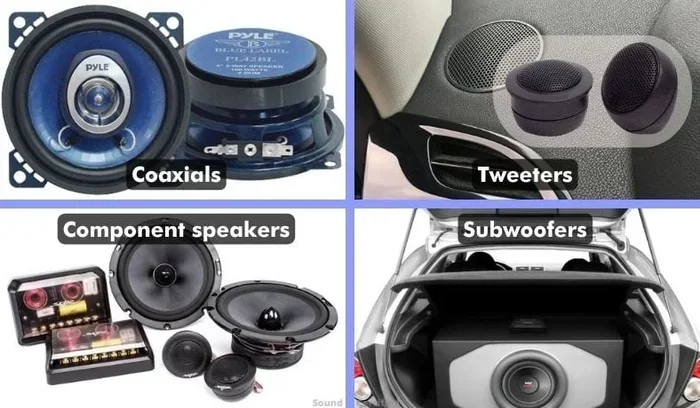
Before you compare brands or prices, you need to know which speaker style fits your goals. The two most common options are coaxial and component speakers. Each one has strengths, and the best choice depends on how much space you have and how much detail you want.
Coaxial Speakers: Simple and All-in-One
Coaxial speakers combine multiple drivers into one unit. That usually means a woofer with a tweeter mounted right in the middle. This design is popular because it is easy to install and works well in factory locations. If you want a straightforward upgrade without extra wiring or separate mounting, coaxial speakers are a solid starting point.
They are especially useful if you want better sound but do not want to spend time on a complicated install. The trade-off is that the sound can be less precise than a separated setup. Still, many great everyday systems use coaxial designs because they balance convenience and performance.
Component Speakers: More Detail and Separation
Component speakers split the drivers into separate parts. The woofer, tweeter, and sometimes a crossover are installed in different spots. This setup gives each driver more room to do its job. The result is often clearer highs, cleaner mids, and better imaging.
If you care about hearing instruments separately or want a more refined soundstage, component speakers are worth considering. They usually need more planning because you may need to mount tweeters in the dash, pillars, or doors. You may also need to run new wires or use a small crossover. That extra effort can pay off if you want a more premium listening experience.
Subwoofers and Full-Range Options
Sometimes the main issue is not the front speakers at all. If your music feels thin or lacks low-end punch, a subwoofer might be the missing piece. Subwoofers focus on bass and can make a huge difference in rock, hip-hop, and movie soundtracks. On the other hand, if you just want a balanced overall upgrade, full-range speakers may be enough.
A good rule is to think about what you actually want to improve. Do you want louder playback, cleaner vocals, or stronger bass? Your answer helps narrow the speaker type before you even look at the spec sheet.
Check Fitment Before You Buy
One of the biggest mistakes shoppers make is picking speakers that do not fit properly. Even the best-sounding model becomes frustrating if it rattles, sits too deep, or requires major trimming. Fitment is not glamorous, but it is one of the most important steps in the process.
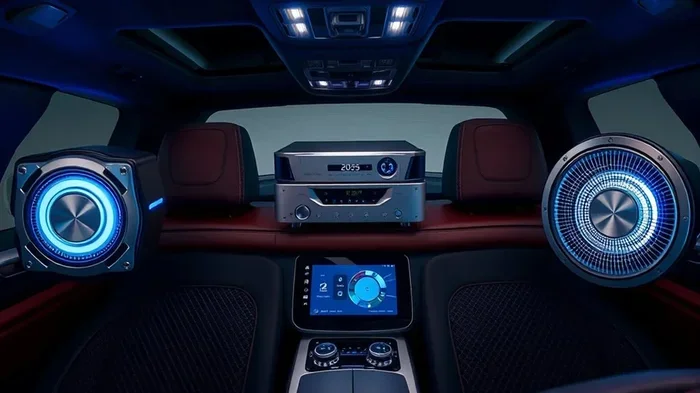
Visual guide about Premium car speakers car interior
Image source: narcissisticman.com
Know Your Speaker Sizes
Car speakers usually come in common sizes like 6.5-inch, 6×9-inch, 5.25-inch, and 6.75-inch. The number tells you the approximate diameter, but the shape and mounting pattern matter too. A round speaker and a oval speaker may look similar in size, yet they are not always interchangeable.
If you are replacing factory speakers, start by checking what is already in your car. Remove one speaker and note the mounting style, screw pattern, and depth. That simple step can save you from buying the wrong size. If you want a more detailed walkthrough, you can also read our guide on how to measure car speakers so you get the numbers right.
Watch Depth and Clearance
Depth is easy to overlook. Some aftermarket speakers are thicker than factory units, especially if they use stronger magnets or separate tweeters. If your door panel is tight, a deeper speaker may hit the window mechanism or other parts. Likewise, rear deck spaces can be limited by cargo area trim.
Always compare the speaker’s mounting depth with the space available in your vehicle. Leave a little room for foam, adapters, or sealing material if needed. A speaker that fits snugly is better than one that forces you to modify the car.
Mounting Options and Adapters
Some speakers mount directly into factory locations. Others need brackets, spacers, or custom fabrication. If you are not comfortable with extra work, look for models that match your existing mounting pattern. If you do want to improve soundstage or placement, you may choose a setup that uses separate tweeters or unusual mounting positions.
For example, if you plan to install speakers in a different location, our article on how to mount speakers on wall can give you useful ideas about secure mounting and placement logic, even though it focuses on home use. The same basic principle applies: solid mounting improves sound and reduces vibration.
Match Power Handling and Sensitivity to Your Setup
Speaker specs can feel confusing at first, but two numbers matter most for everyday listening: power handling and sensitivity. These tell you how the speaker interacts with your amp or head unit. If they do not line up well, you may end up with low volume, distortion, or wasted potential.
RMS Power Is the Number That Matters
Power handling often gets advertised with big peak numbers, but peak ratings are not the full story. RMS power is a more realistic measure of what the speaker can handle over time. If a speaker lists a high peak rating but a low RMS number, treat the peak number with caution.
Think about the power source you already have. A factory head unit usually delivers less power than a dedicated amp. If you are using a stock radio, choose speakers that perform well with moderate power. If you plan to add amplification later, you can choose speakers that can take advantage of more power.
Sensitivity Helps You Get Loudness Without Extra Power
Sensitivity tells you how efficiently a speaker turns power into sound. A higher sensitivity rating usually means the speaker can play louder with the same amount of power. That is helpful if you are not adding an amplifier and want better output from a head unit.
Lower sensitivity speakers can still sound excellent, but they often need more clean power to shine. If you already have an amp, that may be fine. If you do not, a more efficient speaker can be the easier path to satisfying volume and clarity.
Avoid the “More Power Is Always Better” Trap
It is tempting to think that higher power handling automatically means better sound. That is not always true. A speaker with huge power capacity may not sound better if your amp cannot deliver clean power or if the speaker is inefficient. The goal is balance, not maximum numbers.
If you are wondering whether you really need an amplifier at all, check out our guide on do I need an amplifier for my car speakers. It explains when extra power helps and when a simpler setup makes more sense.
Choose a Sound Signature That Fits Your Music
Not all speakers sound the same, even when they share similar specs. Some are tuned for bright, detailed sound. Others favor warm, relaxed tones. A third group aims for a balanced middle ground. Your favorite music and personal taste should guide this choice.
Bright, Balanced, or Warm?
Bright speakers often emphasize treble and detail. They can make cymbals, guitars, and vocals stand out. The downside is that they can sound harsh if you listen at high volume or prefer mellow tracks. Balanced speakers try to keep the tonal scale even, which makes them versatile for many genres. Warm speakers lean toward richer mids and softer highs, which can feel smooth and forgiving.
If you listen to a lot of vocal music, podcasts, or acoustic tracks, a balanced or slightly warm speaker may suit you well. If you enjoy energetic music with lots of detail, a brighter tuning might appeal to you. There is no single best choice, only the one that matches your ears and your playlists.
Read Reviews, But Trust Your Ears
Spec sheets and marketing language can only tell you so much. Reviews are helpful because they show how speakers behave in real use. Still, sound is personal. A speaker that one person loves may feel too sharp or too dull to someone else.
If possible, listen before you buy. Even a short demo can reveal whether a speaker sounds too scratchy, too dull, or just right. If you cannot listen in person, look for consistent comments about clarity, bass response, and harshness in user feedback.
Think About Installation and Extra Components
A speaker upgrade is not always a simple swap. Sometimes you need wiring, tweeter placement, sound deadening, or a separate amplifier. Thinking about installation early keeps the project realistic and prevents surprises.
Wiring and Polarity Matter
Good sound starts with good connections. If wires are loose, frayed, or reversed, the speakers may sound weak or oddly phased. That is why it helps to understand basic wiring before you start. If you are new to this, our guide on how to wire speakers to amp gives a practical overview of connecting speakers correctly.
Polarity is another detail worth checking. If one speaker is wired backward, the sound can lose punch and clarity. You can verify wiring with a multimeter or by testing carefully before reinstalling everything. For a step-by-step check, see how to check polarity on speakers with multimeter.
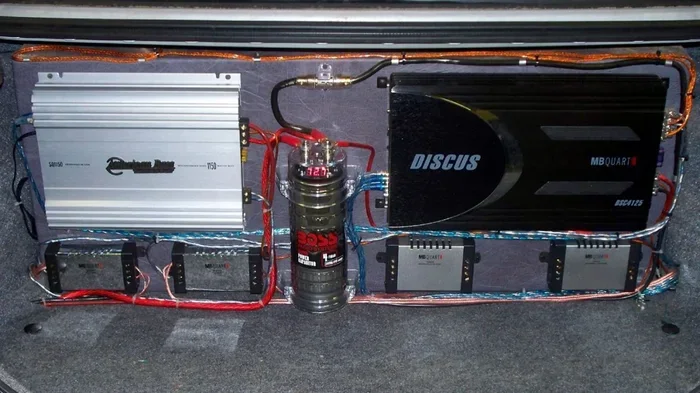
Plan for Tweeters, Crossovers, and Amps
If you choose component speakers, you may need to decide where the tweeters go. Door panels, dash corners, and pillars are common spots. Each location changes the soundstage a bit, so placement matters. Crossovers also play a role because they send the right frequencies to each driver.
Some installations also benefit from sound deadening material. Reducing vibration in doors or trim can make the speakers sound tighter and cleaner. If you are thinking about bigger upgrades, you may also want to explore how to connect multiple speakers safely, such as in our guide on how to connect multiple speakers to a receiver.
Keep Your Project Clean and Safe
A neat install is more than aesthetics. Secure wiring, proper insulation, and stable mounting help the system last longer. Loose parts can rattle, and bad connections can cause intermittent sound or damage. Take your time with the small details, because they often make the biggest difference in daily use.
Set a Realistic Budget and Avoid Common Mistakes
Budget shapes every upgrade, but the smartest purchase is not always the cheapest or the most expensive one. A well-chosen midrange speaker often gives better results than a premium model installed poorly. The key is to spend where it counts.
Where to Spend and Where to Save
If you want the biggest improvement, focus on speakers that fit well and suit your power source. You may not need the fanciest model if your goal is simply clearer daily listening. Save money by avoiding unnecessary extras you will not use. Spend more if you truly want component separation, better materials, or a more refined tonal character.
It also helps to think long term. If you plan to add an amp later, choose speakers that can grow with that setup. If you want a simple replacement now and a bigger upgrade later, build the project in stages instead of forcing everything at once.
Common Mistakes to Avoid
A few repeated mistakes show up in speaker upgrades again and again. Watching for them can save time, money, and frustration.
- Buying the wrong size: Always confirm diameter, shape, and mounting pattern before ordering.
- Ignoring depth: A speaker that fits the hole may still be too deep for the space.
- Chasing peak power: RMS and sensitivity usually matter more for real-world performance.
- Skipping polarity checks: Reversed wiring can weaken sound and make the system feel muddy.
- Forgetting installation details: Bad mounting or loose wiring can ruin an otherwise good purchase.
- Assuming expensive means better: Price helps, but fit and tuning matter just as much.
If you already own speakers and want to know whether they are still in good shape, it can help to check their condition before upgrading. Our article on how to check if speakers are blown explains warning signs like distortion, rattling, and weak output.
When Replacement Makes More Sense Than Repair
Sometimes the best move is not upgrading at all, but replacing damaged speakers. If your current speakers crackle at higher volume or lose bass, the problem may be internal damage rather than a poor setup. In that case, a new pair may be more cost-effective than trying to fix the old ones. If you are weighing that decision, our guide on how much does it cost to fix car speakers can help you compare repair and replacement options.
It is also smart to keep your speakers clean and well maintained. Dust and grime can affect performance over time, especially in doors or vents. If you want practical cleaning tips, see how to clean car speakers for simple maintenance steps that help your system stay in good condition.
Final Thoughts on Choosing the Right Car Speakers
Picking the best speakers does not have to be complicated. Start with the sound you want, check the size and depth that fit your vehicle, and match the speakers to your power source. From there, think about whether you want the simplicity of coaxial speakers or the detail of component speakers. Add a little attention to wiring, polarity, and mounting, and you will avoid most of the common headaches.
If you remember nothing else, keep this in mind: the best upgrade is the one that fits your car, your budget, and the way you actually listen. When those pieces line up, how to choose car speakers becomes much easier, and the results are much more satisfying. Take your time, verify the basics, and choose a setup that makes your music sound better every day.
Frequently Asked Questions
What size car speakers should I buy?
Start with the size currently in your vehicle, then confirm the mounting pattern and depth before buying. Common sizes include 6.5-inch and 6×9-inch, but the exact fit matters more than the label.
Are component speakers better than coaxial speakers?
Component speakers usually sound more detailed because the drivers are separated, but they are harder to install. Coaxial speakers are easier to fit and often better for simple upgrades.
Do I need an amplifier for new car speakers?
Not always. If your head unit has decent power and you choose efficient speakers, you may hear a big improvement without an amp. An amplifier helps most when you want higher volume, stronger bass, or better control.
What is RMS power on a speaker?
RMS power is a more realistic measure of what a speaker can handle during normal use. Peak power looks bigger on paper, but RMS is the number that matters more for everyday listening.
How do I know if my car speakers are blown?
Common signs include distortion at higher volume, buzzing, rattling, or one speaker sounding much weaker than the others. If you notice these issues, test the speakers carefully before deciding to replace them.
What is the easiest way to improve car audio quality?
The easiest first step is replacing factory speakers with well-fitting aftermarket models that match your power source. Adding proper wiring, secure mounting, and a little sound deadening can improve the result even more.