Is Usb a Still Used

USB-A is still widely used today despite the rise of USB-C. You will find USB-A ports on desktops, older laptops, external drives, and many accessories. While newer devices are shifting to USB-C, USB-A remains a reliable and familiar connector for millions of users worldwide.
You probably use a USB-A cable every single day without even thinking about it. That flat, rectangular plug has been the standard connector for decades. But with so many devices now switching to USB-C, you might wonder: is USB-A still used? The short answer is yes, absolutely. USB-A is alive and well, and it is not going anywhere anytime soon.
In this guide, we will break down everything you need to know about USB-A. We will look at where it still shows up, why it matters, and how it compares to the newer USB-C standard. Whether you are a tech beginner or a casual user, this article will give you clear answers. Let us dive in.
Key Takeaways
- USB-A is far from dead: It still appears in desktops, printers, and many legacy devices.
- USB-C is replacing it slowly: Many new laptops and phones now use USB-C instead.
- Compatibility matters: USB-A ensures backward compatibility with older accessories.
- Adapters bridge the gap: You can use USB-A and USB-C together with simple adapters.
- USB-A will stick around: Experts expect USB-A to remain relevant for several more years.
- Check your devices: Knowing which ports your gear uses helps you buy the right cables.
📑 Table of Contents
What Is USB-A?
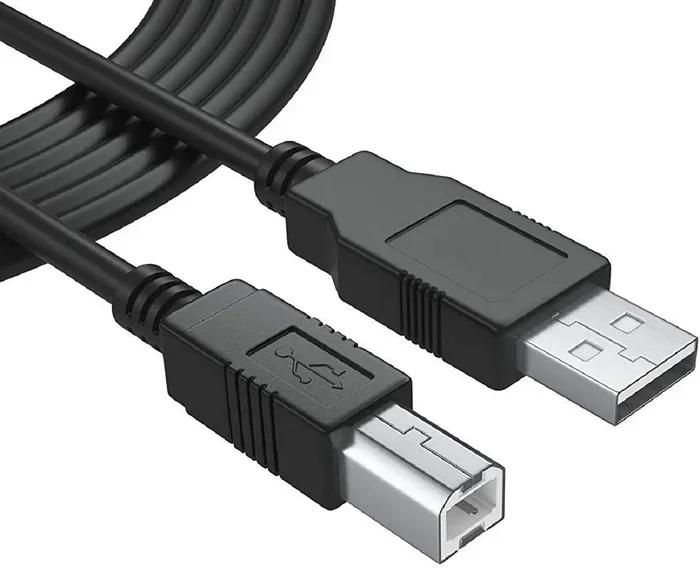
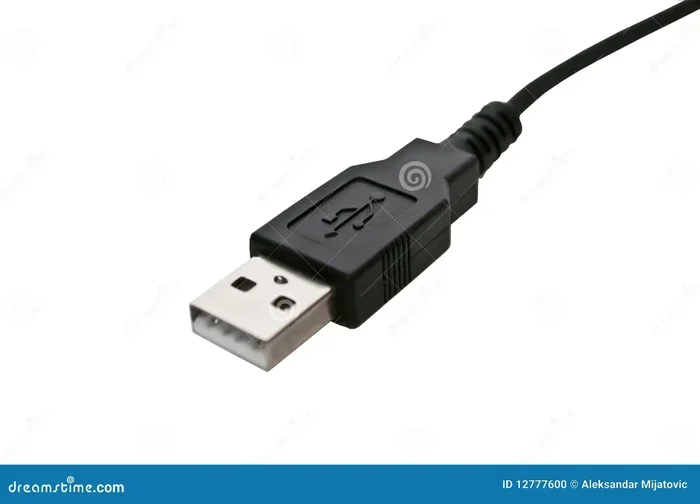
USB-A is one of the original USB connector types. It has a flat, rectangular shape that most people recognize instantly. This connector was introduced in the mid-1990s and became the default plug for computers, printers, and countless other devices. When you think of a standard charging cable or a flash drive, you are probably picturing a USB-A connector.
The USB-A port supports data transfer and power delivery. It comes in several versions, including USB 2.0, USB 3.0, and USB 3.1. Each version offers faster speeds than the last. USB 2.0 is the most common and handles basic tasks like mouse connections and file transfers. USB 3.0 and later versions provide much quicker data speeds for things like external hard drives.
Why USB-A Became So Popular
USB-A won the connector war for a simple reason: it works. The design is sturdy and easy to use. You do not have to fumble around trying to figure out which way is up. The flat shape fits snugly into ports, and the connection is reliable. Manufacturers loved it because it was cheap to produce and universally understood by consumers.
For years, every computer, game console, and smart home device came with USB-A ports. This made it the most widely adopted connector in history. Even today, the number of devices using USB-A is enormous. It is deeply embedded in our tech ecosystem.
Is USB-A Still Used Today?
Yes, USB-A is still very much in use. While the tech world is slowly moving toward USB-C, millions of devices rely on USB-A every day. You will find it in homes, offices, schools, and businesses around the globe. The shift away from USB-A is happening, but it is taking time.
Where You Will Still Find USB-A Ports
USB-A ports are everywhere if you know where to look. Here are some common places you will still encounter them:
- Desktop computers: Most desktop PCs still have multiple USB-A ports on the front and back panels.
- Printers and scanners: Many office printers use USB-A for direct connections.
- External hard drives: Popular portable drives often come with USB-A connectors.
- Keyboards and mice: Wired peripherals frequently use USB-A, including a USB mouse for everyday computing.
- Game controllers: Many gaming controllers still connect via USB-A.
- Older laptops: Many budget and older laptop models still include USB-A ports.
- Car stereos and dashboards: Some vehicles still use USB-A for music and charging.
If you own a USB mouse or use an external flash drive, there is a good chance you are using USB-A right now. These devices have not changed much, and they work perfectly fine with USB-A connections.
USB-A in the World of Laptops
Laptops are where the shift is most noticeable. Newer slim laptops tend to drop USB-A in favor of USB-C. This makes laptops thinner and lighter. However, many mainstream and business laptops still include at least one USB-A port. If you are shopping for a laptop and want USB-A, you should check the specs carefully before buying.
For those wondering about the best time to upgrade, timing your laptop purchase can help you find models that still include USB-A ports. Many users prefer having both USB-A and USB-C available on their machines.
USB-A vs USB-C: The Big Shift
The tech industry is clearly moving toward USB-C. This newer connector is smaller, reversible, and supports faster data speeds and higher power delivery. But USB-A still has advantages of its own. Let us compare the two side by side.
Key Differences Between USB-A and USB-C
- Shape: USB-A is rectangular and flat. USB-C is smaller and oval-shaped.
- Reversibility: USB-C can be plugged in either way. USB-A has a specific orientation.
- Speed: USB-C supports newer standards like USB 3.2 and USB4, which offer much faster speeds.
- Power: USB-C can deliver more power, making it better for charging larger devices like laptops.
- Compatibility: USB-A works with older devices. USB-C works with newer devices and supports alt modes like DisplayPort.
Which One Should You Use?
The answer depends on your devices. If you have older gear like a wired printer or a legacy external drive, USB-A is your best bet. If you have a modern laptop or a newer smartphone, USB-C is the way to go. Many users keep both types of cables on hand to cover all their needs.
The good news is that adapters make it easy to connect USB-A devices to USB-C ports. You do not have to choose one over the other just yet. The transition is gradual, and both connectors will coexist for years.
Why USB-A Is Not Going Away Anytime Soon
Even though USB-C is the future, USB-A has strong reasons to stick around. Let us look at why this old connector still has so much life left in it.
Backward Compatibility
One of the biggest strengths of USB-A is backward compatibility. Billions of devices were built with USB-A ports over the past two decades. Manufacturers cannot just flip a switch and make all of those devices disappear overnight. Every USB-A device you own still works perfectly with modern computers that have USB-A ports.
Cost and Availability
USB-A cables and accessories are incredibly cheap and easy to find. You can grab one at any gas station, grocery store, or electronics shop. The widespread availability means that even as USB-C grows, USB-A will remain easy to replace and repair. For businesses managing large fleets of devices, USB-A keeps costs low.
Reliability and Simplicity
USB-A is a simple and proven design. It does not have fancy features that can fail. It just works. For many users, especially those who prefer wired accessories, USB-A provides a dependable connection without any complications. Sometimes simple really is better.
Peripheral Devices Still Rely on It
Many peripheral devices like keyboards, mice, and webcams still ship with USB-A connectors. Even if your laptop only has USB-C ports, these devices remain popular because they are affordable and reliable. A wired USB mouse or keyboard connected via USB-A is a common setup in offices and home workstations.
Some users prefer a trackpad or mouse setup for productivity, and USB-A makes that connection seamless. The wired connection avoids battery issues and provides a lag-free experience.
Common Mistakes People Make With USB-A
Even though USB-A is simple, people still make mistakes with it. Here are a few to avoid:
- Forcing the connector: USB-A has a specific orientation. If it does not fit, flip it over. Forcing it can damage the port.
- Using damaged cables: Frayed or bent USB-A cables can cause connection issues or even safety hazards. Replace them when they wear out.
- Ignoring USB versions: Not all USB-A ports are the same speed. A USB 2.0 port will be much slower than a USB 3.0 port for data transfers.
- Assuming all ports are equal: Some devices mix USB-A and USB-C ports. Always check which port matches your cable.
- Overlooking adapters: If your new laptop lacks USB-A, a simple adapter solves the problem. Do not toss out your USB-A cables just yet.
Quick Tips for Using USB-A in 2024
Here are some practical tips to get the most out of your USB-A connections:
- Keep a USB-A cable in your bag: You never know when you will need to connect a flash drive or peripheral.
- Label your cables: If you have a mix of USB-A and USB-C cables, label them to avoid confusion.
- Check port versions: Look for the blue insert inside USB 3.0 USB-A ports. This tells you the speed capability.
- Use a hub: A USB-A hub gives you extra ports when your laptop runs short.
- Buy quality cables: Cheap cables can cause data transfer problems. Invest in reliable brands.
Expert Insights on the USB-A Future
Industry experts agree that USB-A will remain relevant for at least the next five to ten years. The transition from one standard to another takes a long time in the tech world. Think about how long VGA ports survived even after HDMI arrived. USB-A follows a similar pattern.
Major tech companies are pushing USB-C as the universal standard. The European Union even passed regulations requiring USB-C on many devices by 2024. However, these regulations focus on new devices. Existing devices with USB-A will continue to be used, repaired, and connected for years to come.
For now, USB-A serves as a reliable bridge between old and new technology. It keeps your older devices working while the industry completes its transition. That makes it an essential part of the connectivity landscape today.
Final Verdict: Is USB-A Still Used?
The answer is a clear yes. USB-A is still used across millions of devices worldwide. It may not be the newest standard, but it is far from obsolete. From desktop computers to printers, external drives, and wired peripherals, USB-A remains a go-to connector for everyday tech users.
The rise of USB-C does not mean USB-A is dying. It means the industry is evolving. Both connectors will coexist for many years. If you have USB-A cables and devices, there is no rush to replace them. They still work great and will continue to do so for a long time.
Stay informed about your device ports, keep a few adapters on hand, and do not be afraid of the old reliable USB-A. It has served us well for decades, and it will keep serving us well into the future.
Frequently Asked Questions
Will USB-A be completely replaced by USB-C?
USB-C is becoming the dominant standard, but USB-A will not disappear overnight. Millions of existing devices use USB-A, and manufacturers still produce USB-A accessories. The transition will take many more years.
Can I plug a USB-A cable into a USB-C port?
Not directly. The shapes are different. However, you can use a simple USB-A to USB-C adapter or cable to connect USB-A devices to USB-C ports. These adapters are inexpensive and widely available.
Is USB-A faster than USB-C?
Generally, USB-C supports faster standards like USB 3.2 and USB4. However, USB-A 3.0 is still quite fast for everyday tasks like file transfers and peripheral connections. The speed depends on the specific USB version, not just the connector type.
Do all laptops still have USB-A ports?
No, many newer and thinner laptops have dropped USB-A in favor of USB-C only. If you need USB-A, check the laptop specifications before purchasing. Many business and budget laptops still include at least one USB-A port.
Can I use a USB-A flash drive on a modern laptop without USB-A ports?
Yes, you can. Just use a USB-A to USB-C adapter or a USB hub. This lets you connect your existing USB-A flash drives to newer laptops that only have USB-C ports.
How long will USB-A remain in use?
Experts estimate USB-A will remain in active use for at least another 5 to 10 years. Legacy devices, industrial equipment, and many accessories will continue to rely on USB-A well into the future.
=== CONCLUSION ===
USB-A is still used and will continue to be a part of our tech lives for years to come. It may not grab headlines like USB-C, but it quietly powers countless devices every single day. From your office printer to your trusty flash drive, USB-A keeps things connected. The next time you plug in a USB-A cable, know that you are using a proven, reliable standard that is not going anywhere. Embrace both USB-A and USB-C, keep your cables organized, and enjoy seamless connectivity no matter what device you are using.