Will Iphones Convert to Usb C
Yes, iPhones are converting to USB-C. Apple made the switch starting with the iPhone 15 lineup, replacing the Lightning port with a universal USB-C connector. This change brings faster charging, better compatibility, and a simpler charging experience across all your devices.
This is a comprehensive guide about Will Iphones Convert To Usb C.
Key Takeaways
- Apple officially switched to USB-C: Starting with iPhone 15, all new iPhones use USB-C instead of Lightning.
- Faster charging speeds: USB-C supports USB Power Delivery, enabling much quicker battery charging.
- Universal compatibility: You can now use one cable for your iPhone, iPad, MacBook, and more.
- EU regulations drove the change: European Union rules pushed Apple to adopt a universal charging standard.
- Old Lightning accessories still work: You can use adapters to keep your existing cables and peripherals.
- USB-C opens new accessory options: From USB-C headphones to external drives, the ecosystem is growing fast.
[FEATURED_IMAGE_PLACEHOLDER]
Have you noticed that your old iPhone cable no longer fits your new device? You are not alone. Apple made a big move by switching its iPhones to USB-C. This change has left many people asking questions. What does it mean for you? Do your old accessories still work? And why did Apple make this switch now?
The short answer is yes. iPhones are converting to USB-C, and the transition is already here. If you own an iPhone 15 or newer, you are already using USB-C. If you still have an older iPhone with a Lightning port, the change is coming whether you are ready or not. Apple has been moving toward USB-C across its entire product line. The iPad Pro, iPad Air, and MacBook models all use USB-C now. The iPhone was the last holdout.
This shift is a big deal for iPhone users. It affects how you charge your phone, transfer data, and connect accessories. In this article, we will walk through everything you need to know. We will cover the history of the switch, what USB-C actually offers, and how to make the most of it. Let us dive in.
Why Did Apple Switch iPhones to USB-C?
Apple did not make this decision overnight. The company fought the USB-C transition for years. But eventually, the writing was on the wall. Here is why Apple finally made the switch.
European Union Regulations
The biggest push came from the European Union. In 2022, the EU passed a law requiring all smartphones to use USB-C as the standard charging port. The goal was to reduce electronic waste and make life easier for consumers. No more carrying five different cables for five different devices. Apple sells iPhones all over the world, so it had no choice but to comply. The EU regulation was the final nail in the coffin for the Lightning port.
Apple’s Own Product Line Was Already Moving to USB-C
By the time the EU law passed, Apple had already adopted USB-C across most of its devices. The iPad Pro arrived with USB-C in 2018. The MacBook followed in 2015. The iPad Air and iPad Mini joined the USB-C family shortly after. The iPhone was the only major Apple product still using Lightning. Keeping one proprietary connector made less and less sense as the rest of the lineup moved on.
Consumer Demand for a Universal Connector
People were tired of carrying multiple cables. USB-C is everywhere now. Laptops, tablets, Android phones, headphones, and even gaming controllers use it. Switching to USB-C meant iPhone users could finally share cables with friends, travel lighter, and simplify their setup. The demand from consumers was clear, and Apple listened.
What USB-C Brings to the iPhone
The switch to USB-C is not just about the shape of the port. It brings real, meaningful improvements to the iPhone experience. Here is what you gain when your iPhone uses USB-C.
Faster Charging Speeds
One of the biggest benefits of USB-C is fast charging. USB-C supports USB Power Delivery, which allows the iPhone to charge much more quickly than Lightning ever could. With a compatible USB-C cable and power adapter, you can charge your iPhone from zero to 50 percent in about 30 minutes. That is a game-changer for people who are always on the go. If you have been using a USB-C adapter with other devices, you can now use the same one for your iPhone.
Faster Data Transfer Speeds
USB-C also brings faster data transfer. iPhone 15 Pro and Pro Max models use USB 3 technology, which offers transfer speeds up to 10 Gbps. That means you can move photos and videos to your computer in seconds, not minutes. For photographers and videographers, this is a huge upgrade. Even standard USB-C on the base iPhone 15 models is faster than Lightning ever was.
Universal Compatibility
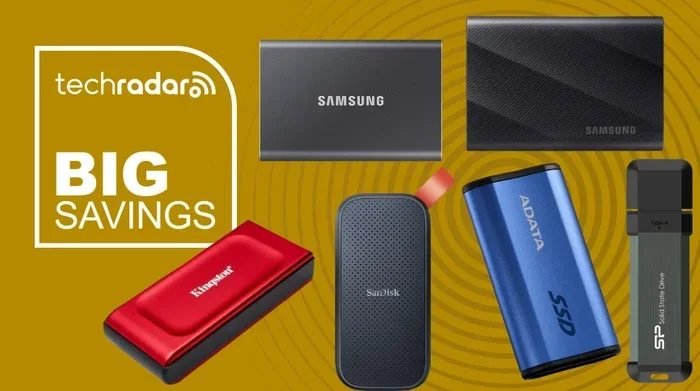
With USB-C, your iPhone now works with the same cables and chargers as your iPad, MacBook, and many other devices. You no longer need a dedicated Lightning cable for your iPhone. This universal compatibility extends to accessories too. You can plug your iPhone into a USB-C enclosure or M.2 NVMe to USB-C SSD enclosure to expand your storage options. The possibilities are much broader now.
Better Accessory Ecosystem
The USB-C ecosystem has grown enormously. You can now find USB-C versions of nearly every accessory. From USB-C headphones to docking stations, car chargers, and portable batteries, everything uses the same connector. This makes shopping for accessories much simpler. You do not have to hunt for a Lightning-specific version anymore.
How the iPhone USB-C Transition Works
Apple handled the switch from Lightning to USB-C carefully. Here is how the transition works for different iPhone models and users.
iPhone Models That Now Use USB-C
Every iPhone starting from the iPhone 15 lineup uses USB-C. This includes:
- iPhone 15
- iPhone 15 Plus
- iPhone 15 Pro
- iPhone 15 Pro Max
- iPhone 16 and newer models
If you buy a new iPhone today, it will come with a USB-C port. Apple no longer includes Lightning cables in the box. You will receive a USB-C cable that supports fast charging.
What About Older iPhones?
If you still use an iPhone 14 or older model, your device still has a Lightning port. Apple has not changed those models. However, the writing is clear. Future iPhone models will continue to use USB-C exclusively. If you plan to upgrade soon, now is a good time to start getting used to the USB-C ecosystem.
Using Your Old Lightning Accessories
You do not have to throw away your old Lightning cables and chargers. Apple includes a USB-C to Lightning cable with older iPhones sold alongside new USB-C models. You can also buy USB-C to Lightning cables separately. This means your existing accessories still work, even if the new iPhones use a different port. For a more permanent solution, you can invest in USB-C accessories and leave Lightning behind.
Adapters and Dongles
Apple sells a USB-C Digital AV Multiport Adapter that lets you connect your iPhone to HDMI displays, USB-A devices, and USB-C chargers all at once. Third-party options are also plentiful. Whether you need to connect your iPhone to a projector at work or plug in a flash drive, there is an adapter for that. The USB-C transition has actually expanded the accessory options compared to Lightning.
USB-C vs Lightning: What Changed
It is helpful to understand the differences between USB-C and Lightning. Both are digital connectors, but they have key distinctions.
Connector Design
USB-C is larger than Lightning and has a symmetrical design. You can plug it in either way, which is a nice improvement over Lightning. The connector is also more durable and standardized across the industry.
Speed and Power
Lightning is limited in both speed and power delivery. USB-C supports much higher data transfer rates and wattage. This means faster file transfers and quicker battery charging. The iPhone 15 Pro models even support USB 3 speeds, which Lightning could never deliver.
Ecosystem and Accessories
Lightning was Apple’s proprietary connector. USB-C is an open industry standard. This means millions of devices and accessories already use USB-C. The switch opens up your iPhone to a much wider world of compatible gear.
| Feature | Lightning | USB-C |
|---|---|---|
| Reversible Connector | Yes | Yes |
| Max Data Speed | 480 Mbps (USB 2.0) | 10 Gbps (USB 3) |
| Max Power Delivery | 12W (standard) | Up to 100W with PD |
| Industry Standard | No (Apple proprietary) | Yes (universal) |
| Used By | Older iPhones only | All modern Apple devices |
How to Prepare for the iPhone USB-C Switch
If you are upgrading to a USB-C iPhone or simply want to get ready, here are some practical steps you can take.
Stock Up on USB-C Cables
Get a few high-quality USB-C cables for your home, office, and car. Look for cables that support USB Power Delivery for the fastest charging speeds. A good USB-C cable is an investment that pays off quickly.
Upgrade Your Charger
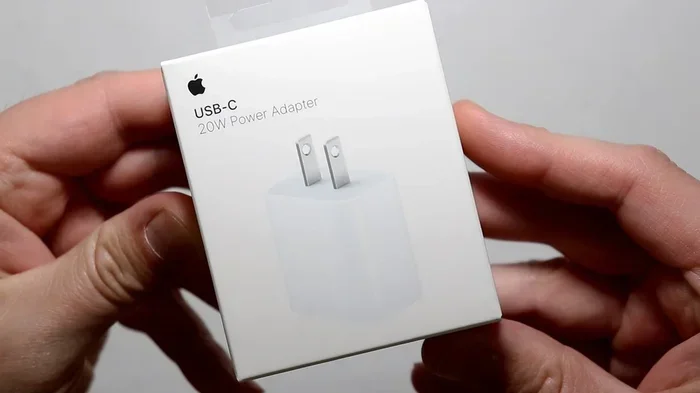
Not all USB-C chargers are created equal. To get the fastest charging on your iPhone, you need a charger that supports USB Power Delivery at 20W or higher. Many USB 3.1 adapters also double as charging hubs, giving you more flexibility.
Explore USB-C Accessories
Now is a great time to explore the world of USB-C accessories. Whether you need a hub for your desk, a portable drive for backups, or USB adapters for older devices, the USB-C market has you covered. The variety is much better than what was available during the Lightning era.
Transfer Your Data
When you get your new USB-C iPhone, you can transfer data faster than ever. Use a USB-C cable to connect your old iPhone or backup device to your computer. The improved speeds make the process quick and painless.
Common Mistakes to Avoid with iPhone USB-C
The USB-C switch is simple, but there are a few pitfalls to watch out for.
- Buying cheap cables: Poorly made USB-C cables can damage your device or charge slowly. Stick with reputable brands or Apple-certified cables.
- Assuming all USB-C chargers are equal: A basic USB-C charger may not support fast charging. Check for USB Power Delivery compatibility.
- Forgetting about adapters: You might still need a USB-C to Lightning cable if you have older accessories. Keep one handy.
- Ignoring data transfer speeds: Not all USB-C cables support fast data transfer. If you need to move large files quickly, make sure your cable supports USB 3 or higher.
The Future of iPhone Connectivity
The move to USB-C is not the end of the story. It is the beginning of a new era for iPhone connectivity. Apple has already embraced USB-C across its product lineup. Future iPhones will continue to build on this foundation. We can expect even faster charging speeds, improved data transfer rates, and more seamless integration with the broader Apple ecosystem.
The universal nature of USB-C also means that third-party accessory makers are investing heavily in iPhone-compatible products. The market is growing fast, and consumers benefit from more choices and better prices. Whether you are looking for a simple charging cable or a USB-C docking station, the options keep expanding.
Some people wonder if Apple will eventually drop the charging port entirely in favor of wireless charging. That may or may not happen. But for now, USB-C is the standard, and it is here to stay. Embracing the change means you get a faster, more versatile, and more connected iPhone experience.
Final Thoughts
The question “Will iPhones convert to USB-C?” has been answered. Yes, they have. Apple completed the transition with the iPhone 15 lineup, and there is no going back. The switch brings real benefits: faster charging, quicker data transfers, and a universal connector that works across all your devices.
If you are still on a Lightning iPhone, the transition is coming with your next upgrade. And if you have already made the switch to a USB-C iPhone, take some time to explore the new possibilities. Try a USB-C SSD enclosure for extra storage, connect USB-C headphones for better audio, or use a USB-C adapter to expand your connectivity options.
The USB-C era for iPhone is here. It is simpler, faster, and smarter. Embrace it, and you will wonder why you ever carried a Lightning cable in the first place.
What is the main reason Apple switched to USB-C?
The European Union passed a regulation requiring all smartphones to use USB-C as a standard charging port. Apple also wanted to simplify its product line since most of its other devices already used USB-C.
Do I need to buy a new charger for my USB-C iPhone?
Not necessarily. If you already have a USB-C charger with Power Delivery support, you can use it with your new iPhone. However, older Lightning-only chargers will not work and will need to be replaced.
Can I still use my old Lightning cables?
Yes, you can use a USB-C to Lightning cable to keep your older Lightning accessories working. Apple includes one with older iPhone models sold alongside new USB-C iPhones. You can also buy them separately.
Is USB-C faster than Lightning for data transfer?
Yes, significantly. USB-C supports much faster data transfer speeds. iPhone 15 Pro models use USB 3, which can transfer data at up to 10 Gbps. Lightning was limited to 480 Mbps.
Will all future iPhones use USB-C?
Apple has confirmed that all new iPhones will use USB-C going forward. The company is fully committed to the universal connector standard now.
Can I connect my iPhone to external displays with USB-C?
Yes. USB-C supports video output through protocols like HDMI and DisplayPort, especially with the right adapter. This makes it easy to connect your iPhone to a monitor or projector for presentations or screen mirroring.
Frequently Asked Questions
What is Will Iphones Convert To Usb C?
Will Iphones Convert To Usb C is an important topic with many practical applications.