Noise Cancelling Speakers for Rooms
Noise cancelling speakers for rooms let you hear music or dialogue without the distraction of background chatter or street noise. We break down the technology, key features, and give you a step‑by‑step guide to pick the perfect unit for any space.
Key Takeaways
- Active vs. passive cancellation: Active systems use microphones and DSP, while passive designs rely on enclosure and materials.
- Room size matters: Small bedrooms need compact units; large living rooms benefit from multi‑speaker setups.
- Connectivity options: Look for Bluetooth 5.0, Wi‑Fi, or wired HDMI/optical inputs based on your ecosystem.
- Placement is key: Proper speaker positioning and the use of stands can dramatically improve cancellation performance.
- Power and amp requirements: Match speaker wattage to an appropriate amplifier for clean, distortion‑free sound.
- Budget vs. premium: You can get solid noise reduction without breaking the bank, but premium models offer finer control.
- Future‑proofing: Choose units that support firmware updates and integration with smart home assistants.
📑 Table of Contents
- Introduction: Why Noise Cancelling Speakers Matter in Every Room
- How Noise Cancelling Speakers Actually Work
- Key Features to Evaluate Before Buying
- Top Types of Noise Cancelling Speakers for Different Rooms
- Installation Tips: Getting the Most Out of Your ANC Speakers
- Budget vs. Premium: What You Get at Different Price Points
- Maintenance and Longevity
- Real‑World Example: Setting Up a Noise‑Free Home Office
- Conclusion: Choose the Right Noise Cancelling Speakers for Your Space
Introduction: Why Noise Cancelling Speakers Matter in Every Room
Imagine watching a movie in your living room while the street outside hums with traffic, or trying to concentrate on a work‑from‑home call and the neighbor’s vacuum roars past. Traditional speakers deliver great sound, but they also let every stray noise into the listening space. That’s where noise cancelling speakers for rooms step in.
These devices blend audio playback with active noise‑cancelling (ANC) technology, creating a quiet bubble around you. The result is richer music, clearer dialogue, and a more immersive experience—whether you’re in a tiny bedroom or a spacious family room. In this guide we’ll explore how the tech works, what features to look for, and how to choose the right model for your home.
How Noise Cancelling Speakers Actually Work
Active Noise Cancellation (ANC) Basics
Active noise cancellation uses tiny microphones built into the speaker cabinet. The mics pick up ambient sound, and a digital signal processor (DSP) creates an “inverse” audio wave. When this opposite wave is played through the speaker’s drivers, it cancues out the unwanted noise through a process called destructive interference.

Visual guide about Noise Cancelling Speakers for Rooms
Image source: i2.wp.com
Passive Isolation Techniques
Even without electronics, a well‑designed enclosure can block a lot of sound. Thick MDF panels, acoustic foam, and sealed cabinets prevent external noise from leaking in and internal sound from escaping. Many noise cancelling speakers for rooms combine both active and passive methods for the best results.
The Role of DSP and Firmware Updates
Modern speakers rely on sophisticated DSP algorithms that can adapt to changing noise patterns. Firmware updates delivered over Wi‑Fi keep the cancellation engine tuned to new environments, ensuring long‑term performance.
Key Features to Evaluate Before Buying
1. Cancellation Level (dB Reduction)
Manufacturers often quote the amount of noise reduction in decibels (dB). Look for units that achieve at least 20 dB of cancellation in the 200‑1,000 Hz range—this covers most human speech and typical household sounds.

Visual guide about Noise Cancelling Speakers for Rooms
Image source: pbs.twimg.com
2. Room‑Size Compatibility
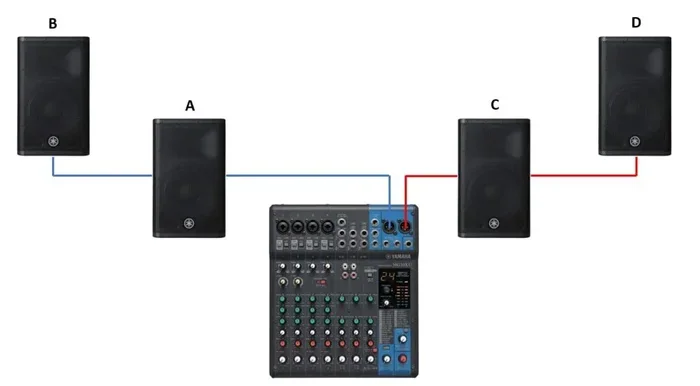
Speakers are engineered for specific room volumes. A compact bookshelf speaker with ANC may be perfect for a bedroom (up to 150 ft³) but will struggle in a 500‑ft³ living room. Multi‑speaker systems with synchronized cancellation can cover larger spaces.
3. Connectivity Options
Bluetooth 5.0 offers low‑latency streaming for movies, while Wi‑Fi (AirPlay 2, Chromecast) provides higher bandwidth for lossless audio. For home‑theater setups, look for HDMI ARC or optical inputs.
4. Power & Amplification
Match the speaker’s RMS wattage to an appropriate amp. Undersized amps cause distortion; oversized amps waste energy. A good rule is to choose an amp rated 1.5‑2× the speaker’s RMS rating.
5. Smart Home Integration
Voice assistants (Alexa, Google Assistant) let you control volume, source, and even ANC levels hands‑free. Ensure the speaker’s ecosystem matches your existing smart devices.
6. Build Quality & Aesthetics
Since the speaker will sit in a living space, look for sturdy cabinets, attractive finishes, and optional wall‑mount kits or stands. Speaker stands for surround speakers can improve both soundstage and cancellation performance.
Top Types of Noise Cancelling Speakers for Different Rooms
Compact Desktop Units
Ideal for home offices or dorm rooms, these speakers sit on a desk and often include a built‑in microphone array. They usually connect via USB or Bluetooth and provide 15‑20 dB of cancellation.

Visual guide about Noise Cancelling Speakers for Rooms
Image source: soundproofguidance.com
Bookshelf Speakers with ANC
Bookshelf models blend classic hi‑fi sound with active cancellation. They fit on a shelf or stand and are perfect for medium‑size rooms (150‑300 ft³). Look for models with separate rear‑firing drivers for better isolation.
Floor‑Standing Tower Speakers
For large living rooms or open‑plan spaces, tower speakers deliver powerful bass and wide dispersion. When paired with a multi‑room ANC system, they can reduce ambient noise across an entire floor.
Soundbars with Integrated ANC
Soundbars are a sleek solution for TV‑centric rooms. Many now include ANC microphones that cancel out TV‑room chatter and kitchen noise, delivering clear dialogue.
Wireless Multi‑Speaker Mesh Systems
Brands like Sonos and Bose offer mesh networks where each speaker contributes to overall noise cancellation. This is ideal for homes with multiple zones that need consistent sound quality.
Installation Tips: Getting the Most Out of Your ANC Speakers
Optimal Placement
- Distance from walls: Keep speakers at least 2‑4 inches away from large reflective surfaces to prevent standing waves.
- Height: Ear‑level placement (about 3‑4 ft for seated listeners) yields the clearest sound.
- Symmetry: For stereo pairs, place them equidistant from the listening spot to maintain balance.
Using Stands and Isolation Pads
Isolation pads decouple the speaker from the floor, reducing vibrations that can re‑introduce noise. Speakers serve as SDS for listeners explains how decoupling improves clarity.
Calibrating ANC Levels
Most speakers come with an app that lets you adjust cancellation strength. Start with the default setting, then use the built‑in microphone to test by playing a constant tone (e.g., pink noise). Increase ANC until the background hum is barely audible.
Wiring and Power Management
Use high‑quality speaker wire (16‑awg for most home setups) and ensure power cables are routed away from high‑interference devices like routers or microwaves.
Budget vs. Premium: What You Get at Different Price Points
Entry‑Level (< $150)
These models provide basic ANC (10‑15 dB) and simple Bluetooth connectivity. Expect modest bass and limited smart‑home features. Good for dorm rooms or a small office.
Mid‑Range ($150‑$500)
Here you’ll find 20‑30 dB of cancellation, dual‑driver designs, Wi‑Fi streaming, and companion apps for EQ tuning. Brands often include a warranty of 2‑3 years.
Premium (> $500)
High‑end speakers deliver 30‑40 dB of ANC, premium drivers, room‑correction software, and seamless integration with Alexa or Google Home. They often support multi‑room synchronization for whole‑house coverage.
If you’re on a tighter budget, consider a mid‑range model that offers the best cancellation per dollar. Our best and cheapest noise cancelling headphones article discusses similar value‑focused decision making, which applies to speakers as well.
Maintenance and Longevity
Cleaning the Enclosure
Dust can clog the microphone ports and affect ANC performance. Use a soft brush or compressed air to clean vents monthly.
Software Updates
Enable automatic firmware updates in the speaker’s app. Manufacturers often release new ANC algorithms that improve cancellation without hardware changes.
Replacing Drivers
High‑end speakers sometimes allow driver swaps. If the tweeter fails, a replacement can restore full frequency response and ANC efficiency.
Real‑World Example: Setting Up a Noise‑Free Home Office
Jane works from home in a city apartment. She chose a pair of bookshelf ANC speakers rated at 25 dB cancellation, connected via Bluetooth to her laptop, and placed them on sturdy stands with isolation pads. She calibrated the ANC using the companion app, setting the “Office” mode which prioritizes mid‑range speech frequencies. The result? Jane can join Zoom meetings without hearing the street traffic, and her music sounds richer than ever.
Key steps she followed:
- Measured her room (12 × 10 × 8 ft) to confirm the speakers were suitable.
- Mounted the speakers 3 ft from the wall and 4 ft apart.
- Enabled the “Night” ANC preset for lower background hum during late‑night work.
Jane’s experience shows that with the right product and placement, noise cancelling speakers for rooms can transform a noisy environment into a productive oasis.
Conclusion: Choose the Right Noise Cancelling Speakers for Your Space
Whether you’re a movie lover, a remote worker, or simply want to enjoy music without interruption, noise cancelling speakers for rooms offer a practical solution. By understanding the technology, matching the speaker to your room size, and paying attention to placement, you can achieve a quiet, immersive listening experience.
Remember to balance your budget with the features you truly need, keep the firmware up to date, and use proper stands or isolation pads for the best performance. With these tips, you’ll be well on your way to a quieter, more enjoyable home audio setup.
Frequently Asked Questions
What is the difference between active and passive noise cancelling speakers?
Active speakers use microphones and DSP to create sound waves that cancel external noise, while passive speakers rely on dense enclosures and materials to block sound.
Can I use noise cancelling speakers with my existing TV or sound system?
Yes. Most models include HDMI ARC, optical, Bluetooth, or Wi‑Fi inputs, making them compatible with most TVs and AV receivers.
Do I need a special amplifier for ANC speakers?
Only if the speaker’s power rating exceeds your current amp’s output. Match the amp’s RMS wattage to the speaker’s RMS rating for clean sound.
How often should I update the firmware on my noise cancelling speakers?
Enable automatic updates; manufacturers typically release improvements a few times a year. Regular updates keep the ANC algorithm tuned to new noise patterns.
Are noise cancelling speakers safe for children’s rooms?
Yes, as long as the volume is kept at a reasonable level. Some models include parental‑lock features to prevent accidental high‑volume playback.
Can I use multiple ANC speakers in different rooms simultaneously?
Many brands offer mesh networking that syncs cancellation and audio across several units, allowing whole‑house coverage.