Ssd M 2 Nvme 4tb

A 4TB NVMe M.2 SSD delivers massive storage with incredible speed, making it ideal for gaming, creative work, and professional use. These drives use the NVMe protocol over PCIe for speeds far beyond traditional SATA SSDs. Whether you need the Crucial T705 4TB or a more budget-friendly option, this guide covers everything you need to know about choosing the right SSD M 2 NVMe 4TB drive.
If you have been looking for a serious storage upgrade, the SSD M 2 NVMe 4TB category deserves your full attention. These drives pack four terabytes of blazing-fast storage into a tiny stick that fits right into your motherboard. No more cables. No more bulky drives taking up space. Just pure speed in a compact form factor.
Whether you are a gamer building a new rig, a video editor working with massive files, or simply someone who wants the best storage available today, a 4TB NVMe M.2 drive is a game-changer. In this guide, we break down everything you need to know. From speeds and protocols to the best models on the market and what to look for before you buy.
Key Takeaways
- Speed Advantage: NVMe M.2 SSDs offer read speeds up to 14,000 MB/s, far outpacing SATA drives.
- Massive Capacity: A 4TB drive holds thousands of games, hours of 4K video, and large project files.
- PCIe Gen5 is the Latest: Newer drives like the Crucial T705 use PCIe Gen5 for cutting-edge performance.
- Price Is Dropping: 4TB NVMe drives are more affordable now than ever before.
- Compatibility Matters: Check your motherboard for M.2 slots and NVMe support before buying.
- Thermal Management: High-capacity NVMe drives run hot; heatsinks help maintain peak performance.
📑 Table of Contents
What Is an SSD M 2 NVMe 4TB?
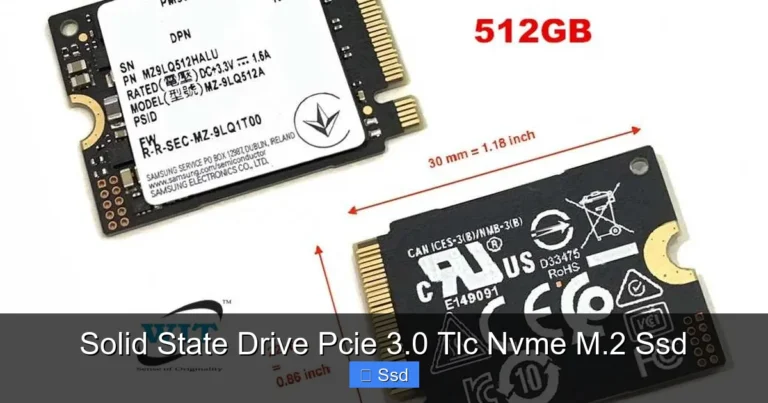
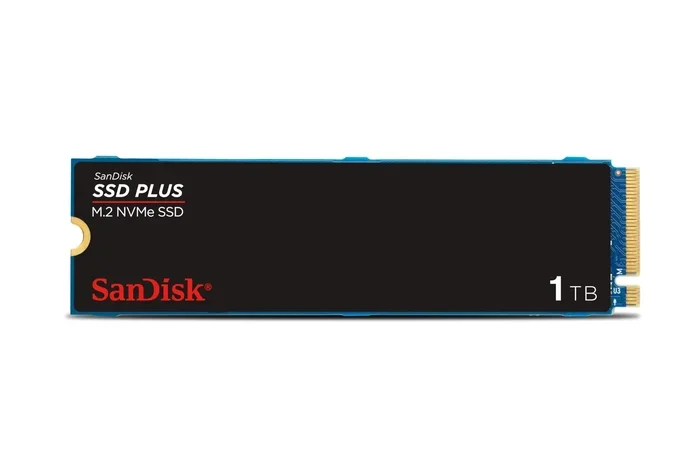
Let us start with the basics. An SSD M 2 NVMe 4TB is a solid-state drive that uses the M.2 form factor and the NVMe protocol to deliver fast storage over a PCIe connection. The M.2 part refers to the physical shape and size of the drive. It is a small rectangular stick, sometimes called a gum stick because of its shape.
The NVMe part is the protocol that lets the drive communicate with your system. Unlike older SATA SSDs, which max out around 550 MB/s, NVMe drives can reach speeds of 7,000 MB/s or even higher on the latest PCIe Gen5 models. A 4TB NVMe M.2 SSD gives you both enormous capacity and blazing-fast performance in one package.
Why Choose M.2 Form Factor?
The M.2 form factor is popular because it is small and installs directly onto the motherboard. There are no cables to manage. You simply slot the drive into an M.2 connector and screw it in. This makes it perfect for compact builds and clean-looking setups. Most modern motherboards come with at least one M.2 slot, and many now have two or more.
How NVMe Differs from SATA
The biggest difference between NVMe and SATA SSDs is speed. SATA III, the interface used by older SSDs, has a bandwidth limit of about 600 MB/s. NVMe uses the PCIe bus, which offers much higher bandwidth. A PCIe Gen4 NVMe drive can hit speeds around 7,000 MB/s, while a PCIe Gen5 drive can push past 10,000 MB/s. This means faster game loading, quicker file transfers, and smoother video editing.
Why You Need a 4TB NVMe M.2 SSD
You might wonder if you really need 4TB of storage. The answer depends on what you do. But for many users, a large NVMe drive solves multiple problems at once.
Gamers today install titles that are 100GB to 200GB each. With a 4TB drive, you can store dozens of your favorite games and still have room to spare. Video editors working with 4K footage need fast read and write speeds, and a large drive means fewer worries about running out of space. Creators, programmers, and professionals who handle large datasets also benefit greatly from the combination of speed and capacity.
Another big reason is future-proofing. Storage needs keep growing. A 4TB drive gives you breathing room for years to come. Instead of constantly managing space or adding second drives, you get one fast drive that handles everything.
Top SSD M 2 NVMe 4TB Drives to Consider
The market for 4TB NVMe M.2 SSDs has grown rapidly. More brands are offering high-capacity options, which means more choices and better prices. Here are some of the top contenders you should look at.
Crucial T705 4TB PCIe Gen5 NVMe M.2 SSD
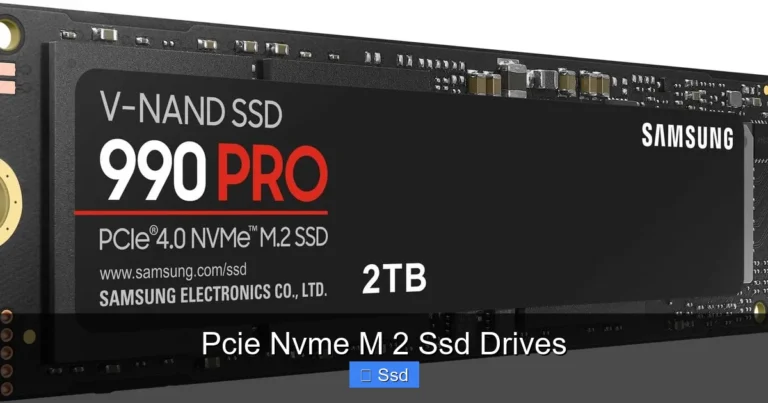
The Crucial T705 4TB PCIe Gen5 NVMe M.2 SSD is one of the most talked-about drives right now. It uses the latest PCIe Gen5 technology and delivers read speeds up to 14,000 MB/s. Write speeds are also impressive, making it a top choice for professionals who need both speed and capacity.
What makes the T705 stand out is its combination of raw performance and value. Crucial has a strong reputation for reliability, and this drive carries that forward. It also comes with a generous warranty, which adds peace of mind for long-term use.
Other Notable 4TB NVMe M.2 Options
Beyond the Crucial T705, there are other excellent 4TB NVMe M.2 SSD options worth considering. Some brands focus on budget-friendly models that still offer strong performance. Others prioritize endurance and reliability for enterprise use. When shopping, look at read/write speeds, NAND type, and warranty length to compare models effectively.
For users who want to explore more options, the 4TB NVMe M.2 SSD category on our site has a detailed breakdown of available models and their strengths.
How to Choose the Right SSD M 2 NVMe 4TB
Not all 4TB NVMe drives are the same. Before you spend your money, consider these key factors to make sure you get the right drive for your needs.
Check Your Motherboard Compatibility
This is the first thing you should do. Not every motherboard supports NVMe M.2 drives, and not all M.2 slots support PCIe Gen4 or Gen5. Check your motherboard manual for the M.2 slot specifications. Look for the PCIe generation it supports and whether it uses a B-key or M-key connector. Most modern NVMe M.2 drives use the M-key slot, but it is always good to double-check.
Consider Your Budget
4TB NVMe drives are not cheap, but prices have come down significantly. A PCIe Gen4 drive will cost less than a Gen5 drive, but the speed difference is noticeable. If you do not need the absolute fastest speeds, a Gen4 drive still offers incredible performance for gaming and everyday use. Set a budget and look for the best drive within that range.
Look at Endurance Ratings
Endurance is measured in TBW, or terabytes written. This tells you how much data you can write to the drive over its lifetime before it might start to fail. Higher TBW means a longer-lasting drive. For most users, a 4TB NVMe drive will have more than enough endurance to last many years, even with heavy daily use.
Thermal Performance
High-capacity NVMe drives can generate heat, especially under heavy workloads. Some drives come with built-in heatsinks, while others do not. If your drive does not include a heatsink, you can buy one separately. Good thermal management helps maintain consistent speeds and extends the life of your drive.
Installation and Setup Tips
Installing an M.2 NVMe SSD is one of the easiest upgrades you can do. Here is a quick walkthrough to help you get started.
First, locate the M.2 slot on your motherboard. It is usually near the CPU socket or along the bottom edge of the board. Insert the drive at a 30-degree angle, then press it down flat and secure it with the small screw that came with your motherboard.
Once installed, you may need to enable the NVMe mode in your BIOS. Restart your computer, enter the BIOS setup, and look for the storage or boot settings. Make sure the M.2 slot is set to NVMe mode rather than SATA or disabled mode. Save and exit, and your new drive should be recognized.
If you are installing Windows or a fresh operating system on the new drive, make sure you have a bootable USB drive ready. Most modern systems will detect the NVMe drive during the OS installation process.
Common Mistakes to Avoid
Even though installing an NVMe M.2 SSD is straightforward, there are a few common mistakes people make. Avoiding these will save you time and frustration.
- Skipping BIOS settings: If you do not enable NVMe mode in the BIOS, your system may not recognize the drive properly.
- Ignoring thermal management: Running a high-performance NVMe drive without adequate cooling can lead to thermal throttling, which slows down your speeds.
- Forgetting to update drivers: Keep your NVMe drivers up to date for the best performance and compatibility.
- Not checking slot compatibility: Some older motherboards only support SATA M.2 drives, not NVMe ones. Always verify before purchasing.
The Future of NVMe M.2 Storage
The SSD M 2 NVMe space is evolving fast. PCIe Gen5 is already here, and PCIe Gen6 is on the horizon. Each new generation brings higher speeds, better efficiency, and more capacity. The 4TB NVMe M.2 SSD category will only continue to grow as NAND technology improves and costs decrease.
Looking ahead, we can expect even larger capacities at lower prices. Drives with 8TB or more in the M.2 form factor are already emerging in the enterprise space. For consumers, the trend is clear: bigger, faster, and more affordable NVMe storage is coming. Now is a great time to invest in a high-capacity NVMe drive if you need the speed and space.
Final Thoughts
A SSD M 2 NVMe 4TB drive is one of the best upgrades you can make for your computer. It combines massive storage with incredible speed in a tiny, clean form factor. Whether you are a gamer, creator, or professional, the benefits are real and immediate. Faster load times, smoother workflows, and plenty of space for all your files and games.
Take your time choosing the right drive. Consider your budget, your motherboard compatibility, and what you will use the drive for. With so many great options available today, you are sure to find one that fits your needs perfectly. Make the upgrade and experience the difference that a fast 4TB NVMe M.2 SSD can make in your daily computing.
For more detailed reviews and comparisons of NVMe drives, check out our PCIe NVMe M.2 SSD drives guide for additional insights and recommendations.
Frequently Asked Questions
Is a 4TB NVMe M.2 SSD worth it?
Absolutely. If you need fast storage with a large capacity, a 4TB NVMe M.2 SSD is worth every penny. It is ideal for gaming, video editing, and professional workloads where both speed and space matter. The prices have also dropped significantly, making it more accessible than ever.
Can I use a 4TB NVMe M.2 SSD as a boot drive?
Yes, you can. Most modern systems support booting from an NVMe M.2 drive. Just make sure your motherboard is set to NVMe mode in the BIOS. You will enjoy faster boot times and quicker application launches compared to a traditional hard drive or SATA SSD.
How fast is a 4TB NVMe M.2 SSD?
Speed depends on the PCIe generation. PCIe Gen4 drives typically reach around 7,000 MB/s read speeds, while PCIe Gen5 drives like the Crucial T705 can hit speeds up to 14,000 MB/s. Both are significantly faster than SATA SSDs.
Do I need a heatsink for my 4TB NVMe M.2 SSD?
It depends on your workload. If you do heavy tasks like video rendering or large file transfers for extended periods, a heatsink helps maintain consistent speeds. Many drives come with a heatsink included, but you can also buy one separately if needed.
What is the difference between M.2 SATA and M.2 NVMe?
M.2 is just the form factor. The difference is in the protocol. M.2 SATA drives use the SATA interface and max out around 550 MB/s. M.2 NVMe drives use the PCIe bus and NVMe protocol, offering speeds of 7,000 MB/s or higher on modern drives.
How long does a 4TB NVMe M.2 SSD last?
Most quality 4TB NVMe drives have high TBW ratings, meaning they can handle many terabytes of writes over their lifetime. With normal use, a good NVMe drive should last 5 to 10 years or more. Keeping firmware updated helps ensure longevity and performance.