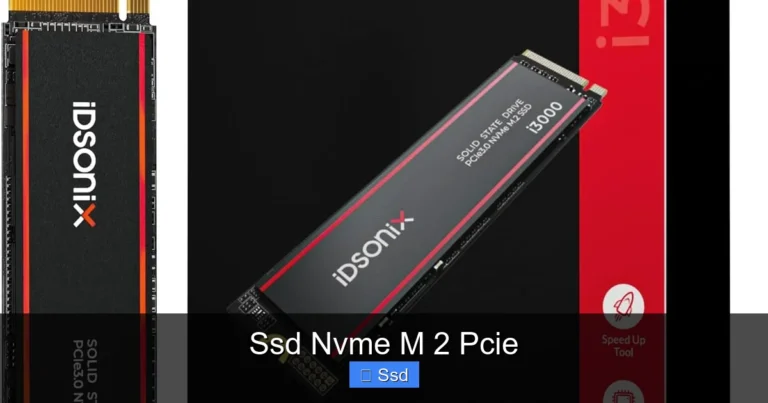
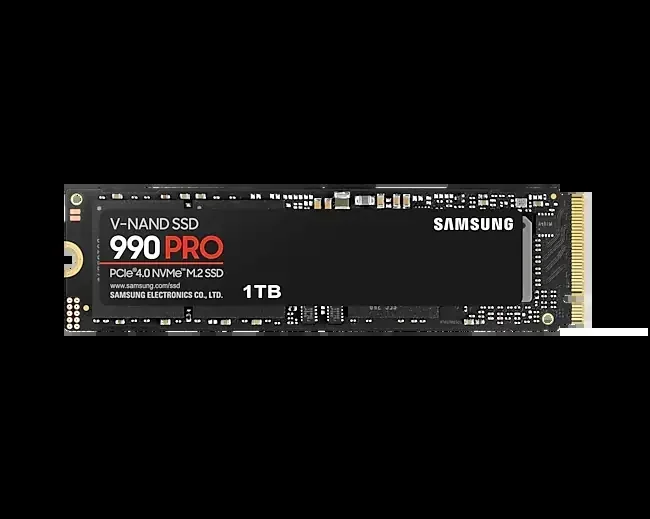
Ssd Nvme M.2 1tb
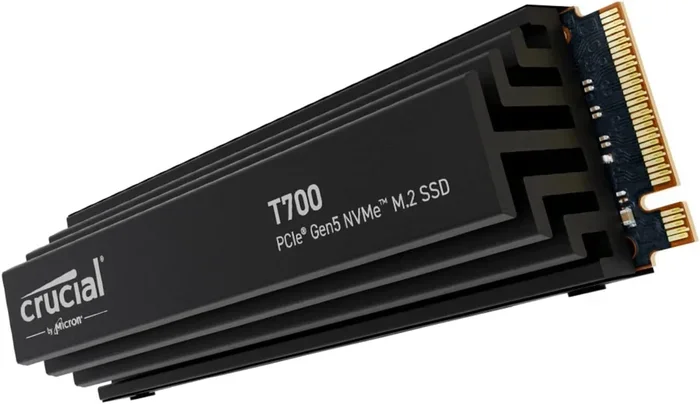
An SSD NVMe M.2 1TB drive delivers blazing-fast storage speeds that transform any computer. These drives use the NVMe protocol over PCIe to offer read speeds up to 7000 MB/s, far outpacing older SATA SSDs. Whether you are a gamer, a content creator, or just want a snappy system, a 1TB NVMe M.2 SSD is one of the best upgrades you can make. In this guide, we break down everything you need to know, from speeds and form factors to top models and buying tips.
If you have been hearing about SSD NVMe M.2 1TB drives and wondering what all the fuss is about, you are in the right place. These little drives are changing the way we think about computer storage. They are fast, compact, and incredibly reliable. Whether you are building a new PC or upgrading an old one, a 1TB NVMe M.2 SSD can make a massive difference in how your system feels every single day.
In this article, we will walk you through everything you need to know. We will cover what makes NVMe different from other SSDs, why the M.2 form factor matters, and which 1TB NVMe M.2 drives are worth your money. By the end, you will feel confident picking the right drive for your needs.
Key Takeaways
- Speed Boost: NVMe M.2 SSDs offer dramatically faster read and write speeds than traditional hard drives and SATA SSDs.
- Compact Design: The M.2 form factor is tiny, fitting directly onto your motherboard without cables.
- Great Value: 1TB capacity hits the sweet spot between storage space and affordability for most users.
- Easy Upgrade: Installing an NVMe M.2 SSD is straightforward and can revive an older computer.
- Multiple Options: Top brands like Kingston, Crucial, and Samsung offer excellent 1TB NVMe M.2 drives at competitive prices.
- Check Compatibility: Make sure your motherboard supports NVMe and has an M.2 slot before buying.
📑 Table of Contents
- What Is an SSD NVMe M.2 1TB?
- How M.2 Form Factor Drives Work
- Top Benefits of a 1TB NVMe M.2 SSD
- How to Choose the Right SSD NVMe M.2 1TB
- Popular SSD NVMe M.2 1TB Models Worth Considering
- Common Mistakes to Avoid When Buying an M.2 NVMe SSD
- How to Install an NVMe M.2 1TB SSD
- SSD NVMe M.2 1TB vs. Other Storage Options
- Final Thoughts
What Is an SSD NVMe M.2 1TB?
Let us start with the basics. An SSD NVMe M.2 1TB drive is a solid-state drive that uses the NVMe protocol and comes in the M.2 form factor. That might sound like a mouthful, so let us break it down.
A solid-state drive stores data using flash memory instead of spinning disks. This means no moving parts, which leads to faster speeds, less heat, and better durability. NVMe stands for Non-Volatile Memory Express. It is a communication protocol designed specifically for flash storage. Unlike older protocols, NVMe talks directly to your CPU through the PCIe bus, cutting out the bottlenecks that slow down traditional drives.
The M.2 part refers to the physical shape and size of the drive. M.2 drives look like small sticks of gum. They plug straight into a slot on your motherboard. There are no cables, no screws (usually), and no wasted space. A 1TB capacity gives you plenty of room for your operating system, games, applications, and files.
Why NVMe Matters for Storage Speed
The biggest advantage of NVMe M.2 SSDs is speed. A typical SATA SSD tops out around 550 MB/s for sequential reads. A modern NVMe M.2 1TB drive can hit 5000 to 7000 MB/s or even higher on PCIe Gen4. That is up to ten times faster.
But speed is not just about numbers on a spec sheet. Here is what that means in real life:
- Faster boot times: Your PC starts in seconds, not minutes.
- Quick file transfers: Moving large files takes a fraction of the time.
- Faster game loads: Games open and level-load much quicker.
- Smoother multitasking: Switching between heavy applications feels instant.
- Better content creation: Video editing and rendering benefit hugely from fast sequential read and write speeds.
When you compare a 1TB NVMe M.2 SSD to a regular hard drive or even a SATA SSD, the difference is night and day. You will notice it the moment you turn on your computer.
How M.2 Form Factor Drives Work
The M.2 form factor is one of the most popular shapes for modern SSDs. It was designed to be small and efficient. Most M.2 SSDs measure about 22mm wide and 80mm long, though other sizes exist.
Here is how an M.2 NVMe SSD connects to your system:
- The drive plugs directly into an M.2 slot on your motherboard.
- It connects via the PCIe interface, which provides a high-speed data path.
- The NVMe protocol handles communication between the drive and your system.
- No cables or power connectors are needed.
This simple design is a big reason why M.2 NVMe SSDs have become the standard for modern PCs. They save space, reduce cable clutter, and deliver top-tier performance.
M.2 Key Types: B Key vs. M Key
Not all M.2 slots are the same. There are different key types that determine which protocols a slot supports:
- B Key: Supports SATA and PCIe x2. Found on older motherboards.
- M Key: Supports PCIe x4, which is needed for full NVMe speeds.
- B+M Key: Supports both but may limit speeds depending on the slot.
Before you buy a 1TB NVMe M.2 SSD, check your motherboard manual. Make sure your M.2 slot supports NVMe and PCIe Gen3 or Gen4 for the best results.
Top Benefits of a 1TB NVMe M.2 SSD
Why should you choose a 1TB NVMe M.2 SSD over other storage options? Here are the top reasons:
1. Blazing Fast Speeds
We touched on this already, but it deserves repeating. A solid state drive with NVMe and M.2 form factor delivers read speeds that can make your entire system feel lightning fast. Boot times drop to under 10 seconds in many cases. Applications launch almost instantly.
2. Compact and Space-Saving
M.2 drives are tiny. They take up far less space than a traditional 2.5-inch SSD or a bulky hard drive. This makes them perfect for small form factor PCs, laptops, and mini-ITX builds. If you value a clean, cable-free interior, NVMe M.2 storage is the way to go.
3. Energy Efficiency
Because NVMe drives use the PCIe bus directly, they do not need extra power connectors. They draw less power than traditional drives, which can help extend laptop battery life and reduce overall system heat.
4. No Moving Parts
Unlike mechanical hard drives, SSD NVMe M.2 drives have no spinning platters or moving heads. This means they are more resistant to drops and shocks. Your data stays safer, especially in portable devices.
5. Great Price-to-Performance Ratio
The 1TB capacity has become the sweet spot for most users. It gives you enough space for Windows, several games, and your everyday files without breaking the bank. The price per gigabyte for NVMe drives has dropped significantly in recent years, making them more accessible than ever.
How to Choose the Right SSD NVMe M.2 1TB
With so many options on the market, picking the right 1TB NVMe M.2 SSD can feel overwhelming. Here are the key factors to consider:
Read and Write Speeds
Look for drives that offer high sequential read speeds. For PCIe Gen4 NVMe drives, speeds above 5000 MB/s are excellent. Write speeds matter too, especially if you work with large files like video footage or game installs. A good SSD NVMe M.2 1TB should deliver at least 3000 to 4000 MB/s for writes.
DRAM Cache
Some NVMe M.2 SSDs include a DRAM cache chip. This helps the drive manage its data mapping more efficiently. Drives with DRAM tend to perform better under heavy workloads and sustained transfers. If you do professional work, this feature is worth looking for.
Endurance Rating
Every SSD has a rated endurance, measured in TBW (terabytes written). This tells you how much data you can write to the drive over its lifetime. A typical 1TB NVMe M.2 SSD might have a rating of 300 to 600 TBW. Higher is better, especially for intensive tasks like video editing or constant server use.
Thermal Management
Fast NVMe drives can generate heat. Some come with heatsinks or thermal pads to keep temperatures in check. If you plan to run your drive at full speed for long periods, look for models with good thermal design. This helps prevent thermal throttling, which can slow down your speeds.
Brand Reputation and Warranty
Stick with trusted brands. Companies like Kingston, Crucial, Samsung, and WD have solid track records with their 1TB NVMe M.2 drives. Look for warranties of at least 3 to 5 years. A good warranty gives you peace of mind and often reflects the manufacturer’s confidence in their product.
Popular SSD NVMe M.2 1TB Models Worth Considering
Here are some well-regarded 1TB NVMe M.2 SSDs that offer great performance and value:
The Kingston 1TB M.2 NVMe SSD is a solid choice for everyday users and gamers. It delivers reliable speeds and comes at a competitive price point. Many users appreciate its consistent performance and low power draw.
The Crucial P310 1TB PCIe Gen4 NVMe M.2 SSD is another excellent option. It offers fast PCIe Gen4 speeds in a compact, no-frills package. It is a great pick for those who want strong performance without spending a premium.
If you want to explore more options, check out our detailed reviews and comparisons on SSD 1TB M.2 NVMe drives to find the perfect match for your setup.
Common Mistakes to Avoid When Buying an M.2 NVMe SSD
Even experienced buyers sometimes make mistakes. Here are a few to watch out for:
- Skipping compatibility checks: Not all motherboards support NVMe in every M.2 slot. Always double-check your board’s specifications before purchasing.
- Ignoring heatsinks: Some drives run hot. If your case has poor airflow, a drive with a built-in heatsink can save you from performance drops.
- Choosing the wrong capacity: 512GB might seem enough, but modern games and applications eat up space fast. A 1TB NVMe M.2 SSD gives you breathing room.
- Overlooking firmware updates: Keep your drive’s firmware up to date. Manufacturers often release updates that improve performance and fix bugs.
By avoiding these pitfalls, you can ensure your SSD NVMe M.2 1TB upgrade goes smoothly and delivers the performance you expect.
How to Install an NVMe M.2 1TB SSD
Installing an M.2 NVMe SSD is one of the easiest PC upgrades you can do. Here is a quick overview of the process:
- Locate the M.2 slot on your motherboard. Refer to your motherboard manual if needed.
- Remove the protective cover from the slot.
- Insert the drive at a 30-degree angle and press it down gently.
- Secure the drive with the small screw that came with your motherboard.
- Boot into your BIOS or UEFI and verify the drive is detected.
- Install your operating system or migrate your existing drive.
That is it! No cables, no fuss. In under 15 minutes, you can have a 1TB NVMe M.2 SSD up and running.
If you want to learn more about the installation process or need help choosing the right drive, visit our guide on 1TB NVMe M.2 SSD options and tips.
SSD NVMe M.2 1TB vs. Other Storage Options
How does a 1TB NVMe M.2 SSD compare to other storage types? Here is a quick look:
| Feature | NVMe M.2 SSD | SATA SSD | HDD |
|---|---|---|---|
| Read Speed | Up to 7000 MB/s | Up to 550 MB/s | Up to 200 MB/s |
| Form Factor | M.2 (tiny) | 2.5-inch | 3.5-inch |
| Moving Parts | None | None | Yes (spinning disks) |
| Power Use | Low | Medium | High |
| Price per GB | Low-Medium | Medium | Low |
As you can see, the SSD NVMe M.2 1TB wins on speed and compactness. It is the best all-around choice for most modern systems.
Final Thoughts
A 1TB NVMe M.2 SSD is one of the most impactful upgrades you can make to any computer. Whether you are a gamer who wants faster load times, a professional who needs rapid file access, or a everyday user who wants a snappy system, this type of drive delivers.
The combination of blazing NVMe speeds, a compact M.2 form factor, and solid 1TB capacity makes these drives hard to beat. They are affordable, reliable, and easy to install.
Take some time to compare models, check your motherboard compatibility, and pick the drive that fits your needs best. Your system will thank you. To explore more options and find the best deals, check out our NVMe M.2 SSD 1TB price guide for the latest information on pricing and availability.
Frequently Asked Questions
What is the difference between NVMe and M.2?
NVMe is a communication protocol that allows SSDs to reach high speeds through the PCIe bus. M.2 is a physical form factor, meaning the shape and size of the drive. A drive can be M.2 and use either SATA or NVMe. When people say “SSD NVMe M.2 1TB,” they mean a 1TB drive that uses both the NVMe protocol and the M.2 physical shape.
Is a 1TB NVMe M.2 SSD enough for gaming?
Absolutely. A 1TB NVMe M.2 SSD can hold several AAA games comfortably. Most modern games range from 50GB to 150GB each. With 1TB, you can have your operating system, a handful of heavy games, and still have room for applications and files. If you have a massive game library, you might eventually need more storage, but 1TB is a great starting point.
Can I use an NVMe M.2 SSD in a laptop?
Yes, many modern laptops support M.2 NVMe SSDs. However, you should check your laptop’s specifications first. Some laptops only have SATA M.2 slots, while others support NVMe. Look for “PCIe” or “NVMe” support in your laptop’s manual or specs sheet before buying.
Do NVMe M.2 SSDs need a heatsink?
It depends on your workload and system. For everyday use and gaming, most NVMe M.2 SSDs run cool enough without a heatsink. If you do heavy video editing, constant file transfers, or use your PC in a warm environment, a heatsink can help maintain peak speeds by preventing thermal throttling.
How much does a 1TB NVMe M.2 SSD cost?
Prices have dropped significantly in recent years. A good 1TB NVMe M.2 SSD typically ranges from around $50 to $100 depending on the brand and speed tier. Budget options like the Crucial P310 1TB PCIe Gen4 NVMe M.2 SSD offer great value, while premium models may cost a bit more for extra features like DRAM cache or higher endurance ratings.
Will upgrading to an NVMe M.2 SSD make my old PC faster?
Yes, it can make a noticeable difference. If your old PC currently uses a mechanical hard drive or a SATA SSD, swapping in a 1TB NVMe M.2 SSD will speed up boot times, application launches, and file transfers significantly. It is one of the easiest and most cost-effective upgrades you can do to breathe new life into an older system.