Using Laptop While Charging

Using laptop while charging is generally safe for modern devices, but it can impact battery health if you ignore heat and power settings. This guide covers the truth about charging habits, battery lifespan, and simple steps to keep your laptop cool and performing well. You will learn how to balance power consumption with daily use and avoid common mistakes that shorten battery life.
Key Takeaways
- It’s generally safe: Using your laptop while charging won’t damage it if you follow basic precautions.
- Heat is the real enemy: Excessive heat from charging and usage can degrade battery health over time.
- Manage power settings: Enable battery saver mode and adjust performance plans to reduce strain.
- Avoid cheap chargers: Use the original power adapter or a certified replacement to prevent overheating.
- Unplug occasionally: Letting the battery discharge to 20–80% helps prolong its overall battery lifespan.
- Monitor temperature: Keep your laptop on a hard surface and avoid using it on soft bedding while charging.
📑 Table of Contents
Is It Safe to Use Your Laptop While Charging?
Many users ask: “Is it safe to use laptop while charging?” The short answer is yes. Modern laptops are built to handle simultaneous charging and usage. The battery, power management circuits, and cooling systems work together to keep things safe. However, “safe” does not mean “without any trade-offs.” Using laptop while charging can generate extra heat, which affects long-term battery health. Understanding these trade-offs helps you make smart choices every day.
You might wonder if charging habits matter. They absolutely do. Leaving your laptop plugged in 24/7 at 100% charge can cause battery wear. This is called “battery degradation.” The good news is that you can reduce this risk with a few simple habits. Let’s break down what happens inside your device when you use laptop while charging.
The lithium-ion battery in your laptop does not like extreme heat or constant full charge. When you use laptop while charging, the battery sits at a high charge state while power flows in. This creates a warm environment. If the heat is not managed properly, battery degradation speeds up. The key is to balance power consumption with good thermal management. You do not need to stop using your laptop while plugged in. You just need to be mindful of how you do it.
How Charging While Using Affects Battery Health
Your laptop battery goes through charge cycles. One full cycle means draining the battery from 100% to 0% and then recharging to 100%. In reality, partial cycles add up. Every time you plug in and unplug, you influence the total number of cycles. Using laptop while charging often means the battery stays at a high charge level, which puts less stress per cycle but can increase overall heat.
Here is a quick comparison of two common scenarios.
| Scenario | Battery Wear Level | Heat Output | Best For |
|---|---|---|---|
| Charging while using (balanced settings) | Low to moderate | Moderate | Daily work, gaming, or creative tasks |
| Charging while using (high performance, no cooling) | Moderate to high | High | Short bursts only |
| Not charging while using (on battery) | Low | Low | Battery calibration, light tasks |
The table shows that using laptop while charging is not inherently bad. The problem starts when heat builds up and you ignore power management. Battery maintenance means paying attention to temperature and charge levels. If your laptop feels hot to the touch while charging, it is a sign to take action. Let’s look at how to manage heat effectively.
Charging Cycles and Battery Wear
Each battery has a limited number of charge cycles before its capacity drops. A typical lithium-ion laptop battery is rated for 500 to 1,000 full cycles. When you use laptop while charging, you often keep the battery between 80% and 100%. This reduces the number of full cycles but increases the time spent at high voltage. High voltage states cause battery degradation faster than partial cycles. The goal is to keep the battery in the “sweet spot” of 20% to 80% whenever possible.
The 20-80% Rule for Longevity
The 20-80% rule is one of the best battery maintenance strategies. Keeping your charge level between 20% and 80% reduces stress on the battery cells. Many modern laptops include a “battery saver” or “charge limit” feature in their BIOS or power settings. Enabling this feature automatically stops charging at 80%. This simple setting extends your battery lifespan significantly. If your laptop does not have this feature, you can manually unplug the charger when the battery reaches 80%.
Heat Management: Keeping Your Laptop Cool While Charging
Heat is the biggest threat when you use laptop while charging. Charging generates heat. Running demanding apps generates heat. When both happen at the same time, the temperature rises. Proper heat dissipation is essential to protect your battery health and overall performance.
If you are concerned about laptop overheating risks, you are not alone. While a laptop exploding from overheating is extremely rare, sustained high temperatures can damage internal components. The battery swells, the fan works harder, and the system may thermal throttle. This means your laptop slows down to protect itself. Nobody wants a slow laptop. Let’s explore how to keep things cool.
Why Overheating Matters
Overheating accelerates battery wear. It can also cause unexpected shutdowns. When the internal temperature exceeds safe limits, the system cuts power to prevent damage. This is a safety feature, but it disrupts your workflow. To avoid this, focus on airflow and surface contact. Never use your laptop on a bed, pillow, or couch while it is charging. These soft surfaces block the vents and trap heat. Instead, place your laptop on a hard, flat desk or a cooling pad.
Quick Tips for Better Heat Dissipation
- Elevate the back: Use a laptop stand to improve airflow underneath.
- Clean the vents: Dust buildup blocks airflow. Use compressed air every few months.
- Avoid direct sunlight: Sunlight heats the chassis fast, even with the charger plugged in.
- Use a cooling pad: An external fan pad helps move hot air away from the bottom.
- Close unnecessary apps: Heavy background apps increase CPU load and generate more heat.
Power Consumption and Performance Tips
When your laptop is plugged in, it draws power from the AC adapter. The amount of power consumption when plugged in depends on what you are doing. Simple tasks like browsing use less power than video editing or gaming. Understanding this helps you balance laptop performance while charging with energy efficiency.
Curious about your power consumption when plugged in? It varies by task and hardware. A basic office laptop might draw 45 to 65 watts while charging and browsing. A gaming laptop with an RTX graphics card can draw 150 watts or more. The higher the power draw, the more heat generated. This is why heat management is so important for high-performance machines.
Performance vs. Battery Saver Modes
Windows and macOS offer different power plans. The “High Performance” mode gives you maximum speed but also increases heat and power consumption. The “Battery Saver” or “Balanced” mode reduces CPU speed slightly and limits background activity. For using laptop while charging during a long work session, the Balanced mode is often the best choice. You get smooth performance without excessive heat buildup. You can always switch to High Performance for short, demanding tasks like rendering a video.
Fast Charging and Its Impact
Many modern laptops support fast charging. This feature fills the battery quickly, often reaching 80% in under an hour. Fast charging generates more heat than standard charging. If you are using laptop while charging and fast charging is active, the combined heat can be significant. Some laptops allow you to disable fast charging in the power settings. If you notice your laptop getting very hot, try switching to standard charging. Your battery health will thank you.
Best Practices for Charging and Using Your Laptop
Following a few simple habits can extend your battery lifespan by years. These practices apply whether you use your laptop at a desk, in a classroom, or on the couch. The goal is to minimize battery degradation while still enjoying the convenience of cordless work.
Use the Right Charger
Always use the original power adapter that came with your laptop. Third-party chargers might not deliver the correct voltage or wattage. An underpowered charger forces the battery to work harder, which increases heat. An overpowered charger is rarely a problem, but it is best to stick with the manufacturer’s specifications. If you need a replacement, choose a certified charger with the same voltage and wattage rating.
Keep Vents Unblocked
Your laptop’s vents are designed to release hot air. Blocking them with papers, books, or your legs traps heat inside. This directly harms battery health. Make sure the vents on the sides or bottom are clear at all times, especially when the laptop is charging and in use.
Consider an NVMe SSD Upgrade
An NVMe SSD upgrade can improve overall system efficiency and reduce load times. Faster storage means the CPU finishes tasks quicker and returns to idle state sooner. This reduces heat generation during using laptop while charging. If your laptop still uses a hard drive, upgrading to an NVMe SSD is one of the best things you can do for performance and thermal management.
Common Mistakes That Shorten Battery Life
- Leaving it plugged in at 100% all the time: This keeps the battery in a high-stress state.
- Using the laptop on soft surfaces while charging: This blocks vents and causes overheating.
- Ignoring firmware updates: Manufacturers often release power management updates that improve charging behavior.
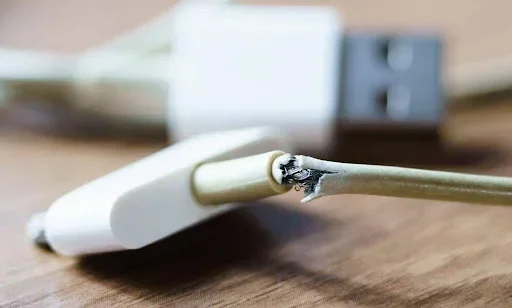
- Using a damaged charger: Frayed cables can cause inconsistent power delivery, which stresses the battery.
- Running heavy games while fast charging: This combination creates extreme heat that damages battery cells.
When to Unplug and Use on Battery
Even with the best habits, there are times when you should unplug and run on battery. Using the laptop on battery allows the cells to discharge and recover slightly. It also gives you a break from the constant high-charge state. Here are the best moments to unplug.
Calibrating Your Battery
Battery calibration helps your laptop accurately report the remaining charge. To calibrate, let the battery drain to 0% and then charge it uninterrupted to 100%. This should be done once every two to three months. After calibration, return to normal use. This practice keeps the battery meter honest and prevents unexpected shutdowns.
RAM and Multitasking While Charging
If you run heavy applications while charging, your RAM usage spikes. High memory usage increases CPU activity, which generates more heat. For users who multitask with many browser tabs and applications, having enough RAM is critical. If your laptop struggles with memory, consider a RAM upgrade. For specific guidance on upgrading memory, check our RAM upgrade tips for your model. More RAM means less disk swapping, lower heat, and smoother laptop performance while charging.
Long-Term Storage and Charging
If you plan to store your laptop for a few weeks, do not leave it plugged in. Store it with a 50% charge in a cool, dry place. This prevents battery degradation during storage. When you take it out, let it charge to 80% before using it again. This simple habit preserves battery lifespan for months or even years.
Key Takeaways
- Balance is key: Using laptop while charging is fine as long as you manage heat and charge levels.
- Keep it cool: Use hard surfaces, clean vents, and avoid direct sunlight to maintain battery health.
- Use smart settings: Enable battery saver mode, limit charge to 80%, and switch to Balanced power plans.
- Choose quality hardware: Use the original power adapter and consider an NVMe SSD for better efficiency.
- Unplug regularly: Let the battery cycle between 20% and 80% to reduce long-term battery wear.
- Stay updated: Install firmware and OS updates that improve power management and charging behavior.
Using laptop while charging does not have to be a worry. With the right charging habits and a little attention to heat, you can enjoy the convenience of a plugged-in laptop without sacrificing battery lifespan. Start with one or two changes today. Monitor your laptop’s temperature, adjust your power settings, and give your battery the care it deserves. Your device will stay healthy and responsive for many years of reliable use.
Frequently Asked Questions
Can I leave my laptop plugged in all the time while using it?
Yes, you can, but it is not ideal for long-term battery health. Leaving it at 100% charge constantly increases battery degradation. If you must keep it plugged in, enable the battery charge limit feature or manually unplug when it reaches 80%.
Does using a laptop while charging cause overheating?
It can, especially if you run demanding apps or use the laptop on a soft surface. Heat buildup is the main risk. To prevent overheating, use a hard desk, keep vents clear, and enable battery saver mode during long charging sessions.
Is fast charging bad for my laptop battery?
Fast charging generates more heat than standard charging. The extra heat can accelerate battery wear over time. If you notice your laptop getting very hot while fast charging, consider switching to standard charging or reducing your workload while plugged in.
How often should I calibrate my laptop battery?
Calibrating your battery once every two to three months is usually enough. This means letting the battery drain to 0% and then charging it to 100% without interruption. Calibration keeps the battery meter accurate and helps you manage battery maintenance better.
Will using my laptop while charging void the warranty?
No, normal use while charging is covered by the manufacturer’s warranty. However, damage caused by using unauthorized chargers or exposing the laptop to extreme heat might not be covered. Always use the original power adapter and follow the manufacturer’s guidelines for safe operation.
What is the best power setting for using a laptop while charging?
The Balanced or Battery Saver mode is best for everyday using laptop while charging. These modes limit CPU speed and background activity, which reduces heat and power consumption. Switch to High Performance only for short, demanding tasks like video editing or gaming.