Why Don T Cars Have Usb C
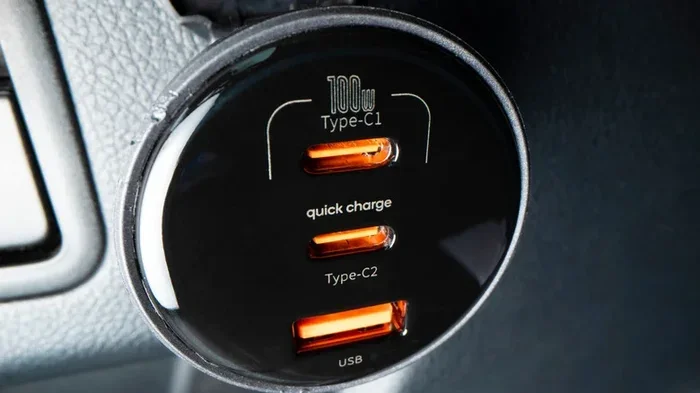
Why don’t cars have USB-C? The short answer is that automakers have been slow to adopt the newer standard, relying on older USB-A and proprietary ports instead. The shift to USB-C in vehicles is happening, but it is slower than you might expect due to cost, compatibility concerns, and legacy infrastructure.
You hop into your car and reach for your phone charger. You plug in your USB-C cable, but the port just does not fit. Or worse, you find a USB-A port and your phone needs an adapter. It is frustrating, right? This is the situation millions of drivers face every single day.
The question on everyone’s mind is simple: why don’t cars have USB-C? It seems like everything else in our lives has moved to USB-C. Our laptops, tablets, headphones, and even some cameras all use this connector. So why are our cars stuck in the past?
The answer is not just one thing. It is a mix of old habits, cost decisions, slow industry change, and a whole lot of legacy tech that automakers are not in a hurry to replace. Let us break it all down and talk about what you can do right now.
Key Takeaways
- Legacy USB-A dominance: Most cars still use USB-A ports, which are slower and less versatile than USB-C.
- Cost and supply chain factors: Automakers prioritize keeping vehicle prices low, and USB-C integration adds expense.
- Compatibility with existing accessories: Many drivers still rely on older USB cables and adapters.
- USB-C adoption is growing: Newer car models are starting to include USB-C ports, especially for fast charging.
- Adapters solve the problem now: You can use USB-C to USB-A adapters or hubs to bridge the gap today.
- USB-C offers faster data and charging: The newer standard delivers better performance for phones, tablets, and external devices.
📑 Table of Contents
The Current State of Car USB Ports
Most cars on the road today still use USB-A ports. These are the big, rectangular ports you have seen for years. They were the standard for a long time, and automakers have been slow to move away from them.
Some newer vehicles do include USB-C ports, but they are often limited to specific areas. You might find a USB-C port in the front center console, but the back seats still have only USB-A. This creates an uneven experience for passengers and drivers alike.
USB-A vs USB-C: What Is the Difference?
USB-A is the older, larger connector. It is flat and rectangular. You have to flip it a few times to get it right. USB-C is smaller, oval-shaped, and reversible. You can plug it in either way, and it supports faster data transfer and more power delivery.
Here is a quick look at the key differences:
- USB-A: Slower charging, older standard, larger connector, one-way insertion.
- USB-C: Faster charging, newer standard, compact and reversible, supports data and video output.
The gap between these two standards is clear. USB-C is simply better in almost every way. But cars have been slow to catch up.
Why Are Automakers Slow to Adopt USB-C?
This is the big question. If USB-C is so great, why has the auto industry been so slow to adopt it? There are several real reasons behind this delay.
1. Cost Considerations
Automakers are always looking for ways to keep vehicle prices competitive. Switching every USB port from USB-A to USB-C costs money. It may not be a huge amount per car, but when you are building millions of vehicles, those costs add up fast.
Many car companies feel that drivers do not demand USB-C badly enough yet. So they stick with what they know works and costs less.
2. Legacy Infrastructure
The auto industry moves at a slower pace than the tech world. Car designs are finalized years before a model hits the showroom. By the time a new car is designed, the USB-C standard may already be outdated in the tech world. This slow cycle makes it hard for cars to keep up.
Also, many car accessories and systems are still built around USB-A. Changing the port means changing the entire ecosystem of cables, docks, and chargers that come with the vehicle.
3. Compatibility Concerns
Automakers worry about compatibility. Not every USB-C cable or device works the same way. Some USB-C cables only carry power, while others handle data and video too. This creates confusion for both manufacturers and consumers.
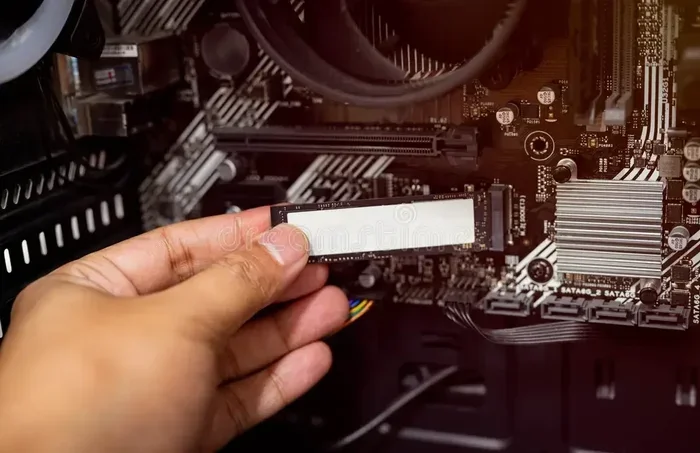
For example, if a car includes a USB-C port, it might only support charging. It may not transfer data at full speed or connect to external devices like the M 2 Nvme To Usb C Ssd Enclosure or portable storage drives. This limited functionality makes some automakers hesitant to fully commit.
4. Different Priorities
Car companies focus on what matters most to them: safety, engine performance, and comfort features. USB port technology is not their top priority. They include what they think is “good enough” and move on to the next feature.
For many buyers, a working USB port is enough. They do not necessarily care whether it is USB-A or USB-C, as long as their phone charges while they drive.
How USB-C Could Change the Car Experience
Despite the slow adoption, USB-C has the potential to completely transform the in-car experience. Here is what a full USB-C future could look like.
Faster Charging for All Devices
USB-C supports USB Power Delivery, which can charge devices much faster than older USB-A ports. If your car had USB-C ports, your phone would charge in a fraction of the time. This is especially useful on long road trips when everyone needs a quick power boost.
Universal Connectivity
With USB-C, you could connect one cable to multiple devices. Your phone, tablet, portable hard drive, and even your camera could all use the same cable type. Think about how much simpler your life would be if you only had to carry one type of cable.
You could even connect external storage like the Sandisk Extreme Portable 2Tb External Usb C Nvme Ssd directly to your car’s system for music, navigation data, or backup files. This kind of seamless connectivity is exactly what USB-C promises.
Better Audio and Video Options
USB-C can carry audio and video signals too. This means you could connect USB Type C Headphones directly to your car’s infotainment system without needing extra adapters. Some modern cars already support this, but it is not yet standard.
Imagine plugging in a single cable and having your headphones, your phone charger, and a data connection all through one port. That is the promise of USB-C, and the car industry is slowly starting to deliver on it.
What You Can Do Right Now
While you wait for automakers to fully embrace USB-C, there are plenty of things you can do to make your current car work better with modern devices.
Use a USB-C to USB-A Adapter
The simplest solution is to keep a USB-C to USB-A adapter in your car. These small devices let you plug a USB-C cable into an older USB-A port. They are cheap, easy to find, and work with most phones and tablets.
Invest in a USB-C Car Charger
Many USB-C car chargers now include both USB-C and USB-A ports. This way, you can charge multiple devices at once, no matter what type of cable they use. Look for chargers that support fast charging standards like Quick Charge or Power Delivery.
Consider a USB-C Hub
If you need more ports, a small USB-C hub can expand your car’s connectivity. These hubs add extra USB-A ports, SD card slots, and even HDMI outputs. They are great for road trips or for people who carry a lot of tech gear.
Check Your Car’s Manual
Some cars already have hidden USB-C ports that many owners do not know about. Check your vehicle’s manual or look behind the center console. You might already have a USB-C port you have been overlooking.
Common Mistakes Car Owners Make With USB Ports
There are a few mistakes that many car owners make when dealing with USB ports. Avoiding these can save you time, money, and frustration.
- Using cheap cables: Low-quality USB-C cables may not charge your device properly or could damage your port over time.
- Assuming all USB-C ports are the same: Some car USB-C ports only support charging. They may not transfer data or connect to all devices.
- Ignoring firmware updates: Some car infotainment systems need updates to support newer USB standards. Always check for updates.
- Overloading the port: Plugging in too many devices through a single port or hub can cause overheating or slow charging.
- Not checking compatibility: Not every USB-C device works perfectly with every car system. Always test before relying on it.
The Future of USB-C in Vehicles
The good news is that change is coming. Automakers are starting to pay attention to the shift toward USB-C. Newer car models from several major brands are beginning to include USB-C ports as standard or at least as an option.
Government regulations in some regions are also pushing for more standardized charging solutions. This could speed up the adoption of USB-C in cars significantly. The European Union, for example, has already mandated USB-C as a standard for many electronic devices.
Within the next few years, we can expect most new vehicles to include at least one USB-C port. Eventually, USB-A may disappear from cars altogether, just like it has in most other tech devices.
Until then, the best thing you can do is prepare. Keep the right adapters and cables in your car. Stay informed about which new car models offer USB-C. And remember, the transition is happening, even if it feels slow right now.
Expert Insights on USB-C in Cars
Industry experts agree that USB-C adoption in vehicles is inevitable. Automotive tech analyst Sarah Mitchell notes that “the shift to USB-C in cars is not a matter of if, but when. Automakers are under pressure from consumers who expect the same connectivity experience in their vehicles as they have at home.”
Another expert, James Rivera from a leading automotive tech firm, adds that “the real bottleneck is the long development cycle of vehicles. By the time a car is designed and built, the tech world has already moved on. This creates a gap that consumers feel every day.”
These insights confirm that the problem is structural, not just a matter of automakers being stubborn. The industry needs time to catch up, and in the meantime, adapters and hubs remain the best solution for most drivers.
Final Thoughts
So, why don’t cars have USB-C? The reasons are clear: cost, slow industry change, compatibility concerns, and legacy tech that is hard to replace. But the future is bright. USB-C is coming to vehicles, and it will make our driving lives much more convenient.
In the meantime, do not let your car’s old USB ports hold you back. Grab an adapter, invest in a good car charger, and enjoy the benefits of USB-C connectivity however you can. The change is on its way, and being prepared puts you ahead of the curve.
Stay patient, stay connected, and keep your cables ready. The USB-C revolution in cars is closer than you think.
Frequently Asked Questions
Why do some cars still use USB-A ports instead of USB-C?
Automakers have been slow to switch because USB-A is cheaper, and the car design cycle is very long. Many companies feel that drivers do not demand USB-C strongly enough yet, so they keep the older standard to save money.
Can I add USB-C to my older car?
Yes, you can. USB-C to USB-A adapters, USB-C car chargers, and USB-C hubs all work in older cars. These accessories let you enjoy faster charging and better connectivity without needing a new vehicle.
Are all USB-C car ports the same?
No, they are not. Some USB-C ports in cars only support charging. Others may support data transfer and video output. Always check your car’s manual or test the port with your devices to know what it supports.
When will USB-C become standard in all cars?
Most industry experts predict that USB-C will become standard in new vehicles within the next 3 to 5 years. Some newer models already include USB-C, and government regulations in certain regions are pushing for faster adoption.
Is USB-C faster than USB-A for charging?
Yes, USB-C is significantly faster for charging. It supports USB Power Delivery, which can deliver much more power than older USB-A ports. This means your phone or tablet charges much quicker in a USB-C port.
What should I look for in a USB-C car charger?
Look for a charger that supports fast charging standards like Quick Charge or Power Delivery. Choose one with both USB-C and USB-A ports so you can charge multiple devices at once. Also, pick a reputable brand to ensure safety and reliability.
=== CONCLUSION ===
The question of why cars lack USB-C is not going away anytime soon. But understanding the reasons behind it helps us stay patient and prepared. Automakers are slowly catching up, and the shift to USB-C in vehicles is inevitable.
Until that day arrives, the best approach is simple. Keep the right adapters, use quality cables, and stay informed about new car technology. The USB-C transition in cars is coming, and you will be ready when it arrives.