Will Usb C Replace Lightning
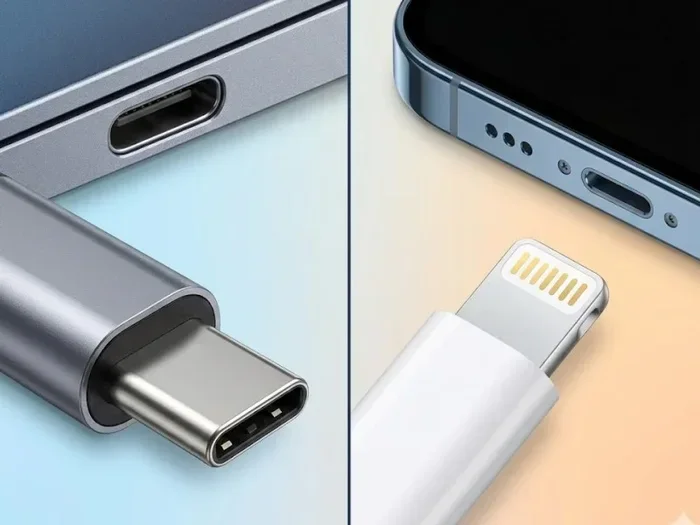
Will USB C replace Lightning? The shift from Apple’s proprietary Lightning connector to the universal USB Type C standard is already underway. With faster charging, broader compatibility, and a reversible connector, USB-C is reshaping how we power and connect our devices. Apple has already made the switch on the iPhone 15, signaling a major turning point for the cable ecosystem.
Will USB C replace Lightning? It is a question that has dominated tech conversations for years. And the answer is a clear yes. Apple finally made the switch with the iPhone 15 lineup. The days of the proprietary Lightning cable are numbered. This shift changes how we charge our phones, transfer data, and connect accessories.
The move to USB Type C is not just about Apple following a trend. It is about adopting a universal standard that benefits everyone. Faster charging speeds. Thinner cables. Reversible connectors. And compatibility across almost every device you own. If you have been wondering what this means for your current Lightning cables and accessories, this guide covers everything you need to know.
Key Takeaways
- Apple’s Shift: The iPhone 15 lineup uses USB-C instead of Lightning, confirming the transition is real.
- Faster Speeds: USB-C supports much faster data transfer and charging than Lightning ever could.
- Universal Compatibility: One cable works across phones, laptops, tablets, and accessories.
- Future-Proofing: USB-C is the global standard adopted by Android, Windows, and most tech brands.
- Adapters Help: You can still use Lightning cables during the transition with the right adapter.
- Environmental Push: EU regulations pushed Apple toward USB-C for less e-waste.
📑 Table of Contents
What Is the Difference Between USB C and Lightning?
Before diving into the future, let us understand the basics. USB Type C and Lightning are both connectors used to charge and transfer data. But they are very different in design and capability.
Connector Design
USB-C is a small, oval-shaped connector that is reversible. You can plug it in either way. Lightning is a smaller, flat connector with a specific orientation. You have to flip it a few times to get it right. This alone makes USB-C far more convenient for daily use.
Speed and Power
USB-C supports much faster data transfer speeds. The latest USB 3.2 and USB4 standards can move data at up to 40 Gbps. Lightning maxes out at 480 Mbps for data transfer. That is a massive gap. For charging, USB-C can deliver up to 240 watts with USB PD (Power Delivery). Lightning cables are limited to around 20 watts for iPhones.
Compatibility
USB-C works with Android phones, Windows laptops, tablets, gaming consoles, and countless accessories. Lightning is exclusive to Apple devices. This means your USB-C cable can do more with less clutter.
Why Is Apple Switching to USB C?
Apple did not make this decision overnight. Several forces pushed the company toward USB-C. Understanding these reasons helps explain why will USB C replace Lightning is now a settled question.
EU Regulations
The European Union passed a law requiring all smartphones to use USB-C by 2024. This regulation aimed to reduce electronic waste and make life easier for consumers. Apple sells iPhones in the EU, so the company had no choice but to comply. This single regulation changed the entire tech industry.
Consumer Demand
Users have been frustrated with carrying multiple cables for different devices. A universal connector solves this problem. People want one cable for their phone, tablet, laptop, and earbuds. USB-C delivers on that promise.
Technology Advancement
Lightning was introduced in 2012. It served its purpose well. But technology has moved on. USB-C offers capabilities that Lightning simply cannot match. Thunderbolt 4 support, video output, and faster charging are all built into the USB-C standard. Apple wants its devices to stay competitive.
For those who use USB-C devices already, such as external drives or audio gear, the transition makes perfect sense. You can even connect a USB-C headphone directly to your iPhone 15 without dongles.
What Does This Mean for Your Current Lightning Devices?
If you have a collection of Lightning cables and accessories, you are probably wondering what happens next. The good news is that Apple has not abandoned your existing gear just yet.
Adapters and Dongles
Apple includes a USB-C to Lightning cable with every iPhone 15. This lets you keep using your old Lightning cables and chargers. You can also buy standalone adapters that convert USB-C ports back to Lightning. This gives you a bridge period while you gradually replace your accessories.
Transition Timeline
Apple has not announced a complete shutdown of Lightning support yet. But the writing is on the wall. New iPads and MacBooks already use USB-C. The iPhone was the last major holdout. Expect Apple to phase out Lightning entirely within a few years. Third-party accessory makers are already shifting their focus to USB-C products.
Should You Buy Lightning Accessories Now?
If you need a Lightning cable for a current device, it is still fine to buy one. However, you should start thinking about USB-C alternatives. Investing in USB-C accessories now will save you money and hassle in the long run. Look for certified USB-C cables that support fast charging and data transfer.
Benefits of USB-C Over Lightning
The advantages of USB-C go beyond just replacing Lightning. Here is why USB-C is a better standard overall.
Universal Cable
One USB-C cable can charge your phone, power your laptop, connect your external drive, and even link up with a USB hub for multiple peripherals. This simplifies your setup dramatically. No more digging through a drawer full of different cables.
Faster Charging
USB-C with Power Delivery can charge devices much faster than Lightning. An iPhone 15 Pro charges significantly faster with USB-C compared to Lightning. Laptops and tablets benefit even more. You can go from zero to fifty percent in under thirty minutes with the right charger.
Better Data Transfer
Whether you are moving photos, videos, or large files, USB-C handles it with ease. The speeds are multiple times faster than Lightning. For content creators and professionals, this is a game changer. You can transfer a full movie in seconds.
Video and Audio Output
USB-C can carry video and audio signals directly. You can connect your phone to a monitor or TV using a single cable. Some USB-C microphones and audio interfaces work seamlessly with phones and laptops. Lightning simply cannot do this without additional adapters.
Future-Proof Investment
USB-C is not a trend. It is the global standard for connectivity. Every major tech company uses it. By switching to USB-C now, you are investing in a connector that will be around for years to come. Your cables and accessories will remain relevant.
Common Mistakes People Make During the USB-C Transition
Switching from Lightning to USB-C comes with a few pitfalls. Avoid these common mistakes to get the most out of your new setup.
Buying Cheap Cables
Not all USB-C cables are created equal. Some cheap cables do not support fast charging or data transfer. Always look for cables that are USB-IF certified or from reputable brands. A USB-C enclosure or adapter needs a quality cable to perform well.
Ignoring Adapter Quality
If you still need to use Lightning devices, buy high-quality adapters. Cheap adapters can cause slow charging, data loss, or even damage your device. Stick with Apple-certified or well-reviewed third-party options.
Assuming All USB-C Is the Same
USB-C is a connector shape, not a standard. There are different USB-C cables for different speeds and power levels. Some support USB 2.0, while others support USB 3.2 or Thunderbolt. Make sure you know what your devices need before buying a cable.
Throwing Away Lightning Cables Too Soon
Keep your Lightning cables for a while. They still work with older devices, AirPods, and some accessories. You do not need to rush out and replace everything on day one. Transition gradually as your devices upgrade.
Expert Insights on the USB-C Future
Industry experts agree that USB-C is here to stay. The standardization of USB-C across smartphones, laptops, tablets, and even gaming consoles like the Xbox Series X shows just how universal this connector has become.
Tech analysts predict that within three to five years, Lightning will be a legacy connector found only in older devices. Apple has already started the transition. Accessories will follow. The universal cable dream is finally becoming reality.
For consumers, this means less frustration, fewer cables, and better performance. The USB-C ecosystem offers a level of convenience that Lightning never could. As more devices adopt this standard, the benefits compound.
The Bottom Line
So, will USB C replace Lightning? Without a doubt. Apple’s move to USB-C on the iPhone 15 marks the beginning of the end for the Lightning connector. The benefits are clear. Faster speeds, universal compatibility, and a reversible design that just works better. While you do not need to throw out your Lightning cables today, the writing is on the wall. Start embracing USB-C now and future-proof your tech setup.
The transition is smooth, and the advantages are immediate. Whether you are charging your phone, transferring files, or connecting to a USB-C headset for work, the new standard delivers. The age of the universal cable is finally here.
Frequently Asked Questions
Will all Apple devices eventually switch to USB-C?
Yes. Apple has already switched its entire lineup, including iPhones, iPads, and MacBooks, to USB-C. The Lightning connector is only found on older devices and a few accessories like AirPods. Expect Lightning to be completely phased out within a few years.
Can I still use my Lightning cables with the iPhone 15?
Yes. Apple includes a USB-C to Lightning cable with every iPhone 15. You can keep using your existing Lightning cables and chargers during the transition. However, new Lightning accessories will become harder to find over time.
Is USB-C faster than Lightning for charging?
Absolutely. USB-C with Power Delivery can charge devices much faster than Lightning. The iPhone 15 series supports faster charging over USB-C compared to what Lightning offered. The difference is especially noticeable on iPads and MacBooks.
Do I need to buy new accessories for USB-C?
You do not need to replace everything right away. But over time, you will want USB-C versions of your cables, chargers, and accessories. Buying USB-C now ensures your accessories remain compatible with future devices.
Are all USB-C cables the same?
No. USB-C is just the connector shape. Cables support different standards and speeds. Some are USB 2.0, while others support USB 3.2 or Thunderbolt 4. Always check the specifications before purchasing a USB-C cable.
Why did the EU force Apple to switch to USB-C?
The European Union passed a regulation requiring all smartphones sold in the EU to use USB-C by 2024. The goal was to reduce electronic waste and make life easier for consumers who use multiple devices. Apple complied to continue selling iPhones in Europe.
=== CONCLUSION ===
The question of will USB C replace Lightning has been answered definitively. USB-C is the present and the future of device connectivity. Apple’s adoption on the iPhone 15 confirms what tech enthusiasts have known for years: the universal cable standard wins. The benefits of USB-C are undeniable. Faster charging, superior data transfer, and compatibility across virtually every device you own make it the clear choice.
Transitioning from Lightning to USB-C does not have to be stressful. Keep your existing cables for now, invest in quality USB-C accessories, and enjoy the seamless experience that the new standard brings. The era of the proprietary cable is ending. Embrace the change and simplify your tech life today.