4 Ohm Speakers on 8 Ohm Amp

Running 4 ohm speakers on an 8 ohm amp is possible, but you must understand impedance, power handling, and wiring methods. By matching the amp’s output, using series/parallel wiring, and monitoring volume, you can enjoy great sound without risking equipment.
Key Takeaways
- Impedance matters: 4 ohm speakers draw more current from an 8 ohm amp, which can affect heat and power.
- Series wiring raises impedance: Wiring two 4 ohm speakers in series creates an 8 ohm load, perfect for most amps.
- Parallel wiring cuts impedance: Parallel wiring drops the load to 2 ohms, which most 8 ohm amps can’t handle safely.
- Check amp specs: Look for “stable at 4 ohms” or “bridgeable” ratings before connecting lower‑impedance speakers.
- Use proper gauge wire: Thicker wire reduces resistance and heat, especially when driving lower impedances.
- Monitor volume and temperature: Keep the amp cool and avoid clipping to protect both amp and speakers.
- Consider a matching transformer: An impedance‑matching transformer can safely adapt 4 ohm speakers to an 8 ohm amp.
📑 Table of Contents
- Introduction: Why Impedance Confuses Everyone
- Understanding Impedance: The Electrical “Resistance” of Speakers
- Wiring 4 Ohm Speakers to an 8 Ohm Amp
- Power Calculations: How Much Can Your Amp Really Deliver?
- Practical Tips for a Safe and Powerful Setup
- Common Mistakes and How to Avoid Them
- Conclusion: Enjoy Your Music Safely
Introduction: Why Impedance Confuses Everyone
Imagine you bought a new set of 4 ohm car speakers and want to pair them with the 8 ohm amp already installed in your vehicle. You’ve probably heard warnings like “don’t mismatch impedance” and felt a little nervous. The good news is that the mismatch isn’t a death sentence—it’s just a set of rules you need to follow.
In this article we’ll break down everything you need to know about using 4 ohm speakers with an 8 ohm amp. We’ll cover the basics of impedance, wiring options, power calculations, and real‑world tips so you can crank the music without frying anything.
Understanding Impedance: The Electrical “Resistance” of Speakers
What Is Impedance?
Impedance, measured in ohms (Ω), is the opposition a speaker offers to the flow of alternating current (AC). It’s not a static number; it changes slightly with frequency, but manufacturers quote a nominal value—4 Ω, 8 Ω, etc.

Visual guide about 4 Ohm Speakers on 8 Ohm Amp
Image source: people.com
Why Does Impedance Matter to an Amplifier?
An amp is designed to deliver a certain amount of current at a given voltage. When the load (the speaker) has lower impedance, the amp must push more current to maintain the same power level. Too much current can overheat the amp’s output transistors and cause distortion or shutdown.
Matching Speakers to Amplifiers
Most car amps list three important ratings:
- Rated Impedance: Usually 4 Ω, 8 Ω, or “stable at 2 Ω”.
- Power Output (RMS): The continuous power the amp can deliver at the rated impedance.
- Bridgeable: Whether two channels can be combined to double voltage (and halve impedance).
If your amp says “8 Ω stable”, it means it can safely drive an 8 Ω load continuously. Some amps also say “4 Ω stable”, indicating they can handle lower impedances without overheating.
Wiring 4 Ohm Speakers to an 8 Ohm Amp
Series Wiring: Turning Two 4 Ω Speakers into One 8 Ω Load
The simplest way to keep the amp happy is to wire two 4 Ω speakers in series. In series, the total impedance adds up:

Visual guide about 4 Ohm Speakers on 8 Ohm Amp
Image source: imagecdn.clips4sale.com
Total Impedance = 4 Ω + 4 Ω = 8 Ω
This configuration is perfect for a single‑channel 8 Ω amp. The amp sees the correct load, and each speaker receives half the voltage, which is safe for most setups.
Need a visual guide? Check out our step‑by‑step article on how to wire speakers to an amp for wiring diagrams and tips.
Parallel Wiring: Dropping the Impedance to 2 Ω
If you wire two 4 Ω speakers in parallel, the total impedance drops dramatically:
Total Impedance = (4 Ω × 4 Ω) / (4 Ω + 4 Ω) = 2 Ω
Most 8 Ω amps are not designed to run at 2 Ω. Doing so can cause the amp to overheat, clip, or shut down. Only use parallel wiring if the amp specifically states “2 Ω stable” or if you add a matching transformer.
Using an Impedance Matching Transformer
An impedance‑matching transformer (sometimes called a step‑up transformer) can convert a 4 Ω load to appear as 8 Ω to the amp. This is a clean solution when you cannot re‑wire speakers in series because of space or design constraints.
Choose a transformer with a 2:1 turns ratio for a 4 Ω to 8 Ω conversion. Keep the transformer close to the amp to minimize cable losses.
Power Calculations: How Much Can Your Amp Really Deliver?
Basic Formula
Power (P) = Voltage² / Impedance (Z). When impedance drops, the same voltage produces more power.

Visual guide about 4 Ohm Speakers on 8 Ohm Amp
Image source: n.sinaimg.cn
Example: An amp that outputs 14 V RMS at 8 Ω delivers:
P = 14² / 8 = 196 / 8 = 24.5 W per channel
If you connect a 4 Ω speaker, the same 14 V now yields:
P = 14² / 4 = 196 / 4 = 49 W per channel
That’s double the power, which can be great for volume but also risky if the amp isn’t built for it.
Checking Your Amp’s “4 Ω Stable” Rating
Many modern car amps list a “4 Ω stable” rating. That means the amp’s internal circuitry can handle the extra current without overheating. If your amp has this rating, you’re safe to connect a single 4 Ω speaker directly.
If the amp only says “8 Ω”, stick to series wiring or use a transformer.
Real‑World Example: Matching a 4 Ω Subwoofer
Suppose you have a 4 Ω subwoofer rated at 300 W RMS and an 8 Ω amp that delivers 150 W RMS per channel. Connecting the sub directly will push the amp to its limit, possibly causing distortion.
Solution: Wire the sub in series with another 4 Ω speaker (if you have one) to create an 8 Ω load, or add a 2:1 transformer so the amp sees 8 Ω while the sub still gets its full voltage.
Practical Tips for a Safe and Powerful Setup
Choose the Right Gauge Wire
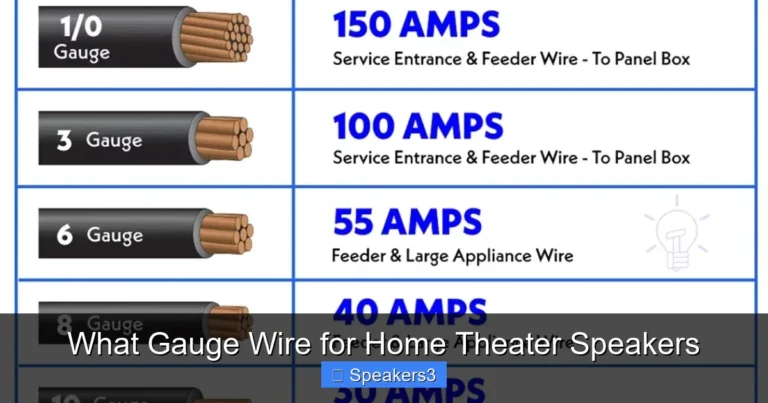
Lower impedance means higher current. Use thicker gauge wire (e.g., 12‑ gauge for runs under 10 ft) to keep resistance low and avoid voltage drop.
Ventilate Your Amplifier
Heat is the enemy of reliability. Install the amp in a well‑ventilated spot, add a small fan if needed, and never block the heat sink.
Set Gain Properly
Incorrect gain settings cause clipping, which can destroy speakers faster than any impedance issue. Start with the amp’s gain at the lowest setting and raise it slowly while listening for clean sound.
Consider a Professional Installation
If you’re unsure about wiring or power calculations, a professional installer can save you time and money. They’ll also double‑check that your amp’s rating matches the speaker load.
Related Reading
- 2 8 Ohm Speakers In Series – Learn how series wiring works for higher‑impedance loads.
- Recommended Car Amp For 6 Speakers – Find an amp that handles multiple low‑impedance speakers.
Common Mistakes and How to Avoid Them
Overloading the Amp
Connecting a 4 Ω speaker to an amp that’s only 8 Ω stable will force the amp to supply more current than it’s designed for. This often leads to overheating and early failure.
Ignoring Speaker Power Ratings
Even if the impedance matches, feeding a speaker with more power than it can handle will cause distortion and possible cone damage. Always stay within the speaker’s RMS rating.
Using the Wrong Wire Length
Long runs of thin wire increase resistance, effectively raising the load impedance and reducing power. Keep runs short and use appropriate gauge.
Skipping the Break-In Period
New speakers need a gentle break‑in (play them at moderate volume for 5–10 hours). This helps the suspension settle and prevents early wear.
Conclusion: Enjoy Your Music Safely
Running 4 ohm speakers on an 8 ohm amp is not a myth—it just requires a bit of knowledge and careful planning. By understanding impedance, using series wiring or a matching transformer, and respecting the amp’s power limits, you can achieve loud, clear sound without risking damage.
Take the time to check your amp’s specifications, use the right gauge wire, and set the gain correctly. When in doubt, consult a professional or refer to our detailed guides on wiring and amp selection. Happy listening!
Frequently Asked Questions
Can I connect a single 4 ohm speaker to an 8 ohm amp?
Only if the amp is rated “4 Ω stable”. Otherwise the amp may overheat because it has to supply more current than it’s designed for.
What happens if I wire two 4 ohm speakers in parallel on an 8 ohm amp?
Parallel wiring drops the total load to 2 Ω, which most 8 Ω amps cannot handle safely. This can cause overheating, distortion, or amp shutdown.
Is series wiring the best way to use 4 ohm speakers with an 8 ohm amp?
Yes, wiring two 4 Ω speakers in series creates an 8 Ω load, matching the amp’s rating and keeping the system stable.
Do I need a special cable for lower‑impedance setups?
Use thicker gauge wire (12‑14 AWG) for runs under 10 feet to reduce resistance and keep the current flow efficient.
Can an impedance‑matching transformer replace series wiring?
Yes, a 2:1 step‑up transformer will make a 4 Ω speaker appear as 8 Ω to the amp, allowing a direct connection without series wiring.
How can I tell if my amp is overheating?
Feel the amp’s heat sink after a few minutes of moderate volume; if it’s too hot to touch, lower the gain, improve ventilation, or reconsider the speaker impedance.