Why Apple Doesn T Use Usb C in Iphone
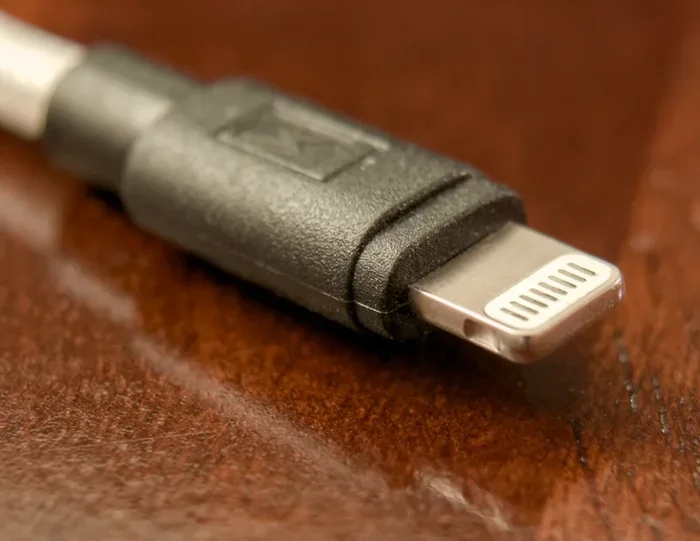
Apple has stuck with its proprietary Lightning connector for years instead of adopting USB C in iPhone devices. The reasons range from ecosystem control and revenue to compatibility concerns. However, recent EU regulations and industry shifts are pushing Apple closer to a USB C transition than ever before.
Have you ever wondered why Apple doesn’t use USB C in iPhone devices? It’s a question that tech fans have debated for years. The Lightning connector has been Apple’s go-to port since 2012. Meanwhile, almost every other smartphone maker adopted USB C long ago. This gap creates confusion for users and frustration for fans.
Understanding why Apple sticks with Lightning goes deeper than just tech preferences. There are business reasons, ecosystem strategies, and even regulatory pressures at play. In this article, we break down every major reason Apple has held off on USB C. We also look at what the future holds for iPhone charging and data transfer.
Key Takeaways
- Proprietary Control: Apple uses Lightning to maintain control over its ecosystem and accessories.
- Revenue Factor: The Lightning port generates significant revenue through MFi-certified accessories.
- EU Regulation: The European Union is mandating USB C for all smartphones, forcing Apple’s hand.
- Compatibility Benefits: USB C offers faster charging and universal compatibility with other devices.
- Transition Happening: Apple has already started moving to USB C with iPhone 15 and newer models.
- Accessory Ecosystem: Millions of Lightning accessories exist, making a switch complex.
📑 Table of Contents
- The History of Apple’s Lightning Connector
- The USB-C Revolution in the Tech World
- Why Apple Sticks With Lightning
- The EU Mandate and Apple’s Response
- What USB C Would Mean for iPhone Users
- The Future: When Will iPhone Go Fully USB C?
- Common Mistakes People Make With iPhone Charging
- Expert Insights on Apple’s Connector Strategy
- Conclusion
The History of Apple’s Lightning Connector
Apple introduced the Lightning connector in 2012 with the iPhone 5. Before that, Apple used a 30-pin dock connector for over a decade. The Lightning port was smaller, reversible, and more durable than its predecessor. At the time, it felt like a big step forward for mobile devices.
But the tech world kept moving. By 2014, most Android phones had already switched to micro-USB. Then USB C came along and offered even better performance. Apple, however, kept Lightning. The company saw value in controlling its own connector standard. This decision shaped the iPhone accessory market for years.
Why Lightning Felt Like a Good Idea
When Apple first launched Lightning, it made sense for several reasons. The reversible design meant no more flipping the cable. The smaller size allowed for slimmer devices. And Apple controlled the entire Lightning ecosystem through its MFi program. This meant every Lightning accessory met Apple’s quality standards.
For many years, Lightning worked well enough. Charging speeds were fine for most users. Data transfer was reliable. And the port lasted a long time with daily use. So there was little pressure on Apple to change. That is, until the world started moving toward USB C.
The USB-C Revolution in the Tech World
USB C became the universal standard for a reason. It offers faster data transfer, higher power delivery, and a reversible design. Laptops, tablets, monitors, and even best USB Type C headphones now use this single port. The convenience is undeniable.
The USB C advantages go beyond just plugging in a cable. USB C supports USB 3.0 and Thunderbolt protocols. This means blazing fast file transfers between devices. A SanDisk Extreme Portable 2TB External USB C NVMe SSD can transfer files at incredible speeds through a single USB C cable. That kind of performance is impossible with Lightning.
For Android users, USB C has been the norm for nearly a decade. One cable charges your phone, connects to your laptop, and powers your car. The universal nature of USB C reduces cable clutter and simplifies daily life. Apple users, on the other hand, often carry multiple cables for different devices.
How USB C Changed the Game
USB C brought several game-changing features to mobile devices:
- Faster Charging: USB Power Delivery can charge phones in under an hour.
- Bidirectional Power: The port can send and receive power.
- High Data Speeds: USB 3.1 and Thunderbolt offer speeds up to 40 Gbps.
- Video Output: USB C can connect directly to external displays.
- Universal Compatibility: One cable works across laptops, phones, and tablets.
These features made USB C the clear winner in the industry. Yet Apple held firm with Lightning for its iPhones. The reasons behind this decision are worth exploring.
Why Apple Sticks With Lightning
Apple’s decision to keep Lightning on the iPhone comes down to a mix of business strategy and technical control. Let’s look at the main factors driving this choice.
Ecosystem Control and Revenue
This is perhaps the biggest reason Apple doesn’t use USB C in iPhone devices. The Lightning connector gives Apple complete control over the accessory market. Through the MFi (Made for iPhone) program, Apple certifies every Lightning cable and adapter. This certification ensures quality but also generates significant revenue.
Every Lightning cable sold by a third-party partner pays a licensing fee to Apple. This creates a steady income stream that Apple has no reason to give up easily. If Apple switched to USB C, it would lose control over this revenue model. Third-party manufacturers could make cables without Apple’s oversight or financial contribution.
Proprietary Advantage
Apple loves its proprietary standards. The Lightning port is exclusive to Apple devices. This exclusivity reinforces the idea that Apple products work best together. It also creates a subtle barrier to leaving the Apple ecosystem. When your cables and accessories only work with Apple devices, switching brands feels more costly.
The Apple ecosystem lock-in strategy has been a core part of the company’s business model for years. USB C, being a universal standard, would weaken this lock-in effect. Apple users could more easily switch to other brands if they already own USB C cables and accessories from other devices.
Technical and Design Considerations
Some argue that Apple had legitimate technical reasons for sticking with Lightning. The Lightning connector is smaller than USB C, which gives Apple more flexibility in device design. For a long time, iPhone thickness was a key design priority, and Lightning helped keep devices slim.
However, as technology improved, these design constraints became less relevant. Modern USB C connectors have shrunk in size. Apple could have adopted USB C without compromising on design. This suggests that the decision was more about business than engineering.
The EU Mandate and Apple’s Response
The biggest turning point in this story came from European regulators. In 2022, the EU passed a law requiring all smartphones to use USB C by the end of 2024. This EU USB C mandate directly targeted Apple and its Lightning-only iPhones.
The regulation was designed to reduce electronic waste and simplify consumer life. It also aimed to break down proprietary barriers in the tech industry. Apple initially pushed back, arguing that strict regulations stifle innovation. But the law left the company with little choice.
Apple’s Reluctant Shift
Apple finally announced the switch to USB C with the iPhone 15 lineup in 2023. This marked the end of Lightning on iPhones after more than a decade. The iPhone USB C transition was a major moment for the company and the industry as a whole.
However, Apple’s implementation has some limitations. The USB C port on iPhone 15 models supports USB 2.0 speeds, not the faster USB 3.0 or Thunderbolt protocols. This means data transfer speeds remain relatively slow compared to other USB C devices. It’s a move that satisfies regulators but doesn’t fully embrace the potential of USB C.
Some speculate that Apple deliberately limited the USB C implementation to protect its accessories business. Slower data speeds make it harder to compete with external storage solutions like M.2 NVMe to USB C SSD Enclosure devices that thrive on faster connections.
What USB C Would Mean for iPhone Users
If Apple fully embraced USB C, the benefits for users would be significant. Let’s explore what a complete USB C transition could look like.
Faster Charging and Better Performance
USB C with Power Delivery can charge iPhones much faster than Lightning. A USB C fast charger could top up an iPhone in under 30 minutes. This would bring iPhone charging speeds in line with modern Android flagship phones.
Faster data transfer is another major benefit. USB C 3.0 or higher allows you to transfer large files between your iPhone and a computer in seconds. You could back up photos, move videos, and sync files without waiting for hours.
One Cable for Everything
The universal cable benefit cannot be overstated. With USB C, you could use the same cable to charge your iPhone, iPad, MacBook, AirPods, and even your M.2 NVMe SSD USB external drive. This simplifies travel, reduces cable clutter, and saves money.
For families with mixed devices, USB C means fewer cables to buy and manage. One drawer of cables could power everything from phones to laptops to portable speakers. That kind of convenience is hard to match with a proprietary connector.
Accessory Compatibility
A full USB C switch would open up iPhone accessory compatibility dramatically. Car chargers, wall adapters, and docking stations designed for USB C would work seamlessly with iPhones. You wouldn’t need to buy special Lightning versions of common accessories anymore.
This also benefits the environment. Fewer proprietary cables mean less electronic waste. Consumers can reuse cables across different devices and brands. The universal charging standard is a win for convenience and sustainability alike.
The Future: When Will iPhone Go Fully USB C?
Apple has already made the first move by introducing USB C on iPhone 15. But the full potential of USB C on iPhone is still unrealized. The company took a cautious, measured approach to the transition. This suggests Apple will continue to control how USB C evolves on its devices.
Looking ahead, several factors will shape the future of iPhone USB C adoption:
- EU Regulations: The mandate ensures USB C stays on all iPhones sold in Europe.
- Consumer Demand: Users increasingly expect universal compatibility.
- Technology Advances: Faster USB C standards like USB 3.2 and Thunderbolt 4 become more common.
- Accessory Evolution: The market is already shifting toward USB C for all mobile accessories.
Apple will likely adopt newer USB C standards gradually. The company has a history of being an early adopter of new technology, but only when it aligns with their design philosophy. Expect to see USB 3.0 or Thunderbolt support on future iPhone models as Apple refines its USB C implementation.
What This Means for You
If you’re an iPhone user, the USB C transition is already here. iPhone 15 and newer models use USB C. You can now use the same cable to charge your iPhone and your MacBook. The switch brings real convenience, even if Apple’s implementation isn’t perfect yet.
For those still on older iPhones with Lightning, the writing is on the wall. Apple is unlikely to bring back Lightning on future models. Planning ahead by investing in USB C accessories now makes smart sense. Whether you need a M.2 NVMe SSD enclosure adapter USB 3.1 or a simple charging cable, USB C is the future.
Common Mistakes People Make With iPhone Charging
As the iPhone charging landscape changes, users should avoid common pitfalls. Here are mistakes to watch out for:
- Using cheap, uncertified cables: Non-MFi or non-certified USB C cables can damage your device or charge slowly.
- Ignoring power delivery specs: Not all USB C chargers support fast charging. Check for USB PD compatibility.
- Keeping old Lightning cables: Holding onto Lightning cables won’t help once Apple phases out support entirely.
- Assuming all USB C is equal: USB C cables vary in speed and power. A basic USB 2.0 cable won’t deliver the same performance as USB 3.0.
Taking a few minutes to understand USB C specs can save you money and frustration. Invest in quality cables and chargers from reputable brands. Your iPhone will charge faster, transfer data quicker, and last longer.
Expert Insights on Apple’s Connector Strategy
Tech analysts have watched Apple’s connector strategy closely for years. Most agree that the switch to USB C was inevitable. Regulatory pressure, industry standards, and consumer expectations all pointed in the same direction. Apple simply delayed the transition as long as it could while protecting its business interests.
The Lightning vs USB C debate isn’t really about which connector is technically superior. USB C is clearly the better standard in almost every way. The debate is about control, revenue, and ecosystem strategy. Apple prioritizes these business factors alongside user experience.
Experts also note that Apple’s cautious approach to USB C on iPhone shows in the limited implementation. USB 2.0 speeds on iPhone 15 suggest Apple wants the regulatory compliance without fully embracing the technology’s potential. Future models will likely bridge this gap as market pressure increases.
Conclusion
The question of why Apple doesn’t use USB C in iPhone has a complex answer. Business strategy, ecosystem control, and revenue all played major roles. Apple held onto Lightning longer than any other major phone maker. But the EU mandate and shifting industry standards forced a change.
Today, iPhone users finally enjoy USB C connectivity. The transition brings real benefits in charging speed, data transfer, and accessory compatibility. While Apple’s initial USB C implementation is modest, the door is now open for future improvements. The USB C iPhone era has arrived, and it will only get better from here.
Embrace the change. Stock up on quality USB C cables and chargers. And look forward to a world where one cable truly fits all your devices. The future of iPhone charging is universal, and that is something worth welcoming.
Frequently Asked Questions
Why did Apple use Lightning instead of USB C for so long?
Apple used Lightning to maintain control over its accessory ecosystem and generate revenue through MFi certification. The proprietary connector gave Apple a competitive advantage and reinforced its locked-in ecosystem strategy for iPhone users.
When did Apple finally switch iPhone to USB C?
Apple switched to USB C with the iPhone 15 lineup, released in September 2023. This change was driven largely by EU regulations requiring USB C on all smartphones sold in Europe.
Does the iPhone 15 support fast USB C charging?
iPhone 15 models support USB C charging with USB Power Delivery, but they use USB 2.0 data speeds. This means charging is faster than Lightning, but data transfer speeds remain relatively limited compared to other USB C devices.
Will Apple ever support Thunderbolt on iPhone?
Apple has not yet added full Thunderbolt support to iPhones, but future models may include it. The company is likely to adopt faster USB C standards gradually as market demands and technology advance.
Are all USB C cables the same for iPhone?
No, USB C cables vary in speed and power delivery. For the best experience with your iPhone, use USB C cables that support USB Power Delivery and at least USB 3.0 data transfer speeds for faster file transfers.
What happened to Lightning accessories after the USB C switch?
Lightning accessories still work with older iPhone models. Apple has not discontinued Lightning support entirely, but it is gradually phasing it out. New iPhones now ship with USB C cables, and future iOS updates may further limit Lightning functionality.