Why Does My Headset Have a Usb and 3 5 Mm Jack
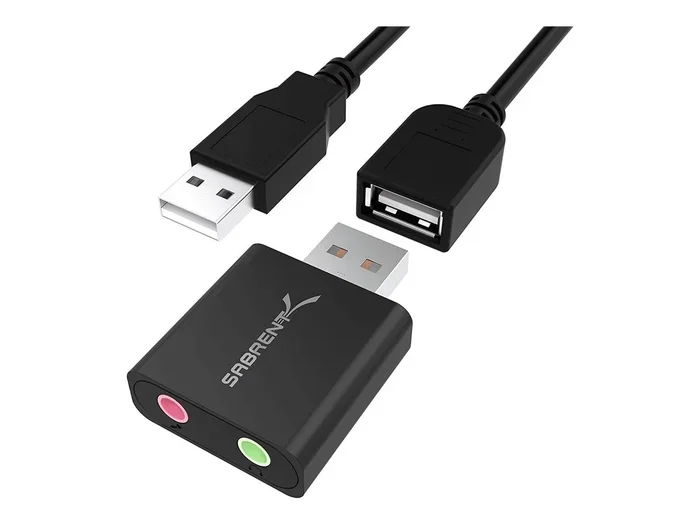
Your headset has both a USB and 3 5 Mm jack to give you flexibility and better sound quality. The USB connection handles digital audio processing, while the 3 5 Mm jack provides a simple analog plug-in option. Understanding when to use each helps you get the most out of your audio setup.
Have you ever picked up your headset and noticed it has two different plugs? One is a standard USB connector, and the other is the familiar 3 5 Mm jack. It can feel confusing at first. Why would a single headset need two connection types? The answer is simpler than you might think, and it comes down to flexibility, sound quality, and compatibility.
Headsets with dual connections give you the freedom to plug into different devices without needing extra adapters. Whether you are gaming on a PC, taking calls on your phone, or listening to music on a tablet, having both options means you are always ready. In this guide, we will break down exactly why headsets include both a USB port and a 3 5 Mm jack, and how to choose the right one for your needs.
The USB connection sends digital audio directly to your headset. This means the headset itself handles the sound processing. The 3 5 Mm jack, on the other hand, sends analog audio through your device’s sound card. Both have clear advantages, and knowing when to use each one makes a big difference in your listening experience.
Key Takeaways
- Dual connections offer flexibility: You can choose between USB digital audio or the classic 3 5 Mm analog jack depending on your device.
- USB provides better sound processing: The USB connection often includes a built-in sound card for cleaner audio and fewer distractions.
- 3 5 Mm jack works with almost everything: This universal analog connection is compatible with phones, tablets, and older devices.
- Gaming headsets benefit most: Many gaming headsets include both options so you can switch between PC and console setups easily.
- Quality depends on your device: The sound you get from each port depends on the audio hardware inside your computer or phone.
- You do not need to use both at once: Only one connection works at a time, so pick the one that fits your current setup.
📑 Table of Contents
What Is a USB Connection on a Headset
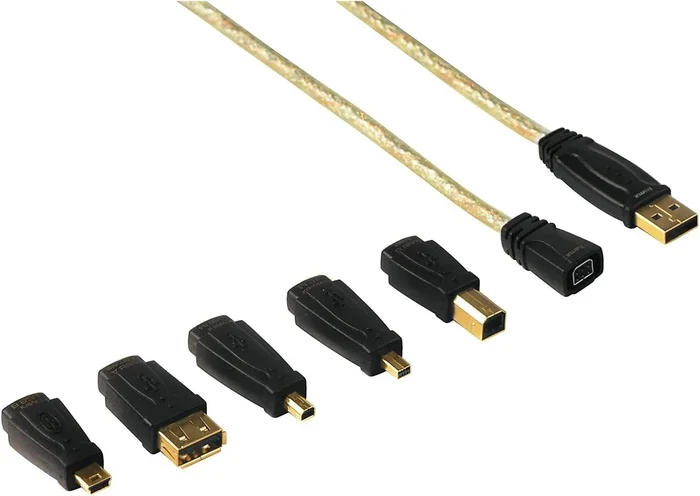
The USB plug on your headset is more than just a cable. It acts like a tiny sound card built right into your headset. When you plug in the USB connector, your device sends digital audio signals to the headset. The headset then processes those signals using its own internal hardware.
This is why USB headsets often sound cleaner and sharper. They do not rely on your computer or phone to handle the audio processing. Instead, the headset takes care of everything from the moment the signal leaves your device to the moment it reaches your ears.
How USB Audio Works
USB audio works by sending digital data rather than an electrical signal. Your computer converts the audio into ones and zeros, sends that data through the USB cable, and the headset decodes it. This digital path means fewer chances for interference or static. You get a purer signal with less background noise.
Many gaming headsets use USB for this reason. Gamers need clear directional audio to hear footsteps and in-game cues. The digital processing inside a USB headset gives them that edge. The built-in sound card also handles things like surround sound and equalizer settings.
When to Use the USB Connection
You should use the USB connection when you want the best possible sound quality from your headset. Here are some situations where USB shines:
- Gaming on a PC: The digital processing gives you crisp, clear audio with minimal interference.
- Video calls: USB headsets often have better microphone quality because the digital signal stays clean.
- Listening to music: You get richer bass and clearer highs when the headset handles the audio processing.
- Using a laptop with a weak sound card: Some laptops have basic audio hardware. The USB connection bypasses that limitation entirely.
One thing to keep in mind is that USB headsets usually only work with devices that have USB ports. You cannot plug a USB headset directly into a phone or a TV without an adapter. This is where the 3 5 Mm jack becomes your backup plan.
What Is a 3 5 Mm Jack on a Headset
The 3 5 Mm jack is the classic audio plug that has been around for decades. You have probably seen it on phones, tablets, laptops, and even some TVs. It is a simple analog connection that sends an electrical audio signal through the cable.
When you use the 3 5 Mm jack, your device handles all the audio processing. The sound card inside your computer or phone converts the digital audio into an analog signal and sends it through the jack. The headset then receives that signal and turns it into sound.
How the 3 5 Mm Jack Works
The 3 5 Mm jack carries an analog signal. This means the audio is sent as a continuous electrical wave rather than as digital data. Your device’s sound card is responsible for converting the digital audio into this analog form. The quality of that conversion depends on the sound card inside your device.
This is why two different headsets can sound very different when plugged into the same 3 5 Mm port. The headset itself is the same, but the sound card doing the conversion is different. A high-end sound card will produce better audio than a basic one built into a budget laptop.
When to Use the 3 5 Mm Jack
The 3 5 Mm jack is your go-to option when you need quick and easy compatibility. Here are the best times to use it:
- Plugging into a phone: Most phones still have a 3 5 Mm headphone jack, making this the simplest option.
- Using older devices: Some older computers, TVs, and gaming consoles only have a 3 5 Mm output.
- Traveling: You do not need a USB port or any extra adapters. Just plug it in and go.
- Sharing the connection: You can plug the 3 5 Mm jack into a splitter and share audio with a friend.
The 3 5 Mm jack also works well with devices like portable music players and some smart TVs. If you want a connection that works almost everywhere without any fuss, the 3 5 Mm jack is the way to go.
USB vs 3 5 Mm Jack: Key Differences
Understanding the difference between USB and 3 5 Mm connections helps you choose the right one every time. Here is a side-by-side look at how they compare.
| Feature | USB Connection | 3 5 Mm Jack |
|---|---|---|
| Signal Type | Digital | Analog |
| Sound Processing | Handled by the headset | Handled by your device |
| Compatibility | Needs a USB port | Works with almost any device |
| Interference | Very low | Can pick up static or noise |
| Setup | Plug and play | Plug and play |
| Microphone Support | Usually included | Depends on the cable |
| Portability | Less portable | Very portable |
The main takeaway is that USB gives you better sound quality and consistency. The 3 5 Mm jack gives you wider compatibility and convenience. Both are valuable, which is exactly why headset makers include both options in a single product.
Sound Quality Comparison
In most cases, USB headsets deliver better sound quality than their 3 5 Mm jack counterparts. The digital signal stays clean from start to finish. There is no conversion happening on your device that could degrade the audio. The headset handles everything internally.
With a 3 5 Mm jack, the sound quality depends on your device. A desktop computer with a dedicated sound card will produce great audio through the 3 5 Mm jack. A budget laptop with a basic onboard sound card may produce audio that sounds flat or slightly noisy. The headset is the same in both cases, but the results differ because of the device.
Some people also notice that USB headsets have better microphone quality. The digital signal carries your voice more clearly, and there is less background noise picked up by the mic. This makes USB headsets a popular choice for remote workers and streamers.
Why Do Headsets Include Both Connections
Now you know what each connection does. But why put both on one headset? The answer is simple: versatility. Headset makers know that people use their products with many different devices. By including both a USB and a 3 5 Mm jack, they make the headset useful in more situations.
Think of it like having a car that runs on both gas and electricity. You choose the power source based on where you are and what you need. A headset with dual connections works the same way. You pick the port that fits your current setup.
Common Devices and Their Ports
Different devices have different audio outputs. Here is a quick look at which devices use which type of connection:
- Desktop PCs: Usually have both USB ports and a 3 5 Mm audio jack on the back of the tower.
- Laptops: Often have a 3 5 Mm combo jack and one or more USB ports.
- Smartphones: Most have a 3 5 Mm jack (though some newer phones do not). They also have USB-C ports for charging.
- Gaming Consoles: Some consoles like the Xbox use USB for headsets, while others use a 3 5 Mm jack on the controller.
- Tablets: Many tablets have a 3 5 Mm jack, and some also support USB-C audio.
- Smart TVs: Most smart TVs have a 3 5 Mm audio output but may not support USB audio devices.
Having both connection types on your headset means you can switch between all of these devices without any extra gear. You just unplug one and plug into the other. It is that easy.
The Role of Audio Accessories
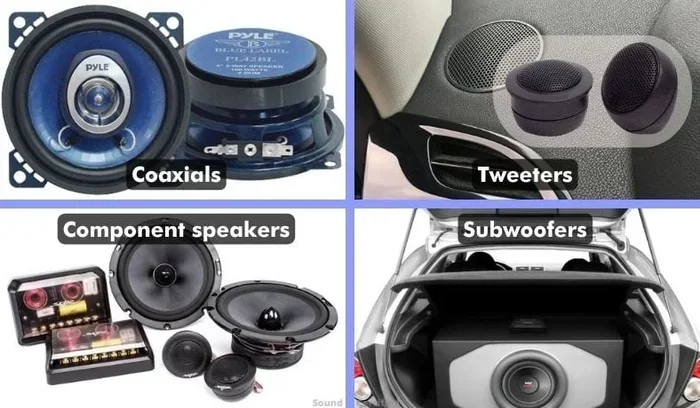
Sometimes you might want to connect your headset to equipment like a stereo system or an amplifier. In those cases, you might already have 5 and a quarter speakers or other audio gear set up. A 3 5 Mm cable can bridge your headset to those systems easily. USB connections are less common in traditional stereo setups, so the analog jack gives you more options for expanding your audio setup.
You might also wonder about the difference between simple stereo connections and more complex audio setups. Understanding what is the difference between 2-way and 3-way speakers can help you appreciate how audio signals work across different types of equipment. Headsets are essentially compact stereo speakers, and the way they receive audio signals follows similar principles.
Which Connection Should You Use
Choosing between USB and 3 5 Mm jack depends on what you are doing and what device you are using. Here are some simple guidelines to help you decide.
Use USB When
- You are gaming and want the best possible audio quality.
- You are on a video call and need clear microphone pickup.
- Your device has a weak or basic sound card.
- You want to use the headset’s built-in audio controls.
- You are listening to music and want richer, more detailed sound.
Use the 3 5 Mm Jack When
- You are connecting to a phone or tablet.
- You are using a device that does not have a USB port.
- You want a quick and simple plug-and-play connection.
- You are traveling and do not want to carry extra adapters.
- You need to share audio with another person using a splitter.
For most people, the USB connection is the better choice for daily use on a computer. The sound quality is superior, and the digital processing reduces interference. But if you need to use your headset with a phone or an older device, the 3 5 Mm jack is your best friend.
Quick Tips for the Best Audio Experience
- Keep your USB connection clean: Dust can build up in USB ports and cause connection issues. Blow out the port gently before plugging in.
- Check your device settings: Some computers default to the wrong audio output. Make sure your sound settings point to the correct device.
- Try both connections: If you are not happy with the sound quality, switch to the other port. You might notice a big difference.
- Use a quality cable: Cheap cables can introduce noise and static. A well-made cable keeps your audio clean.
Common Problems and How to Fix Them
Even with two connection options, you might run into issues from time to time. Here are some common problems and simple fixes.
No Sound Through USB
If you plug in your headset via USB and hear nothing, the first thing to check is your device’s sound settings. Make sure the USB headset is set as the default audio output. You may also need to install the driver that came with the headset. Most modern computers will recognize a USB headset automatically, but some need a manual driver install.
No Sound Through the 3 5 Mm Jack
If the 3 5 Mm jack is not working, check that the plug is fully inserted. A loose connection is the most common cause. Also, check your device’s sound settings to make sure the 3 5 Mm output is enabled. On some laptops, you need to press a function key to switch the audio output to the headphone jack.
Microphone Not Working
If your microphone is not picking up your voice, try switching between USB and 3 5 Mm. The USB connection usually provides better microphone support. If you are using the 3 5 Mm jack, make sure the microphone port is selected. Some combo jacks use a single plug that handles both audio in and audio out.
These simple fixes solve most headset connection problems. If the issue persists, try a different USB port or a different device to rule out a hardware problem.
Final Thoughts
The reason your headset has both a USB and a 3 5 Mm jack is all about giving you options. The USB connection offers better sound quality and digital processing. The 3 5 Mm jack offers wider compatibility and convenience. Together, they make your headset a versatile audio tool that works with almost any device you own.
Next time you pick up your headset, take a moment to think about which connection makes the most sense for what you are doing. Whether you are gaming, working, or just relaxing with your favorite music, the right connection makes all the difference. Embrace the dual-connection design and enjoy the best audio experience no matter where you are.
The audio world has evolved a lot over the years. From the early days of bulky desktop speakers to today’s sleek wireless headsets, the goal has always been the same: deliver great sound in a way that works for your life. The USB and 3 5 Mm jack combination is a perfect example of that philosophy in action.
Frequently Asked Questions
Can I use both USB and 3 5 Mm jack at the same time?
No, you should only use one connection at a time. Using both can cause audio conflicts and feedback. Pick the one that fits your current device and needs.
Does USB sound better than 3 5 Mm jack?
In most cases, yes. USB provides a digital signal that stays clean and is processed by the headset itself. The 3 5 Mm jack depends on your device’s sound card, which can vary in quality.
Can I use a USB headset on my phone?
Not directly. Most phones do not support USB audio devices without an adapter. Use the 3 5 Mm jack for phone connections instead.
Why does my 3 5 Mm jack sound worse than USB?
This is likely because your device has a basic sound card. The 3 5 Mm jack relies on your device to process audio, and cheaper sound cards produce lower quality sound.
Do I need drivers for a USB headset?
Most modern computers recognize USB headsets automatically. However, some headsets come with software that unlocks extra features like equalizer settings or surround sound. Check the manufacturer’s website for drivers if needed.
Can I use a USB headset with a TV?
It depends on the TV. Some smart TVs support USB audio devices, but many do not. The 3 5 Mm jack is a safer choice for connecting to most TVs.