Are Chromebooks Good for Video Editing

Are Chromebooks Good for Video Editing? They can handle light editing and cloud-based workflows, but they struggle with heavy 4K projects. This guide explains when a Chromebook works and when you need a traditional laptop.
If you are wondering Are Chromebooks Good for Video Editing, you are not alone. Many creators want a lightweight machine that can handle video editing on the go. Chromebooks promise simplicity and affordability, but they are not built like traditional laptops. They run on Chrome OS, a cloud-based operating system that relies heavily on internet connectivity. This means you cannot install heavy desktop software like Adobe Premiere Pro natively. However, web-based tools and Android apps have changed the game. So, can a Chromebook really handle your editing projects? Let us break it down.
Most Chromebooks cost between $200 and $600. They use Intel Celeron, MediaTek, or AMD Ryzen processors with 4 GB to 16 GB of RAM. Storage is typically 64 GB to 256 GB of eMMC or SSD. These specs are fine for browsing and schoolwork, but video editing demands more muscle. You need fast CPUs, plenty of RAM, and a strong GPU. A Chromebook can still do light work if you pick the right model and use smart workflows.
Key Takeaways
- Chromebooks work well for basic edits: Simple cuts, titles, and social media clips run fine on Chrome OS.
- Heavy 4K or effects work is a challenge: Limited RAM and weak CPUs cause lag with large files.
- Cloud tools are your best friend: Use web-based editors like Clipchamp or CapCut for smooth workflows.
- Storage is a real bottleneck: You will need external SSDs or cloud storage for project files.
- Choose the right model: Pick a Chromebook with at least 8 GB RAM and an IPS display.
- Consider a traditional laptop if you edit often: For serious creators, a Windows or macOS machine is still superior.
📑 Table of Contents
Are Chromebooks Good for Video Editing? The Real Story
What Makes a Chromebook Different
A Chromebook runs Chrome OS, which is designed around the web. You mostly use web apps, Android apps, and Linux tools. Offline capabilities exist, but they are limited. When you edit video, you need to store files locally or in the cloud, then process them. Chrome OS can handle simple timeline edits with ease. It struggles when you add transitions, color grading, or 4K footage. The system is not built for heavy rendering.
Here are the main differences that affect video editing on a Chromebook:
- Operating System: Chrome OS vs. Windows/macOS. Chrome OS uses cloud storage and web apps.
- Software: You use web-based editors or Android apps instead of desktop programs.
- Hardware: Most Chromebooks have low-power CPUs and integrated graphics.
- Storage: Limited local space means you rely on Google Drive or external drives.
- Connectivity: A stable internet connection is often required for full functionality.
Quick Tip
Always check if your editing software has a web version before buying a Chromebook. Tools like Clipchamp and CapCut work great in a browser.
When a Chromebook Works Well for Video Editing
Light Editing and Social Media Content
If you make YouTube Shorts, TikTok videos, or Instagram reels, a Chromebook is a solid choice. You can trim clips, add text, and use simple transitions with ease. Web apps like Clipchamp and Canva Video offer intuitive timelines. They run smoothly on a Chromebook because the projects are small. You do not need a powerful GPU for these tasks. A basic 1080p edit with music and captions takes minutes.
Cloud-Based Editing Tools
Cloud editing is a game changer for Chromebook users. You upload your footage to a cloud service, edit in a browser, and export directly. This offloads the processing to remote servers. Some popular options include:
- Clipchamp: Microsoft’s web editor, great for basic cuts and exports.
- CapCut: Free web and Android app with trendy effects.
- WeVideo: A cloud-based editor with a Chromebook app and good collaboration features.
- Kdenlive (via Linux): Open-source desktop app that runs on Chrome OS Linux container.
These tools handle 1080p footage well. They can sometimes manage 4K, but previewing may lag. For social media content, the results are perfectly fine.
Student and Beginner Projects
Students who need to edit class presentations or simple documentaries will find a Chromebook helpful. The price is low, the device is portable, and the battery lasts long. You can edit a 5-minute school project without any issues. Beginners learning the basics of cutting and sequencing will also benefit. You do not need to spend $1,000 on a powerful laptop just to learn the ropes.
When a Chromebook Falls Short
Heavy Effects and 4K Editing
If you want to work with 4K footage, add color grading, or use complex effects, a Chromebook will frustrate you. The limited RAM and weak processors cause stuttering previews. Rendering times become painfully long. Even basic color correction can freeze the system. Heavy effects like motion tracking or chroma keying are not practical on Chrome OS. You need a machine with a dedicated GPU and at least 16 GB of RAM for these tasks.
Large File Management
Video files are huge. A single minute of 4K footage can take up 400 MB or more. Chromebooks typically have only 64 GB to 256 GB of storage. You will quickly run out of space. You must rely on cloud storage or external drives. While Google Drive works, uploading and downloading large files eats up time and bandwidth. Editing directly from an external SSD is possible, but Chrome OS is not optimized for it. File transfers can be slow and buggy.
The GPU Bottleneck
Chromebooks use integrated graphics, which share memory with the CPU. They are not designed to decode multiple video streams or render effects in real time. If you need a machine for GPU-heavy work, you should look elsewhere. Check out our guide on the best graphics cards for video editing to understand what power you really need. A dedicated GPU makes a massive difference in preview smoothness and export speed.
Common Mistakes When Editing on a Chromebook
- Expecting to run Premiere Pro natively: You cannot install the full desktop version. Use web alternatives instead.
- Ignoring storage limits: Do not store raw 4K footage on the device. Use external SSDs or cloud storage.
- Skipping the internet requirement: Many cloud tools need a connection. Offline mode is limited.
- Buying a 4 GB model: 4 GB of RAM is not enough for any video editing. Always aim for 8 GB or more.
Best Chromebooks for Video Editing
Not all Chromebooks are the same. If you want to edit light videos, pick a model with at least 8 GB of RAM and an IPS display. Here are some solid options that balance price and performance.
| Model | Screen Size | RAM | Storage | Price Range | Best For |
|---|---|---|---|---|---|
| Acer Chromebook Spin 714 | 14-inch IPS | 8 GB | 128 GB | $400-$500 | General editing and schoolwork |
| Lenovo IdeaPad Flex 5 Chromebook | 14-inch FHD | 8 GB | 128 GB | $350-$450 | Budget-friendly light editing |
| ASUS Chromebook Flip CX5 | 15.6-inch IPS | 8 GB | 128 GB | $450-$550 | Larger screen for timeline work |
| Google Pixelbook Go | 13.3-inch FHD | 8 GB | 64 GB | $600-$700 | Premium build and battery life |
These machines handle 1080p projects well. They are great for cutting clips, adding music, and exporting to social media. For heavier work, you will still need a traditional laptop. If you want more power, check out our best laptop for video editing guide for Windows and macOS options.
Quick Tips for Choosing
- Pick at least 8 GB of RAM.
- Choose an IPS or OLED screen for better color.
- Go for a model with a backlit keyboard if you edit in low light.
- Make sure it has a USB-C port for external drives.
How to Optimize Your Chromebook for Editing
Storage and External Drives
Because local storage is limited, you must manage files smartly. Use a fast external SSD for project files and raw footage. A 1 TB USB-C SSD costs around $100 and connects easily. Edit from the external drive to keep your Chromebook storage free. Use Google Drive for backups and sharing. Always keep a copy of your raw footage in two places.
Monitor and Color Accuracy
Color accuracy matters in editing. Most Chromebook screens are not color-calibrated for professional work. If you want to see true colors, connect an external monitor. A good display helps you make better decisions about exposure and white balance. Check out our best computer monitors for video editing list for options that work well with Chromebooks. Look for monitors with 100% sRGB or better coverage.
Keyboard and Mouse Setup
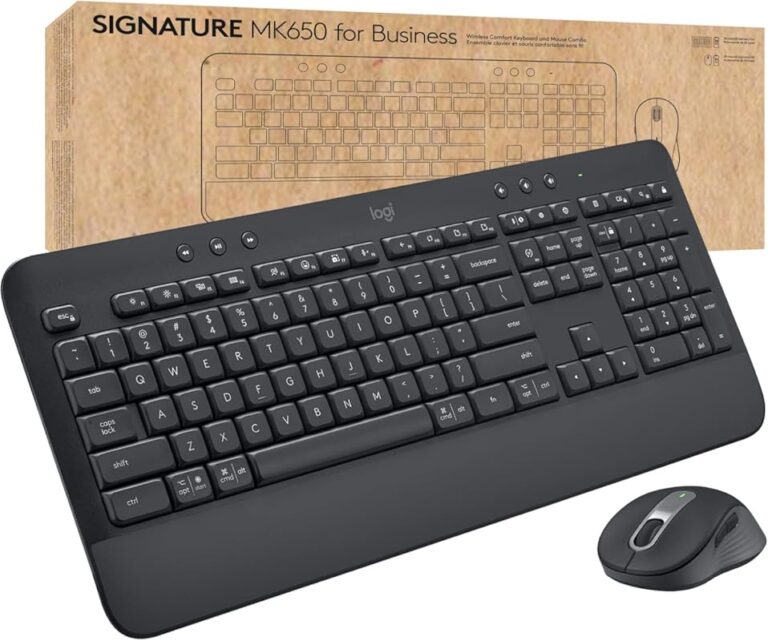
Editing with a trackpad is slow and imprecise. Plug in a wireless mouse or use a keyboard with dedicated shortcut keys. You can also buy a Chromebook docking station. This turns your laptop into a desktop setup with multiple ports. A comfortable setup reduces fatigue during long editing sessions.
Expert Insight
Expert video editors recommend using a Chromebook only for specific tasks. It is great for quick social media edits, but not for full-length films. If you are a content creator who mainly makes short-form videos, a Chromebook is a smart, portable tool. For professional workflows, you need a dedicated editing workstation.
The Verdict: Are Chromebooks Good for Video Editing?
The short answer is: it depends on your needs. If you edit simple videos for social media, a Chromebook can work well. It is affordable, portable, and easy to use. But if you work with 4K footage, complex effects, or long-form content, a traditional laptop is a better choice. Chromebooks shine for light editing and beginners. They struggle with heavy rendering and large projects.
For a tight budget, a Chromebook is a great starting point. You can learn the basics of cutting and sequencing without spending a fortune. Just remember to use cloud tools and external storage. If you outgrow it, you can always upgrade later. For serious creators, a Windows or macOS machine with a dedicated GPU will always win. Check out our best affordable laptop for video editing guide if you want a powerful machine under $700.
In the end, the best tool is the one that fits your workflow. Choose a Chromebook for light, on-the-go editing. Choose a traditional laptop for heavy, professional work. Both have a place in the world of video editing.
Frequently Asked Questions
Can I use Adobe Premiere on a Chromebook?
No, you cannot install the full desktop version of Adobe Premiere Pro on Chrome OS. However, you can use web-based alternatives like Clipchamp or CapCut that run in your browser. Some Android apps also offer basic editing features.
Is a Chromebook good for 4K video editing?
It is not ideal. Most Chromebooks lack the RAM and GPU power to smoothly handle 4K footage. You can edit 4K using cloud tools, but previews will lag and export times will be slow. Stick to 1080p for the best experience.
What Chromebook has the best screen for editing?
Look for a model with an IPS or OLED display and at least 100% sRGB color coverage. The Acer Chromebook Spin 714 and ASUS Chromebook Flip CX5 offer good screens for the price. For critical color work, always use an external monitor.
Do I need internet to edit videos on a Chromebook?
Some editing is possible offline with Android apps or Linux tools, but cloud-based editors need a connection. You will also need internet to export to platforms like YouTube. A stable Wi-Fi connection makes the process much smoother.
Can I connect an external GPU to a Chromebook?
Chromebooks do not support external GPUs (eGPUs) the way Windows laptops do. You can connect an external SSD for storage, but you cannot boost graphics performance with an eGPU. For heavy rendering, choose a traditional laptop.
Are Chromebooks good for beginners in video editing?
Yes, they are excellent for beginners. The low cost and simple interface make them ideal for learning. You can master basic cutting, transitions, and exporting without a steep learning curve or high investment.