Are Usb Powered Speakers Any Good
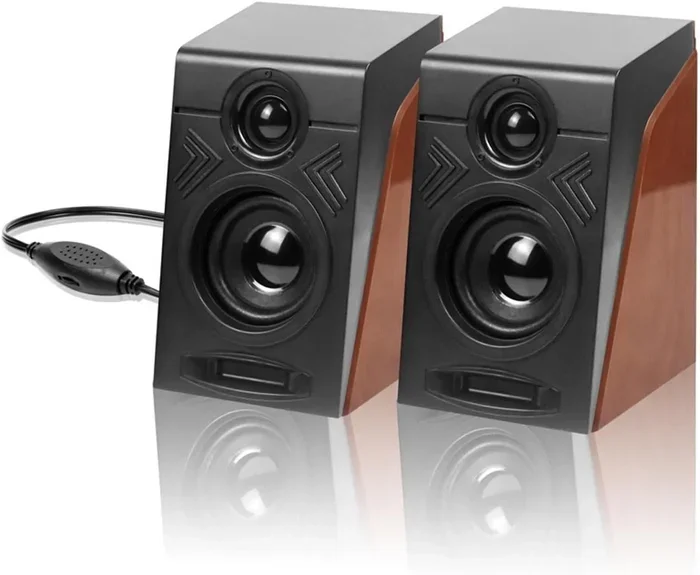
USB powered speakers are a convenient and affordable audio solution for anyone who wants decent sound without extra cables or wall outlets. They draw power directly from your computer or laptop, making them super easy to set up and use. In this guide, we break down whether they deliver good audio quality, what to look for, and who should buy them.
Are USB powered speakers any good? This is a question a lot of people ask, especially if they want a simple audio upgrade for their desk or laptop. The short answer is yes, they can be really good, but it depends on what you need them for.
USB powered speakers have become hugely popular over the last few years. They are compact, easy to use, and they do not need a separate power outlet. You just plug them into a USB port and you are ready to go. But does convenience always mean quality? Let us find out together.
Key Takeaways
- Plug-and-Play Simplicity: USB powered speakers connect directly to your computer with a single cable, so there is no need for extra power adapters or complex setups.
- Decent Sound for Everyday Use: They work great for casual listening, video calls, light gaming, and office work, but they may not match dedicated studio monitors for audiophile-level sound.
- Portability Is a Big Plus: Many models are compact and lightweight, making them easy to carry between home, office, or travel setups.
- Limited Power Output: Because they rely on USB power, they typically cannot drive large rooms or produce deep bass like larger powered speakers can.
- Check Compatibility First: Not all USB ports deliver the same power, so some speakers may need a powered USB hub for best performance.
- Great Value for Budget Buyers: Most USB powered speakers are affordable and offer good features for the price point.
📑 Table of Contents
- What Are USB Powered Speakers?
- Are USB Powered Speakers Any Good for Sound Quality?
- Pros and Cons of USB Powered Speakers
- Best Use Cases for USB Powered Speakers
- USB Powered Speakers vs. Other Speaker Types
- What to Look for When Buying USB Powered Speakers
- Common Mistakes People Make with USB Powered Speakers
- Quick Tips to Get the Most Out of Your USB Powered Speakers
- Final Verdict: Are USB Powered Speakers Any Good?
What Are USB Powered Speakers?
USB powered speakers are audio devices that get their electricity directly from a USB connection. Unlike traditional speakers that need a wall plug or batteries, these speakers draw power from your computer, laptop, or even a powered USB hub. This makes them one of the simplest audio solutions you can own.
The basic idea is straightforward. You plug a USB cable into your device, and the same cable powers the internal amplifier and drivers. Some models also use the USB connection for audio input, which means you only need one cable to handle both power and sound. This is why people love them for desktop setups and portable audio.
Most USB powered speakers are small and designed for personal listening. They are not meant to fill a large room with sound. Instead, they work best on a desk, nightstand, or during travel. Think of them as a convenient audio companion for everyday use.
How Do They Work?
Inside a USB powered speaker, you will find a small amplifier circuit, one or more speaker drivers, and a USB connector. The USB port supplies 5 volts of power, which is enough to run a small amplifier. The amplifier then boosts the audio signal and sends it to the drivers, which produce the sound you hear.
The audio signal usually comes from the computer’s sound card through the same USB connection. Some higher-end models have a built-in audio interface that processes the signal better than your computer’s default sound card. This can lead to cleaner sound and less noise.
Are USB Powered Speakers Any Good for Sound Quality?
This is the big question, isn’t it? The truth is, USB powered speakers vary a lot in quality. Some deliver surprisingly good audio performance, while others sound thin and weak. It all comes down to the speaker drivers, amplifier quality, and overall build.
If you compare them to a decent pair of monitor speakers, USB powered speakers usually fall short. Studio monitors are designed for accuracy and depth. They have larger drivers and stronger amplifiers. However, for casual listening, music at your desk, or background audio during work, USB powered speakers do a solid job.
The frequency response of most USB powered speakers ranges from about 100 Hz to 20 kHz. This means they can handle mid and high frequencies well, but the low end might feel a bit weak. If you love bass-heavy music, you might find them a little lacking.
What Affects the Sound Quality?
Several factors determine how well USB powered speakers sound. Let us look at the most important ones.
- Driver Size: Larger drivers generally produce better bass and fuller sound. Most USB powered speakers have small drivers, usually between 2 and 4 inches.
- Amplifier Quality: A good internal amplifier makes a big difference. It ensures clean sound with less distortion at higher volumes.
- USB Power Output: A standard USB 2.0 port provides about 500 milliamps. USB 3.0 can deliver up to 900 milliamps. More power means a stronger and cleaner audio signal.
- Enclosure Design: The material and shape of the speaker housing affect resonance and sound clarity. Well-built enclosures reduce unwanted vibration.
- Impedance Matching: If you are curious about how speaker impedance affects performance, check out our guide on whether 4 or 8 ohm speakers are better.
Pros and Cons of USB Powered Speakers
Like any product, USB powered speakers come with their own set of strengths and weaknesses. Let us break them down so you can decide if they are right for you.
The Pros
- Super Easy Setup: Just plug in the USB cable and you are good to go. No drivers needed for most models, and no extra cables to manage.
- No Wall Outlet Required: This is a huge benefit for desk setups where outlets are limited or for travel use.
- Compact and Portable: Most models are lightweight and small enough to fit in a bag. You can take them anywhere.
- Affordable: You can find decent USB powered speakers for under $30, making them very budget-friendly.
- Low Power Consumption: They use very little electricity, which is great for your energy bill and for using with portable devices like laptops.
- Built-in Amplifier: You do not need a separate amplifier or audio interface for basic use.
The Cons
- Limited Volume and Bass: They cannot get very loud and the bass is usually weak compared to larger speakers.
- USB Power Limitations: Some computers have USB ports that do not deliver enough power, which can cause volume issues or distortion.
- Not Ideal for Large Rooms: These speakers are designed for personal listening in small spaces.
- Audio Quality Ceiling: If you are an audiophile or a professional musician, you will likely find the sound quality limiting.
- Cable Dependency: You are tied to your computer by a USB cable, which limits your range of movement.
Best Use Cases for USB Powered Speakers
USB powered speakers shine in certain situations. Here are the best scenarios where they really deliver value.
1. Office and Work Desk Setup
If you work from home or spend long hours at a computer, USB powered speakers are a great addition. They provide clear audio for video calls, notifications, and background music. Because they are compact, they do not take up much desk space. You can easily pair them with your monitor speakers or use them as a replacement if your laptop speakers are not cutting it.
2. Casual Music Listening
For listening to music at your desk or in a small room, USB powered speakers work well. They handle vocals and mid-range frequencies nicely. If you want richer sound, you might want to explore options like Alpha IQ streaming powered speakers with BluOS that offer more advanced features and better audio quality.
3. Travel and Portability
Some USB powered speakers are designed to be portable. They are small enough to pack in a suitcase or backpack. You can use them in hotel rooms, dormitories, or anywhere you have a laptop with a USB port. They are a great alternative to carrying around a bulky speaker system.
4. Secondary Audio Source
Many people use USB powered speakers as a secondary audio source. You might have a main sound system in the living room but want something at your desk. USB powered speakers fill that role perfectly.
USB Powered Speakers vs. Other Speaker Types
It helps to compare USB powered speakers with other common options. This way, you can see where they stand and make a smarter choice.
| Feature | USB Powered Speakers | Traditional Powered Speakers | Bluetooth Speakers |
|---|---|---|---|
| Power Source | USB port from computer | Wall outlet or battery | Rechargeable battery |
| Setup | Very easy, plug and play | Moderate, may need cables | Easy, Bluetooth pairing |
| Sound Quality | Good for the size | Better, larger drivers | Varies widely |
| Portability | Good, but cable-dependent | Less portable | Excellent |
| Price Range | $15 to $60 | $50 to $300+ | $20 to $200+ |
| Volume Output | Low to moderate | Moderate to high | Moderate |
| Best For | Desk use, casual listening | Home audio, studios | Outdoor, on-the-go |
As you can see, USB powered speakers occupy a nice middle ground. They are more convenient than traditional powered speakers but offer better sound than most cheap Bluetooth speakers. If you want to learn more about how powered speakers work, check out our article on powered mixer to powered speakers for a deeper dive into the technology.
What to Look for When Buying USB Powered Speakers
If you decide to buy USB powered speakers, here are the key things you should consider to get the best value.
- Driver Size: Look for speakers with at least 2-inch drivers. Larger drivers produce better sound, especially in the bass range.
- USB Port Version: USB 3.0 ports provide more power, which can improve audio quality. If your computer only has USB 2.0, consider using a powered USB hub.
- Build Quality: Choose speakers made with sturdy materials. Plastic speakers can rattle at higher volumes, while metal or wood enclosures sound cleaner.
- Impedance Rating: Lower impedance speakers (around 4 ohms) work well with USB power. Higher impedance models may struggle to get enough power.
- Additional Features: Some models come with a built-in microphone, volume knob, or headphone jack. These extras add convenience.
- Brand Reputation: Stick with reputable brands that have good customer reviews. Quality varies a lot in the budget speaker market.
Common Mistakes People Make with USB Powered Speakers
There are a few mistakes that can hurt your experience with USB powered speakers. Avoiding these will help you get the best sound possible.
Mistake 1: Plugging into an unpowered USB hub. Unpowered hubs do not provide enough current. This can cause crackling, low volume, or audio cutouts. Always use a direct USB port or a powered USB hub.
Mistake 2: Expecting room-filling sound. USB powered speakers are designed for close-range listening. If you need sound for a large room, you need a different type of speaker system.
Mistake 3: Ignoring driver placement. Placing speakers on a soft surface like a pillow or blanket can block the vents and muffle the sound. Always place them on a hard, flat surface for the best output.
Mistake 4: Buying the cheapest option. Very cheap USB speakers often have poor build quality and distorted sound at moderate volumes. Spending a little extra gets you much better performance.
Mistake 5: Not checking for interference. USB cables can sometimes pick up electromagnetic interference from other components. If you hear buzzing or humming, try a different USB port or a shielded cable.
Quick Tips to Get the Most Out of Your USB Powered Speakers
Here are some quick tips that will help you improve your listening experience right away.
- Use a USB 3.0 port whenever possible for more stable power and better audio quality.
- Keep the cable short. Longer USB cables can cause signal loss and reduced power delivery.
- Place speakers at ear level when sitting at your desk for the best stereo imaging.
- Update your audio drivers regularly to ensure your computer is sending the best possible signal.
- Clean the speaker grille occasionally to prevent dust buildup that can muffle sound.
- Pair with a subwoofer if you want more bass. Some USB powered speaker systems allow you to connect an external subwoofer.
To learn more about maintaining your speakers and spotting early warning signs of damage, read our guide on how to know if your speakers are blown. Regular maintenance can extend the life of any speaker setup.
Final Verdict: Are USB Powered Speakers Any Good?
So, are USB powered speakers any good? The answer is a solid yes, with some caveats. They are excellent for people who want simple, convenient, and affordable audio for their desk or laptop. They are easy to set up, portable, and work well for everyday tasks like music listening, video calls, and casual gaming.
However, they are not a replacement for high-end audio equipment. If you are an audiophile, a professional musician, or someone who needs powerful sound for a large space, you should look at bigger and more powerful speaker options. But for the average user who wants a practical audio upgrade without the hassle, USB powered speakers are a fantastic choice.
They sit in a sweet spot between convenience and performance. You get decent sound quality, zero setup hassle, and a price tag that is hard to beat. If you have been on the fence about buying a pair, now is a great time to try them out. Start with a budget-friendly model, and you might be surprised by how good they sound for the price.
Remember, the best speaker is the one that fits your needs and your setup. USB powered speakers check a lot of boxes for a lot of people. Give them a try, and you might just find your new favorite way to listen to audio.
Frequently Asked Questions
Can I use USB powered speakers with a TV?
Yes, but it depends on the TV. Most modern TVs have USB ports that can supply power. However, the audio output might need a separate connection, like a 3.5mm aux cable, to send sound to the speakers. Check your TV’s manual to confirm compatibility.
Do USB powered speakers need drivers?
Most USB powered speakers do not need drivers. They use a standard USB audio class that works with Windows, Mac, and Linux out of the box. Some advanced models may include a driver CD, but it is usually not necessary.
Can I use a USB hub to power multiple USB speakers?
You can, but it is not recommended. A single USB hub may not provide enough power for multiple speakers, which can cause audio issues. If you need multiple speakers, consider using a powered USB hub with its own power supply.
Are USB powered speakers good for gaming?
They are decent for casual gaming. The sound is clear enough for hearing footsteps and in-game audio. However, serious gamers who want immersive surround sound may prefer dedicated gaming speakers or a good frequency response speaker setup designed for gaming.
How long do USB powered speakers last?
With proper care, USB powered speakers can last anywhere from 3 to 7 years. The lifespan depends on build quality, how often you use them, and whether you keep them clean and protected from moisture and dust.
Can I connect USB powered speakers to a smartphone?
Most USB powered speakers are designed for computers and may not work directly with smartphones. Some models that support USB OTG (On-The-Go) can work with Android phones, but iPhones typically do not support USB audio output without an adapter.