Can Laptop Ram Be Upgraded
Yes, can laptop ram be upgraded in most cases, but it depends on your laptop model, motherboard, and available slots. Upgrading your laptop ram is one of the fastest and most affordable ways to breathe new life into an older machine. This guide covers everything you need to know, from checking compatibility to installing new memory yourself.
Has your laptop been running slow lately? Maybe apps take forever to open, or your browser crashes every time you have a few tabs up. Before you go thinking about buying a whole new machine, there is a simple fix that could save you hundreds of dollars. The answer to the question can laptop ram be upgraded is yes, in most cases. And the process is easier than you might think.
Random Access Memory, or RAM, is the short-term memory your laptop uses to handle everyday tasks. When you open programs, browse the web, or edit documents, your laptop relies on RAM to keep everything running smoothly. Over time, software gets heavier and demands more from your system. If your laptop came with 4GB or 8GB of RAM, it might be struggling to keep up with what you need today. Upgrading your memory can make a noticeable difference in speed and responsiveness.
In this guide, we will walk through everything you need to know about upgrading your laptop RAM. We will cover compatibility, costs, step-by-step installation, and common mistakes to avoid. Whether you are a student, a remote worker, or a casual user, this article will help you decide if a RAM upgrade makes sense for you.
Key Takeaways
- Most laptops can have their RAM upgraded: Many older and mid-range laptops allow RAM upgrades, but some slim models have soldered memory that cannot be changed.
- Check compatibility first: Your laptop’s motherboard, operating system, and available slots determine what kind of RAM you can install.
- Upgrading RAM is cost-effective: Adding more memory is far cheaper than buying a new laptop and can significantly improve performance.
- DIY installation is doable: With basic tools and a little patience, most users can upgrade their laptop RAM at home in under 30 minutes.
- Know your max RAM limit: Every laptop has a maximum memory capacity. Check your model’s specs before purchasing new RAM.
- DDR4 and DDR5 are the current standards: Make sure you buy the right RAM type for your laptop’s generation.
📑 Table of Contents
- Can Laptop Ram Be Upgraded? The Short Answer
- How to Check If Your Laptop RAM Can Be Upgraded
- Types of Laptop RAM You Need to Know
- How Much RAM Does Your Laptop Actually Need
- Step-by-Step Guide to Upgrading Your Laptop RAM
- How Much Does It Cost to Upgrade Laptop RAM
- Common Mistakes to Avoid When Upgrading Laptop RAM
- Benefits of Upgrading Your Laptop RAM
- When Upgrading RAM Won’t Help
- Final Thoughts on Upgrading Laptop RAM
Can Laptop Ram Be Upgraded? The Short Answer
The short answer is yes, can laptop ram be upgraded on the majority of laptops. However, not all laptops are created equal. Some models come with RAM that is soldered directly onto the motherboard. This means the memory is fixed and cannot be removed or replaced. Other laptops have removable RAM sticks that you can swap out or add to.
Before you buy any new memory, you need to figure out which type of laptop you have. Check your laptop’s user manual or visit the manufacturer’s website. Look for details about the memory slots, maximum RAM capacity, and whether the RAM is soldered or removable. This small bit of research will save you time and money.
If you are unsure about your specific model, you can also check the specifications online. Search for your laptop brand and model number, and look for the memory section. You will find information about RAM type, speed, and maximum supported capacity. This is your starting point for any upgrade project.
Why People Upgrade Laptop RAM
There are several reasons why someone would want to upgrade their laptop memory. The most common reason is performance. More RAM means your laptop can handle more tasks at once without slowing down. If you regularly use multiple applications, video conferencing tools, or light creative software, extra RAM can make a big difference.
Another reason is cost. Buying a new laptop can be expensive. A RAM upgrade is a fraction of the cost and can extend the life of your current machine by several years. For students and professionals on a budget, this is an excellent option.
Some people upgrade RAM to support newer software. Modern applications and operating systems demand more memory than they did just a few years ago. If you want to keep using your laptop without performance issues, adding more RAM is one of the simplest solutions.
How to Check If Your Laptop RAM Can Be Upgraded
Not every laptop allows RAM upgrades. The first thing you should do is check whether your laptop has removable memory slots. There are a few easy ways to find this out.
Start by checking your laptop’s specifications on the manufacturer’s website. Look for terms like “memory slots,” “RAM upgradeable,” or “user-upgradeable.” If you see language indicating the RAM is soldered, then unfortunately, you cannot upgrade it.
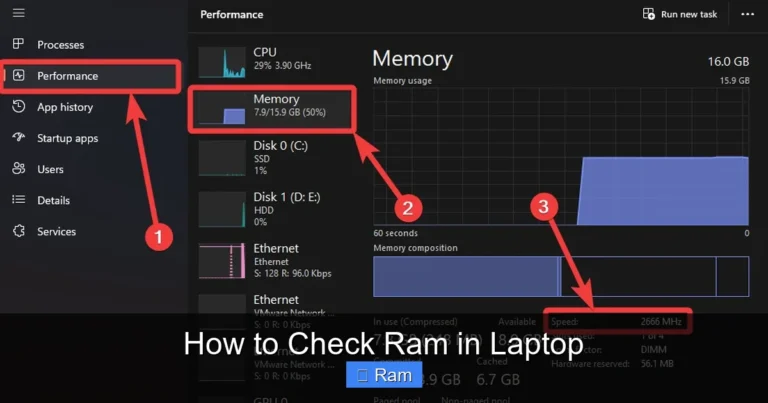
You can also use built-in tools on your computer. On Windows, open the Task Manager and go to the Performance tab. Click on Memory to see how many slots are in use and how many are available. On a Mac, click the Apple menu, select About This Mac, and look at the Memory section.
If your laptop has free RAM slots or only one slot filled, you are in luck. You can add or replace RAM sticks to increase your total memory. If all slots are filled and the RAM is soldered, your options are more limited. In that case, you might want to explore other ways to speed up your laptop, such as switching to an SSD or closing unnecessary background programs.
Using System Information Tools
Windows users can type “System Information” in the search bar and open the app. Look for “Installed Physical Memory (RAM)” to see your current total. You will also see how many memory slots your laptop has. This tells you whether you have room to add more RAM.
Mac users can use the built-in “About This Mac” feature. Click the Apple logo in the top left corner and select About This Mac. The overview tab shows your current RAM and whether your Mac allows upgrades. Note that many newer MacBooks have soldered RAM, so upgrades may not be possible.
Types of Laptop RAM You Need to Know
When it comes to laptop ram, not all memory is the same. Different laptops use different types of RAM, and using the wrong kind will not work. Here are the main types you should know about.
DDR4 RAM is the most common type found in laptops made from around 2014 to 2020. It is reliable, widely available, and affordable. Most mid-range laptops use DDR4 memory, and upgrading to DDR4 is straightforward if your laptop supports it.
DDR5 RAM is the newer standard and is starting to appear in modern laptops. It offers faster speeds and better efficiency than DDR4. If you have a newer laptop, it might use DDR5. However, DDR5 RAM is still more expensive and less widely available than DDR4.
DDR3 RAM is an older standard found in laptops from before 2014. While it is still available for purchase, it is becoming less common. If you have an older laptop that uses DDR3, you can still find upgrade options, but they may be limited.
Each type of RAM has different speeds, measured in megahertz (MHz). Higher MHz numbers generally mean faster performance. However, your laptop’s motherboard will only support certain speeds. Always check your laptop’s specifications before buying new RAM.
DDR4 vs DDR5: Which Should You Choose?
If your laptop supports both DDR4 and DDR5, you might wonder which one to pick. DDR5 is the future and offers better performance, but it comes at a higher price. DDR4 is still excellent for most everyday tasks and is much more affordable. For most users, DDR4 provides the best value for money.
If you are a power user who runs demanding applications like video editing software or 3D modeling tools, DDR5 might be worth the investment. But for general use like web browsing, office work, and streaming, DDR4 is more than enough.
How Much RAM Does Your Laptop Actually Need
One of the most common questions people ask is how much RAM they should add. The answer depends on what you use your laptop for. Different tasks require different amounts of memory.
For basic tasks like web browsing, email, and word processing, 8GB of RAM is usually sufficient. Most laptops come with 4GB or 8GB, and upgrading to 8GB can make a noticeable difference if you are currently at 4GB.
For multitasking, moderate gaming, or running creative applications like photo and video editing, 16GB is the sweet spot. This amount of RAM handles most workloads with ease and provides a smooth user experience.
For heavy professional work like 3D rendering, large-scale data analysis, or running virtual machines, 32GB or more may be necessary. These tasks demand a lot of memory, and having enough RAM prevents slowdowns and crashes.
Quick Guide: RAM Amounts by Use Case
- 4GB: Basic tasks only. Web browsing with a few tabs, word processing, and light document editing.
- 8GB: Standard use. Comfortable for most everyday tasks, including light multitasking and casual gaming.
- 16GB: Enthusiast use. Great for multitasking, creative work, moderate gaming, and running multiple applications.
- 32GB: Professional use. Ideal for video editing, 3D modeling, software development, and heavy multitasking.
If you are not sure what you need, start with 8GB and upgrade to 16GB if you find your laptop still struggling. It is always easier to add more RAM later than to have too little from the start.
Step-by-Step Guide to Upgrading Your Laptop RAM
Upgrading your laptop RAM is one of the most satisfying DIY tech projects you can do. It does not require advanced technical skills, and most people can complete the process in about 20 to 30 minutes. Here is a step-by-step guide to help you through it.
Step 1: Gather Your Tools
Before you start, make sure you have the right tools. You will need a small Phillips-head screwdriver, an anti-static wrist strap (optional but recommended), and your new RAM sticks. Make sure the RAM you purchased matches your laptop’s specifications in terms of type, speed, and capacity.
Step 2: Back Up Your Data
While upgrading RAM is very safe and does not affect your stored data, it is always a good idea to back up your important files first. Use an external hard drive, cloud storage, or a USB flash drive to save anything you cannot afford to lose.
Step 3: Power Down and Unplug
Turn off your laptop completely. Unplug the power adapter and disconnect any external devices. If your laptop has a removable battery, take it out. This ensures safety while you are working inside the machine.
Step 4: Open the Laptop Back Panel
Locate the screws on the bottom of your laptop that hold the back panel in place. Use your screwdriver to carefully remove them. Keep the screws in a safe place. Gently pry off the back panel using a plastic spudger or your fingernail. Be careful not to damage the panel or the clips holding it in place.
Step 5: Locate the RAM Slots
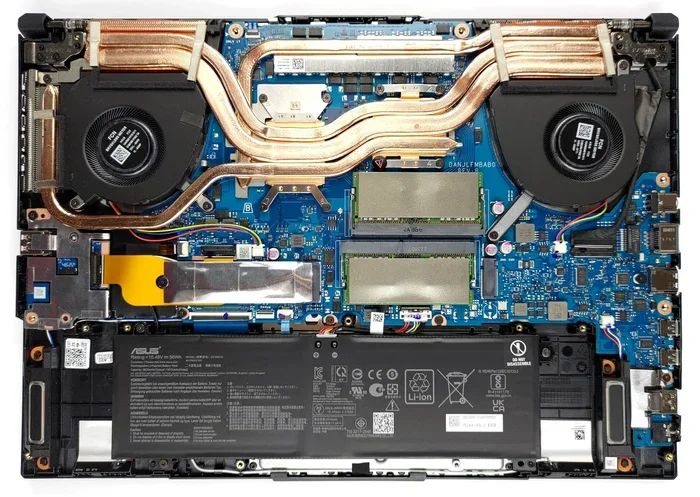
Once the back panel is off, you should see the laptop’s internal components. The RAM sticks are long, thin modules that slide into slots on the motherboard. They are usually held in place by small clips on either side.
Step 6: Remove Old RAM (If Necessary)
If you are replacing existing RAM, gently push the clips on either side of the RAM stick outward. The stick will pop up at an angle. Carefully pull it out of the slot. If you are adding RAM to an empty slot, you can skip this step.
Step 7: Insert New RAM
Align the new RAM stick with the slot. Make sure the notch on the RAM module matches the key in the slot. Press the RAM firmly and evenly into the slot at a 45-degree angle. When it clicks into place, gently push it down flat. The clips on either side should snap back into place automatically.
Step 8: Close Up and Test
Replace the back panel and screw it back in. Reconnect the battery if you removed it. Plug in your power adapter and turn on the laptop. Once it boots up, check the RAM in your system settings to confirm the new memory is recognized. If everything looks good, you are all set.
Need more detailed instructions for your specific laptop model? Check out our guide on Can I Upgrade Ram In My Laptop for model-specific tips and tricks.
How Much Does It Cost to Upgrade Laptop RAM
One of the best things about upgrading laptop RAM is the affordability. RAM is one of the cheapest components to upgrade, and the performance gains can be significant. The cost depends on the type and amount of RAM you need.
A single 8GB DDR4 RAM stick typically costs between $20 and $40. If you need two sticks for a dual-channel setup, you can expect to pay around $40 to $80 total. DDR5 RAM is a bit more expensive, with 8GB sticks ranging from $35 to $60 each. Older DDR3 RAM is still available but may be harder to find and slightly more expensive due to lower demand.
Compared to buying a new laptop, the cost of a RAM upgrade is minimal. A new laptop can cost anywhere from $400 to $1,500 or more. For a fraction of that price, you can significantly improve your current laptop’s performance. This makes RAM upgrades one of the best values in computer hardware.
Keep in mind that prices can vary based on brand, speed, and where you shop. Popular retailers like Amazon, Best Buy, and Newegg all carry laptop RAM. Always compare prices and read reviews before making a purchase.
Where to Buy Laptop RAM
- Amazon: Wide selection, competitive prices, and fast shipping.
- Best Buy: In-store availability and easy returns.
- Newegg: Great for tech enthusiasts looking for specific specs.
- Manufacturer websites: Some laptop brands sell RAM directly that is guaranteed to be compatible.
If you want to learn more about the maximum RAM capacity for different laptops, visit our page on How Much Ram Can A Laptop Have. It covers the limits for popular models and brands.
Common Mistakes to Avoid When Upgrading Laptop RAM
Upgrading RAM is relatively simple, but there are a few common mistakes that can cause problems. Avoiding these pitfalls will save you time, money, and frustration.
Buying the wrong RAM type: This is the most common mistake. DDR4 and DDR5 RAM are not interchangeable. Make sure you know exactly which type your laptop supports before you buy. Mixing different RAM types will not work and could damage your system.
Ignoring maximum capacity limits: Every laptop has a maximum RAM capacity. If you buy a 32GB stick but your laptop only supports 16GB, the extra memory will not be used. Always check your laptop’s maximum supported RAM before purchasing.
Not matching RAM speeds: While mixing different RAM speeds is sometimes possible, it is best to use matching sticks. Mismatched speeds can cause instability and reduce the performance benefits of your upgrade.
Skipping the anti-static precaution: Static electricity can damage sensitive electronic components. Always touch a grounded metal surface before handling RAM or other internal components. An anti-static wrist strap is a cheap and effective way to protect your hardware.
Forcing the RAM into the slot: RAM should slide in smoothly with firm, even pressure. If it does not fit, do not force it. Double-check the alignment and try again. Forcing RAM can bend the pins and ruin the module.
For more tips on adding memory to your laptop, check out our guide on Can I Add Ram To My Laptop. It covers common pitfalls and best practices for a successful upgrade.
Benefits of Upgrading Your Laptop RAM
Upgrading your laptop RAM comes with several tangible benefits that you will notice in your daily use. Here are the key advantages of adding more memory to your machine.
Faster multitasking: More RAM allows your laptop to keep more applications open at the same time without slowing down. You can switch between tabs, programs, and windows seamlessly.
Smoother performance: Applications load faster, files open quicker, and your overall experience feels more responsive. This is especially noticeable on older laptops that originally came with limited memory.
Better gaming performance: While RAM alone does not make a laptop a gaming machine, having enough memory prevents stuttering and lag during gameplay. Many modern games recommend 16GB of RAM for a smooth experience.
Extended laptop lifespan: Instead of replacing your laptop every few years, a RAM upgrade can keep it running well for several more years. This saves you money and reduces electronic waste.
Improved video and photo editing: Creative applications like Adobe Premiere Pro and Photoshop use a lot of memory. More RAM means smoother playback, faster rendering, and fewer crashes when working with large files.
If you are still wondering whether upgrading is worth it for your specific situation, take a look at our article on Can You Upgrade Laptop Ram. It provides additional insights and real-world examples of performance improvements.
When Upgrading RAM Won’t Help
While upgrading RAM is beneficial in many cases, it is not a magic fix for every laptop problem. There are situations where adding more memory will not make a noticeable difference.
If your laptop already has enough RAM for your tasks, adding more will not speed things up. For example, if you use your laptop for basic web browsing and it already has 16GB of RAM, upgrading to 32GB will not make your browsing experience faster.
If your laptop’s slowdown is caused by a slow hard drive, upgrading RAM will not solve the problem. In this case, switching to a solid-state drive (SSD) is the better solution. Similarly, if your processor is outdated, more RAM will not compensate for its limitations.
It is also worth noting that some laptops have their RAM soldered to the motherboard. In these cases, upgrading is simply not possible. This is common in many thin and light laptops, including some models from Apple, Dell XPS, and HP Spectre. Always verify your laptop’s upgradeability before purchasing RAM.
Final Thoughts on Upgrading Laptop RAM
The question can laptop ram be upgraded has a clear answer for most users: yes, it can. Upgrading your laptop RAM is one of the easiest, most affordable, and most effective ways to improve your computer’s performance. Whether you are dealing with slow speeds, frequent crashes, or simply want to future-proof your machine, adding more memory is a smart investment.
Start by checking your laptop’s compatibility. Find out what type of RAM it uses, how many slots are available, and what the maximum supported capacity is. Then, purchase the right RAM sticks and follow the installation steps carefully. The entire process is straightforward and does not require any special technical expertise.
Remember, a RAM upgrade is not always the solution. If your laptop has other issues like an old processor or a failing hard drive, you may need to address those as well. But for most users experiencing slow performance, adding more RAM will make a real and noticeable difference.
Take the time to research your specific laptop model, buy the right components, and enjoy the benefits of a faster, more capable machine. Your wallet will thank you, and your laptop will feel like new again.
For additional resources on laptop memory, you can also visit our guide on Can You Add Ram To A Laptop for more detailed information on different upgrade scenarios.
Frequently Asked Questions
Can I upgrade the RAM on any laptop?
No, not all laptops allow RAM upgrades. Some models have soldered RAM that cannot be removed or replaced. Check your laptop’s specifications on the manufacturer’s website to confirm whether your model supports RAM upgrades.
How do I know what type of RAM my laptop needs?
You can check your laptop’s user manual, visit the manufacturer’s website, or use built-in system tools like Task Manager on Windows or About This Mac on macOS. Look for details about RAM type, speed, and maximum supported capacity.
Is it worth upgrading laptop RAM?
Yes, upgrading laptop RAM is worth it for most users. It is affordable, easy to do, and can significantly improve performance. If your laptop is slow or struggles with multitasking, adding more RAM is one of the best upgrades you can make.
How much does it cost to upgrade laptop RAM?
A single 8GB DDR4 RAM stick typically costs between $20 and $40. Most users can complete a full upgrade for $40 to $80. DDR5 RAM is slightly more expensive but offers better performance for modern laptops.
Can I mix different RAM sticks in my laptop?
You can mix RAM sticks, but it is best to use matching modules in terms of type, speed, and capacity. Mismatched RAM can sometimes cause instability or prevent dual-channel mode from working properly.
How long does it take to upgrade laptop RAM?
Most people can upgrade their laptop RAM in about 20 to 30 minutes. The process involves opening the back panel, removing old RAM if needed, inserting new sticks, and closing everything back up. It is one of the quickest and easiest laptop upgrades you can do.
=== CONCLUSION ===
Can laptop ram be upgraded? Yes, and it is one of the best investments you can make for your laptop. Whether you are looking to speed up a sluggish machine or prepare your laptop for heavier workloads, upgrading your RAM delivers real results. The process is affordable, straightforward, and accessible to users of all skill levels. Do your research, buy the right components, and enjoy a faster, more responsive laptop. Your upgraded machine will thank you every day.