Difference Between Component Speakers and Coaxial Speakers
Component speakers separate tweeters and woofers for clearer highs and deeper lows, while coaxial speakers house both drivers in one unit for easy installation. Choosing the right type depends on your vehicle, budget, and sound‑quality goals.
Key Takeaways
- Design: Component speakers use separate tweeter and woofer, coaxial speakers combine them in one cone.
- Sound Quality: Components deliver superior imaging and frequency response; coaxials are adequate for most casual listeners.
- Installation: Coaxials are plug‑and‑play; components often need custom mounting and wiring.
- Cost: Component kits cost more but offer performance gains; coaxials are budget‑friendly.
- Upgrade Path: Components allow future upgrades of individual drivers; coaxials require full‑unit replacement.
- Space Requirements: Components need more room and precise placement; coaxials fit most factory locations.
- Best Use Cases: High‑end car audio and home theater favor components; daily commuters and stock cars benefit from coaxials.
📑 Table of Contents
- Introduction: Why the Choice Matters
- 1. Anatomy of the Two Speaker Types
- 2. Sound Quality: How the Design Impacts Audio
- 3. Installation: Ease vs. Customization
- 4. Cost Considerations
- 5. When to Choose Each Type
- 6. Enhancing Your System: Accessories and Upgrades
- Conclusion: Pick the Right Path for Your Ears
Introduction: Why the Choice Matters
When you sit behind the wheel and crank up your favorite track, the sound that fills the cabin can make or break the driving experience. Two words you’ll often see on product pages are “component” and “coaxial.” At first glance they seem interchangeable, but the difference between component speakers and coaxial speakers is actually quite profound. Understanding this difference helps you avoid costly mistakes, get the best sound for your budget, and ensure a smooth installation.
In this guide we’ll break down the anatomy of each type, compare performance, discuss installation tips, and help you decide which solution matches your goals. By the end you’ll know exactly why many audiophiles swear by component speakers, while everyday drivers stick with coaxials.
1. Anatomy of the Two Speaker Types
1.1 What Is a Component Speaker?
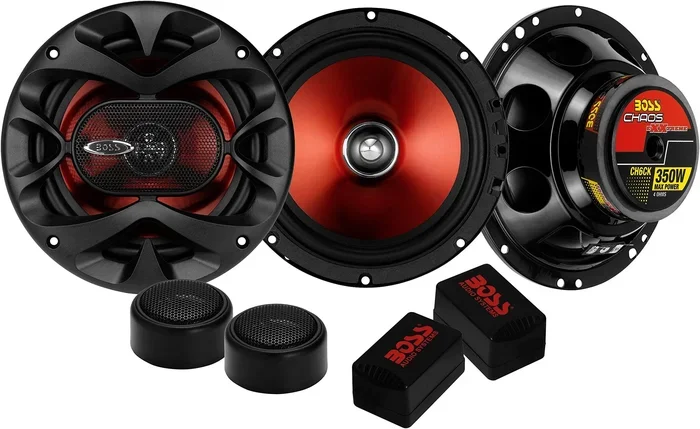
A component speaker system consists of at least two separate drivers: a dedicated tweeter for high frequencies and a woofer for mids and lows. Some high‑end kits add a separate mid‑range driver or even a subwoofer. Each driver is mounted on its own bracket, allowing precise positioning on the door or fender. The drivers are linked by a crossover network that routes the appropriate frequencies to each driver.
1.2 What Is a Coaxial Speaker?
Coaxial (or “co‑ax”) speakers combine the tweeter and woofer into a single unit. The tweeter sits in the center of the woofer cone, sharing the same axis—hence the name “coaxial.” The crossover is built into the speaker, so the whole package works as one piece.
1.3 Visual Comparison
- Component: Separate tweeter + separate woofer + external crossover.
- Coaxial: One housing, tweeter mounted on woofer, internal crossover.
2. Sound Quality: How the Design Impacts Audio
2.1 Frequency Response
Because the tweeter in a component system sits on its own bracket, it can be positioned higher and aimed directly at the listener’s ear. This results in a smoother, more extended high‑frequency response. Coaxial tweeters, being recessed in the woofer, often suffer from interference and a slightly rolled‑off treble.
2.2 Imaging and Soundstage
Separate drivers create a clearer “soundstage.” You can hear where each instrument lives in the mix, giving a three‑dimensional feel. Coaxials blend the drivers, which can cause the sound to feel more “in‑your‑face” but less spacious.
2.3 Bass Performance
Both types can produce solid bass if the woofers are of similar size and power. However, component kits often pair the woofer with a dedicated amplifier channel, allowing tighter control and deeper bass.
2.4 Real‑World Example
Imagine listening to a live recording of a jazz band. With component speakers you’ll likely hear the saxophone drifting left, the piano centered, and the drums anchored right—just like in a concert hall. With coaxials, the instruments may blend together, which is acceptable for pop music but less immersive for nuanced genres.
3. Installation: Ease vs. Customization
3.1 Plug‑and‑Play Simplicity
Coaxial speakers are designed to replace factory units with minimal effort. You simply unplug the old speaker and plug in the new one. No wiring changes, no brackets—perfect for DIY beginners.

Visual guide about Difference Between Component Speakers and Coaxial Speakers
Image source: henspark.com
3.2 Custom Mounting for Components
Component speakers require more work: you must mount the tweeter on a bracket, often on the door pillar, and secure the woofer in the factory location or a custom enclosure. Wiring may need a separate crossover and sometimes an external amplifier.
3.3 Tools and Time Needed
- Coaxial: Basic screwdrivers, a panel removal tool, ~30 minutes.
- Component: Screwdrivers, drill (for mounting brackets), wire strippers, ~2–3 hours.
3.4 Helpful Tip
If you’re unsure about drilling holes or routing wires, start with coaxials. You can always upgrade to components later, once you’re comfortable with the process.
4. Cost Considerations
4.1 Pricing Overview
Coaxial speakers typically range from $30 to $150 per pair, depending on brand and power handling. Component kits start around $150 and can exceed $600 for premium brands with separate crossovers and tweeters.
4.2 Long‑Term Value
While components require a higher upfront investment, their modular nature means you can replace a single driver or upgrade the crossover without swapping the entire system. Coaxials often need full replacement if one driver fails.
4.3 Budget Scenarios
- Entry‑Level: Quality coaxials give decent sound for daily commuters.
- Mid‑Range: A modest component kit (e.g., 6‑inch woofers + 1‑inch tweeters) balances cost and performance.
- High‑End: Premium components with custom crossovers and larger woofers deliver audiophile‑grade sound.
5. When to Choose Each Type
5.1 Ideal Situations for Component Speakers
- Building a high‑performance car audio system.
- Seeking precise imaging for home theater or audiophile listening.
- Having space for separate tweeter mounting.
- Willingness to invest time in installation.
5.2 Ideal Situations for Coaxial Speakers
- Replacing factory speakers in a stock vehicle.
- Limited installation time or experience.
- Budget constraints.
- Need for a compact solution in tight spaces.
5.3 A Quick Decision Matrix
| Priority | Component | Coaxial |
|---|---|---|
| Sound Quality | High | Moderate |
| Installation Ease | Complex | Simple |
| Cost | Higher | Lower |
| Space | More Required | Less Required |
6. Enhancing Your System: Accessories and Upgrades
6.1 Crossovers
For component speakers, a good crossover is essential. It ensures the tweeter receives only high frequencies, protecting it from damage and improving clarity. Look for adjustable crossovers if you plan to fine‑tune your setup.
6.2 Amplifiers
Components often benefit from a dedicated amp channel, especially for the woofer. An amp with separate bass and treble controls lets you tailor the sound to your vehicle’s acoustics.
6.3 Mounting Brackets and Speaker Stands
Proper mounting reduces vibration and improves imaging. Check out speaker stands for surround speakers for ideas on custom brackets that keep tweeters at ear level.
6.4 Matching Impedance and Power
Make sure the speaker impedance (usually 4 Ω or 8 Ω) matches your amp’s output. Mismatched impedance can cause distortion or even damage equipment. The article does wattage matter for car speakers explains this in depth.
6.5 Crossover Alternatives
If you prefer a simpler setup, some manufacturers sell “plug‑and‑play” crossovers that snap into the speaker harness, offering a middle ground between full component kits and coaxials.
Conclusion: Pick the Right Path for Your Ears
The difference between component speakers and coaxial speakers boils down to design, sound quality, installation effort, and cost. Component speakers shine when you crave high fidelity, precise imaging, and are ready to invest time and money. Coaxial speakers excel in convenience, affordability, and space‑limited applications.
Take a moment to assess your vehicle, budget, and audio goals. If you’re ready to dive into a custom build, start with a solid component kit and plan for proper mounting and crossover selection. If you just want a quick upgrade that sounds good enough for daily drives, high‑quality coaxials will serve you well.
Whichever route you take, remember that good sound also depends on proper wiring, matching power, and fine‑tuning. Happy listening!
Frequently Asked Questions
What is the main advantage of component speakers over coaxial speakers?
Component speakers use separate tweeters and woofers, allowing each driver to be positioned for optimal sound, which results in clearer highs, better imaging, and a wider soundstage.
Are coaxial speakers easier to install?
Yes, coaxial speakers are designed as direct replacements for factory units. They usually require no additional brackets or crossovers, making them a plug‑and‑play solution.
Do component speakers require an external amplifier?
While not mandatory, pairing component woofers with a dedicated amp channel often yields better control, higher power handling, and improved bass response.
Can I mix component and coaxial speakers in the same car?
Technically you can, but mismatched drivers and crossovers can lead to uneven sound. It’s best to use the same type throughout for consistent tonal balance.
How does speaker impedance affect my choice?
Match the speaker’s impedance (4 Ω or 8 Ω) with your amplifier’s specifications. Incorrect pairing can cause distortion or damage to the amp.
Is it worth upgrading to component speakers for a stock car?
If you value high‑fidelity audio and are comfortable with a more involved installation, component speakers can dramatically improve sound quality even in a stock vehicle.




One Comment