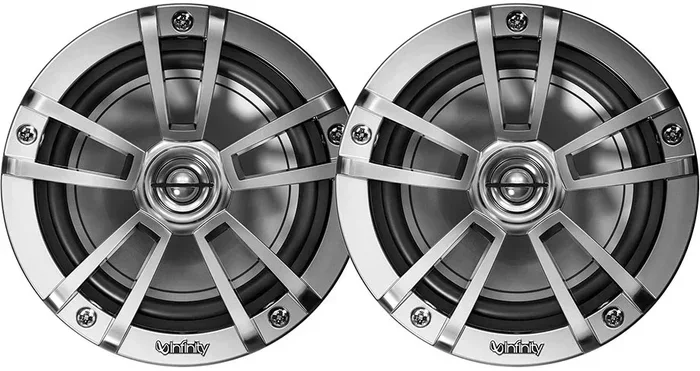
Difference Between Coaxial Speakers and Component

Coaxial speakers combine tweeter and woofer in one unit, making them simple and space‑saving, while component speakers separate each driver for superior sound staging and clarity. Choosing the right type depends on your vehicle, budget, and audio goals.
Key Takeaways
- Design simplicity: Coaxial speakers are all‑in‑one units; component sets use separate tweeters, woofers, and crossovers.
- Soundstage: Component systems deliver a wider, more precise soundstage thanks to dedicated drivers.
- Installation flexibility: Components require more mounting work but allow optimal placement.
- Cost factor: Coaxials are usually cheaper, while high‑end components can cost several times more.
- Power handling: Component woofers often handle more RMS power, giving louder, cleaner bass.
- Vehicle fit: Factory‑installed coaxials are common; custom installs favor components.
- Upgrade path: Switching from coaxial to component is a common upgrade for audiophiles.
📑 Table of Contents
- Introduction: Why the Speaker Choice Matters
- 1. Anatomy of Coaxial Speakers
- 2. Anatomy of Component Speakers
- 3. Sound Quality: Direct Comparison
- 4. Installation Considerations
- 5. Cost and Value
- 6. Real‑World Tips for Choosing the Right System
- Conclusion: Which Path Leads to Your Perfect Sound?
- Related Reading
Introduction: Why the Speaker Choice Matters
When you sit behind the wheel and press play, you expect the music to sound just right. Yet many drivers overlook the fact that the speakers themselves shape every note, from the deepest bass thump to the sparkle of a high‑hat cymbal. Two main families dominate the car‑audio market: coaxial (or “full‑range”) speakers and component speaker systems. Both promise great sound, but they achieve it in very different ways.
In this guide we’ll walk through the anatomy of each type, compare performance, installation, cost, and durability, and give you practical tips so you can decide which setup fits your car, your ears, and your wallet.
1. Anatomy of Coaxial Speakers
1.1 What Is a Coaxial Speaker?
A coaxial speaker, often called a “full‑range” speaker, packs a tweeter (high‑frequency driver) directly in the center of a woofer (mid‑bass driver). The two drivers share the same mounting point and magnet assembly, which is why the design is called “coaxial” – the drivers sit on the same axis.

Visual guide about Difference Between Coaxial Speakers and Component
Image source: selfpage-gips.cdn.bcebos.com
1.2 Common Configurations
- 2‑way coaxial: One tweeter + one woofer (most common).
- 3‑way coaxial: Adds a small mid‑range driver for extra detail.
- Size range: From tiny 3‑inch door‑panel units to larger 6.5‑inch “premium” models.
1.3 How It Works
Because the tweeter sits in the center of the woofer, both drivers fire from the same point in space. This simplifies crossover design – the built‑in passive crossover routes low frequencies to the woofer and high frequencies to the tweeter.
2. Anatomy of Component Speakers
2.1 What Is a Component System?
Component speakers separate each driver into its own enclosure. A typical set includes:
- Woofer (or mid‑bass driver): Handles low‑mid frequencies.
- Tweeter: Usually a dome or horn, mounted on the dashboard or A‑pillar for optimal imaging.
- External crossover: A dedicated unit that splits the audio signal before it reaches each driver, allowing precise control over frequency bands.
2.2 Placement Benefits
Since tweeters can be placed higher and farther apart than a coaxial’s central tweeter, component systems create a wider “sweet spot” for the listener. This mimics a home‑theater setup, where speakers are spaced apart to produce a realistic soundstage.
2.3 Typical Sizes
Most component woofers are 6.5 inches, paired with 1‑inch dome tweeters. Some high‑end kits use 6×9‑inch woofers for deeper bass.
3. Sound Quality: Direct Comparison
3.1 Frequency Response
Coaxial speakers often have a smoother roll‑off at the high end because the tweeter is small and shares the same magnet. Component tweeters, being larger and placed in a better acoustic environment, usually extend 20 kHz + with less distortion.

Visual guide about Difference Between Coaxial Speakers and Component
Image source: c-ssl.duitang.com
3.2 Imaging and Soundstage
Because component tweeters are spaced apart, they produce a more realistic left‑right image. Imagine hearing a guitar solo: with components, the sound seems to come from a specific location in the car, while coaxials tend to blend the sound into a single point.
3.3 Bass Performance
Component woofers are often built with stronger cones and larger magnets, allowing higher RMS power handling. This translates to louder, tighter bass with less distortion at high volumes. Coaxial woofers can still deliver solid bass, but they may “muddy” when pushed hard.
4. Installation Considerations
4.1 Ease of Installation
Coaxial speakers are a plug‑and‑play upgrade. You remove the factory speaker, bolt the new unit in, and connect the existing wiring. No extra wiring or crossovers are needed.
4.2 Installation Complexity for Components
Component systems require more steps:
- Mount the woofers in the original speaker locations.
- Run separate wires to the tweeters, which are often mounted on the dash or A‑pillars.
- Install an external crossover and connect each driver to its appropriate channel.
- Fine‑tune crossover settings for optimal balance.
If you’re comfortable with basic car‑audio wiring, the process is manageable. Otherwise, many enthusiasts enlist a professional installer.
4.3 Space and Compatibility
Some cars have limited depth in the door panels, making larger component woofers a tight fit. In such cases, coaxials or low‑profile component kits are the better choice.
5. Cost and Value
5.1 Price Ranges
- Coaxial speakers: $30‑$150 per pair for entry‑level to mid‑range models.
- Component sets: $150‑$600 per set, not including the crossover (often $30‑$100).
5.2 Long‑Term Value
While component systems cost more upfront, they tend to retain value for audiophiles who upgrade later. Coaxial upgrades are easier to replace, but the performance ceiling is lower.
6. Real‑World Tips for Choosing the Right System
6.1 Assess Your Listening Priorities
- If you mainly listen to talk radio and occasional pop, coaxials are more than sufficient.
- If you crave immersive music, especially genres with intricate instrumentation, components will reward you.
6.2 Match Power to Your Amplifier
Check the RMS rating of the speakers and ensure your amp can deliver clean power within that range. Over‑driving a coaxial can cause distortion, while an under‑powered component set may never reach its potential.
6.3 Consider Vehicle Acoustics
Hard‑surface interiors (metal dashboards, thin doors) can cause reflections that blur high frequencies. Properly placed component tweeters can mitigate this, while coaxials may sound harsher.
6.4 Use Quality Wiring and Connectors
Even the best speakers will suffer from poor wiring. Use 16‑gauge or thicker speaker wire for woofers and 18‑gauge for tweeters. Secure connections with solder or high‑grade crimp connectors.
6.5 Test Before You Commit
Many auto‑parts stores let you audition speakers. Bring a playlist that covers bass, midrange, and treble, and listen from the driver’s seat. Notice where the sound feels most natural.
Conclusion: Which Path Leads to Your Perfect Sound?
Both coaxial and component speaker systems have their place in the car‑audio world. Coaxials win on simplicity, space‑efficiency, and price—making them ideal for daily drivers, budget builds, or anyone who wants a quick upgrade. Component systems, on the other hand, deliver superior imaging, clearer highs, and stronger bass, rewarding those who are willing to invest time (or money) in a more involved installation.
Ask yourself: Do you value convenience or audio fidelity? Do you have the space and willingness to mount tweeters? Is your budget flexible? Answering these questions will point you toward the right choice. And remember, the best system is the one you’ll enjoy every time you hit the road.
Related Reading
- 2 8 Ohm Speakers In Series – Learn how speaker impedance affects amp matching.
- Why Do My Speakers Crackle – Troubleshoot common audio issues after installing new speakers.
- Recommended Car Amp For 6 Speakers – Pair your new speakers with a suitable amplifier.
Frequently Asked Questions
What is the main difference between coaxial and component speakers?
Coaxial speakers combine the tweeter and woofer in one unit, while component systems separate each driver and use an external crossover for better sound staging.
Can I install component speakers in a car that originally had coaxial speakers?
Yes, most cars can accommodate component woofers in the factory speaker locations, but you’ll need to find suitable mounting spots for the tweeters and run additional wiring.
Do component speakers require a separate amplifier?
Not necessarily, but a quality amp that matches the RMS ratings of both the woofers and tweeters will unlock the full potential of a component system.
Are coaxial speakers louder than component speakers?
Not inherently. Loudness depends on power handling and efficiency. Component woofers often handle more power, allowing higher clean volume.
How do I choose the right crossover for a component system?
Select a crossover that matches the frequency ranges of your specific drivers (e.g., 2 kHz for the tweeter). Many manufacturers provide recommended crossover points.
Will upgrading to component speakers improve my car’s resale value?
High‑quality audio upgrades can be a selling point for enthusiasts, but the impact varies. Keeping original equipment and offering the upgrade as an option often yields the best resale outcome.