Do Chromebooks Have Usb Ports

Yes, Chromebooks have USB ports, and most modern models offer both USB-C and USB-A options. These ports let you connect external storage, peripherals, and accessories with ease. Understanding your Chromebook’s port options helps you get the most out of your device.
You just unboxed your new Chromebook and want to plug in a flash drive, an external hard drive, or maybe a mouse. But wait. Do Chromebooks have USB ports? This is one of the first questions new users ask, and the answer is a reassuring yes.
Chromebooks come with USB ports, but the type and number depend on the model and brand. Some Chromebooks use the newer USB-C standard, while others still offer the familiar USB-A ports. Knowing what ports your device has makes a big difference in how you use it every day.
In this guide, we will walk you through everything you need to know about USB ports on Chromebooks. We will cover the different port types, what you can connect, and how to get the best performance from your connections. Whether you are a student, a professional, or just someone who likes a simple laptop, this article has you covered.
Key Takeaways
- USB Ports Are Standard: Nearly every Chromebook includes at least one USB port for connecting devices and accessories.
- USB-C Is the New Norm: Most modern Chromebooks feature USB-C ports for faster data transfer and charging.
- USB-A Ports Still Exist: Some models still include traditional USB-A ports for backward compatibility.
- Adapters Expand Options: USB adapters and docking stations can add extra ports and connectivity flexibility.
- Check Your Model: Port availability varies by Chromebook model, so always verify before purchasing accessories.
- External Storage Works Great: USB ports support flash drives, external SSDs, and hard drives for extra storage.
📑 Table of Contents
- What Types of USB Ports Do Chromebooks Have?
- What Can You Connect to a Chromebook USB Port?
- How Many USB Ports Do Chromebooks Typically Have?
- Do All Chromebook Models Have the Same Ports?
- USB Adapters and Expanders for Chromebooks
- Common USB Port Issues on Chromebooks
- Tips for Getting the Most Out of Your Chromebook USB Ports
- Final Thoughts
What Types of USB Ports Do Chromebooks Have?
Chromebooks use different types of USB ports depending on the model and price range. The two main types you will encounter are USB-C and USB-A. Let us look at each one in detail.
USB-C Ports
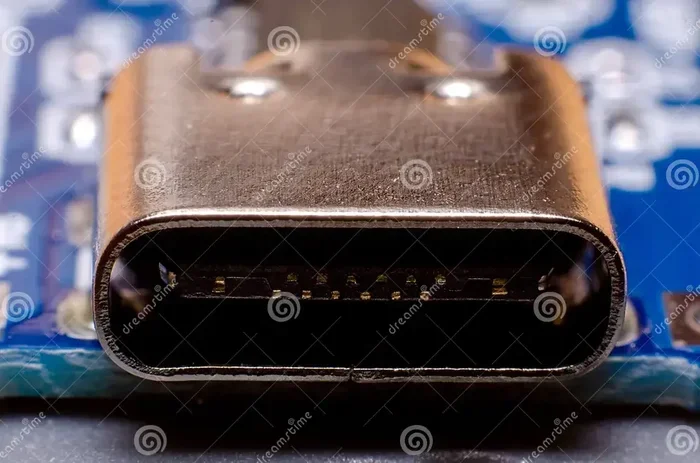
USB-C is the most common port on modern Chromebooks. It is small, reversible, and supports fast data transfer. Most new Chromebooks released in the last few years feature at least one or two USB-C ports. These ports handle data, video output, and charging all in one cable.
USB-C ports on Chromebooks typically support USB 3.0, USB 3.1, or even USB 3.2 standards. This means you can transfer files quickly and charge your device at the same time. If you want to connect an external drive, a USB-C connection is your best bet for speed and convenience.
USB-A Ports
USB-A is the traditional rectangular port that most people recognize. Some Chromebooks still include one or two USB-A ports, especially in the mid-range and budget categories. These ports work well for connecting older accessories like flash drives and mice that use the standard USB-A connector.
However, USB-A ports on Chromebooks tend to be older standards like USB 2.0 or USB 3.0. They are slower than USB-C but still perfectly fine for everyday tasks like transferring documents or plugging in a keyboard.
What Can You Connect to a Chromebook USB Port?
The USB ports on a Chromebook are versatile. You can connect a wide range of devices and accessories. Here are the most common things people plug into their Chromebook USB ports.
External Storage Devices
One of the most popular uses for USB ports on a Chromebook is connecting external storage. You can plug in a flash drive, an external hard drive, or even an external SSD. This is great for backing up files, transferring large documents, or expanding your storage space.
If you want to connect an NVMe SSD through a USB adapter, options like an M.2 NVMe SSD to USB 3.1 adapter work well with Chromebooks. Just make sure your Chromebook supports the file system of the drive you are connecting.
Peripheral Devices
Chromebook USB ports work perfectly with peripherals. You can connect a mouse, keyboard, webcam, or even a printer. Many users prefer wireless peripherals, but USB connections offer a reliable, lag-free alternative.
Docking Stations and Hubs
If your Chromebook has limited ports, a USB hub or docking station is a great solution. These devices expand your connectivity options by adding extra USB ports, HDMI outputs, and even Ethernet connections. They plug directly into your Chromebook’s USB port and instantly give you more options.
How Many USB Ports Do Chromebooks Typically Have?
The number of USB ports varies widely across Chromebook models. Here is a general breakdown of what to expect.
Budget Chromebooks
Budget Chromebooks usually have two to three ports total. You might find one USB-A port and one USB-C port. These machines focus on basic functionality, and the limited ports are part of keeping the cost low.
Mid-Range Chromebooks
Mid-range models often offer two USB-C ports and one USB-A port. This gives you a nice balance of modern and legacy connectivity. You can charge your device, transfer files quickly, and still use older accessories without any hassle.
Premium Chromebooks
Premium and high-end Chromebooks, like the lightest Chromebooks on the market, tend to have fewer but more versatile ports. You might find two USB-C ports and nothing else. The trade-off is that USB-C handles everything from data transfer to charging to video output.
Do All Chromebook Models Have the Same Ports?
No, they do not. Every Chromebook model is different, and port layouts vary significantly. Some models from brands like Acer, Samsung, HP, Lenovo, and Asus offer different combinations of ports based on their target audience and price point.
Before buying a Chromebook or any accessory, always check the specifications of your specific model. If you are checking whether a Chromebook has an SSD for storage, that is a different topic altogether. You can read more about Do Chromebooks Have SSD to understand the full picture of Chromebook hardware.
Why Port Layout Matters
The port layout affects how you use your Chromebook daily. If you need to connect multiple devices at once, having more ports saves you from constantly plugging and unplugging. If you travel often, fewer ports mean less clutter but may require a hub or adapter on the go.
USB Adapters and Expanders for Chromebooks
Sometimes your Chromebook does not have enough ports, or it only has USB-C while your accessory uses a different connection. This is where adapters come in handy.
USB-C to USB-A Adapters
A simple USB-C to USB-A adapter lets you use older USB-A devices with a modern USB-C-only Chromebook. These adapters are small, affordable, and easy to carry in your bag.
USB-C Hubs and Multiport Adapters
A USB-C hub adds multiple ports to your Chromebook in one compact device. Most hubs include extra USB-A ports, an HDMI output, an SD card reader, and sometimes even an Ethernet port. These are perfect for users who need to connect several devices at once.
NVMe SSD Enclosures
If you want to use a fast NVMe SSD with your Chromebook, you need the right enclosure. An M.2 NVMe SSD enclosure with USB 3.1 connection gives you external storage that is as fast as an internal drive. Just be sure the enclosure is compatible with your Chromebook’s USB-C ports.
Common USB Port Issues on Chromebooks
Even though USB ports are simple devices, sometimes things go wrong. Here are the most common issues and quick fixes.
Device Not Recognized
If your Chromebook does not recognize a USB device, try unplugging it and plugging it back in. Sometimes a different USB port works better, especially if one port is used for charging. Restarting your Chromebook can also help reset the connection.
Slow Transfer Speeds
Slow file transfers usually happen when using a USB 2.0 port or an old flash drive. To get faster speeds, use a USB-C port or a USB 3.0 or higher port. Also, make sure your external drive is in good condition and not nearly full.
Adapter Compatibility Problems
Not all adapters work perfectly with every Chromebook. Cheap adapters can cause connection drops or slow speeds. Always buy adapters from reputable brands and check for compatibility with your specific Chromebook model.
Tips for Getting the Most Out of Your Chromebook USB Ports
Here are some practical tips to help you use your Chromebook USB ports effectively and avoid common pitfalls.
- Use USB-C for speed. Whenever possible, connect devices to USB-C ports for the fastest data transfer and charging speeds.
- Keep a small USB hub in your bag. A compact USB-C hub solves the problem of limited ports and gives you flexibility wherever you go.
- Label your adapters. If you have multiple adapters, label them so you always know which one works with which device.
- Eject devices properly. Always safely eject USB devices before unplugging them to prevent data loss or corruption.
- Check port specifications. Before buying an accessory, confirm what type of USB port your Chromebook has. This saves time and money.
Final Thoughts
The answer to “do Chromebooks have USB ports” is a clear yes. Every Chromebook comes with at least one USB port, and most modern models offer both USB-C and USB-A options. These ports make your Chromebook a versatile device that can handle everything from simple file transfers to connecting complex peripherals and external storage.
Whether you use a budget model or a premium machine, understanding your port options helps you get more done with less hassle. With the right adapter or hub, you can expand your connectivity and turn your Chromebook into a powerful workstation. The key is knowing what your specific model offers and choosing accessories that match your needs.
So the next time you wonder whether your Chromebook can handle that external drive, flash drive, or docking station, you will know exactly what to expect. Your Chromebook is ready to connect, and now you are ready to use it.
Frequently Asked Questions
Do all Chromebooks have USB-C ports?
Most modern Chromebooks have at least one USB-C port. However, older or very budget models may only include USB-A ports. Always check your specific model’s specifications before assuming.
Can I use a USB hub with a Chromebook?
Yes, you can. USB hubs work great with Chromebooks and expand your connectivity options. Just make sure the hub is compatible with your Chromebook’s USB port type, whether it is USB-C or USB-A.
Why is my USB device not showing up on my Chromebook?
This can happen for several reasons. Try a different USB port, restart your Chromebook, or check if the device works on another computer. Sometimes a simple reconnection fixes the issue.
Can I connect an external SSD to a Chromebook via USB?
Absolutely. Chromebooks support external SSDs connected through USB ports. For the best speeds, use a USB-C port and an SSD with a USB 3.0 or higher connection standard.
Are USB-C and Thunderbolt the same thing on Chromebooks?
No, they are not the same. USB-C is a connector type, while Thunderbolt is a protocol that sometimes uses the USB-C connector. Not all Chromebook USB-C ports support Thunderbolt, so check your model’s specs.
How do I transfer files from a USB flash drive to my Chromebook?
Simply plug the flash drive into your Chromebook’s USB port. A file manager notification will appear, letting you browse and copy files to your Chromebook’s storage or Google Drive.
=== CONCLUSION ===
Understanding your Chromebook’s USB ports is essential for getting the most out of your device. From connecting external storage to using docking stations and adapters, the right knowledge makes every connection seamless. Always check your model’s specifications, invest in quality adapters, and take advantage of the fast speeds that USB-C offers. Your Chromebook is built to connect, and with the right setup, it will serve you well for years to come.