Free Guest Speakers for Elementary Schools
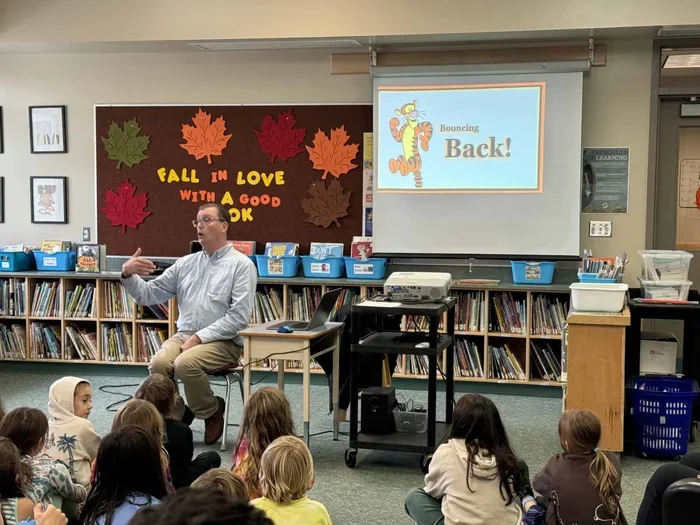
Finding free guest speakers for elementary schools can transform your classroom into a hub of real-world learning. You do not need a big budget to bring experts, storytellers, or community leaders into your lessons. This guide shows you exactly where to look, how to reach out, and how to prepare for a smooth visit. You will walk away with simple steps that save time and spark student curiosity.
Key Takeaways
- Start local: Tap into parents, neighbors, and community groups for easy, no-cost visits.
- Use online directories: Free speaker networks and educational platforms list volunteers ready to help.
- Match speakers to your curriculum: Align visits with science, history, art, or career lessons for maximum impact.
- Prepare students ahead of time: Build background knowledge and questions to keep the session engaging.
- Keep logistics simple: A clear schedule, basic tech check, and friendly welcome go a long way.
- Follow up after the visit: Reflection activities and thank-you notes deepen learning and build relationships.
- Track what works: Keep a simple list of reliable speakers and topics for future planning.
📑 Table of Contents
- Why Free Guest Speakers for Elementary Schools Matter
- Where to Find Free Guest Speakers for Elementary Schools
- How to Choose the Right Speaker for Your Class
- Planning a Smooth Visit From Start to Finish
- Making the Visit Engaging for Young Learners
- Common Mistakes to Avoid
- Expert Insights for Teachers and Coordinators
- After the Visit: Extending the Learning
- Final Thoughts on Free Guest Speakers for Elementary Schools
Why Free Guest Speakers for Elementary Schools Matter
Classroom lessons come alive when students meet real people with real stories. A visitor can turn a plain topic into a memorable experience. Kids ask better questions. They connect book learning to the world outside school walls.
You do not need a big budget to make this happen. Many people want to help young learners. Parents, retirees, local business owners, and community leaders often say yes to a simple invitation. The key is knowing where to look and how to ask.
This guide walks you through the whole process. You will learn where to find volunteers, how to choose the right person, and how to prepare your class. We will also share quick tips, common mistakes, and a few expert insights. By the end, you will feel ready to invite your first guest with confidence.
Where to Find Free Guest Speakers for Elementary Schools
Start with people who already know your school community. Parents and caregivers are a great first stop. Many have interesting jobs, hobbies, or life experiences. A quick email or newsletter blast can open many doors.
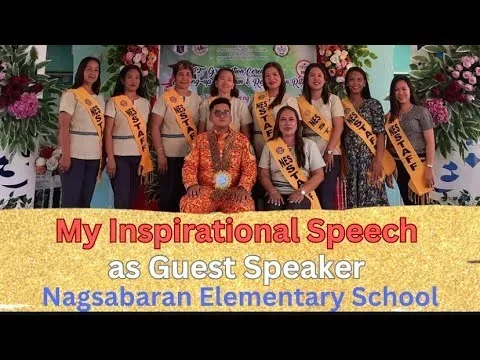
Visual guide about Elementary school guest speaker
Image source: i.ytimg.com
Next, look at local organizations. Libraries, fire stations, nature centers, and museums often have outreach staff. Some send volunteers to classrooms at no cost. Even small shops may send an owner to talk about their work.
Community Networks That Help
Neighborhood groups, faith communities, and service clubs often support schools. Rotary clubs, Kiwanis clubs, and similar groups enjoy youth projects. They may suggest a member who loves talking with kids. You can also ask your district’s family liaison or volunteer coordinator.
Online Resources and Directories
Several free platforms connect classrooms with volunteers. Some focus on career chats. Others offer storytellers, scientists, or artists. When you browse these sites, think about your learning goals first. A clear goal helps you pick the right match.
If you want more ideas for special visitors, you may also enjoy our guide on unique gifts for guest speakers. It shares thoughtful ways to show appreciation after a visit.
How to Choose the Right Speaker for Your Class
Not every visitor fits every lesson. Start by naming your goal. Do you want students to hear about a career? Do you want them to see a science concept in action? Do you want a story that builds listening skills? Your goal shapes your choice.
Next, think about age appropriateness. Young learners need clear language, short segments, and some interaction. A guest who brings a simple demo or a visual aid often does well. Avoid long lectures. Keep it lively and concrete.
Match the Speaker to Your Curriculum
Look for natural links to your current unit. If you teach a weather unit, a local meteorologist or a park ranger may fit. If you study community helpers, a nurse, mail carrier, or librarian could work. When the visit ties to your lessons, students learn more.
You can also build a short list of backup options. Plans change. A speaker may get sick or traffic may run late. Having a second choice saves stress.
Quick Tips for Vetting a Guest
- Ask for a simple bio or a short intro video.
- Confirm the speaker can use kid-friendly language.
- Check that any props, photos, or tools are safe for classrooms.
- Verify the speaker understands your time limit.
- Make sure the topic respects school rules and family expectations.
Planning a Smooth Visit From Start to Finish
A good visit starts with clear planning. Set your date, time, and room setup early. Decide how long the talk will last. Leave a few minutes for questions. Kids need time to think and speak.
Share a simple outline with your guest. Tell them how many students will attend. Mention any special needs in your class. Explain what technology you have, such as a projector or a microphone. Clear details help the visitor feel calm and prepared.
Setting Up the Room
Arrange seats so students can see the speaker easily. If possible, keep the space open for movement or demos. Put a glass of water nearby. Have a sign-in sheet if your school requires it. A small welcome note can also make the guest feel valued.
Technology and Materials
Test your tech before the visit. Check sound, video, and internet access. If the guest plans to show slides, ask for the file ahead of time. Keep a backup plan ready in case a link fails. Simple prep prevents awkward delays.
If your school uses classroom audio tools, you may want to review basic setup ideas. For example, some teachers explore best cheap speakers for pc when they need a quick audio boost for video clips or remote visits.
Making the Visit Engaging for Young Learners
Students stay engaged when they can do something, not just listen. Ask your guest to include a short activity, a show-and-tell item, or a quick demo. Even a simple prop can hold attention.
Help students prepare questions in advance. Teach them how to ask clear, respectful questions. You can practice a few examples as a class. This makes the Q&A time smoother and more meaningful.
Active Listening Strategies
Give students a simple listening task. They might write down three new facts or draw one key idea. A small task keeps minds focused. It also gives you a quick way to check understanding later.
Keep the tone warm and relaxed. Let the guest know it is okay if kids blurt out surprises. Elementary students are curious by nature. A patient visitor can turn that energy into a great discussion.
Common Mistakes to Avoid
Even simple visits can go off track if a few basics slip. One common mistake is waiting too long to invite a speaker. Good guests often book up early. Another mistake is skipping the planning call. A short chat prevents confusion.
Do not overload the schedule. A tight timeline can rush the talk and cut short questions. Also, avoid assuming the guest knows your classroom routines. Explain signals for quiet, transitions, and bathroom breaks if needed.
Common Mistakes Checklist
- Waiting until the last minute to reach out
- Skipping a short planning call or email exchange
- Forgetting to test audio, video, or room setup
- Not preparing students for question time
- Leaving no time for reflection after the visit
If your visit includes sound or music, you may also want to think about basic classroom audio needs. Some educators look at topics like do I need an amplifier for my car speakers when they compare audio setups, and similar thinking can help you choose simple classroom sound tools too.
Expert Insights for Teachers and Coordinators
Experienced teachers often say the best visits feel like conversations, not performances. They invite guests who can share stories, answer honest questions, and show why a topic matters. That approach works well with young learners.
Another helpful insight is to build a small speaker bank. Keep a list of people who enjoyed visiting your class. Note their topics, contact info, and what worked well. Over time, this makes future planning much easier.
Building Long-Term Relationships
A thank-you note goes a long way. Let the guest know what students learned. Share a few drawings or a class photo if your school allows it. When people feel appreciated, they often return for a second visit.
You can also ask your guest for suggestions. They may know another expert or a fun activity for next time. Good relationships grow from simple, respectful follow-up.
After the Visit: Extending the Learning
The learning does not stop when the guest leaves. Use a short reflection activity. Students can write what surprised them, what they want to learn next, or how the visit connects to class work. This helps the experience stick.
You can also turn the visit into a small project. Students might create thank-you cards, draw a diagram, or present one new fact to the class. These follow-up tasks reinforce the message and celebrate the guest’s time.
Simple Follow-Up Ideas
- Write a shared thank-you letter as a class
- Create a “What We Learned” poster
- Have students share one question they still have
- Add the topic to your word wall or science board
- Record a short class summary for parents
Final Thoughts on Free Guest Speakers for Elementary Schools
Bringing in free guest speakers for elementary schools is one of the easiest ways to enrich your classroom. You only need a clear goal, a friendly invitation, and a little planning. When students meet real-world visitors, learning feels bigger and more personal.
Start small. Pick one unit. Reach out to one person. Prepare your class with simple questions and a warm welcome. Over time, you will build a trusted list of guests and topics. That makes each new visit easier and even better.
Frequently Asked Questions
Who can be a free guest speaker for an elementary classroom?
Many people can help, including parents, grandparents, local business owners, retirees, and community organization members. The best choice depends on your lesson goal and the age of your students. Look for someone who can explain ideas in a simple, friendly way.
How far in advance should I invite a guest speaker?
Try to invite your guest at least a few weeks ahead of time. This gives you room to plan and gives the visitor time to prepare. If your schedule is tight, a shorter notice can still work for local volunteers, but early outreach is safer.
What should I tell the guest before the visit?
Share the grade level, class size, time limit, and topic focus. Let the speaker know what technology you have and whether students will ask questions. A short planning email or call can prevent confusion and make the visit smoother.
How do I keep young students engaged during the visit?
Ask the guest to include a prop, demo, story, or quick activity. Give students a listening task, such as noting three facts or drawing one idea. Practice question asking beforehand so the Q&A time feels confident and respectful.
What if the speaker cancels or tech fails on the day?
Have a backup plan ready, such as a related video, a class discussion, or a simple extension activity. Keep a second speaker option in mind when possible. A calm response helps students stay focused even if the plan changes.
How can I thank a guest speaker after the visit?
A handwritten class thank-you note is a simple and meaningful gesture. You can also share what students learned or include a few drawings if your school allows it. Clear appreciation encourages future visits and strengthens community connections.