High Efficiency Speakers for Tube Amps

Finding the right high efficiency speakers for tube amps can transform your listening experience. These speakers work seamlessly with low-power tube amplifiers to deliver rich, dynamic audio without demanding extra wattage. In this guide, you will learn how sensitivity ratings work, what to look for when pairing gear, and how to avoid common setup mistakes.
Key Takeaways
- Sensitivity matters most: Look for speakers rated at 90 dB or higher to pair well with tube amplifiers.
- Impedance matching is critical: Tube amps perform best with 8 ohm or higher speaker loads to maintain stability and tone.
- Room size influences choice: Larger spaces may need more sensitive drivers to fill the room without cranking the volume.
- Cabinet design affects output: Ported and sealed enclosures change bass response and overall efficiency.
- Amplifier synergy is personal: Different tube amps color sound differently, so audition pairs before buying.
- Cable and placement matter: Proper speaker positioning and quality interconnects improve clarity and dynamics.
- Budget wisely: You can find excellent high sensitivity speakers without overspending by focusing on proven designs.
📑 Table of Contents
- Why High Efficiency Speakers for Tube Amps Make Sense
- Understanding Speaker Sensitivity and Efficiency
- Matching Impedance With Tube Amplifiers
- Choosing the Right Speaker Type for Your Room
- Top Traits of Great High Efficiency Speakers for Tube Amps
- Common Mistakes to Avoid
- Real-World Setup Examples
- Budget and Value Considerations
- Final Thoughts on Pairing Tube Amps and Efficient Speakers
Why High Efficiency Speakers for Tube Amps Make Sense
Tube amplifiers have a special charm. They produce warm tones, smooth highs, and a natural feel that many listeners love. Yet they usually deliver less raw power than solid state models. That is exactly why high efficiency speakers for tube amps are such a smart match. When a speaker converts power into sound more easily, your amplifier does not have to work as hard. The result is cleaner output, better dynamics, and a more relaxed listening session.
Think of efficiency as a speaker’s ability to shout without much help. A high sensitivity rating means the speaker produces more volume from the same amount of power. For tube gear, this matters a lot. You get more music per watt, and the amplifier stays in its sweet spot. Many audiophiles find that this pairing brings out the best in both components. The tubes glow, the music breathes, and the soundstage opens up in a very pleasing way.
This combination also suits different listening habits. If you enjoy casual background music, a modest tube amp with efficient speakers can fill a room nicely. If you prefer critical listening at moderate levels, the pairing still shines. You do not need a massive power supply to enjoy engaging audio. You just need the right match between amplifier and speaker.
Understanding Speaker Sensitivity and Efficiency
People often use the words sensitivity and efficiency interchangeably, but they are slightly different. Sensitivity measures how loud a speaker plays at a given distance with a set input. Efficiency describes how well the speaker turns electrical power into acoustic energy. For practical shopping, sensitivity is the number you will see most often. It is usually shown in decibels, or dB, at one watt measured from one meter away.
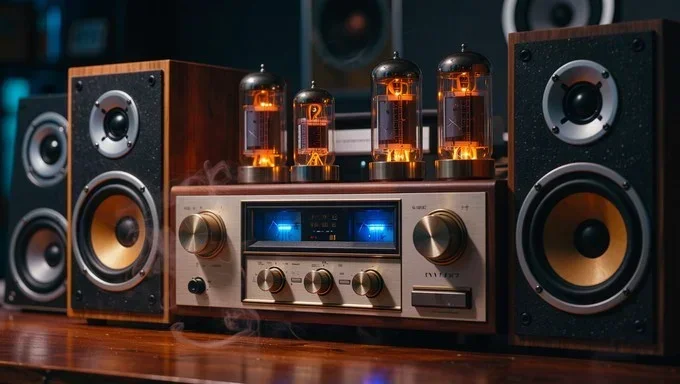
Visual guide about vintage tube amplifier speakers
Image source: images.stockcake.com
A higher number means louder output with less power. For tube amp users, a sensitivity of 90 dB or above is a good starting point. Some classic designs reach 95 dB or more. Those speakers can sound full and lively even with a low wattage amplifier. Lower sensitivity models can still work, but they may need more drive or a larger amplifier to reach the same listening levels.
Here is a simple way to think about it. If two speakers play the same music with the same amplifier, the more sensitive one will sound louder. It may also feel more dynamic because the amp is not strained. That does not automatically mean it sounds better in every way, but it does mean the system can stay comfortable at lower power. This is one reason high efficiency speakers for tube amps remain so popular among music lovers.
What the Numbers Really Mean
Sensitivity ratings are helpful, but they are not the whole story. Two speakers with the same dB rating can still sound different. Driver materials, cabinet size, crossover design, and room interaction all shape the final result. A speaker with a high rating might emphasize midrange warmth, while another might lean toward bright, detailed treble. The rating tells you about output, not taste.
It also helps to remember that small differences in dB are noticeable. A jump from 88 dB to 91 dB is a meaningful change in how hard the amplifier must work. In practical terms, that difference can make a tube amp sound more controlled and less compressed. If you are comparing models, look at the full spec sheet and listen when possible. Numbers guide you, but your ears decide.
Matching Impedance With Tube Amplifiers
Impedance is the next big piece of the puzzle. It describes how much resistance a speaker presents to the amplifier. Tube amps are especially sensitive to this value. Many designs prefer stable, higher loads such as 8 ohms or more. If the impedance drops too low, the amplifier may struggle or sound less refined. That is why checking speaker impedance is a must when choosing high efficiency speakers for tube amps.
Most home speakers are rated at 4, 6, or 8 ohms. An 8 ohm speaker is often a safe and musical match for tube gear. Some amplifiers handle 4 ohms well, but you should always check the manufacturer’s guidance. A stable match protects the amp and helps preserve tone. It also keeps the bass tight and the mids clear, which are important qualities for many Tube-friendly systems.
Damping factor is another related idea. It describes how well the amplifier controls speaker movement. Tube amps often have a lower damping factor than solid state models. That can sound relaxed and natural with the right speaker. Efficient speakers with a well-behaved enclosure can complement this character beautifully. The goal is balance, not brute force.
Safe Pairing Practices
Start by checking the amplifier’s recommended impedance range. Then compare it with the speaker’s nominal impedance. If the speaker dips low at certain frequencies, make sure the amp can handle it. It is also wise to avoid very long, thin speaker cables, since they can add resistance. Good connections and clean wiring help the system stay stable and clear.
If you are unsure, ask the manufacturer or an experienced dealer. A short conversation can save you from mismatched gear. Many enthusiasts enjoy building systems piece by piece, and each choice affects the next. A careful pairing approach leads to better sound and longer component life.
Choosing the Right Speaker Type for Your Room
Room size plays a bigger role than many people expect. A small room does not need a giant speaker, and a large room may demand more output to sound full. High efficiency speakers for tube amps can help in both cases, but the cabinet type still matters. Bookshelf models are great for tighter spaces, while floorstanding designs can move more air and fill bigger areas.
Bookshelf speakers are often easier to place and can be very sensitive. They work well on stands or shelves, and they suit intimate listening. Floorstanding speakers usually offer deeper bass and broader dispersion. They can create a grander presentation, especially in medium to large rooms. Both types can pair nicely with tube amplifiers when the sensitivity and impedance are right.
Ported Versus Sealed Enclosures
Ported speakers use a vent to extend bass response. They can feel punchy and room-filling, which many listeners enjoy with tube gear. Sealed speakers offer tighter, more controlled bass and a smoother roll-off. They can sound precise and articulate, especially with well-damped tube amplifiers. Neither design is automatically better. Your preference, room, and music choices should guide the decision.
If you like warm, lush sound, a ported design may suit you. If you prefer fast, disciplined bass, a sealed enclosure might be the better fit. Both can be efficient, so focus on the overall character rather than the vent alone. Listening tests reveal a lot that spec sheets cannot.
Top Traits of Great High Efficiency Speakers for Tube Amps
The best pairings share a few common traits. They present a stable load, they play loudly without strain, and they match the tonal character of the amplifier. A speaker that is too bright can make some tubes sound harsh. A speaker that is too dark can mute the natural glow of the amp. Balance is the key to a satisfying system.
Construction quality matters too. Sturdy cabinets reduce unwanted resonance. Good crossover parts keep the sound coherent. Reliable drivers maintain clarity at different volumes. These details help the system stay musical over time. When you choose high efficiency speakers for tube amps, look beyond the headline specs and consider the whole design.
Tonal Balance and Driver Materials
Driver materials influence tone in subtle but real ways. Paper, polymer, metal, and composite cones each have their own personality. Some favor warmth and smoothness. Others add speed and detail. Tube amplifiers often reward speakers with a natural midrange, since tubes are known for expressive vocals and instruments. A balanced speaker lets that character shine without exaggeration.
Tweeter design also matters. Soft dome tweeters can sound gentle and refined. Metal or beryllium-style tweeters can add sparkle and extension. Either can work well, depending on the amp and your taste. If your tube amplifier leans warm, a slightly brighter speaker might create a pleasing balance. If your amp is already lively, a smoother speaker could keep things elegant.
Practical Tips for Better Pairings
- Start with sensitivity: Aim for 90 dB or higher if your amp is low-powered.
- Check impedance: Prefer 8 ohm nominal loads unless your amp clearly supports lower values.
- Listen first: Use your own music to judge tone, bass, and volume comfort.
- Consider placement: Keep speakers away from corners if bass gets boomy.
- Mind the cables: Use decent gauge wire and keep runs reasonable.
- Trust your ears: Specs help, but musical enjoyment comes first.
Common Mistakes to Avoid
One common mistake is chasing sensitivity alone. A very high number does not guarantee a better speaker. It only tells you the speaker can play loudly with less power. Tone, build quality, and room fit still matter. Another mistake is ignoring impedance dips. A speaker may be rated at 8 ohms but dip lower at certain frequencies. If the amplifier is not comfortable there, the sound may suffer.
People also sometimes place speakers poorly. Corners can boost bass, but too much can muddy the sound. Walls can reflect energy and change the tone. A little space and careful angling often improve clarity. It is also easy to overlook the importance of break-in and setup time. New drivers and fresh systems often settle after some listening. Give the pair a fair chance before making final judgments.
Quick Mistakes Checklist
- Buying only for high dB without checking tone.
- Ignoring impedance compatibility with the tube amp.
- Placing speakers too close to walls or corners.
- Using very long or very thin speaker wire.
- Rushing judgments before the system settles.
- Forgetting to test with familiar music.
Real-World Setup Examples
Imagine a small living room where you want warm vocals and easy listening. A pair of sensitive bookshelf speakers on sturdy stands can work beautifully with a modest tube integrated amplifier. The system stays relaxed, the mids feel natural, and the volume stays comfortable. You get a rich presentation without needing a large power plant.
Now picture a dedicated listening space with a bit more floor area. A pair of efficient floorstanders might suit that room better. They can deliver fuller bass and wider imaging while still pairing well with tube gear. If the amplifier has enough headroom, the system can scale nicely from background music to focused listening sessions. The main idea is to match output capability with room demand.
A third example involves a mixed-use room where you watch movies and hear music. In that case, clarity and dynamic headroom matter. Efficient speakers can help the system stay articulate during quiet scenes and still handle louder moments. Good placement and clean wiring support both activities. The goal is a flexible setup that sounds musical in different modes.
Simple Setup Checklist
- Place speakers at a comfortable distance from walls.
- Angle them slightly toward the listening position.
- Use stable stands or a solid floor.
- Keep cables tidy and connections tight.
- Start with moderate volume and adjust gradually.
- Reassess after a few listening sessions.
Budget and Value Considerations
You do not need to spend a fortune to enjoy this pairing. There are solid efficient speakers at many price levels. Some value-oriented models offer surprising performance, especially when matched with a good tube amplifier. The trick is to prioritize the traits that matter most to you. If vocals and midrange warmth are central, focus on tone. If bass and scale matter more, look at enclosure size and driver design.
It also helps to think long term. A well-built speaker can last for years and still sound great. A dependable tube amplifier can be serviced and enjoyed over time. Investing in a balanced combination often beats chasing a single flashy spec. When you shop for high efficiency speakers for tube amps, value comes from harmony, not just price.
Where to Save and Where to Spend
- Save on: Decorative accessories and unnecessary extras.
- Spend on: Quality stands, decent speaker wire, and reliable connections.
- Save on: Branding if the sound profile fits your taste.
- Spend on: A speaker that matches your room and music preferences.
- Save on: Overly complex setups you do not need.
- Spend on: Time to audition and compare options.
Final Thoughts on Pairing Tube Amps and Efficient Speakers
A tube amplifier and a set of high efficiency speakers for tube amps can create a truly enjoyable listening experience. The amp brings warmth and character, while the speaker turns that energy into clear, lively sound without demanding excessive power. When you choose carefully, the system feels easy to drive, musically satisfying, and inviting over long sessions.
Focus on sensitivity, impedance, room size, and tonal balance. Listen with your favorite music. Make small adjustments to placement and wiring. Over time, these choices add up to a system that feels right for you. That is the real reward of this pairing: a setup that sounds natural, performs confidently, and brings your music to life.
Frequently Asked Questions
What sensitivity rating is best for tube amplifiers?
A sensitivity rating of 90 dB or higher is a strong starting point for most tube amplifiers. It helps the amp produce satisfying volume without strain. Your ideal number also depends on room size and listening habits.
Can low efficiency speakers work with tube amps?
They can, but they often need more power to reach the same volume levels. If your tube amplifier has enough headroom, it may still sound fine. For lower-powered amps, efficient speakers usually make the system easier to drive.
Is 8 ohms better than 4 ohms for tube amps?
Many tube amplifiers prefer 8 ohm loads because they are more stable and easier to drive. Some amps handle 4 ohms well, but you should check the manufacturer’s guidance. A safe match helps preserve tone and reliability.
Do high efficiency speakers sound too bright with tubes?
They can if the speaker has a bright treble character and the tube amp is already lively. The right pairing balances warmth and detail. Listening tests help you avoid a harsh or fatiguing result.
Should I choose bookshelf or floorstanding speakers for a tube amp?
Choose bookshelf speakers for smaller rooms and tighter setups. Choose floorstanding speakers for larger spaces and fuller bass. Both can work well with tube amplifiers if sensitivity and impedance are suitable.
What matters more, sensitivity or impedance?
Both matter, but their importance depends on your amplifier. Sensitivity affects how easily the speaker plays loudly, while impedance affects how stable the load is. For tube amps, a balanced match between the two usually works best.