How Do I Know If My Speakers Are Blown

Not sure if your speakers are blown? Look for distortion, crackling, and lack of bass, then run simple continuity and polarity tests. Follow our step‑by‑step guide to confirm the problem and decide whether to repair or replace.
Key Takeaways
- Listen for distortion: Muddy or harsh sound at low volumes often means a blown driver.
- Check for physical damage: Torn cones or burnt smell are clear signs of failure.
- Run a continuity test: A multimeter can quickly tell if the voice coil is broken.
- Swap cables and sources: Eliminates external factors before blaming the speakers.
- Know the limits: Overdriving speakers is a common cause of blowing.
- Repair vs replace: Small driver issues may be fixable, but severe damage usually means replacement.
- Maintenance matters: Keeping speakers clean and well‑ventilated extends their life.
📑 Table of Contents
Introduction: Why This Question Matters
We all love blasting our favorite tracks, but there’s nothing worse than hitting play and hearing a harsh buzz or a thin, lifeless tone. If you’ve ever asked yourself, “how do i know if my speakers are blown?” you’re not alone. A blown speaker can ruin your listening experience, damage your amp, and cost you time and money if you don’t catch it early.
In this guide we’ll walk you through the most common signs of a blown speaker, the tools you need for a quick diagnosis, and practical steps to either fix or replace the unit. Think of it as a friendly chat over coffee—simple language, clear examples, and no jargon.
1. Recognizing the Audible Symptoms
Distortion at Low Volumes
If the music sounds muddy or “fuzzy” even when you turn the volume down, the driver’s cone may be damaged. A healthy speaker should reproduce clean tones at any level.
Crackling or Popping Noises
Intermittent crackles often point to a loose connection, but when they persist across all sources, the speaker’s voice coil might be shorted. For more on crackling, see our article Why Do My Speakers Crackle.
Loss of Bass or Treble
When the low frequencies disappear, the woofer cone could be torn or the surround (the flexible rim) may have detached.
Silence from One Channel
If only the left or right speaker is silent, the issue could be a blown driver, a broken wire, or a faulty crossover.
2. Visual Inspection: What to Look For
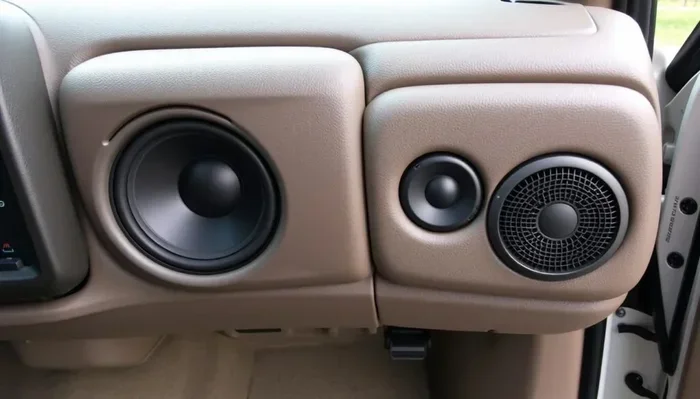
Check the Cone and Surround
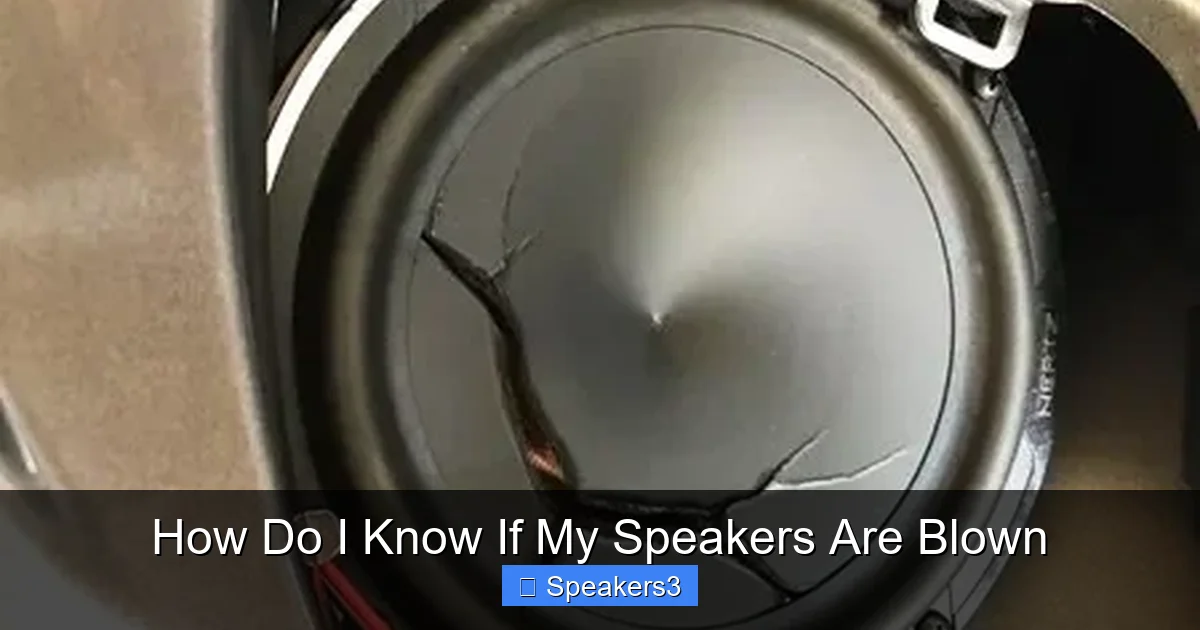
Remove the grille (if removable) and examine the cone. Look for tears, holes, or stretched surrounds. Any visible damage almost always means the driver is blown.
Visual guide about How Do I Know If My Speakers Are Blown
Image source: ledgernote.com
Smell for Burnt Components
A faint burnt odor coming from the speaker cabinet is a strong indicator of an overheated voice coil.
Inspect the Terminals
Corrosion or loose solder joints can mimic blown‑speaker symptoms. Tighten any loose terminals and clean off oxidation with a little isopropyl alcohol.
3. Basic Tests You Can Do at Home
Swap Cables and Sources
Before you blame the speakers, connect a different set of speaker wires or a new audio source. If the problem follows the speaker, the speaker is likely at fault.
Visual guide about How Do I Know If My Speakers Are Blown
Image source: images.apollo247.in
Continuity Test with a Multimeter
1. Set the multimeter to “Ohms” (Ω).
2. Touch the probes to the speaker’s positive and negative terminals.
3. A healthy voice coil will read between 2‑8 Ω (depending on the speaker).
4. An infinite reading (OL) means the coil is open—your speaker is blown.
Polarity Test
Play a mono track and reverse the wires on one speaker. If the sound becomes out of phase (hollow or “ghosting”), the wiring is correct and the issue lies within the driver.
4. Understanding Why Speakers Blow
Overpowering the Speaker
Driving a speaker with more power than its rating (watts) causes the voice coil to overheat and melt. This is the most common cause of blown speakers.
Clipping from the Amplifier
When an amp is asked to deliver more voltage than it can produce, the signal “clips,” sending a square‑wave that stresses the speaker.
Physical Abuse
Dropping the speaker, exposing it to extreme temperatures, or submerging it in moisture can all damage the delicate components.
5. Repair Options vs. Replacement
When Repair Makes Sense
If the cone is torn but the voice coil is intact, you can purchase a replacement cone kit (often under $20) and glue it back in place. Small diaphragm tears are also fixable with specialized speaker‑repair glue.
When to Replace
Burnt voice coils, severe cone deformation, or a broken crossover network usually mean replacement is the most cost‑effective route.
Choosing a New Speaker
Match the impedance (4 Ω or 8 Ω) and power rating to your amp. Also consider the enclosure type—sealed for tight bass, ported for louder, boomy sound.
Installation Tips
When installing a new speaker, follow proper wiring polarity and secure all connections. If you need help wiring, check out How To Wire Speakers To Amp for a step‑by‑step guide.
6. Preventing Future Blowouts
Don’t Overdrive
Keep the volume at a moderate level and avoid max‑out peaks, especially with bass‑heavy tracks.
Use a Proper Amplifier
Match the amp’s output power to the speaker’s rated wattage. An amp that’s too powerful can easily cause blowouts.
Maintain Good Ventilation
Place speakers in a well‑ventilated area. Dust buildup can trap heat, leading to coil overheating.
Regular Cleaning
Dust the grille and internal components with a soft brush or compressed air every few months. Clean surfaces help keep the speaker cool.
Conclusion: Trust Your Ears—and Your Tools
Knowing how do i know if my speakers are blown is less about fancy equipment and more about listening carefully, inspecting visually, and running a few simple tests. By following the steps above, you can quickly pinpoint the problem, decide whether a repair is worth it, and keep your audio setup sounding its best for years to come.
Frequently Asked Questions
What does a buzzing sound mean?
A constant buzz often indicates a loose connection or a shorted voice coil. Check your wiring first, then test continuity.
Can I use the same speaker wire for a new speaker?
Yes, as long as the gauge is appropriate for the speaker’s impedance and power rating. Thicker wire (lower gauge) is better for long runs.
Is it normal for a speaker to sound different after a power surge?
Power surges can damage the voice coil or crossover. If the sound is muffled or missing frequencies, the speaker may be blown.
How long should a speaker last if I take good care of it?
With proper maintenance, most home speakers can last 10‑15 years or more. Regular cleaning and avoiding over‑driving are key.
Do I need a multimeter to test my speakers?
A multimeter makes the continuity test quick and accurate, but you can also use a battery test (touching speaker terminals to a 9 V battery) to feel for movement.
Will connecting speakers to a higher‑impedance amp damage them?
Using an amp with a higher impedance than the speaker’s rating is generally safe, but you may lose volume and efficiency.