How Long Do Speakers Last
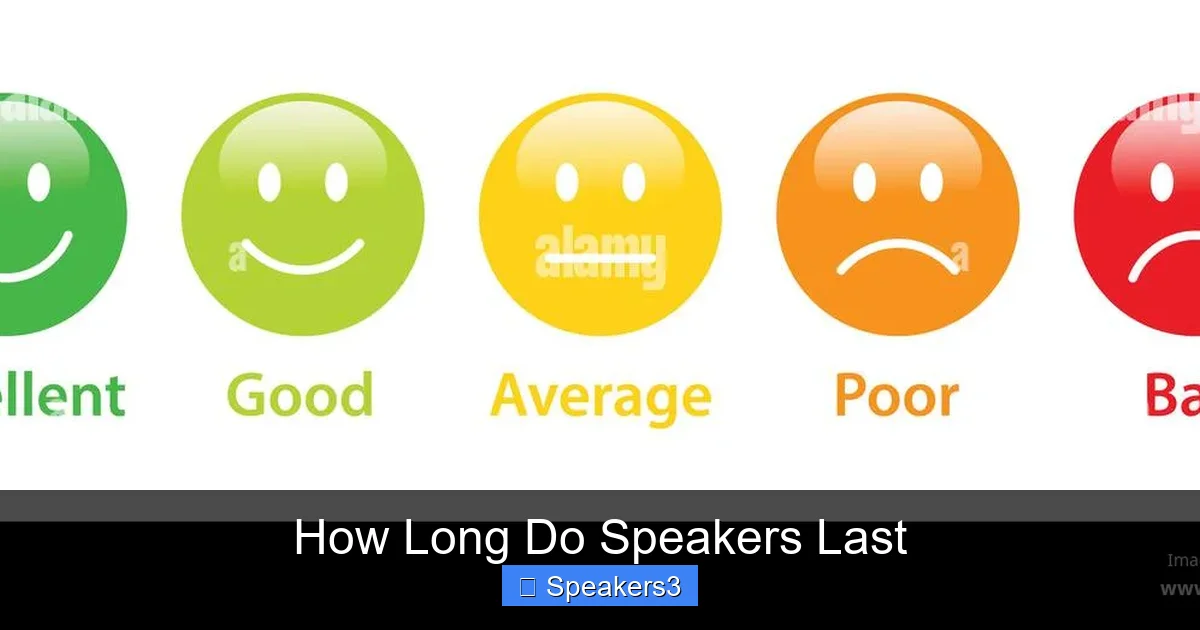
Speakers can last anywhere from 5 to 20 years, depending on type, usage, and care. Understanding the key factors—build quality, environment, and maintenance—helps you get the most out of your audio gear and avoid costly replacements. Follow our practical tips and you’ll enjoy clear sound for many years.
Key Takeaways
- Typical lifespan: Most home speakers survive 10‑15 years with proper care.
- Build matters: Solid wood cabinets and quality drivers outlive cheap plastic units.
- Usage patterns: High volume and constant play shorten speaker life.
- Environment counts: Humidity, dust, and temperature affect drivers and wiring.
- Maintenance tips: Regular cleaning and safe power handling extend lifespan.
- Upgrade vs replace: Sometimes swapping tweeters or crossovers is cheaper than new speakers.
- Warning signs: Crackling, distortion, and rattling often signal impending failure.
📑 Table of Contents
- Introduction: Why Speaker Longevity Matters
- 1. The Basics: What Determines a Speaker’s Lifespan?
- 2. How Long Do Different Types of Speakers Typically Last?
- 3. Signs Your Speakers Are Nearing the End of Their Life
- 4. Extending the Life of Your Speakers
- 5. Real‑World Examples: How Long Have Popular Brands Lasted?
- 6. When to Replace vs. When to Repair
- Conclusion: Planning for the Long Haul
Introduction: Why Speaker Longevity Matters
Imagine you’ve just set up a new home‑theater system. The movies sound amazing, the music feels alive, and you’re convinced these speakers will be with you forever. In reality, every speaker has a finite life, just like any other piece of equipment. Knowing how long speakers last lets you plan upgrades, budget wisely, and keep your listening experience consistent.
In this guide we’ll break down the factors that determine a speaker’s lifespan, compare different types of speakers, and give you hands‑on tips to stretch that lifespan as far as possible. By the end, you’ll be able to answer the question “how long do speakers last?” with confidence.
1. The Basics: What Determines a Speaker’s Lifespan?
1.1 Build Quality and Materials
Speakers built with dense wood, metal frames, and high‑grade drivers tend to outlast those made from thin plastic. The cabinet material influences resonance and protects internal components from moisture.
Visual guide about How Long Do Speakers Last
Image source: m.media-amazon.com
1.2 Driver Design and Materials
The cone, dome, and voice coil materials matter. Paper cones can dry out, while polypropylene or kevlar stay flexible longer. Voice coils that run cooler (often copper or aluminum) survive more power cycles.
1.3 Usage Habits
Playing music at 90 dB for eight hours a day is very different from listening at 70 dB for a couple of hours. High volume stresses the voice coil and can cause overheating.
1.4 Environmental Factors
Dust, humidity, and temperature extremes accelerate wear. A speaker in a damp basement will likely fail sooner than one in a climate‑controlled living room.
1.5 Power Quality
Surges and poor‑quality amplifiers can fry the crossover or damage the driver. Using a surge protector and matching amp power to speaker rating is essential.
2. How Long Do Different Types of Speakers Typically Last?
2.1 Bookshelf Speakers
Mid‑range bookshelf speakers from reputable brands usually last 10‑15 years. Budget models may start showing trouble after 5‑7 years.

Visual guide about How Long Do Speakers Last
Image source: c.53326.com
2.2 Floor‑Standing (Tower) Speakers
Because they house larger drivers and sturdier cabinets, tower speakers often reach 15‑20 years with proper care.
2.3 In‑Wall / In‑Ceiling Speakers
These are protected from dust but can suffer from heat buildup. Expect 10‑12 years on average.
2.4 Portable Bluetooth Speakers
Battery life is a major factor. The acoustic components can last 5‑10 years, but the battery may need replacement after 2‑3 years.
2.5 Car Speakers
Car interiors experience temperature swings and vibration. Quality aftermarket car speakers often survive 8‑12 years.
2.6 Professional Studio Monitors
Studio monitors are built for accuracy and durability. With low‑volume, controlled use they can exceed 20 years.
3. Signs Your Speakers Are Nearing the End of Their Life
3.1 Crackling or Popping Sounds
Intermittent crackle often points to a loose connection or a failing driver. Why Do My Speakers Crackle explains this in detail.
Visual guide about How Long Do Speakers Last
Image source: aipict.com
3.2 Distortion at Normal Volumes
If you hear distortion even at moderate levels, the voice coil may be worn or the crossover is failing.
3.3 Rattling or Buzzing When Not Playing
Mechanical rattles usually mean a loose driver or cabinet damage.
3.4 Reduced Frequency Response
Loss of bass or treble indicates damaged cones or tweeters.
3.5 Physical Damage
Cracks in the cabinet, torn cones, or corroded terminals are clear red flags.
4. Extending the Life of Your Speakers
4.1 Keep Them Clean
Dust settles on drivers and can cause overheating. Use a soft brush or compressed air to clean grills weekly.
4.2 Control the Volume
Reserve high volume for special occasions. A good rule is to keep average listening levels below 80 dB.
4.3 Manage Power Wisely
Match amplifier power to speaker rating. Over‑driving a 50 W speaker with a 200 W amp can burn the voice coil.
4.4 Protect from Humidity
Use dehumidifiers in damp rooms and avoid placing speakers near windows.
4.5 Upgrade Components Instead of Replacing All
Replacing a worn tweeter or a faulty crossover can revive an old set. This is often cheaper than buying new speakers.
4.6 Proper Wiring
Secure, high‑quality speaker wire reduces resistance and heat. For those interested in wiring details, see How To Wire Speakers To Amp.
5. Real‑World Examples: How Long Have Popular Brands Lasted?
5.1 Klipsch Reference Series
Owners report 15‑20 years of solid performance, thanks to robust wood cabinets and copper voice coils.
5.2 JBL Home Theater Speakers
Mid‑range models often last 8‑12 years; the cheaper “Entry” line may need replacement after 5‑7 years.
5.3 Bose SoundTouch Series
Wireless Bose speakers tend to last 6‑10 years, with the main limitation being battery life in portable units.
5.4 Car Audio Brands (Alpine, Pioneer)
With proper installation, these can stay reliable for a decade, even under harsh temperature changes.
6. When to Replace vs. When to Repair
6.1 Cost‑Benefit Analysis
If a single driver costs $30‑$50 to replace and the rest of the speaker is in good shape, repair is sensible. If multiple components need work, consider a new set.
6.2 Aesthetic Considerations
Scratches or faded finishes may push you toward replacement, especially for visible bookshelf speakers.
6.3 Technological Upgrades
Modern amplifiers and streaming devices may benefit from newer speakers with better efficiency and connectivity.
Conclusion: Planning for the Long Haul
There’s no one‑size‑fit answer to “how long do speakers last,” but understanding the variables gives you control. Quality construction, moderate volume, clean environments, and proper power handling can easily push most speakers into the 10‑plus‑year range. Keep an eye on the warning signs, perform regular maintenance, and you’ll enjoy rich, reliable sound for many listening sessions to come.
Frequently Asked Questions
How can I tell if a speaker’s voice coil is failing?
When the voice coil overheats it may produce distortion or a burnt smell. A sudden loss of bass or intermittent crackling often points to coil damage.
Do indoor speakers last longer than outdoor speakers?
Indoor speakers are protected from weather, so they usually outlast outdoor models, which must endure UV light, rain, and temperature swings.
Is it normal for speakers to lose some bass over time?
Yes, the cone material can become stiff or the surround may degrade, leading to reduced low‑frequency response.
Can I use any amplifier with my speakers?
Match the amp’s power output to the speaker’s rated wattage. Using an amp that’s too powerful can overheat the voice coil, while an under‑powered amp may cause distortion.
How often should I clean my speaker grills?
Once a week with a soft brush or a gentle puff of compressed air is enough to keep dust from building up.
What’s the best way to store speakers I’m not using?
Cover them with a breathable cloth, keep them in a climate‑controlled room, and avoid stacking heavy objects on top.