Is Japan Easy to Travel for English Speakers
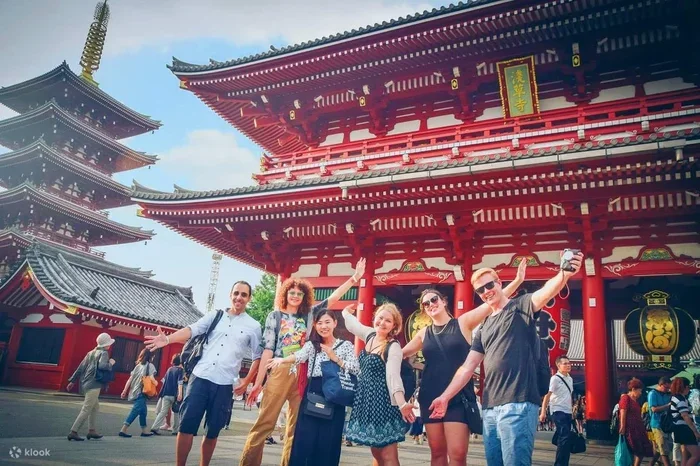
Traveling to Japan can feel intimidating if you do not speak the language. However, Japan is easy to travel for English speakers in major cities and tourist areas. You will find helpful signs, translation tools, and friendly locals ready to assist you. This guide breaks down what to expect and how to navigate with confidence.
Key Takeaways
- Major cities are English-friendly: Tokyo, Osaka, and Kyoto have extensive English signage on trains, roads, and in airports.
- Translation apps are essential: Tools like Google Translate and voice translators bridge communication gaps instantly.
- Japanese hospitality shines: Locals often go out of their way to help visitors, even with limited shared language.
- Rural areas require preparation: Smaller towns have fewer English resources, so planning ahead is key.
- Non-verbal communication works: Gestures, pointing, and simple phrases often convey your needs effectively.
- Technology reduces language barriers: Pocket Wi-Fi and offline maps keep you connected and oriented anywhere.
- English menus are common: Restaurants in tourist zones frequently offer English or picture-based menus.
📑 Table of Contents
- Is Japan Easy to Travel for English Speakers?
- English Signage and Navigation in Major Cities
- Translation Apps and Digital Tools
- Dining and Ordering Food Without Japanese
- Cultural Etiquette and Non-Verbal Communication
- Rural Travel and Where English Support Drops
- Common Challenges and How to Overcome Them
- Expert Tips for Smooth Travel
- Final Thoughts on Visiting Japan
Is Japan Easy to Travel for English Speakers?
Many travelers wonder if they can visit Japan without knowing Japanese. The short answer is yes. Japan is easy to travel for English speakers if you stick to popular routes and use modern tools. You do not need fluency to enjoy the food, sights, and culture.
Japan has invested heavily in tourism infrastructure. Train stations, airports, and major attractions feature bilingual signs. Street names and subway maps often include English characters. This makes navigation straightforward for visitors who rely on English.
That said, language barriers still exist outside city centers. Rural towns and small shops may not have English support. But with a little preparation, you can handle these moments smoothly. This article covers what to expect and how to travel confidently.
English Signage and Navigation in Major Cities
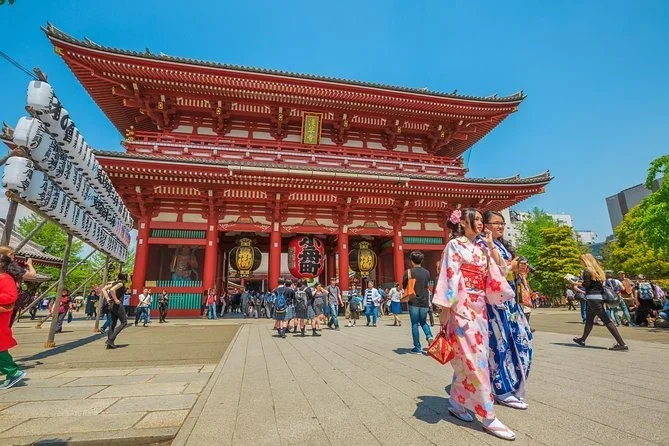
Visual guide about Japan travel for English speakers
Image source: media.tacdn.com
If you visit Tokyo, Osaka, or Kyoto, you will notice English everywhere. Subway lines display station names in Japanese and English. Exit signs, platform numbers, and transfer instructions are clearly marked. This reduces confusion for first-time visitors.
Train and Subway Systems
Japan rail networks are among the most organized in the world. Announcements on trains often include English phrases. Digital displays show the next stop in both languages. You can also find English route maps at station entrances.
Airports and Tourist Hubs
Narita, Haneda, Kansai, and Chubu airports offer full English support. Check-in counters, baggage claims, and customs areas feature bilingual staff. Tourist information centers provide free maps and schedule booklets in English. These resources make arrival and departure stress-free.
Street Signs and Addresses
Urban streets often have English translations on corner signs. Addresses in Japan follow a different system, but GPS and maps solve this issue. Walking directions on your phone guide you block by block. You rarely need to read Japanese characters to find your way.
Translation Apps and Digital Tools
Technology has changed how travelers communicate abroad. In Japan, apps and devices fill the gaps when words fail. You can order food, ask for directions, and handle transactions with minimal shared language.
Best Translation Apps
Google Translate remains a top choice. Its camera feature translates menus and signs in real time. Voice mode lets you speak and hear responses in English or Japanese. DeepL and other apps also offer accurate text translation for written notes.
Offline Maps and Pocket Wi-Fi
Staying connected matters. Pocket Wi-Fi rentals or eSIM plans keep data flowing. Download offline maps before you travel to avoid signal loss. Navigation apps show walking routes, train transfers, and nearby attractions in English.
Pocket Translators and Wearables
Handheld translators provide quick two-way conversations. Some models focus on travel phrases and pronunciation help. Wearable devices can translate short exchanges during shopping or dining. These tools are optional but helpful for longer stays.
Dining and Ordering Food Without Japanese
Food is a highlight of any Japan trip. Many restaurants cater to international guests. You can enjoy ramen, sushi, and regional dishes even if you cannot read the menu.
English and Picture Menus
Tourist areas often display English menus outside shops. Some places use plastic food models or photos to show dishes. Pointing at a display works well when words are unclear. Staff usually understand common requests like water, extra napkins, or bill please.
Convenience Stores and Chain Restaurants
Convenience stores offer clear packaging and labeled sections. Chain restaurants often have standardized menus with English translations. Self-order kiosks in some locations feature English language options. These spots are reliable for quick meals and snacks.
Dietary Needs and Allergies
If you have restrictions, carry a printed card in Japanese. Show it to staff before ordering. Many restaurants can adjust dishes or suggest safe options. Learning a few key phrases about allergies helps prevent misunderstandings.
Cultural Etiquette and Non-Verbal Communication
Language is only part of communication. Japanese culture values politeness, patience, and respect. Simple gestures and calm behavior go a long way. Locals appreciate visitors who try, even if mistakes happen.
Basic Phrases That Help
A few words show effort and build goodwill. Hello, thank you, excuse me, and sorry are useful in many situations. Staff often respond warmly when you attempt these phrases. Pair them with a smile and clear gestures.
Reading the Room
Japanese service culture emphasizes helpfulness. If you look confused, someone may approach to assist. Department store staff, hotel concierges, and station attendants are trained to support guests. Observe body language and follow polite cues.
Tipping and Payment Norms
Tipping is not expected and can cause confusion. Most services include service charges or operate on fixed pricing. Carry cash for smaller shops, as some places still prefer it. Credit cards and IC cards work widely in cities.
Rural Travel and Where English Support Drops
Beyond the main cities, English resources become thinner. Small towns, mountain villages, and remote beaches may have limited signage. This does not mean travel is impossible. It means planning matters more.
Planning Ahead for Countryside Trips
Research routes before you leave. Check train schedules, bus timetables, and opening hours. Book accommodations that list English contact details. Save addresses in both English and Japanese for taxi drivers.
Local Transport Tips
Rural buses may not announce stops in English. Sit near the front and watch for landmarks. Ask the driver to call your stop if needed. In some areas, rental cars offer freedom, but you should study road signs and navigation tools first.
Connecting with Locals
People in smaller communities are often kind and curious. A smile, a nod, and simple words create positive interactions. If you struggle, try writing questions in a notes app and showing the screen. Patience and respect open doors everywhere.
Common Challenges and How to Overcome Them
Every trip has hurdles. Knowing common issues helps you stay calm and solve them fast. Most problems are minor and manageable with the right mindset.
Language Gaps in Small Shops
Independent stores may not have English menus or staff. Use translation apps, point to items, or ask for recommendations. Many owners appreciate the effort and will help you choose.
Complex Station Layouts
Large stations can feel overwhelming. Follow color-coded lines and numbered exits. Take a photo of your destination sign and show it to staff. Station attendants often guide visitors to the correct platform.
Emergency and Health Situations
Carry a list of emergency contacts and basic medical info. Major hospitals in cities have English-speaking staff or interpreters. Pharmacies can help with common supplies. If you need urgent help, show your location and situation on a map or translation app.
Expert Tips for Smooth Travel
A few habits make a big difference. Prepare simple tools, stay flexible, and keep a friendly attitude. These steps reduce stress and improve your experience.
Pack a Small Language Kit
Save key phrases on your phone. Print a card with your hotel address and emergency contacts. Keep a pen and small notebook for quick notes. These items help when screens fail or batteries run low.
Use Hotel Concierges and Tourist Centers
Staff at hotels and visitor centers know the area well. Ask for restaurant suggestions, transit tips, and event info. They can often arrange tickets or reservations in English.
Learn the Rhythm of the Day
Trains run frequently during rush hours. Popular sites get crowded on weekends. Plan quieter visits early in the morning or later in the evening. This simple timing choice improves comfort and photo opportunities.
Final Thoughts on Visiting Japan
So, is Japan easy to travel for English speakers? Yes, especially in cities and tourist zones. Signs, apps, and helpful staff make daily travel smooth. Rural areas ask for more planning, but they reward curiosity and patience.
You do not need perfect Japanese to enjoy the journey. A few tools, some basic phrases, and a respectful attitude will carry you far. Keep your plans flexible, stay connected, and embrace the experience. Japan welcomes visitors with warmth and incredible sights at every turn.
Frequently Asked Questions
Can I travel Japan without knowing any Japanese?
Yes, you can travel Japan without knowing Japanese, especially in major cities. English signage, translation apps, and helpful staff make daily navigation much easier. A little preparation goes a long way.
Do trains in Japan have English announcements?
Many trains and subway lines include English announcements and digital displays. Station names, transfers, and next stops often appear in both languages. This makes public transit simple for most visitors.
Are English menus common in Japanese restaurants?
English menus are common in tourist areas and chain restaurants. Some places use photos or plastic food models to help guests choose. Pointing and simple phrases work well when menus are unclear.
What translation apps work best in Japan?
Google Translate is widely used for text, voice, and camera translation. DeepL and other apps also handle written phrases well. Offline downloads help when internet access is limited.
Is rural Japan hard to navigate for English speakers?
Rural Japan can be more challenging because English signs and staff are less common. Planning routes, saving addresses, and using maps reduce confusion. Patience and simple gestures still help a lot.
Do I need cash if I speak only English in Japan?
You should carry some cash because smaller shops and rural spots may prefer it. Cards and IC transit cards work well in cities and larger stores. Having both options keeps you ready for any situation.